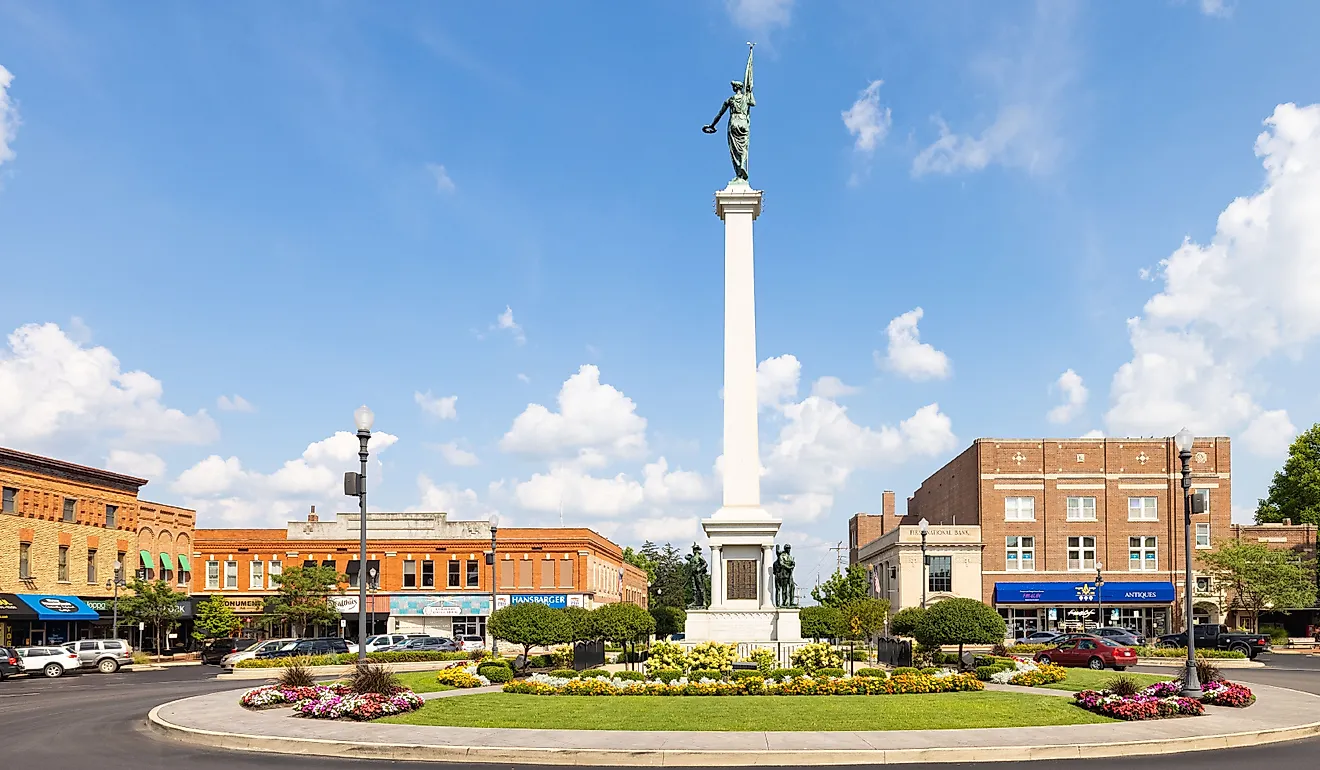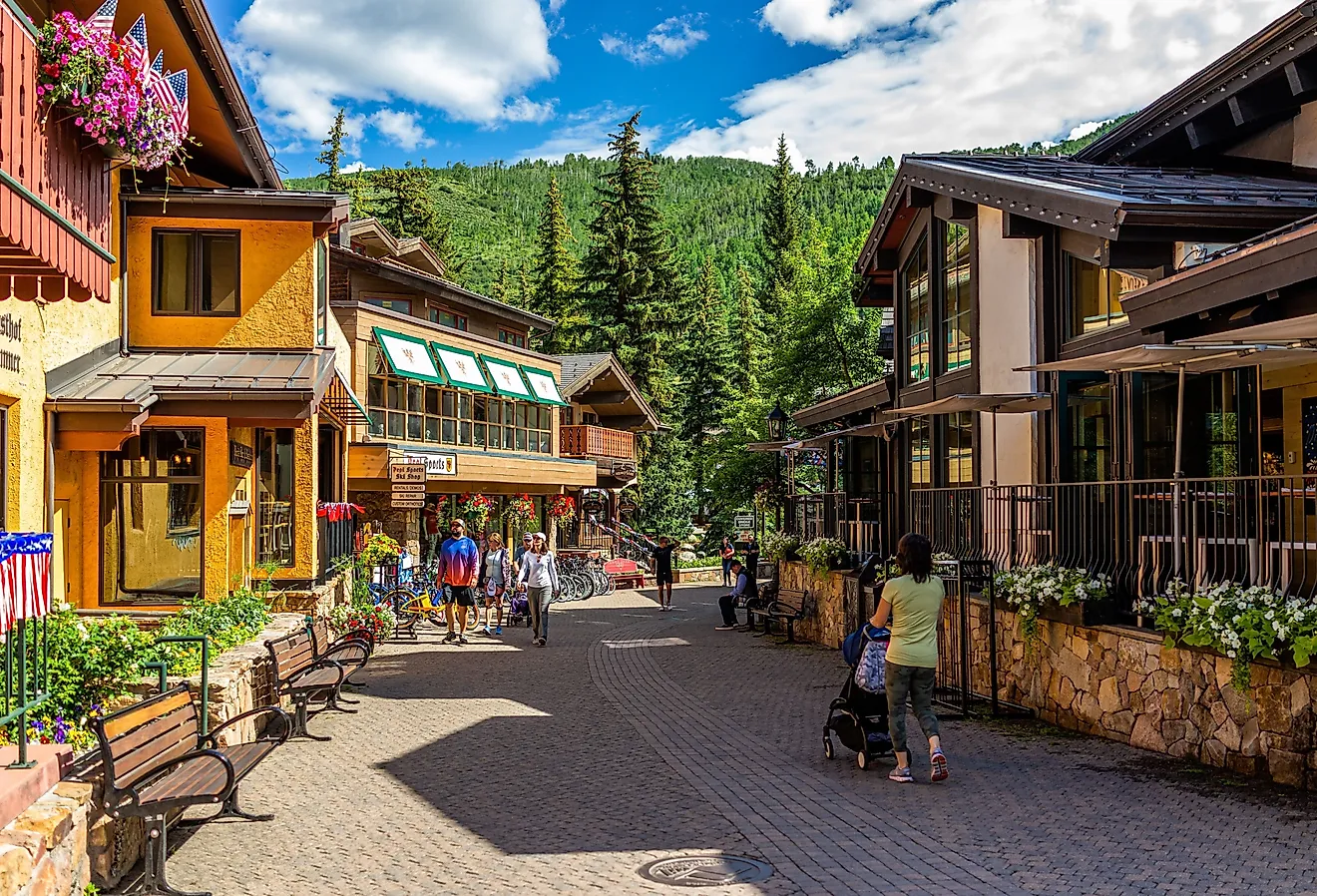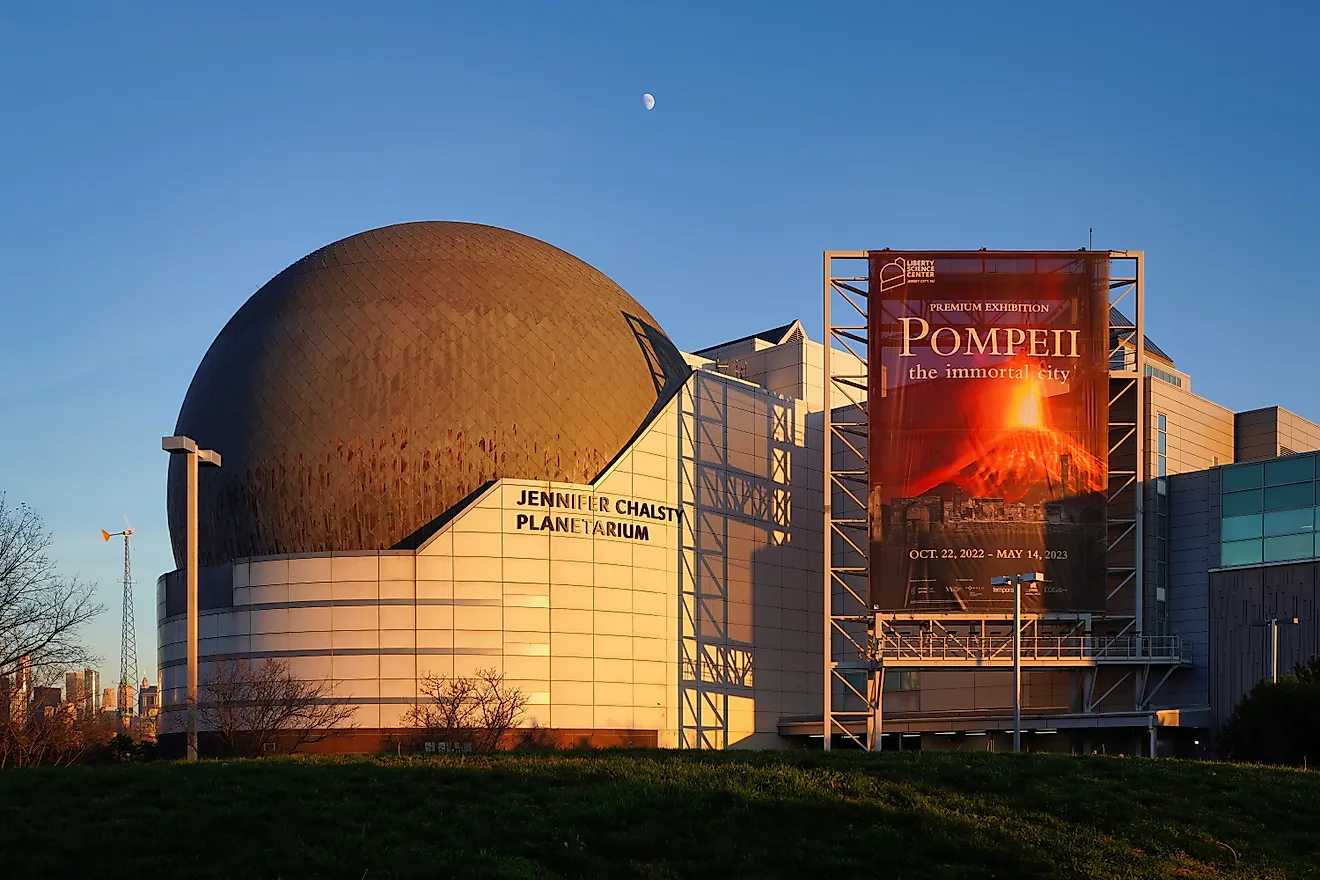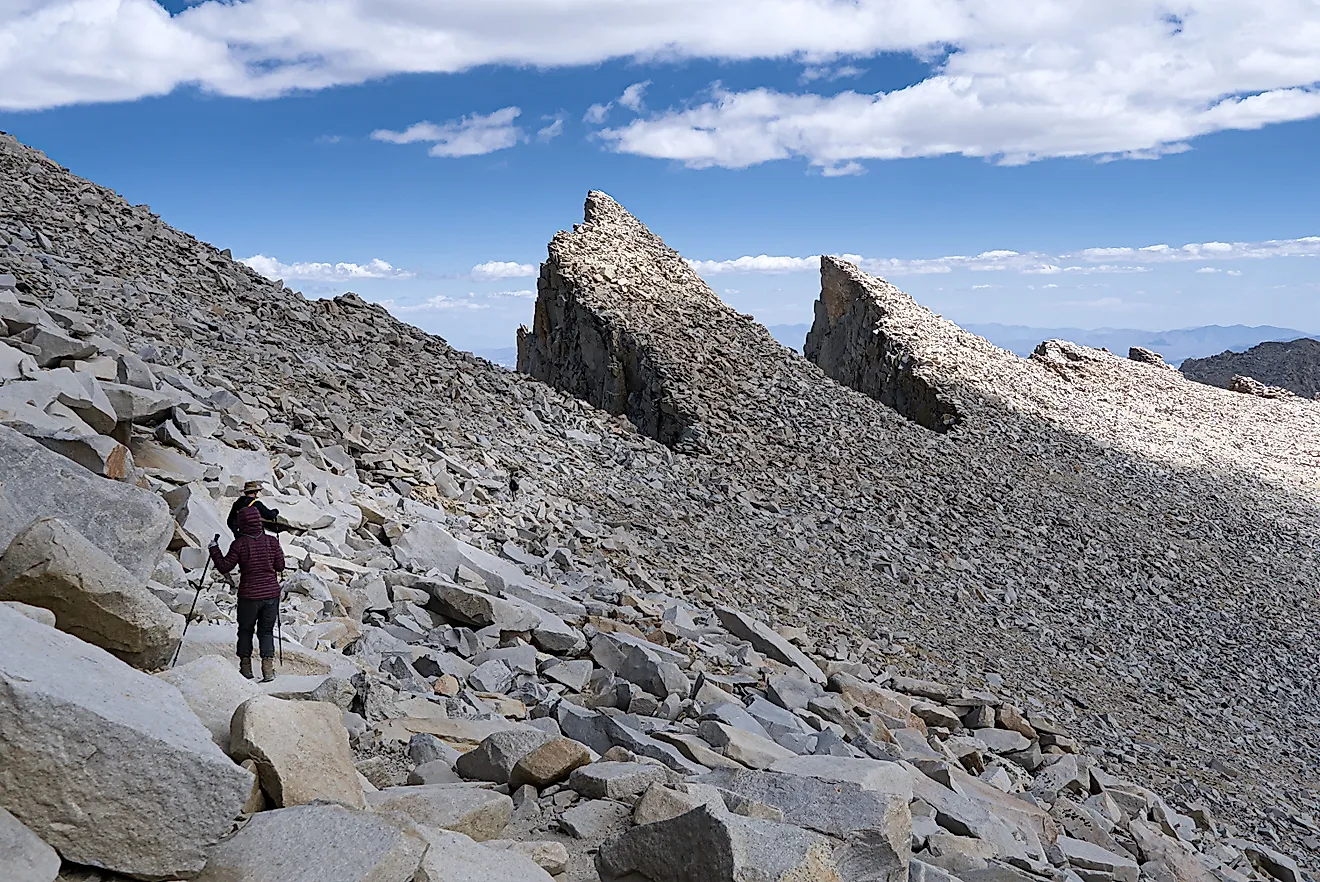
8 of the Most Overlooked Towns in the Southern United States
A sixteen-year-old George Washington turned up at a West Virginia spring in 1748 and wrote in his diary that he had gone to see "Ye Fam'd Warm Springs." The town still has a stone tub with his name on it, and locals will admit, if pressed, that nobody is entirely sure he used that particular one. That is the sort of thing waiting in the South's overlooked towns while everyone else queues up in Pensacola and Hot Springs. One Florida town lets you swim with manatees. One Alabama town made a serious share of the world's socks. One Virginia town built the only re-creation of Shakespeare's indoor theater anywhere on earth. Here are eight worth the detour.
Crystal River, Florida

About 80 miles north of Tampa, Crystal River does something no other town in the country can legally offer: it lets you get in the water with wild manatees. Every winter, hundreds of them abandon the chilling Gulf and pile into the constant 72-degree springs of Kings Bay, and roughly November through March you can float above a thousand-pound animal that has absolutely no interest in you. Guides enforce the rules strictly, which is why the arrangement still exists.
The rest of Florida's Gulf Coast gets the crowds; this stretch gets the wildlife. Crystal River Preserve State Park covers 27,500 acres of hardwood forest, salt marsh, and mangrove island, threaded with trails and paddling routes. And Crystal River Archaeological State Park protects a six-mound pre-Columbian complex that people occupied for roughly 1,600 years, which makes it one of the longest continuously used sites in Florida. Most visitors drive past it on the way to the manatees.
Fort Payne, Alabama

Fort Payne spent most of the twentieth century making socks. At its peak the town's hosiery mills turned out a staggering share of the ones sold in America, and there is a Hosiery Museum in town that treats this with the seriousness it deserves. The Davis Hosiery Mill, now the Big Mill Antique Mall, still stands; it just sells collectibles instead of crew length. The band Alabama came from here too, and has a museum of its own.

The scenery is the other half. Little River Canyon National Preserve protects 15,288 acres around the Little River, which is one of the few rivers in the country that forms and runs almost its entire length on top of a mountain. Martha's Falls is where locals swim in July. DeSoto State Park sits nearby with 25 miles of trail, and the whole area rides Lookout Mountain, which is more vertical relief than most people expect from Alabama.
Helen, Georgia

In 1969 a failing logging town in northeast Georgia made a decision that should not have worked: every business owner agreed to reskin the entire downtown as a Bavarian alpine village. Stucco, timbered balconies, hand-painted signs, the works, right down to the police station. It worked so thoroughly that Helen now runs an Oktoberfest across the autumn months and pulls crowds that would embarrass towns ten times its size.
The Chattahoochee River runs straight through the middle of it, and tubing outfitters will drop you upstream for a float through downtown. Unicoi State Park is two miles out. The trail to Anna Ruby Falls, named for the daughter of the colonel who owned the land, ends at two creeks arriving as separate waterfalls side by side, the taller dropping about 150 feet. Yonah Mountain, a 4.4-mile out-and-back, is genuinely steep and worth it.
Rogersville, Tennessee

Rogersville is Tennessee's second-oldest town, and it has almost nothing built for tourists, which is precisely the appeal. Thomas Amis put up a stone house here around 1780, before the town formally existed, and the estate still has the house and blacksmith cabin standing. The stone dam he built on Big Creek is generally called the oldest in the state.
The Tennessee Newspaper and Printing Museum sits in town, which is a niche worth having, and Heritage Days each October fills the streets with old cars, antiques, and food. The Hale Springs Inn has been taking guests since 1824 and claims the title of oldest continuously operating inn in Tennessee. Rogersville is a place to walk slowly and read plaques, and it does not pretend otherwise.
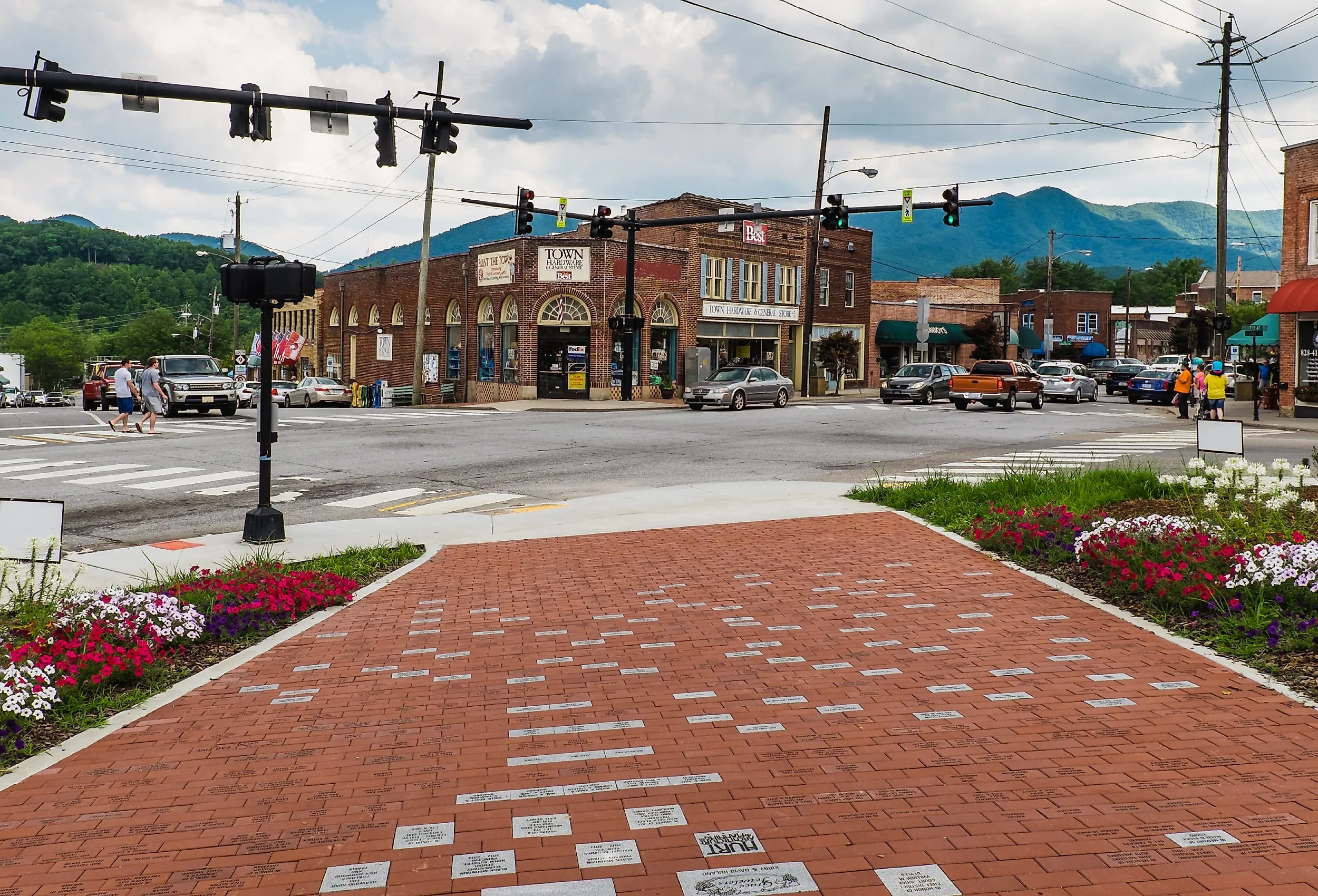
Black Mountain, North Carolina

Asheville is fifteen miles west and absorbs essentially all the attention, which has left Black Mountain to get on with being one of the better small towns in the Blue Ridge. The Black Mountain Center for the Arts works out of the old town hall and shows regional artists who would be priced out of a bigger market.
What is unusual here is the proximity. Lake Tomahawk Park is a few blocks from downtown, with a walking loop and a view of the ridgeline. The Graybeard Trail climbs toward a 5,400-foot summit from near the edge of town, which is a serious morning's work rather than a stroll. Then you come back down and the coffee shop is right there.
Breaux Bridge, Louisiana

The Louisiana legislature declared Breaux Bridge the Crawfish Capital of the World in 1959, and the town started a festival the following year to make the point. It runs the first full weekend in May over three days, draws 30,000-odd people to a town of fewer than 9,000, and puts more than 30 Cajun, Zydeco, and swamp pop bands on three stages. There is a crawfish eating contest. There are dance lessons. Attend accordingly.
The Atchafalaya Basin starts at the edge of town, and it is the largest river swamp in the United States, close to a million acres of cypress, bayou, and backwater. It also produces around 22 million pounds of crawfish a year, which explains a good deal about the festival. Paddle in among the cypress knees and water hyacinth. Lake Martin holds one of the biggest wading bird rookeries in the country, and also alligators, so keep your hands in the boat.
Staunton, Virginia

To see a replica of Shakespeare's Globe you cross an ocean. To see the only re-creation of his company's indoor theater, you drive to the Shenandoah Valley. The Blackfriars Playhouse opened in Staunton in 2001, modeled on the London original that was pulled down in 1655, and it seats 300 people under the same lights as the actors, because that is how it was done in 1608. The American Shakespeare Center performs there year-round.
That would be enough, but Virginia's Staunton also has a walkable Victorian downtown that survived because the railroad money arrived and then the interstate did not, the birthplace of Woodrow Wilson a few blocks from the theater, and the Frontier Culture Museum, which imported actual farm buildings from England, Germany, and Ireland and rebuilt them here.
Berkeley Springs, West Virginia

Back to Washington's warm springs. He first came in March 1748 as a sixteen-year-old surveyor working for Lord Fairfax, kept returning through the 1760s, and in 1776 his family and friends laid out 134 lots and incorporated the place as the Town of Bath, after the English spa. Everyone calls it Berkeley Springs now. The mineral water still comes out of the ground at a steady 74 degrees, and Berkeley Springs State Park remains the only state-run spa in the United States, sitting in the middle of town rather than off in a resort somewhere.
You can soak in a Roman bath filled with 750 gallons heated to 102 degrees, or just dip your feet in the spring for free. The stone tub labeled "George Washington's Bath Tub" is a marker rather than a certainty, and the town is refreshingly honest about that. West Virginia's Eastern Panhandle keeps the place about 90 minutes from Washington, D.C., which somehow has not been enough to spoil it.
Worth The Detour
What these eight have in common is that each one is genuinely strange in a specific way. A town that swims with sea cows. A town that made the nation's socks. A town that rebuilt itself as Bavaria on a hunch and got away with it. A town holding the only indoor Shakespeare theater of its kind on the planet, and another where the founding father's bathtub is more of a suggestion. None of them will be crowded, and every one gives you something you cannot get by driving to the obvious place instead.