10 Storybook Towns In Nevada
Across Nevada, small towns scattered between mountain ranges and high desert valleys often feel like scenes from a storybook. In Genoa, a walkable Main Street lined with 19th-century buildings and the state’s oldest bar sits beneath the Sierra Nevada foothills, creating a setting that looks unchanged for generations. Farther south, Tonopah still carries the character of a silver boomtown, where weathered mining structures and historic hotels stand across the wide desert landscape. Many of these communities began as mining camps or railroad towns in the late 1800s, and their preserved buildings, historic streets, and surrounding landscapes continue to define the storybook towns found across Nevada today.
Virginia City

Virginia City, an Old West mining town in Storey County, settled soon after the unearthing of the Comstock Lode silver ore in 1859, sits on the eastern slopes of the Sierra Nevada, around 20 miles south of Reno. The numerous well-kept buildings in the Virginia City Historic District, along with the wooden-planked sidewalks and the famed Bucket of Blood Saloon on Historic C Street, reflect the late 19th-century period when Virginia City was one of America’s leading mining centers.
Visitors interested in learning about the town’s mining past can take guided tours of the Chollar Mine, one of the most productive mines during the Comstock era. The Way It Was Museum displays vintage clothing, old photographs, and mining artifacts that bring the Comstock boom years into focus. The Virginia & Truckee Railroad offers a 35-minute steam train ride past several former mine sites in the Comstock Lode Mining District.
Genoa

Nevada’s oldest permanent settlement, Genoa, rests on the Carson Valley’s western extremity, with much of its allure coming from the time-honored buildings and panoramic views of pastures and the surrounding mountains. A perfect place to begin your visit is the Mormon Station State Historic Park in Downtown Genoa, where original artifacts and exhibits provide insights into the town’s early years. Nearby, the Genoa Courthouse Museum preserves original oak courtroom furniture, aside from a Pony Express room, a Victorian-style parlor, a country kitchen, and an exhibit on Snowshoe Thompson.
The 1851 Genoa Bar & Saloon, believed to be the state’s oldest continuously operating bar, still serves drinks under walls adorned with historic photographs. After a day out, one can relax at the upscale David Walley’s Resort, where mineral-rich, hot spring-fed pools have been drawing guests for many years.
Minden

Christened for its namesake German town, Minden, the Douglas County seat, occupies the core of Carson Valley, on the eastern side of the Sierra Nevada Mountain Range. This small town of about 3,500 people sits in the center of Carson Valley and is known for its tidy downtown streets and views of the Sierra Nevada. Along Main Street, visitors can walk past early 20th-century brick buildings that reflect the town’s ranching and railroad past. One notable stop down the road is the Carson Valley Museum & Cultural Center, where exhibits explore the valley’s ranching history and early settlements.
Just a few blocks away, Minden Park forms the center of town life, with shaded lawns, walking paths, and a gazebo that regularly hosts summer concerts and community events. A short walk from downtown is the Dangberg Home Ranch Historic Park, a public day-use park that offers a glimpse into early ranch life through original ranch buildings, historic artifacts, and open grounds.
Tonopah

Tonopah, situated equidistant from Las Vegas and Reno, and fittingly monikered the ‘Queen of the Silver Camps’ for its rich mining history, has rapidly prospered over the years into a tourism-based resort destination. Today, this government seat of Nye County attracts tourists year-round with several museums, historical markers, and sites connected to its 1900s Silver Rush. One of the main attractions is the Tonopah Historic Mining Park, a former silver mining site spanning 100+ acres that preserves old mine shafts, original buildings, mine stopes, a tunnel, and artifacts miners once used to haul silver from deep underground.
Close by, the Central Nevada Museum looks closely at Nevada’s mining boom years through a range of exhibits, like a recreated Old West town with miners’ cabins, a saloon, ore cars, and mining equipment, in addition to Native American relics and WWII objects from the erstwhile Tonopah Army Airfield. For spooky experiences, stop by the Clown Motel (renowned as ‘America’s Scariest Motel'), before satisfying your appetite with tasty buttermilk pancakes and grass-fed beef Burgers served at Pittman Café.
Eureka

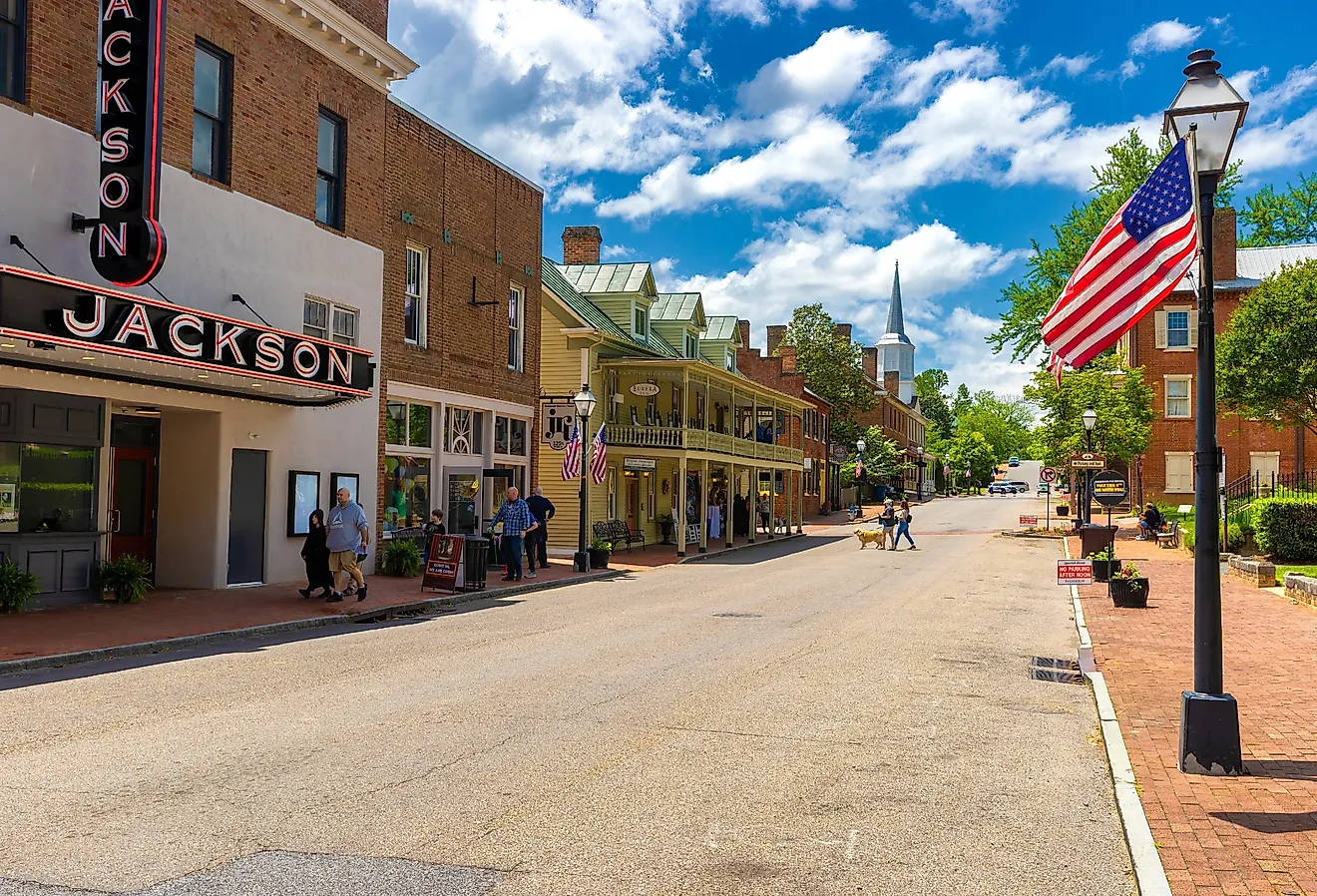
Set along the Lincoln Highway (dubbed “The Loneliest Road in America”) in central Nevada’s Eureka County, Eureka is one of the American West’s well-maintained mining communities. Once a bustling mining center, the town has retained much of its 19th-century character, with many buildings from the past years standing tall on Main Street. The Eureka Opera House, constructed in 1880 and fully renovated in 1993, remains a key landmark in the town's historic downtown district.
The Eureka Sentinel Museum in the 1879 Eureka Sentinel Newspaper Building offers an in-depth view of the newspaper printing press equipment used in the boom days, tools, and personal miner’s items in the mining history room, exhibits on school life in Eureka’s early days. Residents and travelers can stock up on grocery items, fresh-bakery products, frozen food, and livestock supplies at the family-owned Raine’s Market. Those staying overnight can get some rest in the restored Victorian-style bedrooms of the Jackson House Hotel.
Caliente

A small railroad town in southeastern Nevada’s Lincoln County, Caliente, is named for the Spanish term for ‘hot,’ referring to the area's natural hot springs. In the past years, travelers from around the country arrived by train to bathe in these mineral springs. The town's most recognizable landmark, which attests to Caliente’s roots as a rail hub, is the Caliente Station, a two-story Mission Revival-style building built in 1923 by the Union Pacific Railroad, and currently in use as the city hall.
Not far from the historic station is the Caliente Heritage Boxcar Museum, where visitors can see documents, old photographs, and numerous vintage Western boxcars used on the railroad. Just two miles south of town, Kershaw-Ryan State Park sits within the colorful Rainbow Canyon. The park boasts over 250 acres of outdoor area with natural springs, green gardens, shaded picnic areas, campgrounds, and short hiking trails such as the Rattlesnake Loop and the Canyon Overlook Trail.
Ely

The administrative center of White Pine County, Ely, surrounded by wide desert landscapes and mountain ranges, is an ideal starting point for surveying Eastern Nevada’s protected natural areas. Outdoor lovers would not want to miss a drive to Great Basin National Park, a 77,180-acre preserve notable for Wheeler Peak, the 13,065-foot-high summit, the underground formations of Lehman Caves, and ancient groves of bristlecone pines. On the way back to town is Cave Lake State Park, a 32-acre reservoir that offers swimming, boating, trout fishing, and camping year-round. On a similar note, the Ward Charcoal Ovens State Historic Park protects six beehive-shaped stone ovens from the final half of the 19th century, seemingly out of a storybook.
Furthermore, a major attraction of this erstwhile copper mining town is the Nevada Northern Railway Museum, where visitors can see original steam locomotives, many diesel-electric locomotives, historic freight and passenger rail cars, and a large collection of maintenance equipment. Some are even part of regular events, during which they operate for short periods. Overnight stayers must reserve their accommodations in the recently refurbished rooms of the high-end Prospector Hotel & Gambling Hall, which also has a full, round-the-clock slot machine hall.
Lamoille

With around 130 inhabitants, Lamoille is a rustic Elko County community at the terminus of Nevada State Route 227 on the western flanks of the Ruby Mountains. With open ranch lands, sweeping mountain views, and quiet roads, this teeny town in northeastern Nevada feels far removed from the busier parts of the state. Many visitors come here to see the Lamoille Canyon, an approximately 12-mile-long canyon sculpted by glaciers and often called the ‘Yosemite of Nevada.’
The Lamoille Canyon Scenic Byway runs through the canyon, passing cliffs, streams, and alpine lakes, with multiple trailheads along the route leading to shorter walks and longer hikes. In summer, wildflowers cover the meadows, and in fall, the aspen trees turn bright yellow. In town, the Pine Lodge Dinner House has long been a popular gathering place, known for its relaxed mountain lodge ambiance and freshly prepared local flavors.
Winnemucca

Winnemucca, named for the local Northern Paiute tribal chief, is Humboldt County’s lone incorporated community and its administrative capital. Styled as the ‘Friendliest Town in Nevada,’ Winnemucca invites one and all with spirited cowboy culture, Basque cuisine, and easy access to outdoor activities. The Buckaroo Hall of Fame & Heritage Museum in Downtown Winnemucca’s Visitor Center introduces visitors to the buckaroo culture through a lovely display of traditional working gear, western memorabilia, photographs, paintings, and sculptures.
Get a closer look at the sets of Columbian mammoth bones unearthed close to the Black Rock Desert, old automobiles, artifacts, and local memorabilia at the Humboldt Museum. Before retiring in the comfy beds of the Scott Shady Court Motel at the end of an exhausting day, shop for fashionable and affordable women’s clothing from the Tapestry Boutique and try authentic Basque dishes served at the Martin Hotel.
Incline Village

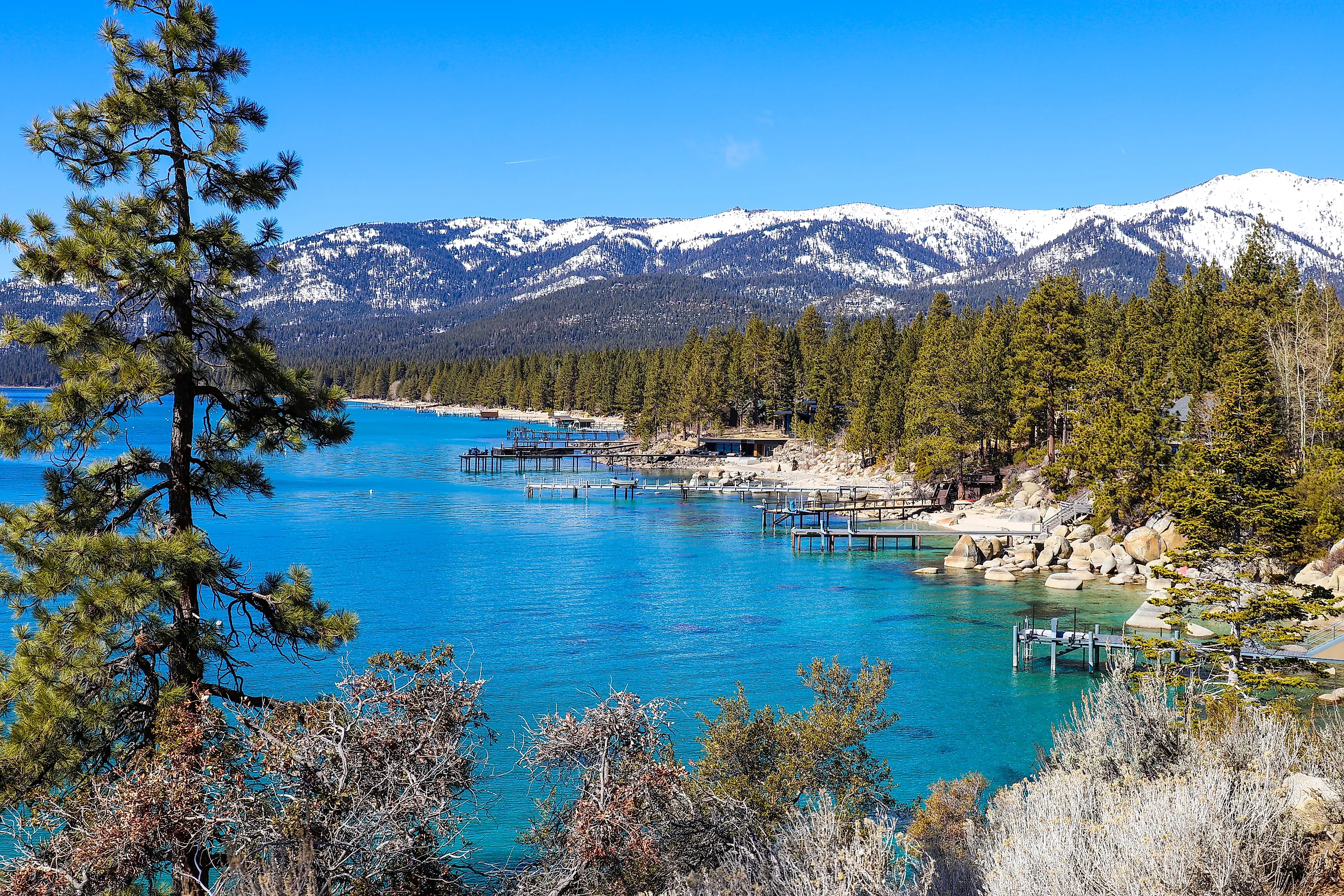
A part of the Reno-Sparks Metropolitan Statistical Area, Incline Village is an upscale census-designated place set on the northern shores of Lake Tahoe in Washoe County. The settlement takes its name from an incline railway formerly used by the Sierra Nevada Wood & Lumber Company. At present, the town’s expensive real estate has made it a base for wealthy residents residing in California and Southern Nevada.
At the Lake Tahoe-Nevada State Park, visitors can engage in ample activities thanks to the gently sloping beaches, hiking trails, rock formations, picnicking facilities, and immaculate waters of North America’s biggest alpine lake. Golfers can hit balls at the Incline Village Championship Golf Course, while skiers, in winter, get to slide down the slopes at the Diamond Peak Ski Resort. For those looking for a comfortable stay close to the lake, the Hyatt Regency Lake Tahoe Resort Spa & Casino is a preferred pick.
A Story To Tell In Nevada’s Small Towns
The storybook towns in Nevada show that the state offers far more than the casinos of Las Vegas and the bustle of Carson City. From Virginia City’s former mines, wooden boardwalks, and old saloons on C Street that recall its mining days, to the lakeside setting of Incline Village, these communities each tell a different part of Nevada’s past. Travelers looking for small towns with scenic surroundings, interesting history, and welcoming local spots to eat or explore will find plenty to enjoy in these places, whether stopping for a short visit or staying a little longer.