8 North Carolina Towns That Rival Europe's Best
Some North Carolina towns look like they took a wrong turn out of Europe. New Bern was founded by Swiss immigrants who named it after their hometown. Bath was named after Bath in England and was the state's first town a century before there was a state. Highlands sits 4,000 feet up in cool mountain air that wouldn't feel out of place in central Europe and Tryon has been horse country since people started writing letters about it in French. These eight towns each pulled a thread from somewhere across the Atlantic and wove it into a small main street or harbor or hillside. The result is a North Carolina road trip that sometimes feels like it shouldn't be.
New Bern

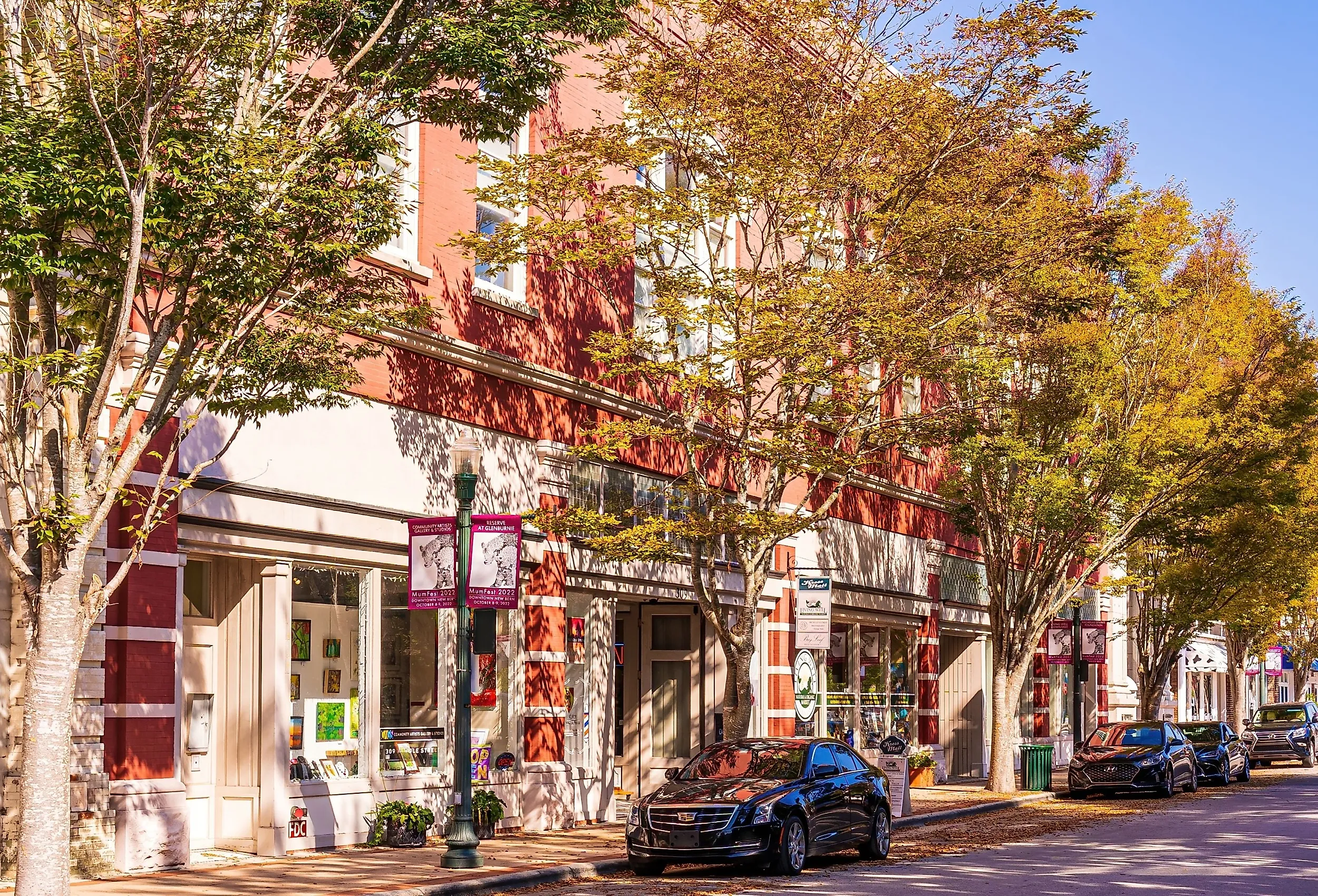
New Bern was founded in 1710 by Swiss and German immigrants, and that heritage still shapes the city today. The name comes from Bern, the capital of Switzerland, and the historic district holds one of the largest concentrations of pre-Revolutionary architecture in the state. New Bern is also where Pepsi-Cola began: pharmacist Caleb Bradham mixed up the original recipe at his drug store on Pollock Street in 1898 under the name Brad's Drink.

Tryon Palace is the obvious first stop, a reconstructed colonial governor's residence with period rooms and 14 acres of formal gardens. The North Carolina History Center next door covers the eastern half of the state through interactive exhibits. Persimmons Waterfront Restaurant works for a meal with river views, and Baker's Kitchen handles breakfast and pastries. The Bank of the Arts runs rotating exhibitions in a converted Beaux-Arts building, and Union Point Park sits where the Trent meets the Neuse for a quiet walk along the water.
Blowing Rock

Blowing Rock sits at 4,000 feet in the Blue Ridge Mountains and takes its name from the cliff face that overlooks Johns River Gorge, where an upward draft off the rocks below is strong enough to push snow and light objects back over the lip. The walkable village core, the cool climate even in August, and the alpine architecture put the town much closer to the European hill country than its zip code suggests.

The Blowing Rock Art and History Museum (BRAHM) covers regional art and the town's resort-era history. Moses H. Cone Memorial Park sits a short drive north on the Blue Ridge Parkway with 25 miles of carriage trails through the Cone family's former summer estate, including the 1901 Flat Top Manor. Storie Street Grille is the main sit-down dinner anchor on Main Street. Six Pence Pub leans straight British: shepherd's pie, fish and chips, and a sizable cask-ale program. Boutiques like The Last Straw fill in the rest of the strolling.
Highlands

Highlands sits at 4,118 feet in the southern Appalachians, the highest incorporated town east of the Mississippi. Founders Samuel Kelsey and Clinton Hutchinson laid the town out in 1875 by drawing a line from Chicago to Savannah and another from New York to New Orleans, betting (incorrectly) that the intersection would put Highlands at the heart of a future trade network. The town never became the crossroads, but the elevation produced something better: a cool-climate cultural enclave with galleries, gardens, and the kind of dining you would expect three states north.
The Bascom is the visual-arts anchor on a six-acre campus with a rebuilt 19th-century covered bridge. Mountain Theatre Company stages professional summer productions at the Highlands Performing Arts Center. Madison's Restaurant and Wine Garden, inside the Old Edwards Inn, is the upscale dinner anchor in town. Sunset Rock is a 10-minute walk from Main Street and gives the cleanest view of the town and the Blue Ridge beyond it. The Highlands Biological Station's Botanical Gardens cover native flora of the Blue Ridge Escarpment on a self-guided trail loop.
Mount Airy

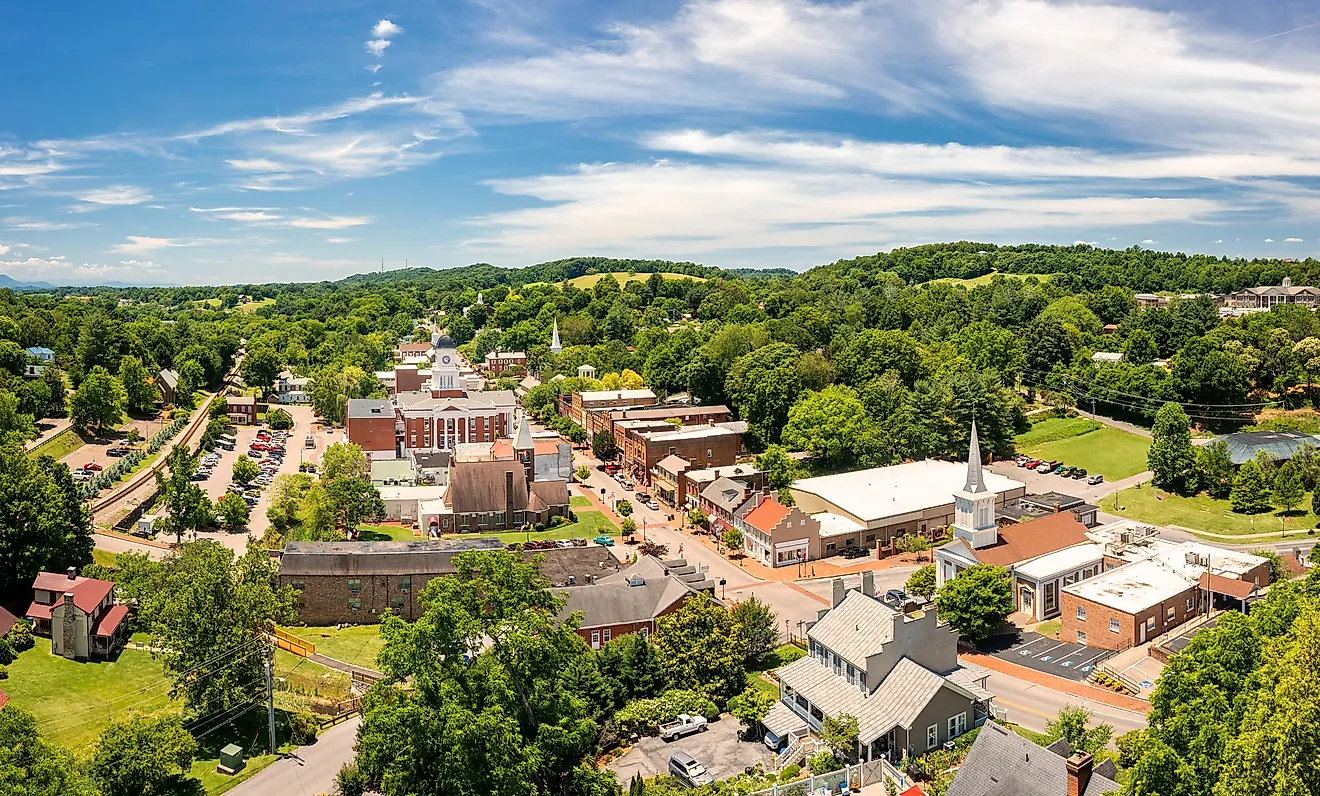
Mount Airy is the inspiration for Mayberry from "The Andy Griffith Show," which gives it a different European parallel: the closely held small-town center where everyone reads the same paper and runs into each other at the same hardware store. The town is also where the granite industry meets the Blue Ridge: the North Carolina Granite Corporation quarry on the north side of town is the largest open-face granite quarry in the world, with a working face that has been cutting stone since 1889.
The Andy Griffith Museum runs through the actor's career with scripts, costumes, and the actual squad car. Snappy Lunch on Main Street has been pressing pork chop sandwiches since 1923 and is the rare diner Andy Griffith mentioned by name on his own show. Pilot Mountain State Park sits 20 miles south, with the namesake quartzite knob rising 1,400 feet straight off the Piedmont and a Summit Trail loop for the day-hike crowd.
Beaufort

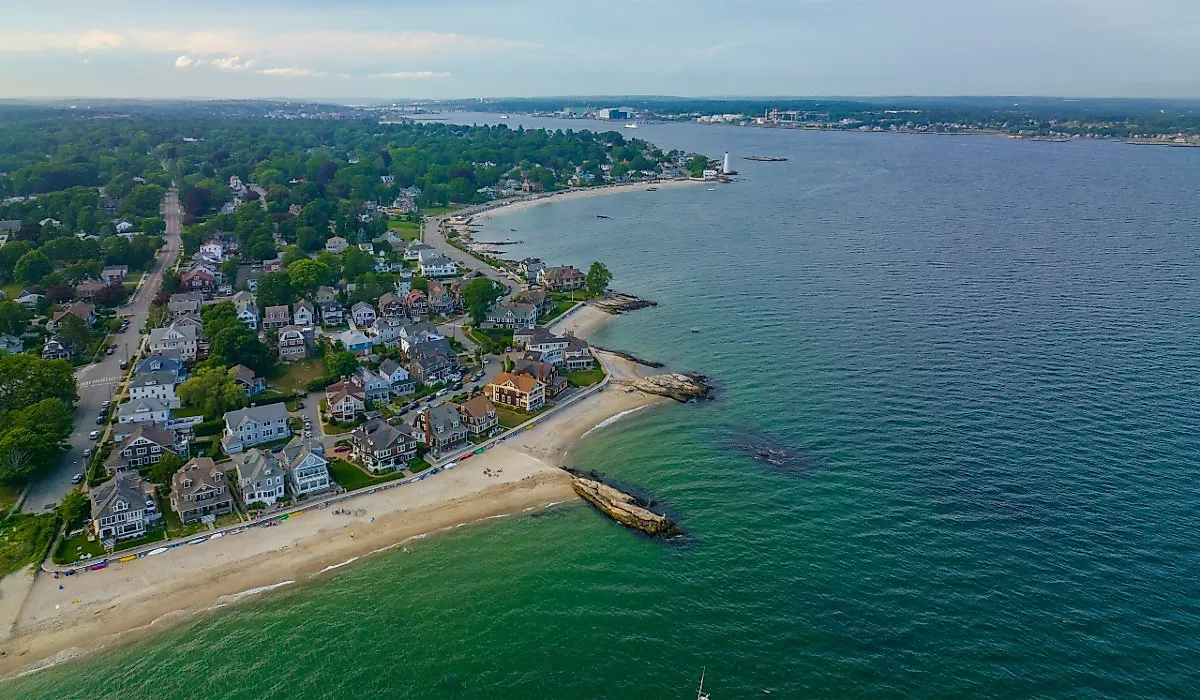
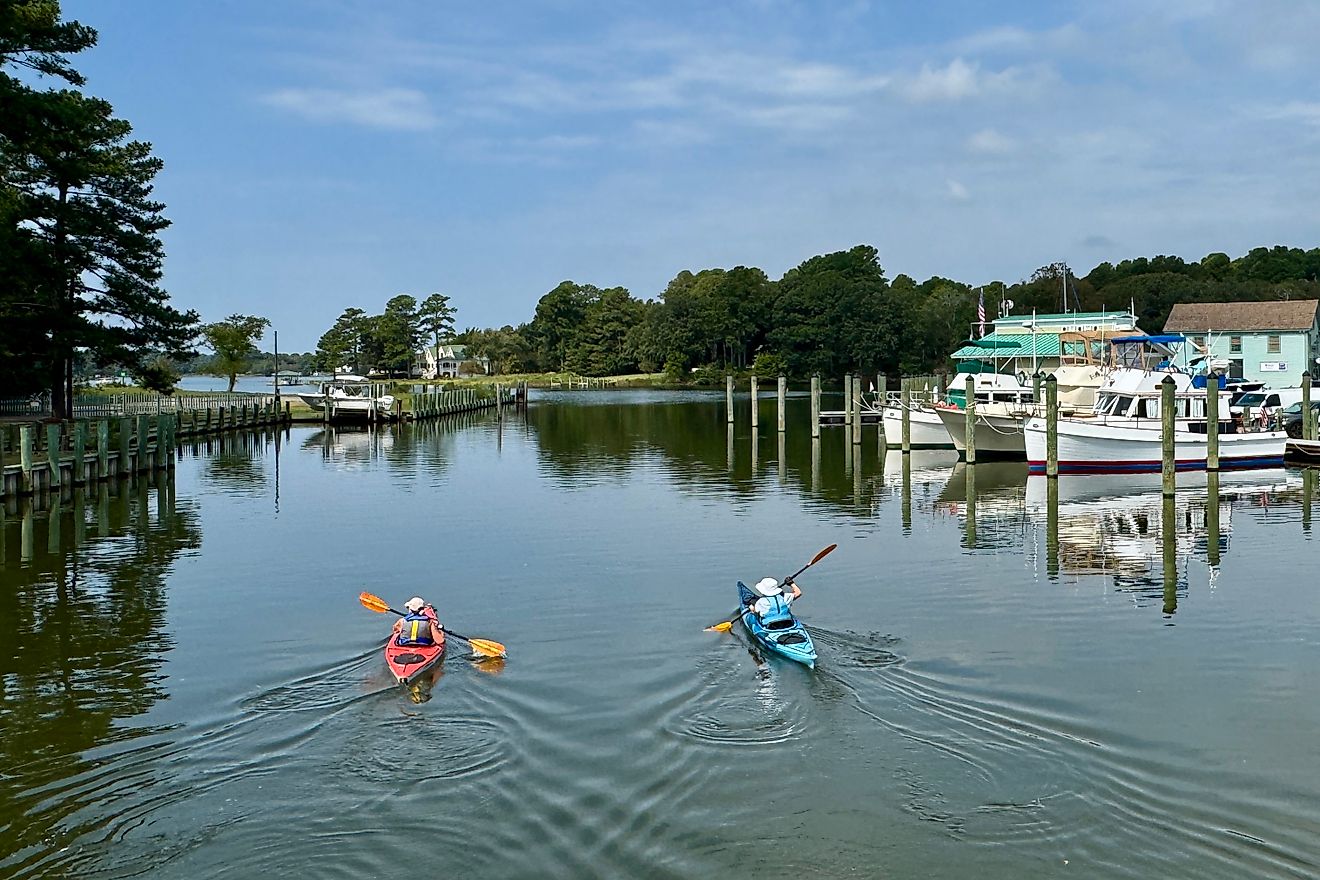
Beaufort is North Carolina's third-oldest town, established in 1709 and named for Henry Somerset, 2nd Duke of Beaufort. The town grew on maritime trade, fishing, and shipbuilding, and the harbor on Taylor's Creek still runs working watercraft alongside the pleasure boats. The waterfront, the historic homes along Front Street, and the Old Burying Ground (with graves dating to the early 18th century) carry the small-port atmosphere a place like Padstow or Burnham-on-Crouch holds onto.

The North Carolina Maritime Museum is the strongest stop in town, with the recovered artifacts from Blackbeard's Queen Anne's Revenge (which ran aground off Beaufort Inlet in 1718) as the headliner. Beaufort Grocery Company is the established dinner pick on Queen Street. The Rachel Carson Reserve sits across Taylor's Creek and is reached by a 5-minute ferry; the spit holds a free-roaming herd of feral horses descended from livestock left there generations ago.
Davidson

Davidson sits on the eastern shore of Lake Norman and is built around Davidson College, a small liberal arts school established in 1837 that has put 23 Rhodes Scholars through its program. The compact, walkable layout, the brick campus buildings, and the way the academic and town calendars overlap give Davidson the rhythms of a small European university town more than the suburban sprawl of the surrounding Charlotte metro.

Main Street Books has been the independent bookstore on the strip since the late 1990s and runs a steady reading and signing calendar. Kindred is the dinner reservation worth booking ahead, run by chef Joe Kindred and consistently ranked among the better restaurants in the state. Summit Coffee on the same block draws students, professors, and locals to the same tables most mornings. The Davidson Farmers Market on Saturday mornings, May through November, anchors the social weekend.
Bath

Bath was incorporated in 1705 and is North Carolina's oldest town, named for John Granville, the Earl of Bath, with the namesake link back to Somerset already in place. The town never grew large (the population today is under 250) and that is exactly the appeal: a colonial-era waterfront village that essentially stopped expanding two centuries ago. Blackbeard kept a house in Bath in 1718 and was killed not long after off nearby Ocracoke Inlet, which gave the town a pirate folklore that locals still talk about.

Historic Bath State Historic Site runs guided tours through the 1751 Palmer-Marsh House and the 1830 Bonner House, both furnished to period. St. Thomas Episcopal Church (the present brick building was completed in 1734) is the oldest church building in the state still in use. The Old Town Country Kitchen handles a casual lunch, and Bonner's Point at the end of Front Street looks straight across Bath Creek.
Tryon

Tryon sits in the thermal belt at the edge of the Blue Ridge foothills, where a quirk of mountain air keeps frost rare and the riding season long. The town built its identity around horses in the 19th century and never let it go. F. Scott Fitzgerald spent stretches of 1935 through 1937 at the Oak Hall hotel here while Zelda was hospitalized in nearby Asheville, and the local literary tradition pre-dates and outlasts him.

The Tryon International Equestrian Center in nearby Mill Spring is a 1,600-acre venue that hosted the 2018 World Equestrian Games and runs hunter-jumper, dressage, and eventing competitions through most of the year. Huckleberry's Tryon on North Trade Street covers the artisanal end of dining with private chef bookings and seasonal takeout. The Tryon Fine Arts Center runs concerts, exhibitions, and a weekly summer film series. The Lanier Library, opened in 1889, is one of fewer than 20 historic membership libraries still operating in the country.
The thread connecting these eight towns is older than the state itself: settlers brought the place names, the architecture, and the institutions they knew, and the hill country, the coast, and the mountains gave them somewhere to take root. New Bern carries the Swiss founding. Bath carries the English one. Highlands and Blowing Rock have the alpine elevation; Beaufort and Bath have the working harbors; Davidson has the small-college rhythm; Tryon has the equestrian belt. Eight different threads, one weekend itinerary that doesn't require a flight.