The American Dams Too Expensive To Remove
Blowing up Hoover Dam would be the easy part. Engineers could breach even a 726-foot wall of concrete if it came to that. What stops anyone is the bill that arrives afterward, because Lake Mead holds nearly 29 million acre-feet behind that wall, and Arizona, Nevada, and California depend on the water and power it anchors. Glen Canyon and Grand Coulee sit at the center of systems just as tangled. Studies of the largest American dams rarely bother pricing the demolition itself, because the real cost is rebuilding everything that grew up around them, and for some of these dams that reaches well into the billions of dollars.
Hoover Dam, Colorado River, Nevada-Arizona
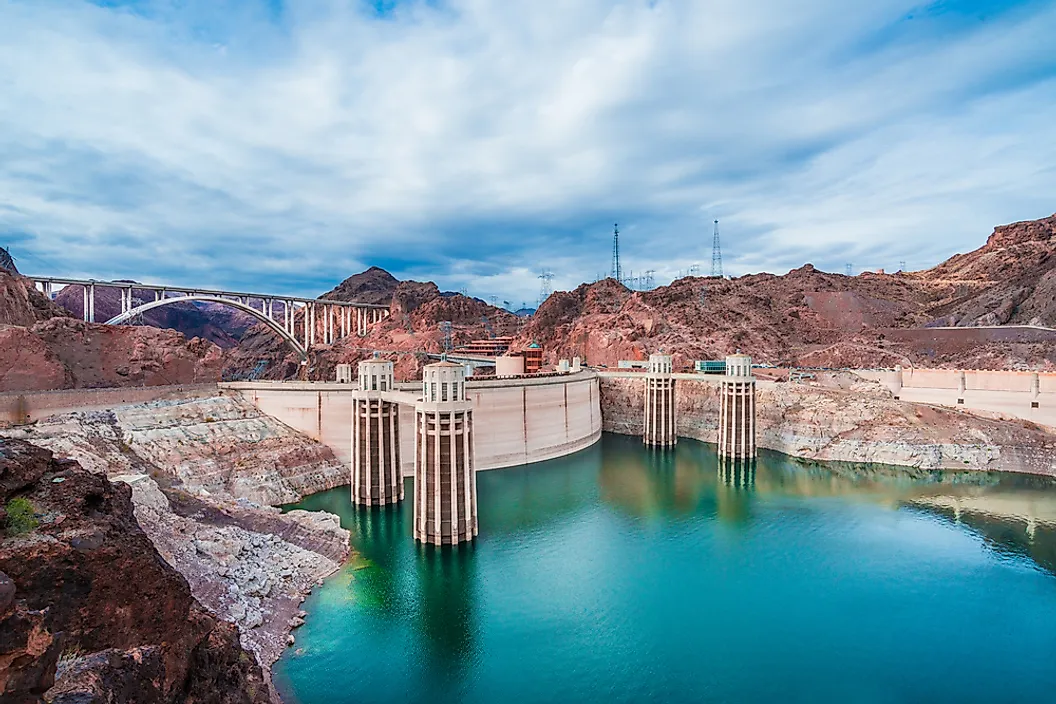
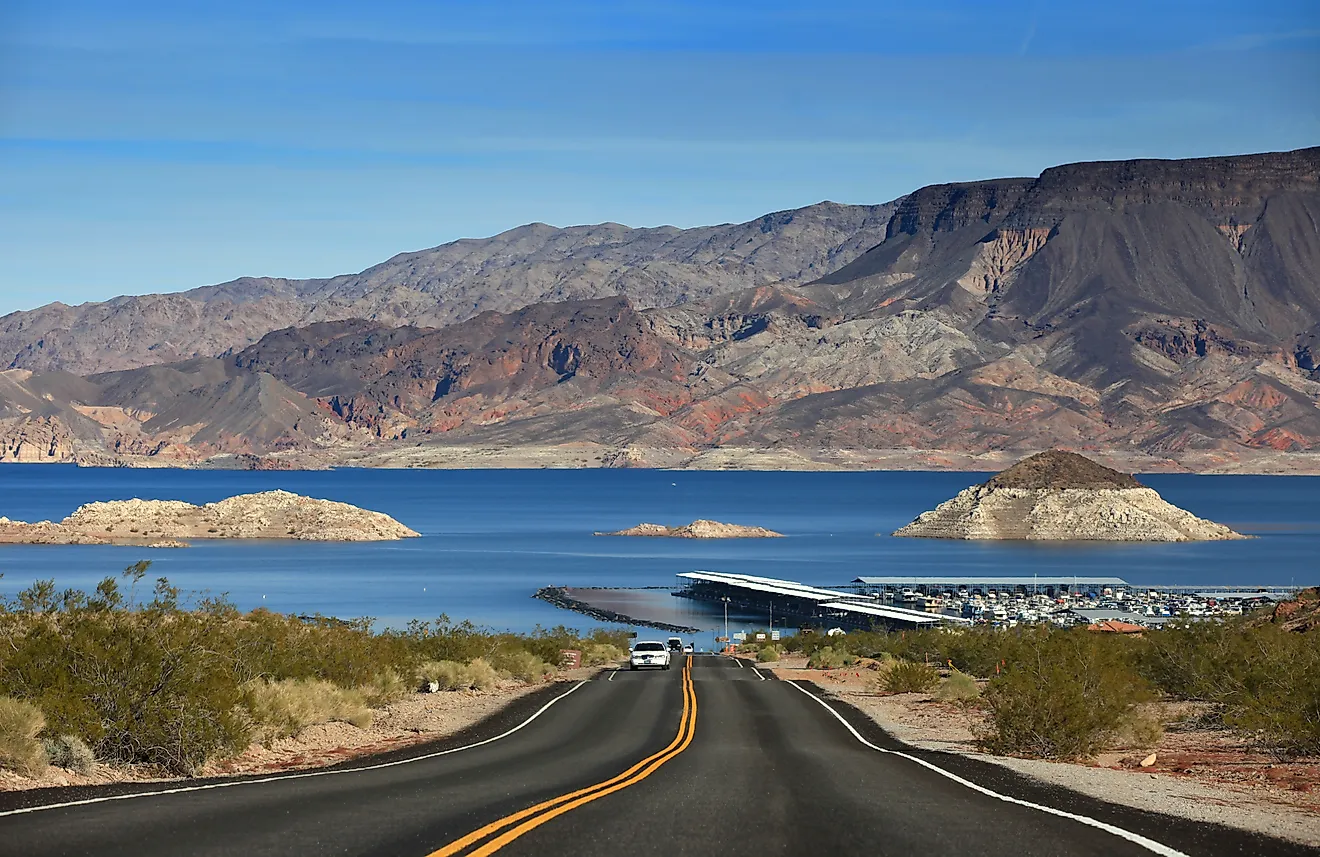
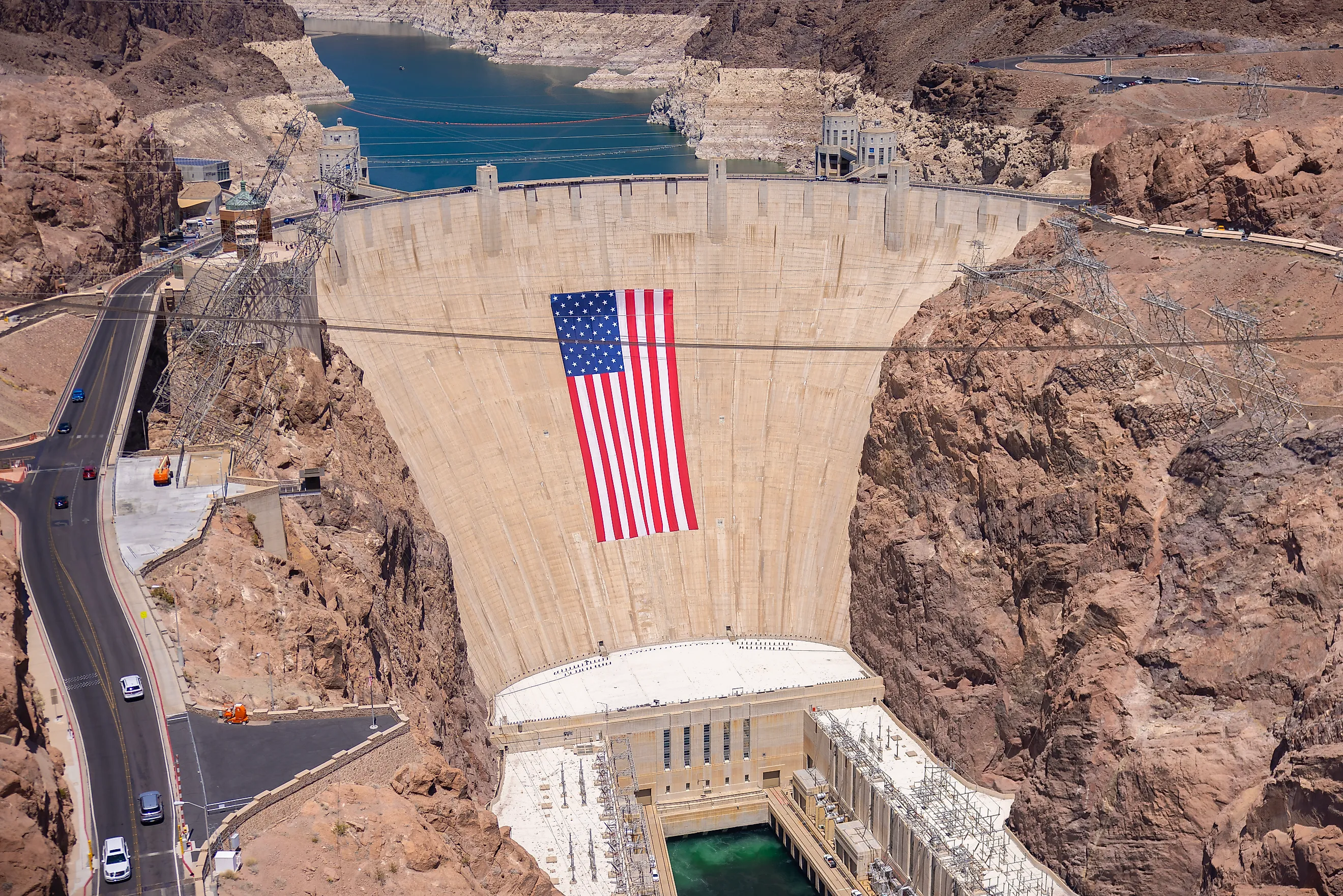
Hoover Dam rises 726 feet above its foundation and contains about 4.4 million cubic yards of construction material. Behind it sits Lake Mead, which can hold nearly 29 million acre-feet of water when full. That reservoir is one of the major storage points on the Colorado River, allowing water accumulated in wetter years to be carried into dry ones. Hoover also generates hydroelectricity and helps regulate flows downstream. Together with Davis and Parker dams, the Bureau of Reclamation's Lower Colorado facilities deliver an average of about 9 million acre-feet of water annually to users in Arizona, Nevada, and California, plus water delivered to Mexico.
There is no official multibillion-dollar price tag for removing Hoover Dam because the federal government is not pursuing such a project. The scale of what would have to be replaced is the real obstacle. Losing Lake Mead would radically change how water is stored and released across the Lower Colorado River, while Hoover's electricity and river-control functions would have to be handled elsewhere. Water agreements involving states, tribes, irrigation districts, cities, and Mexico have developed around this system for decades. Taking out the concrete would therefore be only one part of an enormous and expensive reworking of the river.
Glen Canyon Dam, Colorado River, Arizona

Glen Canyon Dam has attracted something Hoover rarely does: serious proposals to stop using its reservoir in its current form. The 710-foot dam creates Lake Powell, which can store 25.16 million acre-feet of water when full. The structure contains roughly 5.37 million cubic yards of concrete, while its eight generators have a combined capacity of 1,320 megawatts. Lake Powell also provides long-term storage within the Colorado River system, holding water that can be released during drier periods.
Draining Lake Powell or bypassing Glen Canyon Dam would leave several expensive problems behind. New arrangements would be needed for water storage and delivery, while lost hydropower would have to be replaced elsewhere on the grid. Then there is sediment. Rivers have deposited sand and silt in the reservoir for more than half a century, and exposing or moving that material would change conditions downstream. Some proposals call for bypass tunnels rather than demolishing the entire concrete dam, which shows how unusual this case is. The difficult part is less about whether the wall can be broken apart and more about rebuilding a Colorado River system that has operated around Lake Powell since the 1960s.
Grand Coulee Dam, Columbia River, Washington
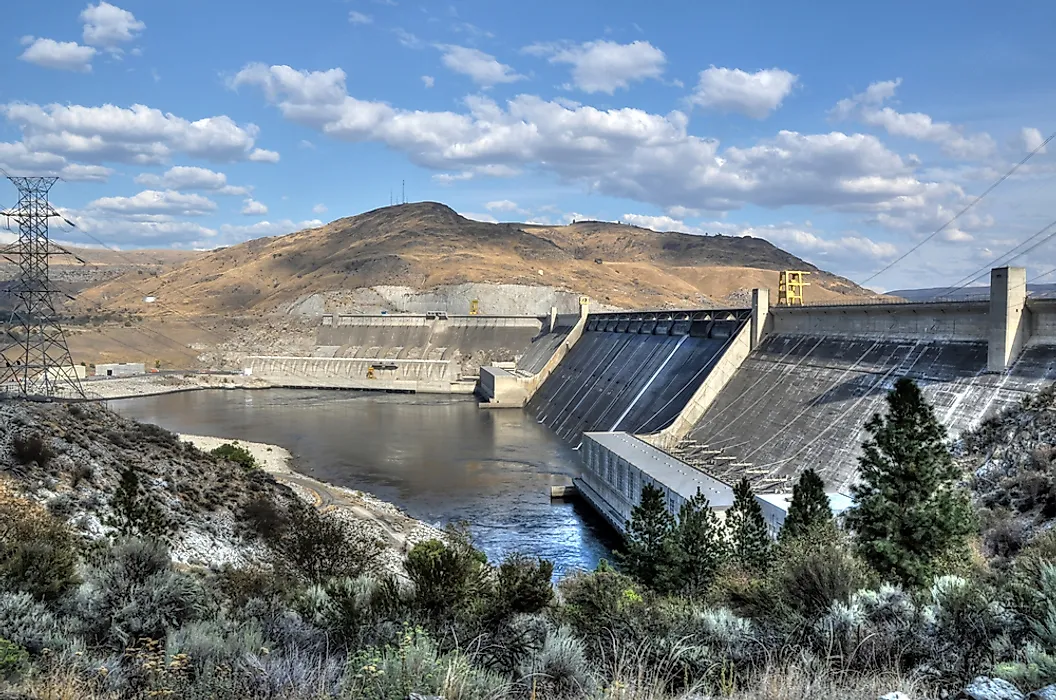
Grand Coulee Dam is tied to such a large network that removing it would affect far more than one stretch of the Columbia River. Its powerplants have more than 6,809 megawatts of generating capacity and can produce up to roughly 21 billion kilowatt-hours of electricity. Grand Coulee also anchors the Columbia Basin Project, whose canals, reservoirs, pumps, and other facilities irrigate roughly 680,000 acres of Washington farmland. The dam operates within the larger federal hydropower system that supplies about 35% of the Pacific Northwest's electricity. Any removal scheme would therefore need answers for several problems at once: replacement electricity, irrigation water, flood management, river operations, and the future of Franklin D. Roosevelt Lake. There is no authoritative estimate showing what complete removal would cost, but dismantling one of North America's largest concrete structures would be only the beginning. Replacing the water infrastructure and power services attached to it would be the much larger challenge.
O'Shaughnessy Dam, Tuolumne River, California

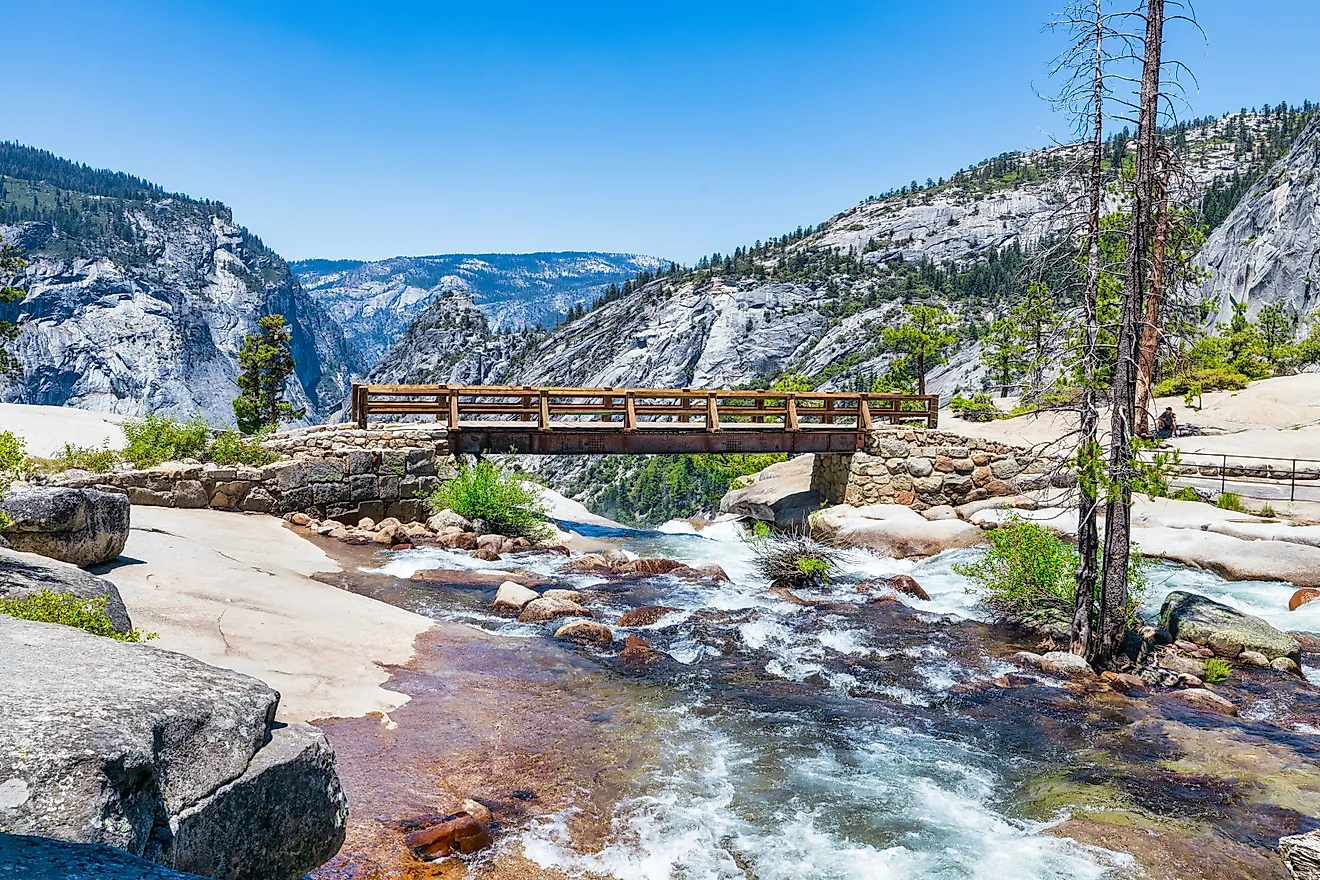
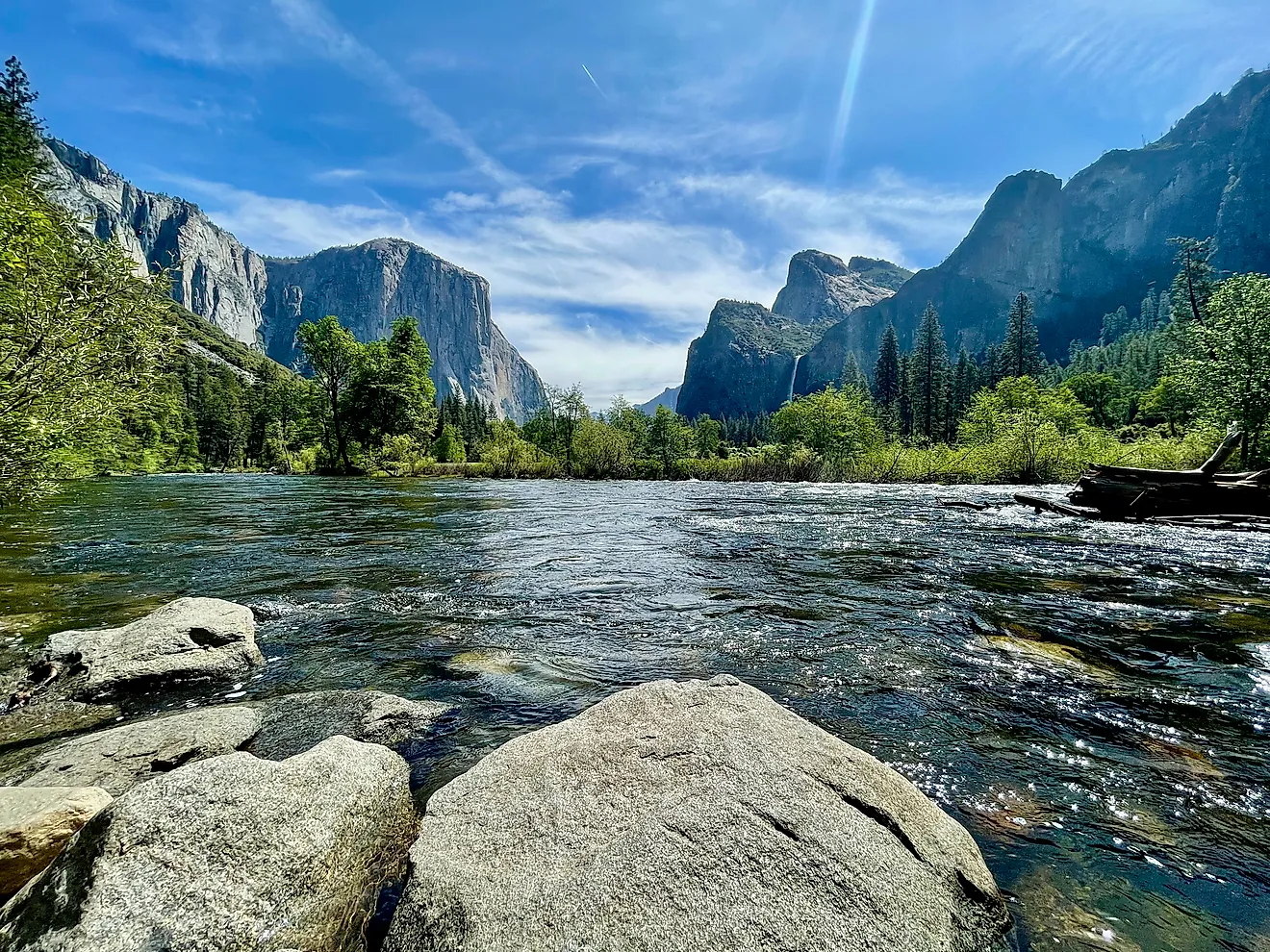
O'Shaughnessy Dam offers something the largest western dams do not: an actual attempt to calculate what removal and replacement could cost. The 312-foot concrete dam floods Hetch Hetchy Valley inside Yosemite National Park, creating a reservoir that forms an important part of San Francisco's water system. Proposals to drain the reservoir and restore the valley have circulated for decades, leading California to examine what would be required if the dam disappeared.
The state's 2006 Hetch Hetchy Restoration Study estimated $250 million to $915 million for modifying or removing the dam itself. That was the smaller number. Water replacement was estimated at roughly $1.1 billion to $4.3 billion, with another $560 million to $820 million for power replacement. Once environmental work, engineering, administration, valley restoration, and other expenses were included, the conceptual total reached about $3 billion to $9.8 billion. California cautioned that much more study would be needed before those numbers could become a project budget. Even so, Hetch Hetchy makes the central problem unusually clear: getting rid of the dam could cost hundreds of millions, while replacing the system built around it could cost several times more.
Lower Snake River Dams, Washington

Four dams on Washington's lower Snake River have become one of America's most closely studied examples of how expensive breaching a working dam system can become. Ice Harbor, Lower Monumental, Little Goose, and Lower Granite dams generate electricity while creating more than 100 miles of navigable river between Lewiston, Idaho, and the Tri-Cities area of Washington. Their reservoirs also support irrigation withdrawals. At the same time, the dams have long been at the center of efforts to improve conditions for Snake River salmon and steelhead, making breaching proposals the subject of decades of technical studies and political debate.
The staggering figures attached to the proposal are not simply demolition bills. A 2026 Congressional Research Service review found estimates ranging from roughly $10 billion to $31 billion for replacing the benefits provided by the four dams, with electricity generation and grid services accounting for much of the total. An earlier Washington study estimated $10.3 billion to $27.2 billion and warned that some necessary costs still could not be calculated. Railroads and highways would need to absorb freight now carried by barges, irrigation equipment would require modifications, and replacement electricity would have to be operating before the dams were breached. Congress would also have to authorize breaching. Few examples show more clearly how removing a dam can be cheaper than dealing with everything that comes afterward.
The Hidden Costs

The most expensive part of removing a major American dam is not always the dam. Concrete can be cut, blasted, excavated, and hauled away. The harder expenses appear once the reservoir starts disappearing. Power has to come from somewhere else. Irrigation pumps may no longer reach the water. Barges can lose their navigation route. Sediment accumulated over decades suddenly has to be managed, and cities may need new reservoirs, tunnels, pipelines, or treatment facilities. O'Shaughnessy and the Lower Snake River dams have studies that put those wider costs into the billions, while Hoover, Glen Canyon, and Grand Coulee show the extraordinary scale of the systems that would have to be untangled. None is physically impossible to remove. Their real defense is the enormous amount of infrastructure that has grown around them.