How Much Water The Colorado River Has Lost Since 2000
Since the year 2000, the Colorado River has been quietly living beyond its means, handing out more water than nature returns to it. So how much has it actually lost? The number is genuinely staggering, but the full story is more complicated, and a good deal less doom-laden, than the "the West is running dry" headlines suggest. Here is what has vanished since 2000, laid out calmly.
The Two Big Reservoirs

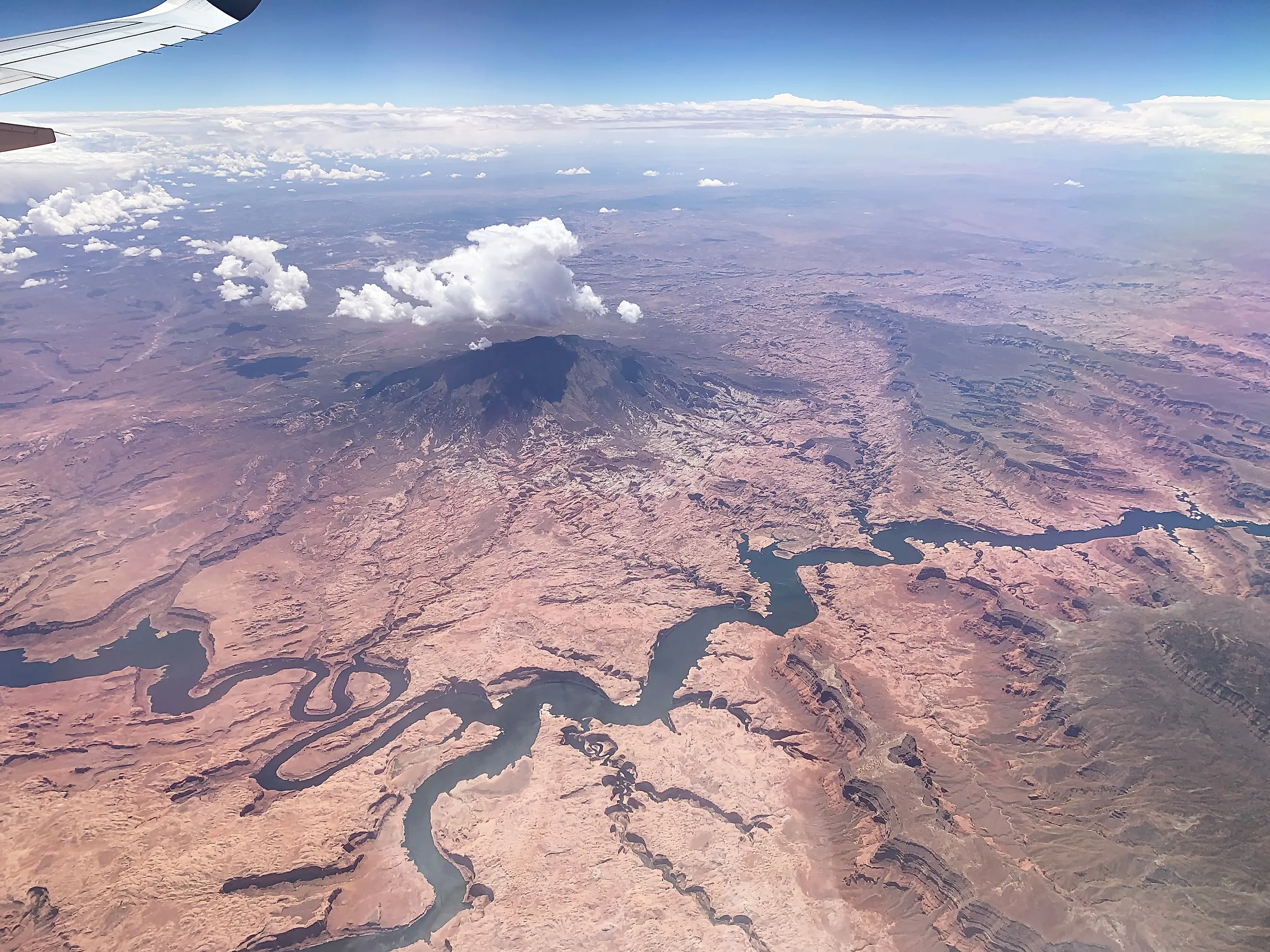
Start with the part you can actually see: the white "bathtub rings." Between 2000 and today, Lake Mead and Lake Powell, the two largest reservoirs in the country, have lost roughly 33.5 million acre-feet of stored water. Since a single acre-foot is about 326,000 gallons, that works out to nearly 11 trillion gallons, more than an entire Lake Mead's worth of water drained out of the system's savings account. Both reservoirs sat close to full in 2000. They have spent much of the two decades since hovering somewhere between a quarter and a third full.
The Hidden Loss Underground

Here is the part most people miss, precisely because you cannot see it. As the reservoirs dropped, farms and cities leaned harder on their wells, pulling water out of underground aquifers instead. NASA's GRACE satellites, which weigh water by detecting tiny changes in Earth's gravity, found that the basin has quietly lost even more water underground than it has from its famous reservoirs, on the order of 28 million acre-feet of groundwater since 2003, more than twice the reservoir decline. That distinction matters, because a reservoir can refill in a wet winter. Groundwater, once pumped out, does not come back on any timescale a human will live to see.
The Total Since 2000

Add it all together, above ground and below, and the totals climb quickly. One NASA-based study calculated that the basin lost about 53 million acre-feet of total freshwater in under a decade, close to two full Lake Powells or Meads, with more than three-quarters of that coming from groundwater. A separate study pinned a specific slice of the blame on warming alone: climate change, through hotter air and thirstier soils and plants, has accounted for the loss of more than 10 trillion gallons since 2000, an amount roughly equal to one entire Lake Mead all by itself.
A Shrinking Flow

The river is not just drawing down its storage, it is simply carrying less water to begin with. Since 2000, the Colorado's flow has run roughly 20 percent below its 20th-century average, and the stretch since is now regarded as the driest period the American Southwest has seen in about 1,200 years. Heat is a major culprit: researchers estimate the river loses somewhere around 9 percent of its flow for every additional degree Celsius of warming, as more water evaporates and parched soils and forests drink up the rest. The river was famously over-promised on paper a century ago, and now it is delivering less than even its true long-term average.
The Bigger Picture

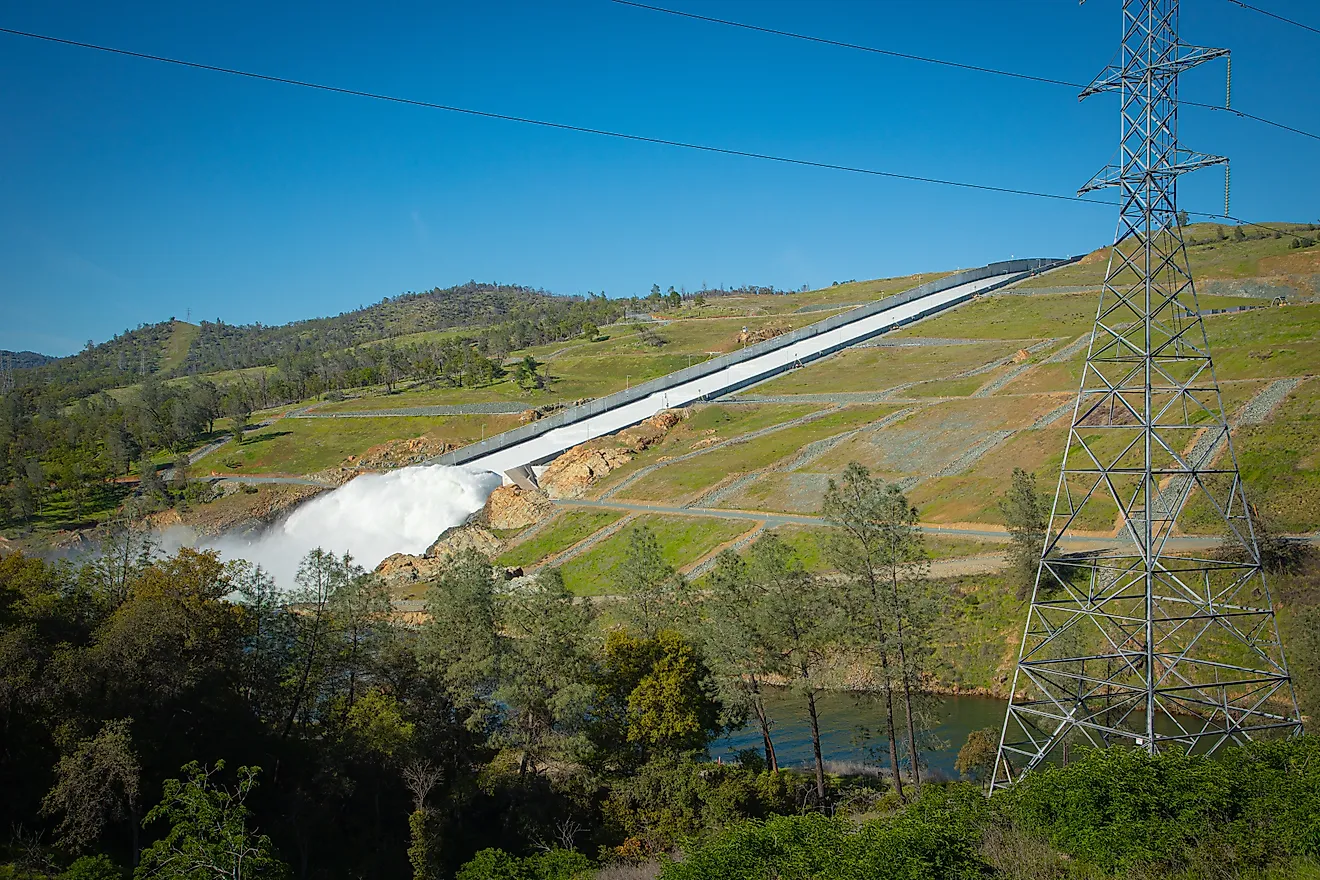
Now for the calmer truth, because the Colorado is not "dead." It still flows, still spins the turbines inside the Hoover Dam, and still supplies water to roughly 40 million people across seven states. Nature can also push back: the wet winter of 2023 dumped enough snow to noticeably refill Mead and Powell and buy the region some breathing room. On top of that, the basin states, tribes, and Mexico have hammered out real conservation deals, pulling millions of acre-feet of demand off the table to slow the decline. The losses since 2000 are large, and the groundwater piece may well be permanent, but this is a chronic, manageable problem rather than an overnight catastrophe. The river is shrinking, not disappearing, and how gracefully the Southwest adapts will end up mattering far more than any single alarming number.