The Cities That Depend On The Colorado River
The Colorado River quenches the thirst of roughly 40 million people across the American West, and a startling number of major cities simply could not function without it, including several that sit nowhere near its banks. In fact, about 70 percent of the people who drink Colorado River water live outside the river's own basin, pulling it in through hundreds of miles of aqueducts and tunnels. Here are the cities that lean hardest on the hardest-working river in the West.
Las Vegas, Nevada

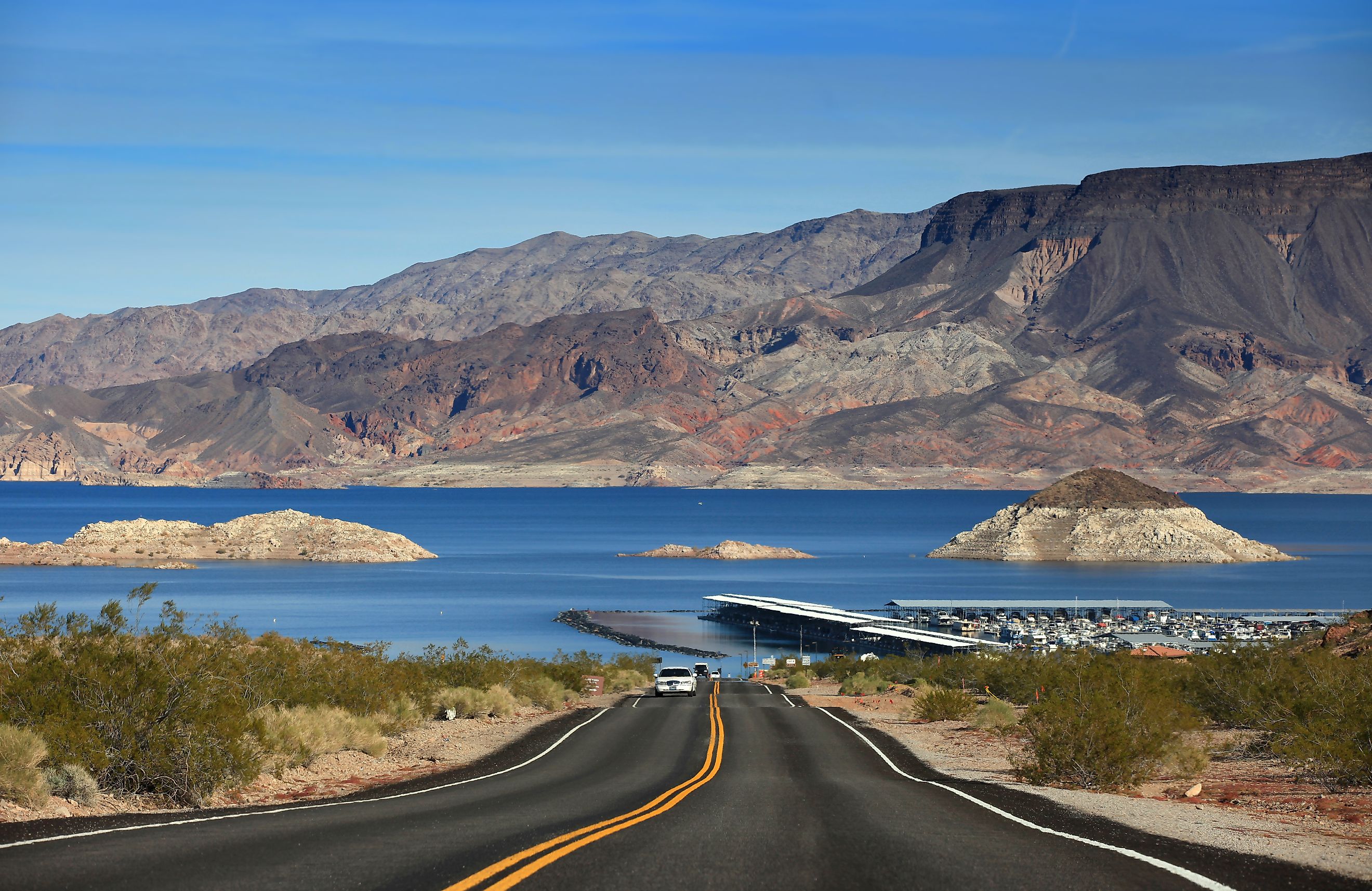
No major American city is more dependent on the Colorado River than Las Vegas. Sin City pulls roughly 90 percent of its water straight out of Lake Mead, the giant reservoir behind Hoover Dam just downstream. Nevada holds the smallest water allocation of any state on the river, so Las Vegas has become almost fanatical about conservation, recycling around 85 percent of its indoor wastewater back into Lake Mead and famously paying residents to tear out their grass lawns. When Lake Mead drops, Las Vegas feels it first, and feels it worst.
Phoenix, Arizona

The largest city sitting inside the Colorado River basin, Phoenix draws roughly 40 percent of its water from the river, delivered across the desert by the 336-mile Central Arizona Project canal. That canal water happens to be the lowest-priority supply on the entire river, which means Phoenix is first in line for cutbacks whenever shortages hit. It is a real vulnerability, and one the fast-growing metro has spent decades quietly preparing for by leaning on other supplies.
Tucson, Arizona

Down that same canal, Tucson leans heavily on Colorado River water too, and it does something clever with it. Rather than pipe the water straight to people's taps, the city pumps much of its Colorado allotment into the ground to recharge its aquifers, then draws it back out as needed. For a desert city that once ran almost entirely on groundwater, the distant river has become an absolutely essential lifeline.
Los Angeles, California

Los Angeles sits more than 240 miles from the Colorado River, yet the river remains a key piece of its water portfolio. Since the 1930s, LA and its neighbors have imported Colorado water through the Colorado River Aqueduct, a 242-mile engineering marvel of open canals, pumping plants, and tunnels that hauls the water up over mountains and across open desert. Taken as a whole, California draws more Colorado River water, and serves more people with it, than any other state on the river.
San Diego, California

Further south, San Diego is one of the most Colorado-dependent big cities in California. With very little local water of its own, the region has historically relied on imported supplies, a large share of it Colorado River water routed through Southern California's vast delivery network. In recent decades, San Diego has scrambled to diversify, adding a major seawater desalination plant and ramping up recycling, precisely because leaning so hard on a distant, overstretched river is a nerve-wracking bet.
Denver, Colorado

Here is the twist that surprises almost everyone. Denver sits on the east side of the Continental Divide, in a completely different watershed, and yet it collects about half of its drinking water from the Colorado River. The city gathers that water from the river's headwaters on the western slope and pipes it through tunnels bored straight beneath the Rocky Mountains. These "transmountain diversions" quite literally move part of a river across the roof of the continent to reach the taps of the Front Range.
Albuquerque, New Mexico

Albuquerque completes the picture of just how far the river's reach really extends. The New Mexico city taps Colorado River water through the San Juan-Chama Project, which diverts water from tributaries in the Colorado basin and sends it through the mountains into the Rio Grande watershed. Like Denver, Albuquerque is effectively drinking from a river whose actual channel it never touches. From the neon of the Vegas Strip to the suburbs of Denver, tens of millions of people owe their morning glass of water to a single, overworked river, and a great many of them have never even laid eyes on it.