5 Most Snake-Filled Bodies Of Water In Colorado
Lake Pueblo's 60 miles of shoreline support coachwhips that can outrun a sprinting human and the occasional rattlesnake under streamside debris. The Arkansas River corridor holds northern watersnakes through its lower stretches plus the black-necked garter snake at the northern edge of its range. Boyd Lake near Loveland has produced bull snakes large enough that Colorado Parks and Wildlife has relocated them off the swim beach. Of Colorado's roughly 30 snake species, most encounters along the state's lakes and rivers turn out to be harmless garter snakes or watersnakes. The five bodies of water ahead each carry documented snake populations worth knowing about before heading out for a paddle or a swim.
Lake Pueblo

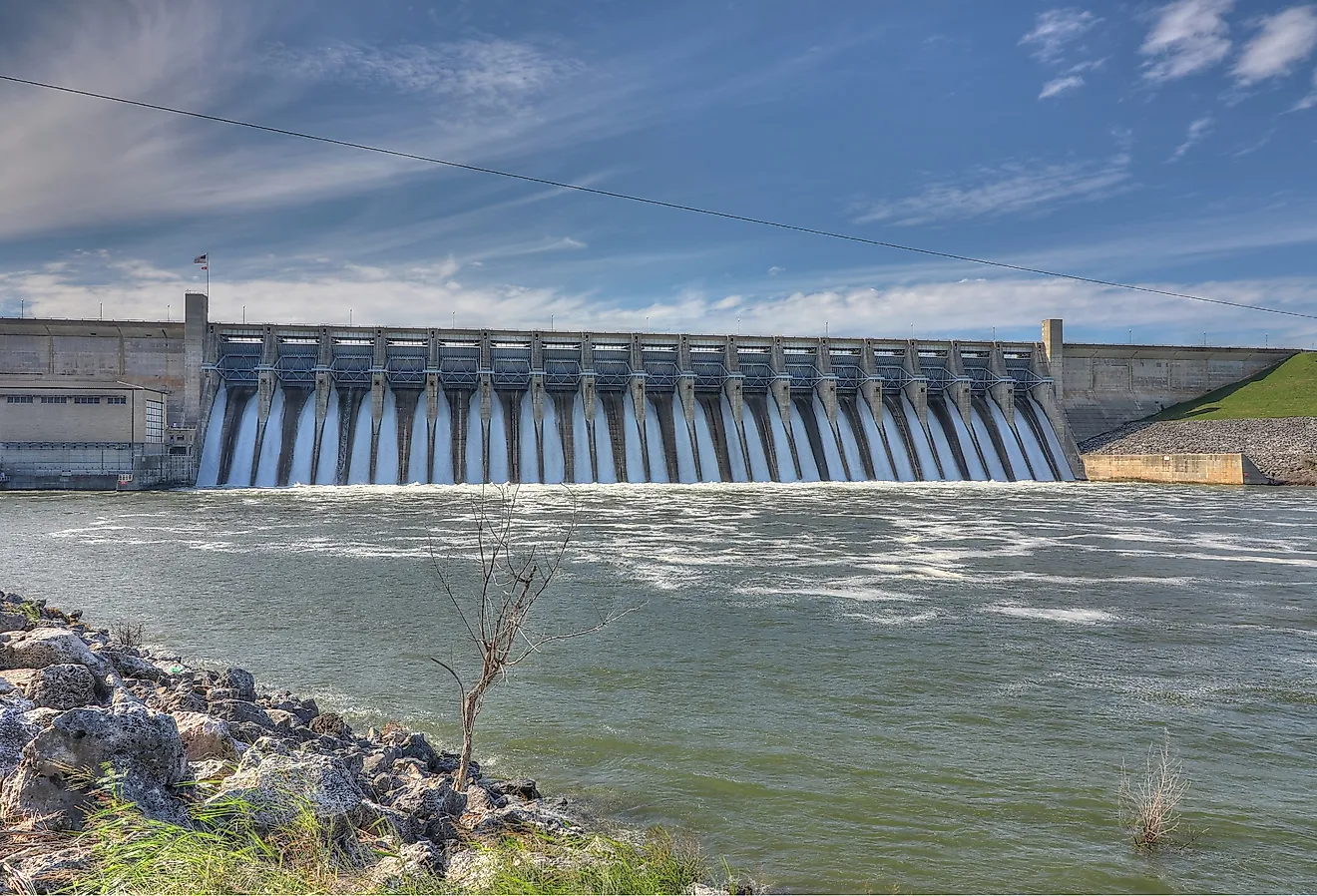
Lake Pueblo is a large reservoir within the limits of Lake Pueblo State Park, west of the city of Pueblo. The reservoir runs 4,600 surface acres with 60 miles of shoreline and close to 10,000 acres of surrounding land. The lake was formed by Pueblo Dam, constructed between 1970 and 1975 to control flooding along the Arkansas River. The year-round mild climate is favored by many of the snake species that inhabit the area.

The coachwhip (Masticophis flagellum), a strikingly pink-colored snake, is often spotted by visitors. Coachwhips are extremely fast-moving and can outpace a sprinting human over short distances. They are nonvenomous and pose no threat. Several other snake species inhabit Lake Pueblo State Park, including garter snakes, which are often found close to bodies of water along the shoreline.
Arkansas River

The Arkansas River is a major tributary of the Mississippi River. It originates in the Sawatch Range of the Rocky Mountains near Leadville in central Colorado. The river flows southeast for the first 100 miles to Cañon City, dropping 6,750 feet in elevation. After leaving the mountains, the channel flows through a narrow canyon. Between Cañon City and Great Bend, Kansas, the river's channel runs shallow and wide.

The Arkansas River is one of the rivers in Colorado where the northern watersnake (Nerodia sipedon sipedon) primarily occurs. These snakes are rarely found far from water. They spend their mornings and early afternoons basking on rocks and wood at the sides of the river. By nighttime, they will be swimming and hunting fish, amphibians, and crayfish. The black-necked garter snake (Thamnophis cyrtopsis) is generally uncommon in Colorado, although the Arkansas River represents the northern extremity of its range. This species inhabits permanent and intermittent streams and feeds on larval and adult amphibians like frogs and toads as well as small fish.
Boyd Lake

Boyd Lake sits at the westernmost edge of the plains, by the foothills of Longs Peak and the mountains of the Continental Divide. The lake lies within the confines of Boyd Lake State Park near Loveland. The 1,700-acre reservoir handles boating, water skiing, swimming, fishing, and paddle sports. The grounds surrounding the lake are laced with trails, campsites, and a significant snake population.

In 2021, a large bull snake (Pituophis catenifer sayi) made its way onto the swim beach playground at Boyd Lake before being relocated by Colorado Parks and Wildlife. Reaching maximum lengths of 88 inches, bull snakes rank among the largest and most commonly encountered snakes in Colorado. The park is also home to other species including garter snakes and one of Colorado's venomous species, the prairie rattlesnake (Crotalus viridis).
South Platte River

The South Platte River is one of two main arms of the Platte River. Its headwaters originate in the Mosquito Range of central Colorado. The river takes a sharp turn northward, flowing through the Platte River Canyon of the Front Range, emerging onto the flatland of the Colorado Piedmont, and eventually running through Denver before meeting the North Platte River in Nebraska.

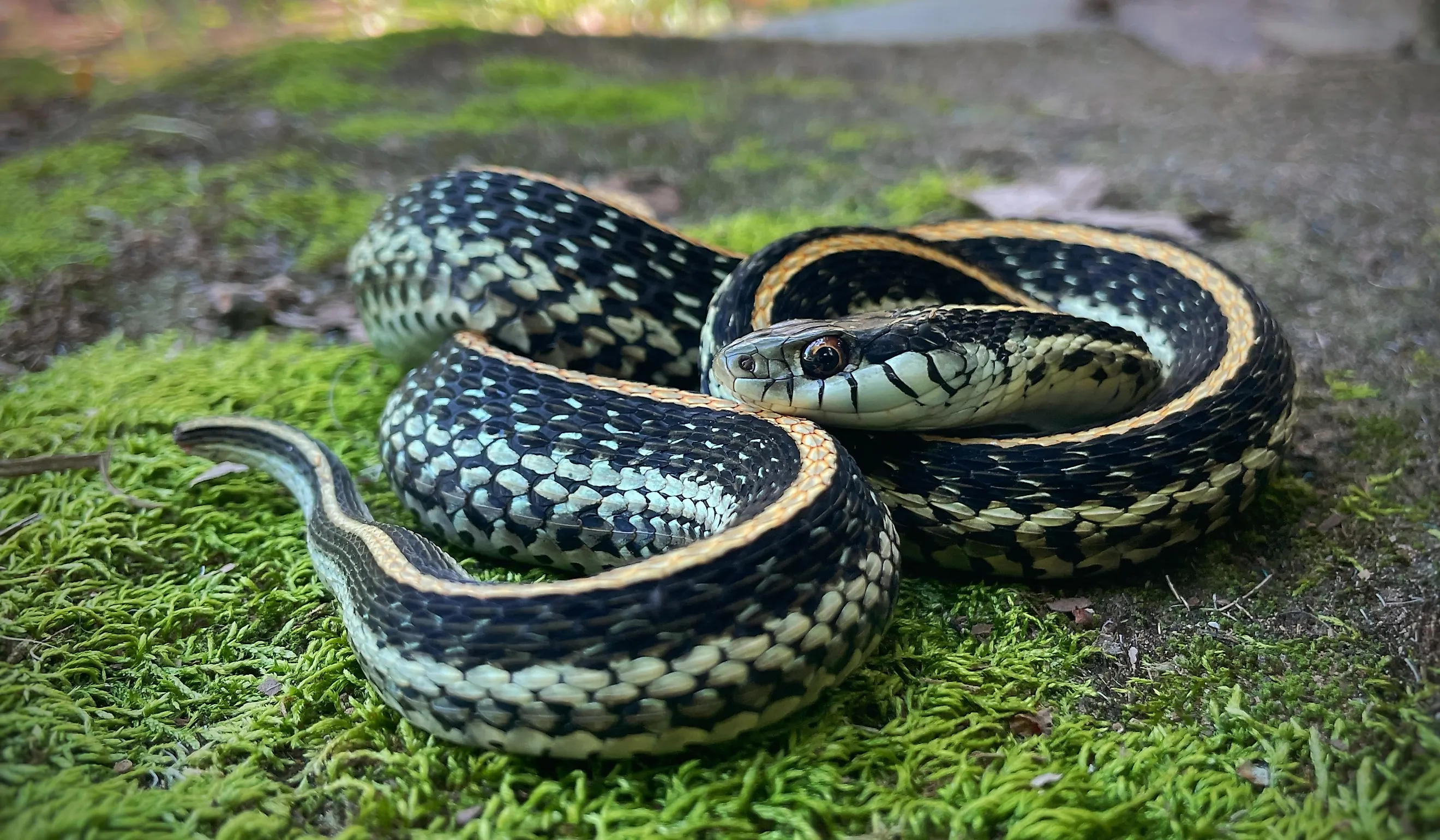
The northern watersnake inhabits the South Platte River and its drainage at elevations below 5,500 feet. The red-sided garter snake (Thamnophis sirtalis parietalis) is also commonly found along the banks of the South Platte and surrounding wetlands. In Colorado, the red-sided garter snake is most often found along stream edges, in marshes, and around ponds.
Republican River

Like the South Platte, the Republican River is also home to the northern watersnake and the red-sided garter snake. The Republican is formed by the confluence of the North Fork of the Republican River and the Arikaree River in Nebraska, and runs over 400 miles overall.
Northern watersnakes are found at the same elevation in the Republican River as they are in the South Platte. Red-sided garter snakes turn up in the North Fork of the Republican at elevations between 3,500 and 3,600 feet. Garter snakes remain active between mid-March and early October. Outside those months they retreat to brumation sites that can be underground or even underwater in wetland areas like sections of the Republican drainage.
Why The Snakes Belong There
Across these five bodies of water, the presence of snakes stays constant. This is not necessarily a bad thing. The species in Colorado's waterways function as natural pest control, keeping rodent populations in check, and their continued presence indicates a working aquatic ecosystem. While there are three rattlesnake species in the state, all three generally inhabit drier regions on slopes with rocky outcrops for basking and denning rather than open shoreline. The most common snakes a visitor encounters on a day at Boyd Lake, the Arkansas River, or any of the other listed waters are garter snakes, watersnakes, and bull snakes, which pose little risk to humans.