5 Most Snake-Filled Bodies Of Water In Pennsylvania
For a northern state, Pennsylvania's rivers, reservoirs, and lakes house a surprising diversity of snakes. Along the Delaware River corridor, the flooded coves of Raystown Lake, and the reed-choked wetlands of Pymatuning Reservoir, these environments concentrate the right combination of food sources, basking sites, and denning habitat to sustain robust snake populations through the warmer months of the year. Species such as northern watersnakes, eastern garter snakes, and the rare eastern massasauga rattlesnake appear across multiple regions, while timber rattlesnakes occupy steep river valleys like the Delaware Water Gap. Read on to see where you are most likely to encounter one of these cold-blooded predators in Pennsylvania this year, and tread with appropriate care.
Presque Isle Bay

Lake Erie's Presque Isle Bay is one of the best places in Pennsylvania to encounter water snakes, particularly the northern watersnake. This thick-bodied, nonvenomous snake is usually gray, brown, or reddish with dark crossbands, and adults commonly reach 2 to 4 ft (0.6 to 1.2 m) long.
Resident northern watersnakes are frequently seen stretched across rocks, coiled on docks, or swimming through shallow marshes around Presque Isle State Park near the city of Erie. Visitors walking the park's boardwalks may mistake them for venomous cottonmouths (water moccasins), though cottonmouths do not occur in Pennsylvania.
The bay's protected lagoons, cattail-filled wetlands, and slow-moving channels also create ideal habitat for amphibians, other reptiles, and fish, which draw large numbers of snakes during the warmer months. During summers in particular, local snake populations are especially active near the park's quieter interior ponds and marsh edges in the early morning. Eastern garter snakes and eastern milksnakes are also present, primarily along drier shoreline sections.
Raystown Lake

Raystown Lake, Pennsylvania's largest entirely in-state lake, is also one of the state's most reliable places to spot a wide range of snakes along its wooded shorelines and creek inlets. The eastern garter snake, a slender species marked by three pale stripes running down a darker body, is commonly seen here weaving through lakeside grass and along rocky embankments.
In the shallows, northern watersnakes show up again, often patrolling submerged branches and warm shoreline stones and diving quickly when disturbed. The surrounding forests also support eastern ratsnakes, powerful climbers with glossy black bodies that can exceed 6 ft (1.8 m), sometimes found sunning on docks or low tree limbs near the water.
Raystown's 118 mi (190 km) of shoreline and its wilderness setting also host a couple of venomous species, copperheads and timber rattlesnakes, which are relatively uncommon but not unheard of in this northern state. Watch your step while visiting.
Delaware Water Gap

The Delaware Water Gap along the Delaware River is a relatively undisturbed habitat in northeastern Pennsylvania, full of important ecosystems and historic landmarks. The gap has steep forested slopes, rocky banks, wetlands, and floodplain forests that allow several species of reptiles to thrive in a relatively small area on the New Jersey border.
Timber rattlesnakes are among the most notable resident snakes here. This heavy-bodied venomous snake has a yellow, gray, or brown background with dark chevron-shaped bands and a distinctive rattle at the tail tip, with some individuals exceeding 4 ft (1.2 m) long. Though generally shy, timber rattlesnakes occasionally appear basking on rocky ledges above the river during warmer months. Delaware Water Gap National Recreation Area also contains extensive talus slopes and old stone walls that provide ideal denning sites through winter for them and other local snakes.
Closer to the water, northern watersnakes and queen snakes are frequently seen hunting along shallow current breaks. Queen snakes can be identified by their slender, olive-brown bodies. They feed almost exclusively on freshly molted crayfish, which makes clean river systems especially important for the species.
Pymatuning Reservoir

The Pymatuning Reservoir, straddling Pennsylvania's northwestern wetlands on the border of Ohio, is a highly productive landscape for snake-viewing, especially around its marshy inlets, areas with abundant flooded timber, and undeveloped reedy shorelines. Its extensive wetlands, slow backwaters, and forests further create a stable prey base of frogs, fish, and crayfish, drawing multiple snake species through the warmer months.
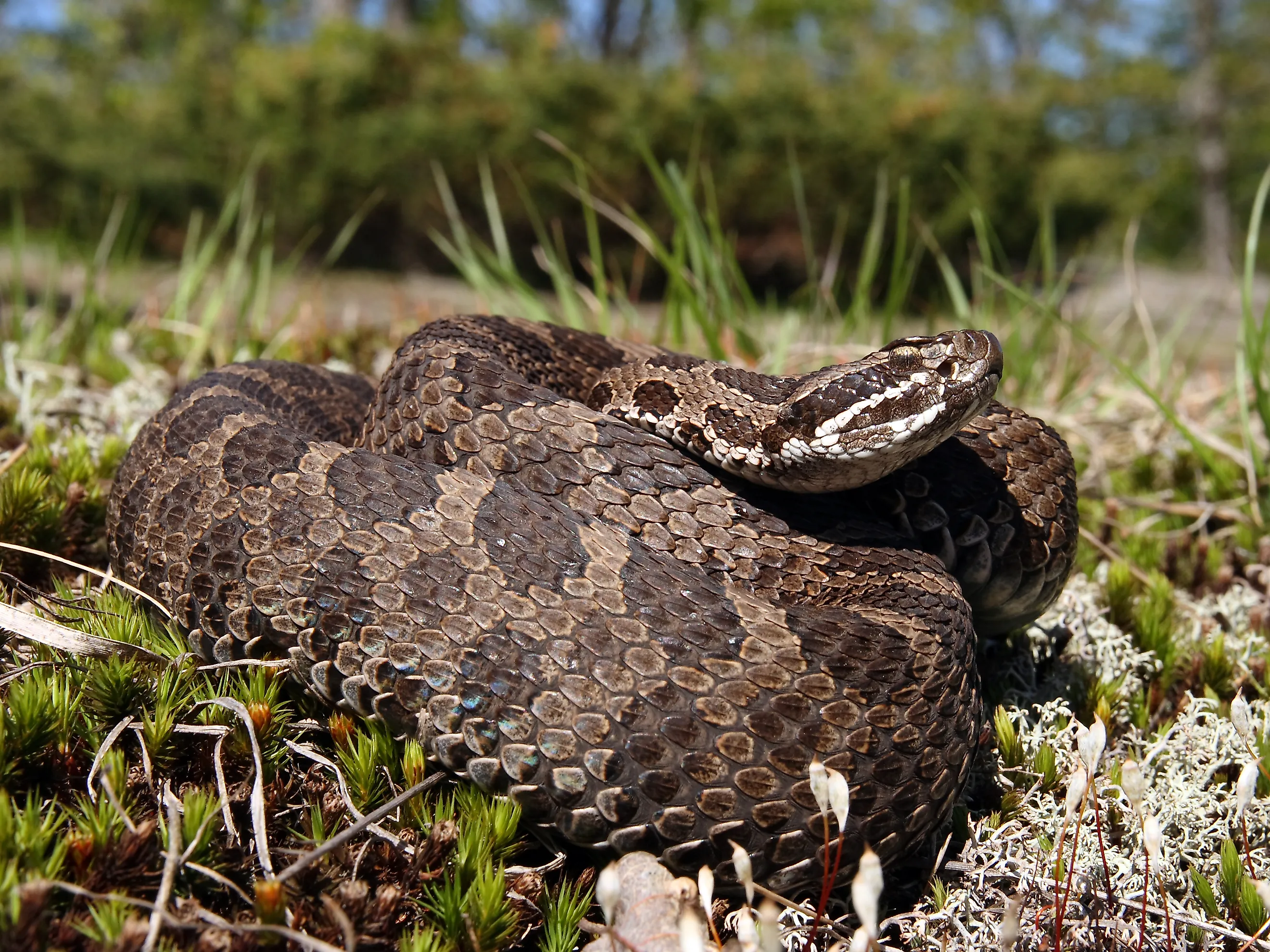
Northern watersnakes in the reservoir are frequently seen searching for fish, amphibians, and even smaller snakes along shallow vegetated bays, while eastern garter snakes, like in much of the rest of the Northeast, can often be sighted moving through lakeside grasses and damp trails. There is also a possibility of spotting the rare eastern massasauga rattlesnake, a small venomous pit viper with blotched gray-brown patterning. Eastern massasaugas are state endangered in Pennsylvania and federally threatened, with their range in the state limited to a few western counties. They favor grass-covered edges but remain notably more reclusive than garter snakes.
Early mornings and overcast days offer the best chances for sightings along quieter coves, where snakes of multiple species often bask on logs, slip through reeds, or patrol the shoreline unnoticed by observers.
Lake Wallenpaupack

Sitting near the Pocono Mountains, Lake Wallenpaupack is a popular cottage and recreational destination featuring an extensive array of coves, submerged timber, and shallow rocky shoreline that support multiple snake species drawn to warmer waters. Along its vegetated banks, northern watersnakes and eastern ribbon snakes (a slender, semi-aquatic garter-snake relative with bright stripes) are frequently observed hunting small prey. Eastern milksnakes, patterned with reddish-brown blotches on a gray or tan body, a handful of timber rattlesnakes, and black racers (long, fast-moving colubrids with solid black coloration) patrol foliage-heavy shores and occasionally enter shallow water while chasing prey.
The reservoir's various bays and peninsulas also create consistent basking sites during late spring and summer. Morning activity in these seasons peaks near boat launches, where open, sun-warmed stone makes wildlife encounters more likely as snakes pass through.
Explore These Pennsylvania Waters With Caution
Reservoirs like Raystown Lake and Lake Wallenpaupack, and river corridors such as the Delaware Water Gap, host a plethora of snakes and other reptiles. Northern watersnakes, garter snakes, and the state's two venomous rattlesnake species all reflect the region's varied habitats and abundant shoreline ecosystems. These waters are popular recreational spaces as well, where snake-human encounters are part of being outdoors.