6 Most Snake-Filled Bodies Of Water In Virginia
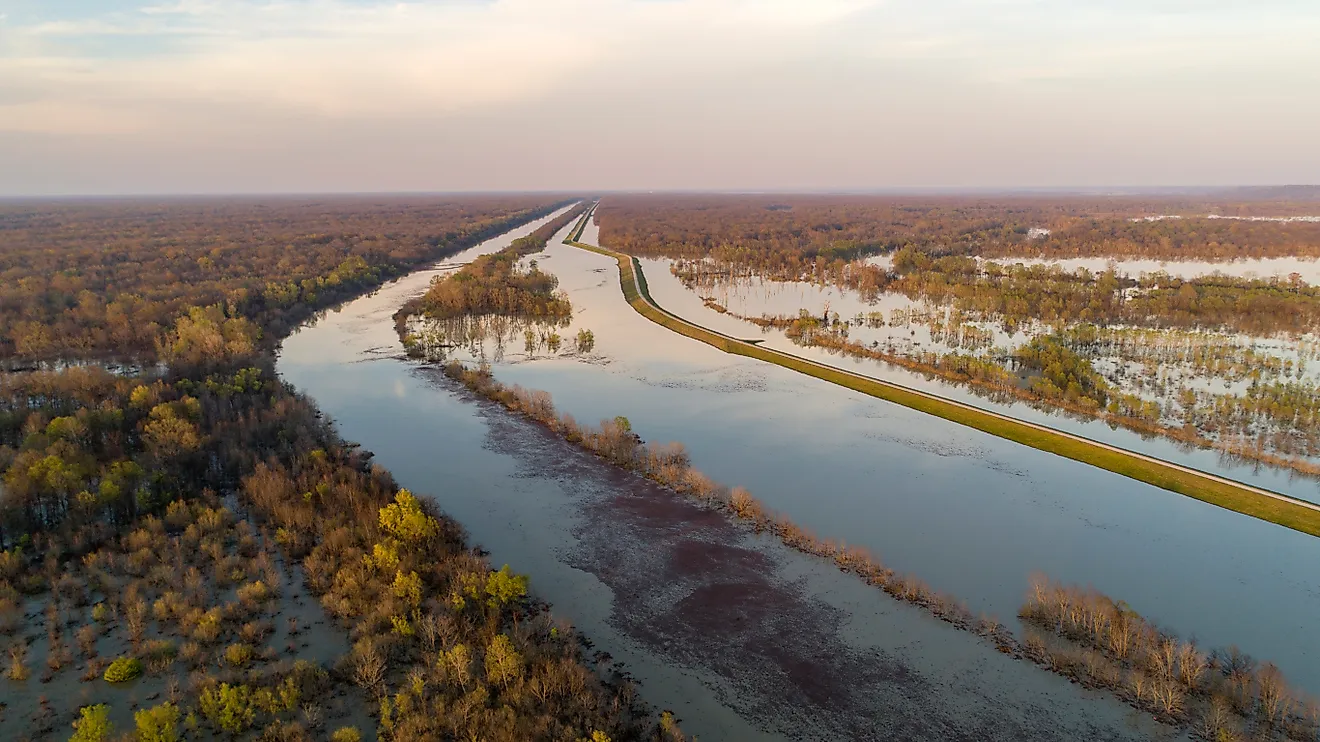
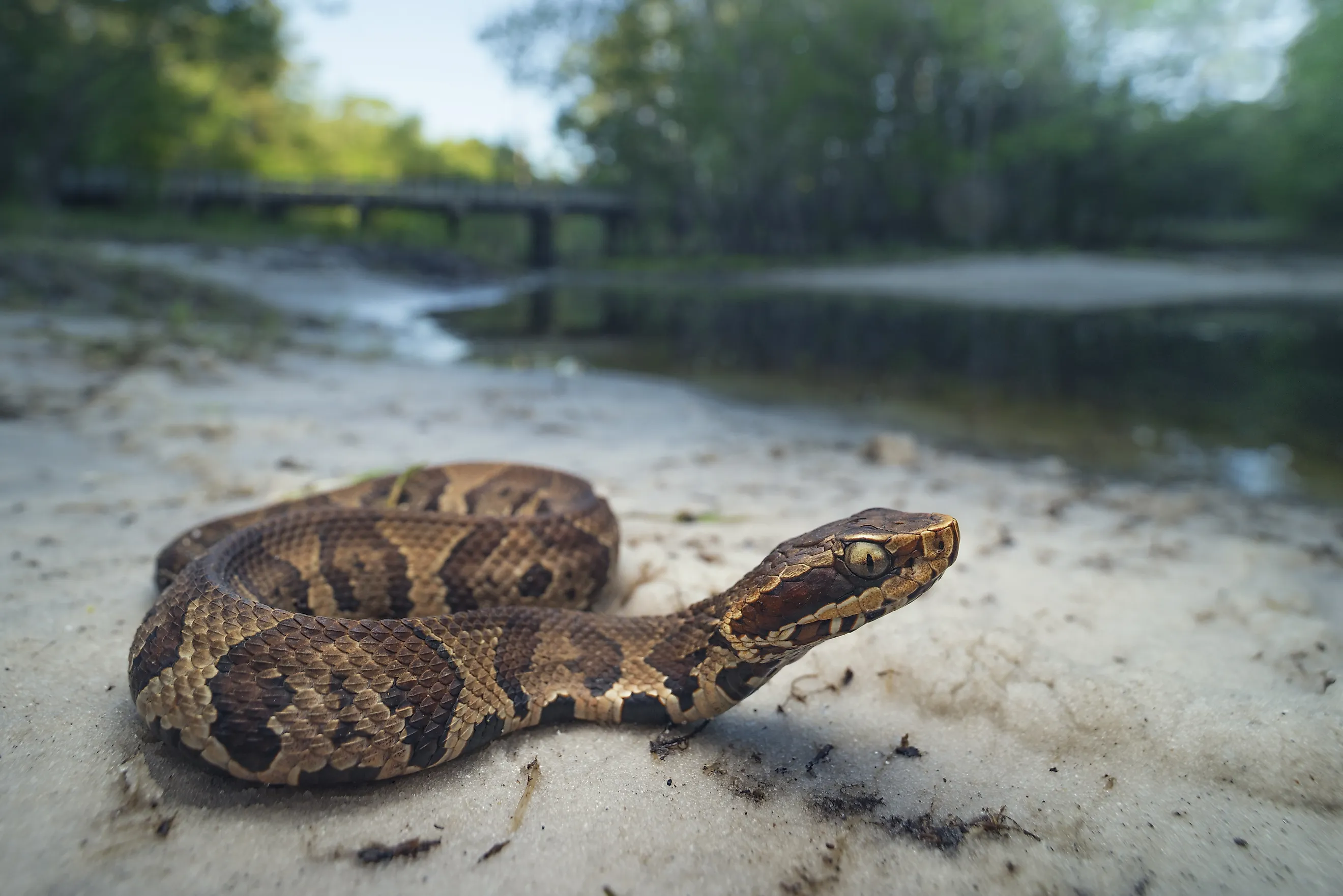
Virginia hosts more than 30 native snake species. Most are harmless watersnakes and rat snakes. Three species are venomous: copperheads spread across the state, cottonmouths concentrate in the southeast, and timber rattlesnakes favour the western mountains. Many of these snakes thrive in Virginia's lakes and slow-moving rivers, where fish, frogs, and rodents along the shoreline supply easy meals. The six bodies of water ahead support some of the most active snake habitats in the state.
Douthat Lake

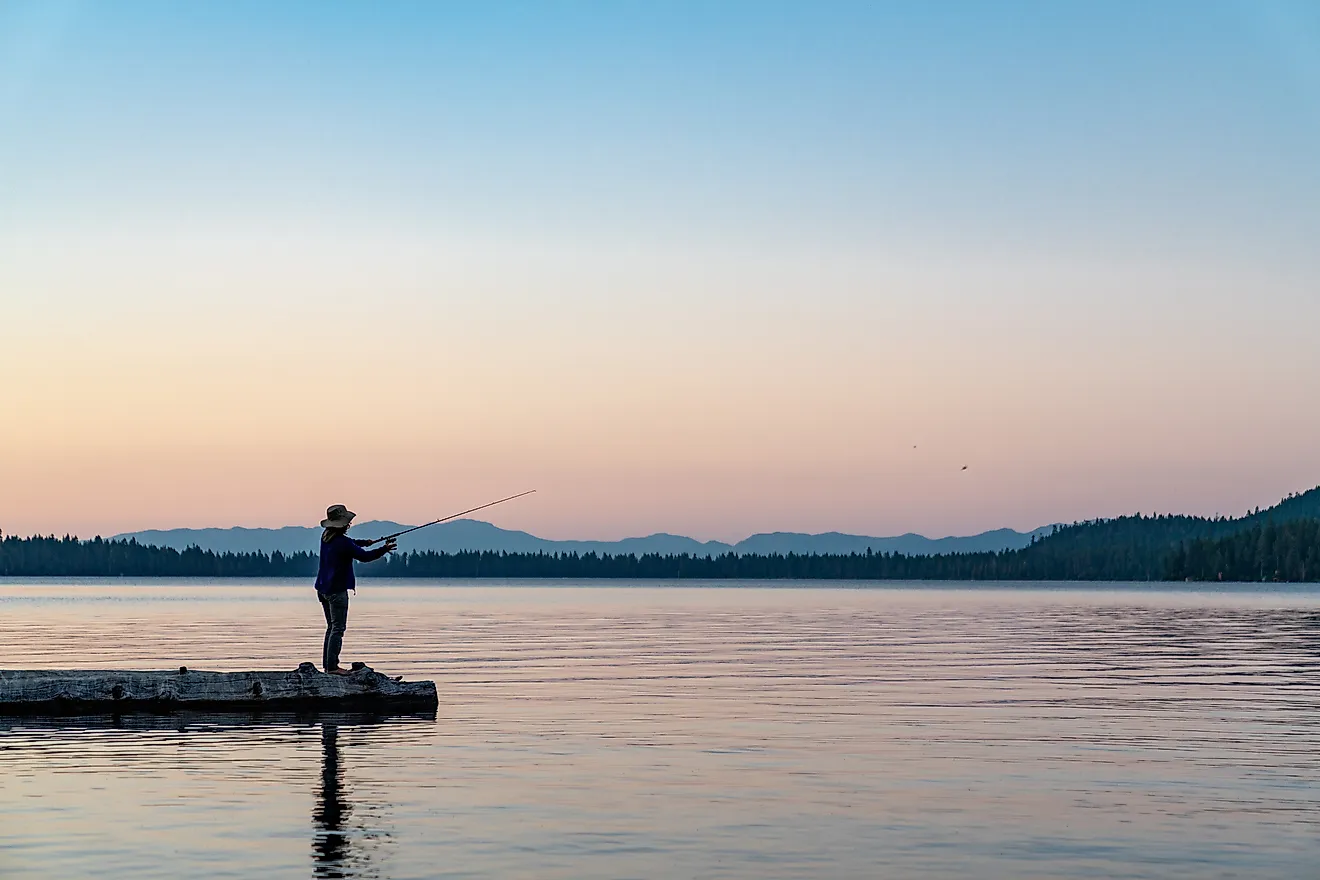
In the Allegheny Mountains of western Virginia, Douthat Lake is a 50-acre fishing lake inside Douthat State Park. The park itself covers 4,536 acres and was one of the original six Virginia state parks opened on June 15, 1936, all built by the Civilian Conservation Corps. Park authorities stock the lake with rainbow, brown, and brook trout. Over 43 miles of mountain trails surround the lake, and the mixed terrain suits several snake species.
Northern watersnakes are the snake visitors most often encounter in and around the water. None of the watersnakes here are venomous, and cottonmouths do not live in this section of Virginia. The two venomous species visitors might find are the copperhead and the timber rattlesnake, usually hidden in underbrush or on rocky cliffsides. The timber rattlesnake favours rocky high-elevation areas and may swim across the lake to escape threats or pursue prey. In most cases, visitors are more likely to see a nonvenomous snake.
Lake Gaston

Lake Gaston is a 35-mile reservoir straddling the North Carolina and Virginia border. The lake covers about 20,000 acres and was created in 1963 when Dominion Energy (formerly Virginia Electric and Power Company) completed the Gaston Dam on the Roanoke River. Several entry points and parks line the shore, including The Retreat at Lake Gaston. Many snake species, even non-aquatic ones, prefer to live near a water source, and Lake Gaston is no exception. Throughout the drier areas around the lake and in the lake itself, biologists have documented as many as two dozen snake species.
Some, such as corn snakes, are often mistaken for venomous species because of their tan and patterned bodies. The corn snake can be distinguished from the copperhead by its rounded head and round pupils. The red-bellied watersnake is also frequently misidentified as a cottonmouth because of its dark coloration and aquatic habits.

For venomous species, the copperhead is the most common around Lake Gaston, followed by the cottonmouth, which inhabits eastern Virginia and has been spotted swimming in the lake. Timber rattlesnakes have also been reported on the North Carolina side. None of these venomous species is particularly aggressive. Copperheads are the most likely to bite humans because they freeze rather than flee when approached. A person can easily step on or touch a copperhead in bushes or leaf piles without seeing it first.
Mountain Lake

Mountain Lake sits near the West Virginia border in Giles County. It is a 50-acre freshwater lake and one of only two natural lakes in Virginia. Geologists believe the basin formed about 6,000 years ago when rock slides dammed Pond Drain Creek. The lake also has an unusual habit of draining and refilling on a roughly 400-year cycle through fractured limestone bedrock beneath the basin. The lake sits beside Mann's Bog, a virgin spruce bog, surrounded by old-growth forest. The high elevation and dense forest provide plenty of cover for snakes, including the venomous timber rattlesnake.
The timber rattlesnake is the only venomous snake that lives around Mountain Lake. It has heat-sensing pits between the eyes and nostrils that detect prey. Adults can grow large, with some specimens reaching six feet. The snake primarily hunts at night, eating small forest-dwelling mammals. Several harmless snakes share the surrounding forest, including the milk snake, sometimes mistaken for venomous species because of its copper-coloured diamond patterns and its habit of vibrating its tail against leaves when threatened (a behaviour that mimics the rattlesnake's rattle).
Smith Mountain Lake

Smith Mountain Lake is a 20,600-acre reservoir created in 1963 when Appalachian Power completed its dam on the Roanoke River. It is the second-largest lake fully within Virginia behind Buggs Island Lake. Most public access comes through Smith Mountain Lake State Park on the northern shore, which covers 1,248 acres of Blue Ridge foothills. The surrounding woods support wild turkeys, black bears, and a healthy snake population. The northern watersnake is the most common snake found in the lake itself. The species is nonvenomous but defensive when harassed or picked up. In the trees near the water, the slim and calm rough green snake can also be spotted.
The only venomous snake that lives around the lake is the copperhead. It can resemble several harmless species but is identifiable by its broader, triangular head and vertical pupils. If a copperhead bites in self-defence, it may inject little or no venom in what biologists call a dry bite. Roughly half of all copperhead defensive bites are estimated to be dry bites.
James River

The James River rises in the Appalachian Mountains and flows east for 348 miles before emptying into the Chesapeake Bay. It is the longest river contained entirely within Virginia and passes major historic sites including Jamestown, Williamsburg, and Richmond. Along that length, many different snake species can be found in the water or in the forested parks lining the shore. Around the 600-acre James River Park System in Richmond, biologists have documented black rat snakes climbing trees and even building exteriors, along with northern watersnakes, eastern worm snakes, and DeKay's brown snake.
For venomous species, copperheads are by far the most common, especially in the wooded sections of James River Park. Copperheads also wander into residential yards because they readily settle into leaf piles or wood debris. They are strong swimmers but less aquatic than cottonmouths. Cottonmouths occur only at the eastern end of the James River in smaller populations, mostly in the tidewater section.
York River

The York River is a 34-mile tidal estuary formed where the Mattaponi and Pamunkey Rivers meet at West Point, flowing east into the Chesapeake Bay. The river runs close to Yorktown, the site of the decisive 1781 American Revolutionary War siege that ended the war. One of the most visited spots along the river is the 2,505-acre York River State Park near its headwaters, which holds roughly 30 miles of hiking and biking trails through forests, marshes, and river shores. Visitors frequently encounter black rat snakes and northern watersnakes in the park.
Although these snakes are harmless, humans sometimes harm them on the assumption that they are venomous. Both species will bite if cornered. Park staff encourage visitors to give snakes space and avoid disturbing them. Copperheads, the only venomous species likely to be encountered near the river, deliver hemolytic venom that targets red blood cells but rarely produces enough toxin to threaten a healthy adult human's life. No human deaths from copperhead bites have been recorded in Virginia in decades.
Sharing The Water
Virginia's lakes and rivers support far more than fishing, boating, and hiking. Lake Gaston, the James River, and Mountain Lake also provide ideal habitats for dozens of snake species that play an important role in controlling rodent populations and maintaining healthy ecosystems. Although venomous snakes such as the copperhead, the cottonmouth, and the timber rattlesnake live near some of these waterways, encounters with humans stay uncommon when visitors stay alert and give wildlife space. Whether the destination is a mountain reservoir or a tidal river flowing toward the Chesapeake Bay, understanding the snakes that live in these environments makes outdoor recreation both safer and more rewarding.