How Long Would It Take to Drain Lake Superior?
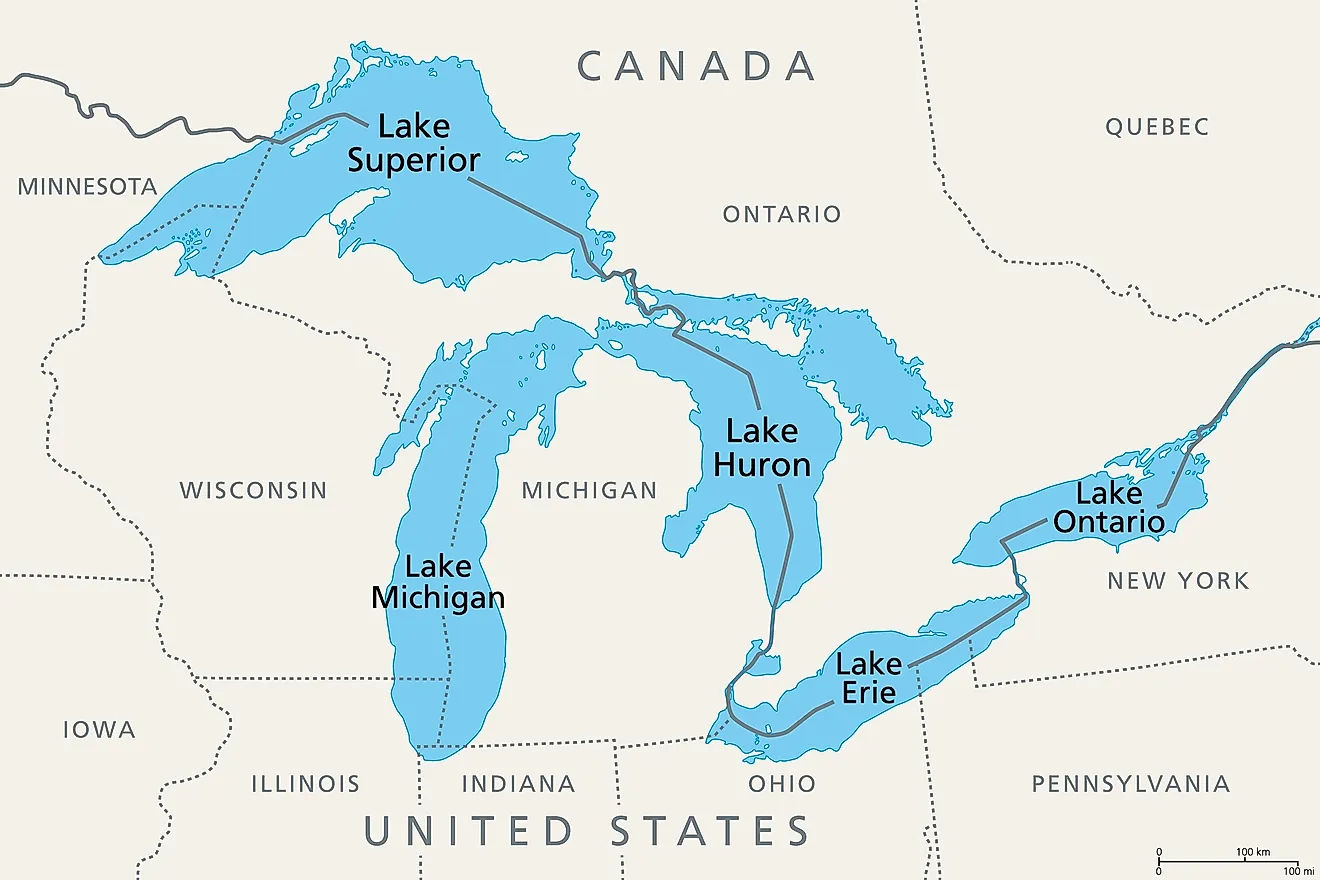
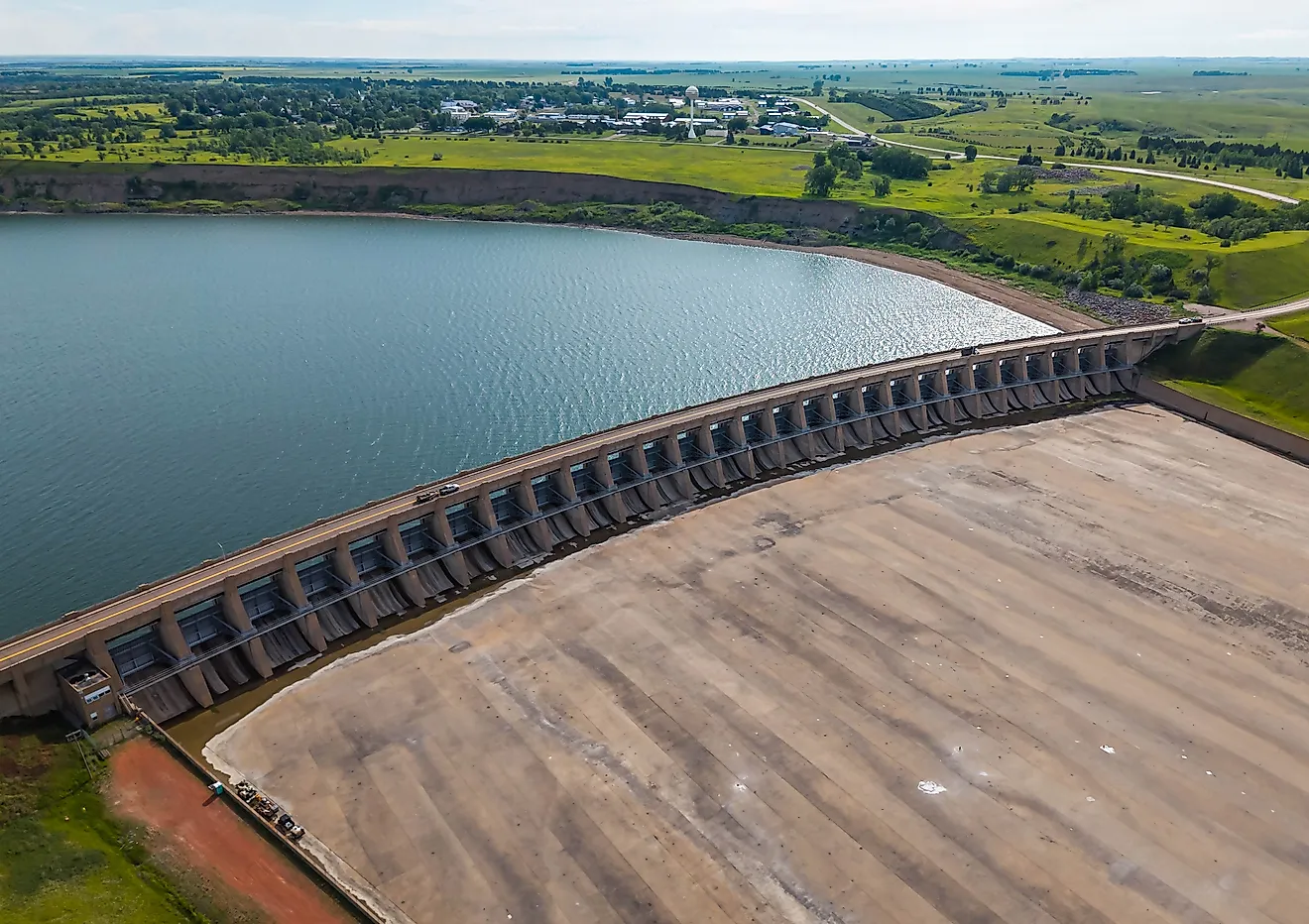
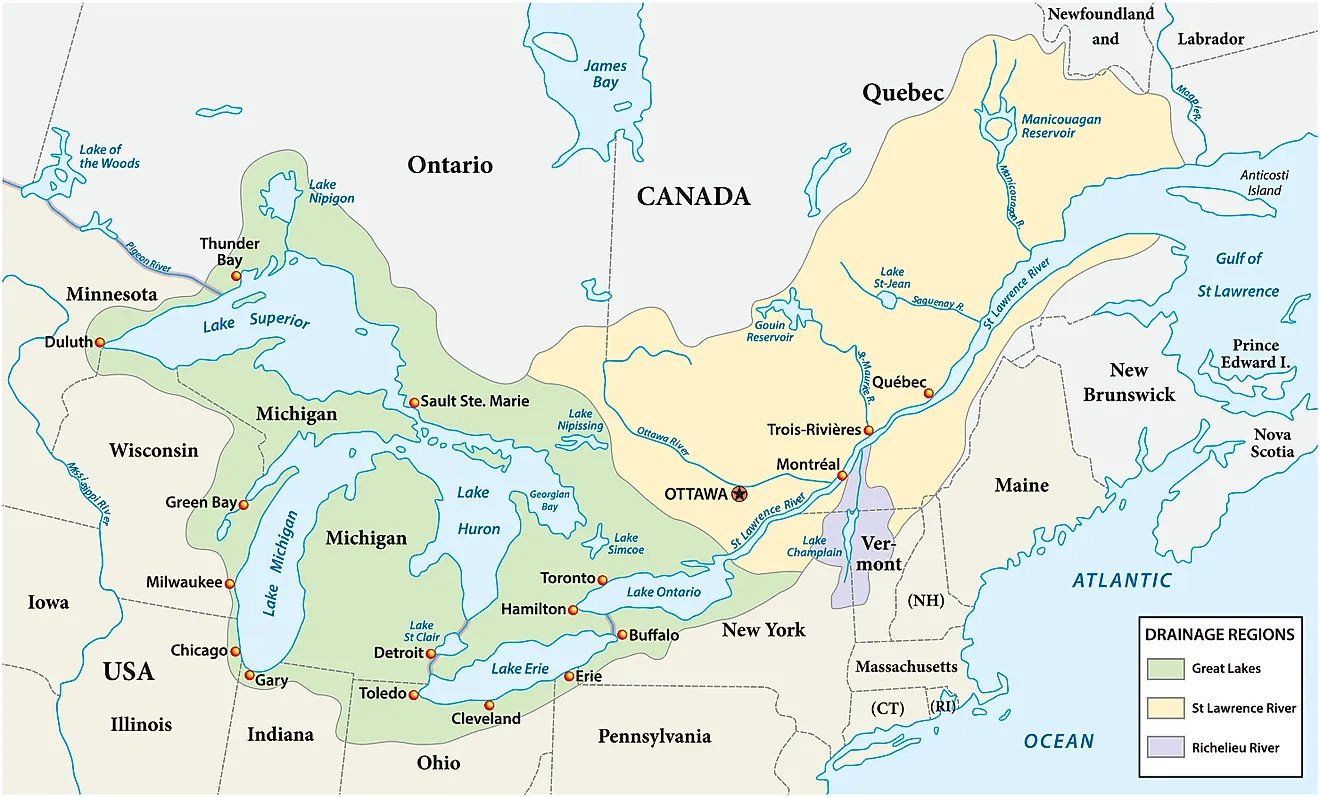
In order to answer this question, we have to take a look at the water retention rate of Lake Superior, which is the largest of all the Great Lakes. A lake’s retention time is the average length of time its water remains in the lake. The lake regularly drains into St. Marys River, which leads to Lake Huron. This estimated retention rate is 191 years, meaning it would take nearly two centuries to completely drain Lake Superior.
In order to get a fuller picture of Lake Superior, we will examine its size, impact on humans, and other facts about its ecology.
Dimensions of Lake Superior

Lake Superior beats several records when it comes to its size, but its actual ranking among freshwater lakes varies depending on the measurement. By surface area, it's the largest freshwater lake in the world at 31,700 square miles. By water volume, it's the third largest at 2,900 cubic miles, just behind Lake Tanganyika at 4,500 cubic miles and Lake Baikal at 5,521 cubic miles. Lake Superior's water volume alone accounts for 10% of all the surface freshwater in the world.
To put it in terms of gallons, Lake Superior has three quadrillion gallons of water. This is enough to fill every other Great Lake and three additional lakes with the water volume of Lake Erie. If the water were spread out over North and South America, it would cover both continents in a foot of water.

In addition to being the largest of the Great Lakes, Lake Superior is the deepest. It has an average depth of 483 feet, compared to 283 in Lake Ontario, 279 in Lake Michigan, 195 in Lake Huron, and 62 in Lake Erie. At its deepest point, Lake Superior reaches a maximum depth of 1,332 feet. Due to these depths, Lake Superior has the lowest average water temperature of the Great Lakes, averaging 36.3 degrees Fahrenheit in Winter, and 52.5 degrees in Summer. These depths also typically prevent the lake from being completely frozen over, although it can reach a bit over 90% ice coverage in the winter.
All of the other Great Lakes are typically fed water from each other as the water flows from west to east. In Lake Superior's case, its water comes from the more than 200 rivers that flow into it and precipitation. According to the Center for Great Lakes Literacy, around 40% of the water comes from these rivers, and more than 50% comes from rain falling on the lake. The remaining 4% is the result of human-made diversions from the Hudson Bay.
Lake Superior's importance to humans

Lake Superior has a smaller population than the other Great Lakes due to the poor soil quality, cold climate, and forested areas. In total, just over 607,100 people live in the Lake Superior watershed, including 444,000 U.S. residents and 229,000 Canadians.
Lake Superior is important for humans for several reasons, including drinking water. The water here is regarded as the cleanest in the U.S., with its high oxygen content and low mineral content. In addition, it has lower numbers of pollutants, including herbicides, than the other Great Lakes.

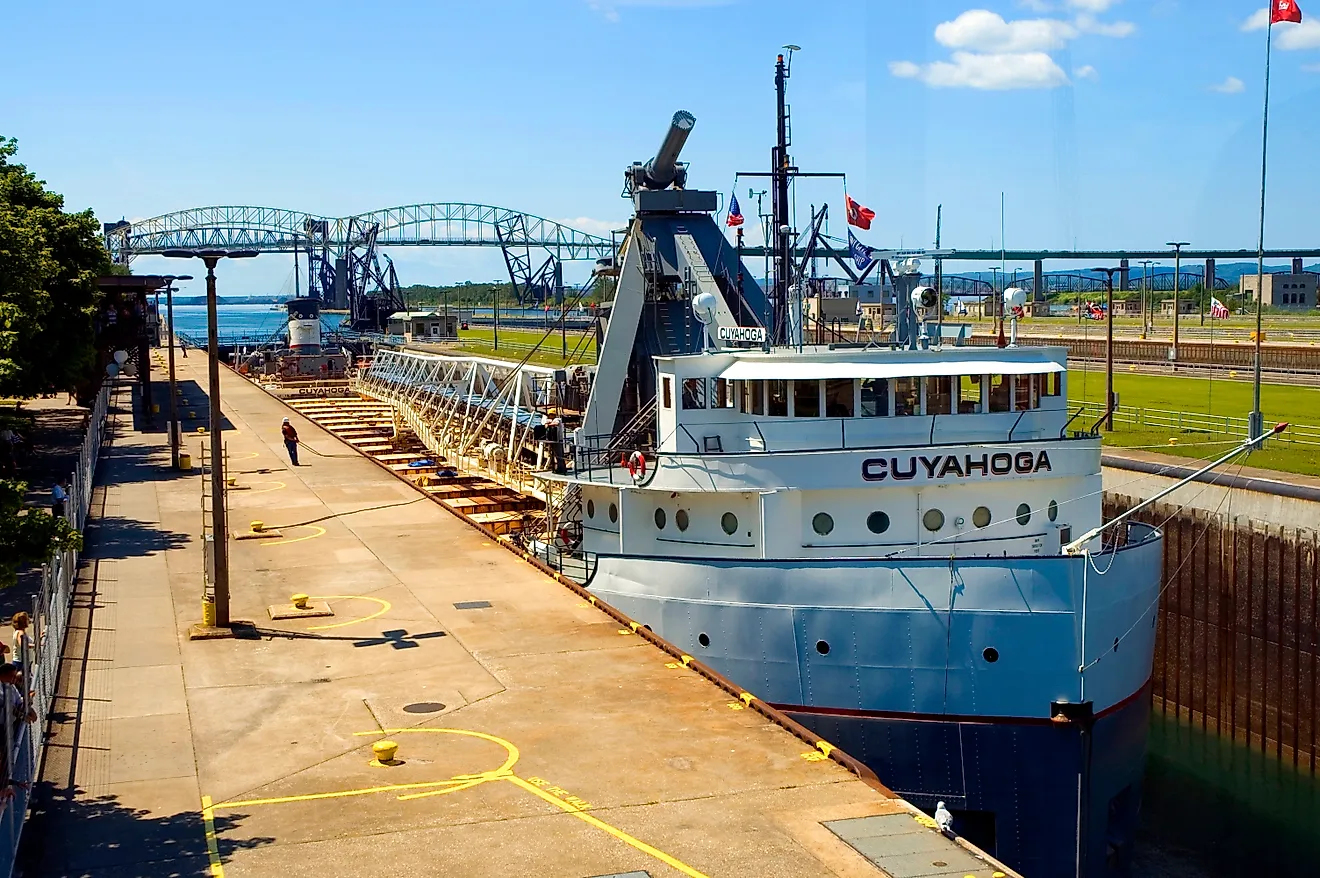
For human industry, Lake Superior supports commercial fisheries that search for lake whitefish, lake trout, cisco, and 52 other species of fish. Lake Superior has fewer fish species than the other Great Lakes due to its water temperature. There are also commercial shipping ports on Lake Superior, including Duluth, Minnesota, Marquette, Michigan, Ontario, and Sault Ste. Marie, Michigan.
There are more than 400 islands within Lake Superior, including the 207-square-mile Isle Royale. This island is part of the Isle Royale National Park, which serves a crucial function as a place for outdoor recreation, as hikers can explore 165 miles of hiking trails, which go by fishing spots, shipwrecks, lighthouses, and more. This island is accessible by boat or seaplane.
Ecology

The cold climate and water serve as a natural barrier against many of the invasive species that impact other Great Lakes, including toxic algae blooms. Lake Superior does cause a great deal of snowfall inland as moisture is picked up from the lake and blown over 20 to 30 miles inland.
Snails, shrimps, and clams live in Lake Superior and primarily eat phytoplankton such as green algae, diatoms, and flagellates. These are, in turn, eaten by fish from native species to introduced ones, such as the rainbow trout and Atlantic salmon.

There are still some invasive species that have found their way into Lake Superior, such as the sea lamprey and Asian carp. Sea lampreys were first introduced into Lake Erie in the 1830s and gradually invaded all of the Great Lakes. Great Lakes authorities used several techniques to control this invasive species, from poison used at spawning sites to traps and barriers, reducing their abundance by approximately 90% from historical highs in many areas while requiring continued control.
Due to the water's depths, some have argued that the deepest sections of Lake Superior contain deepwater sculpins. These tiny creatures measure between 1.1 and 1 inch and tend to live at the bottom of deep lakes.
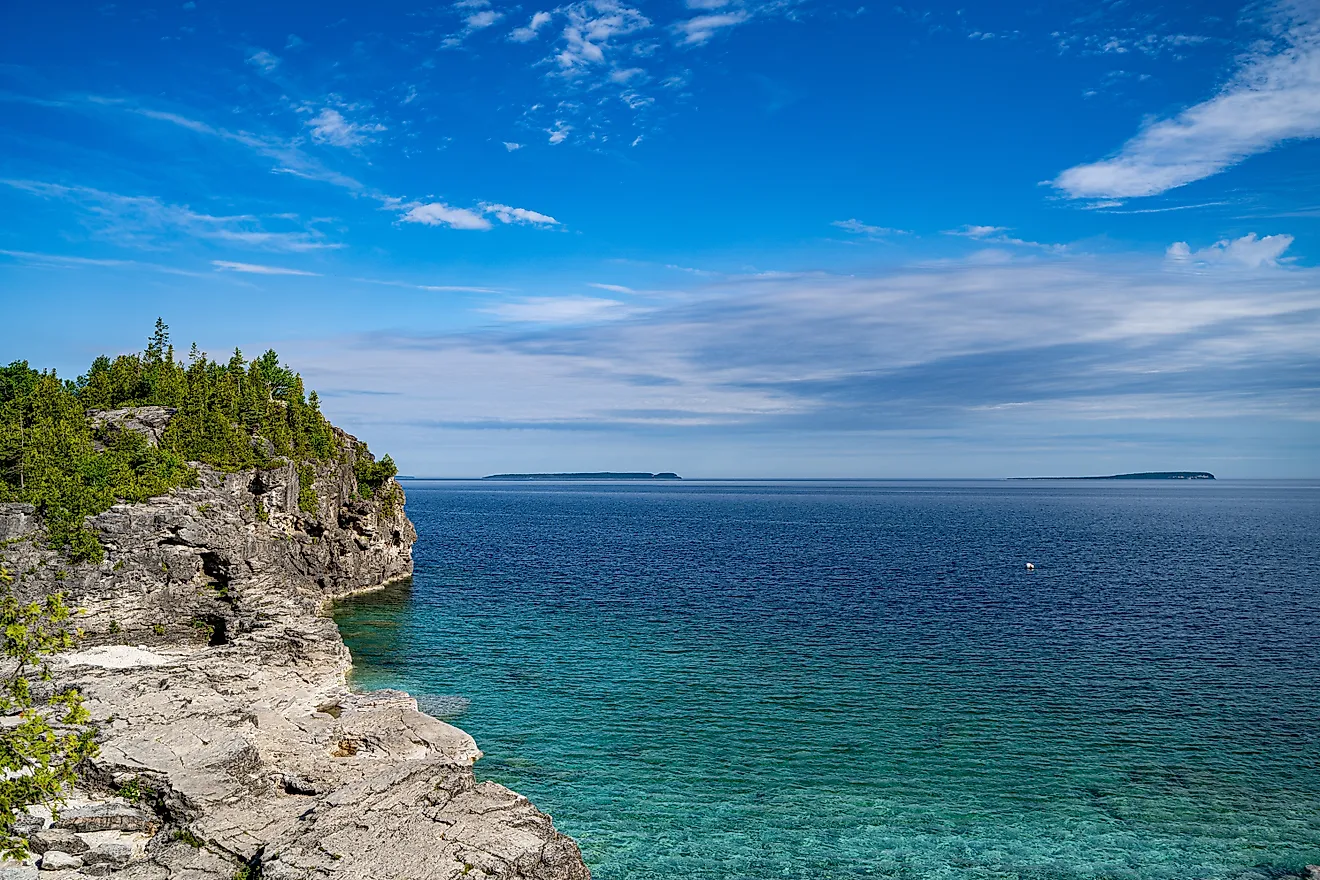
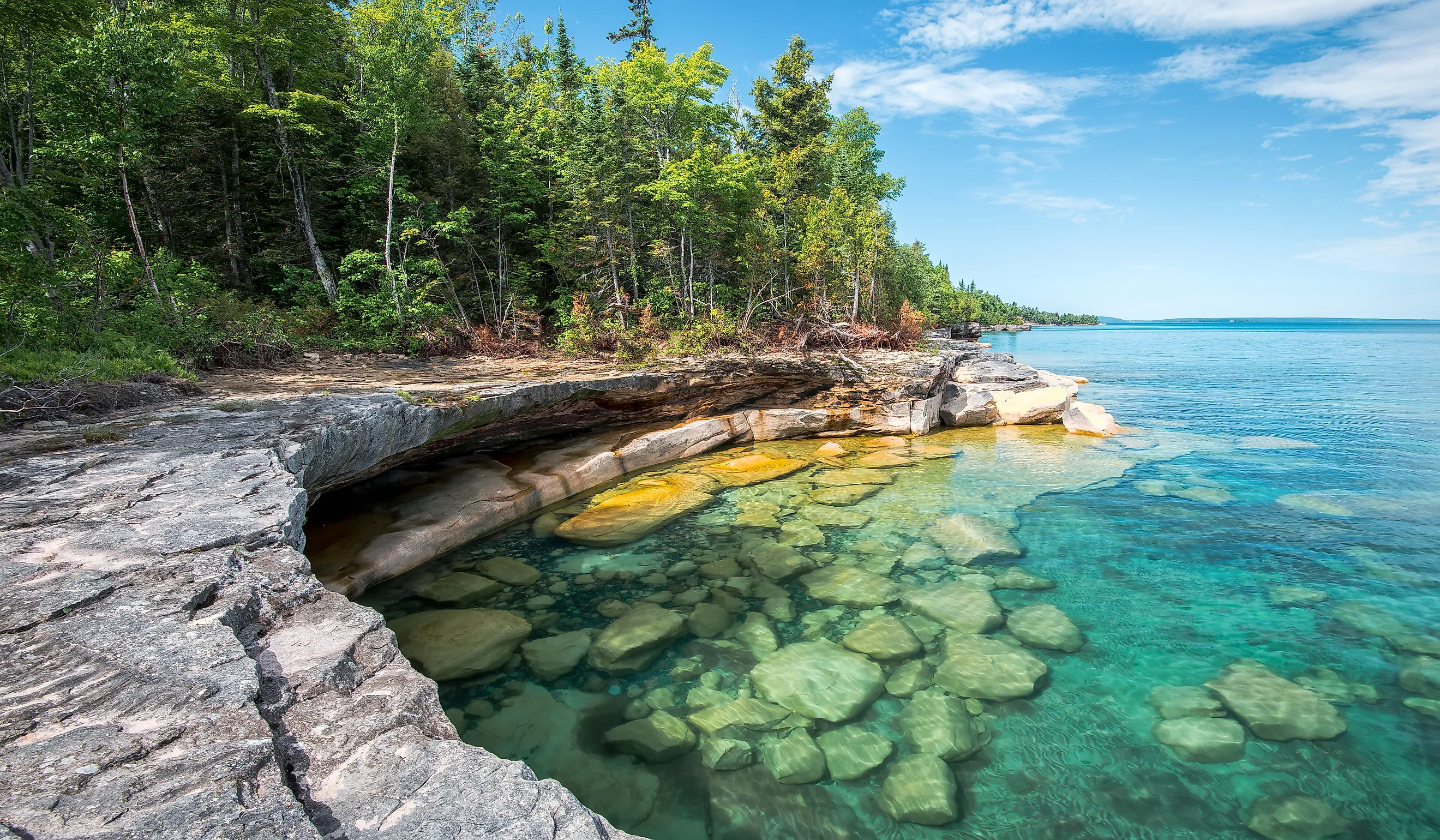
One impressive feature of Lake Superior is the clearness of its waters. One can see up to 27 feet below the water on average in Lake Superior, with some areas having clearness as much as 90 feet.
How long does it take to drain the other Great Lakes?
None of the other Great Lakes comes close to Lake Superior in the amount of time it would take to drain them. Lake Michigan is the closest with a retention time of 99 years. The other lakes have a much shorter retention time, with 22 years in Lake Huron, 6 years in Lake Ontario, and 2.6 years in Lake Erie. Lake Superior is unique among the Great Lakes for its water volume, surface area, temperature, development, and many other factors. One could spend an entire lifetime draining Lake Superior and not even remove a third of the water in this vast lake.