Why the Great Salt Lake Keeps Shrinking
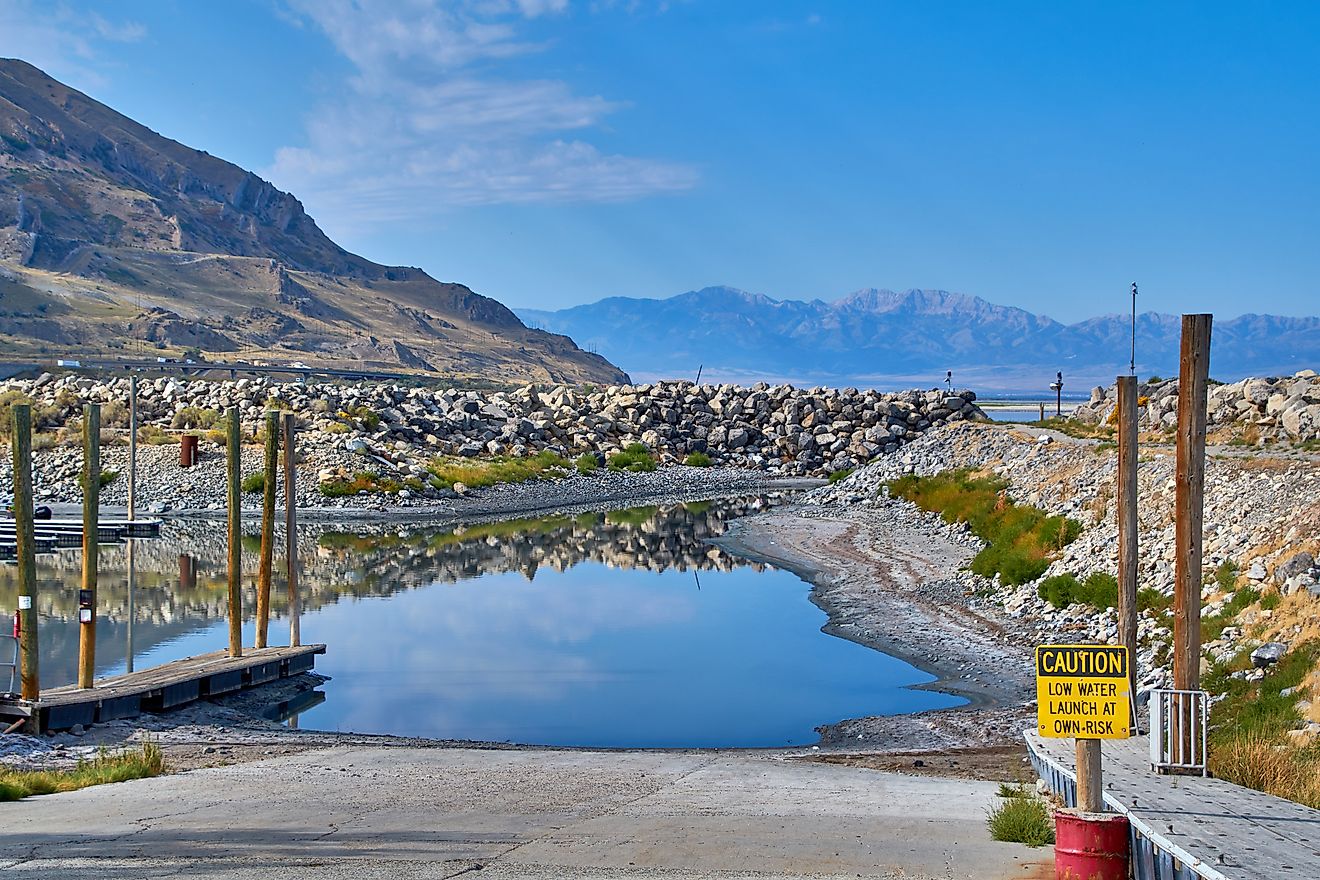
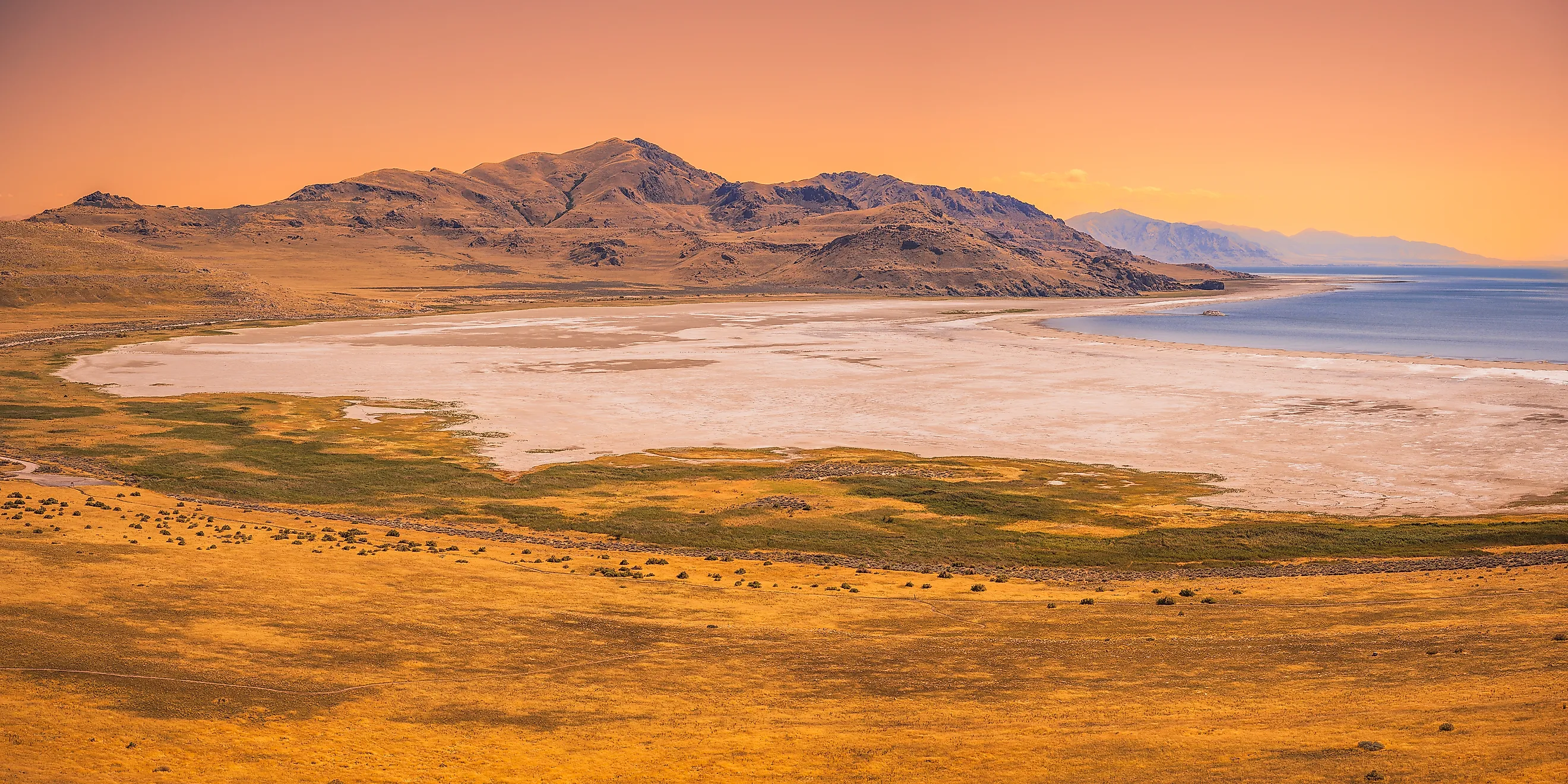
The Great Salt Lake of Utah is the largest saltwater lake in the Western Hemisphere. It hit record-low water levels in 2022. Utah scientists tie that decline to weak flows from the Bear, Weber, and Jordan Rivers. Water diversions, drought, and a warming climate all cut into those flows. A Portland State University study pinned two-thirds of the volume loss on reduced streamflow. The rest traced to faster evaporation off the lake surface. A shrinking lake threatens Utah's economy, its wildlife, and its air quality.
Shrinkage of the Great Salt Lake could damage Utah's economy, harm local wildlife habitats, and worsen public health through toxic dust storms rising off the exposed lakebed.
Less Water Reaches the Lake

The Bear, Weber, and Jordan Rivers supply most of the water reaching the Great Salt Lake, alongside smaller streams and direct precipitation. Together the three rivers account for the bulk of the lake's inflow. The Bear River alone provides close to 40% of all water entering the lake. Measured against river-sourced water only, its share climbs to roughly 60%, making it the single most important tributary.
Direct precipitation onto the lake supplies close to 30% of the water input. Groundwater and smaller streams make up the remainder.
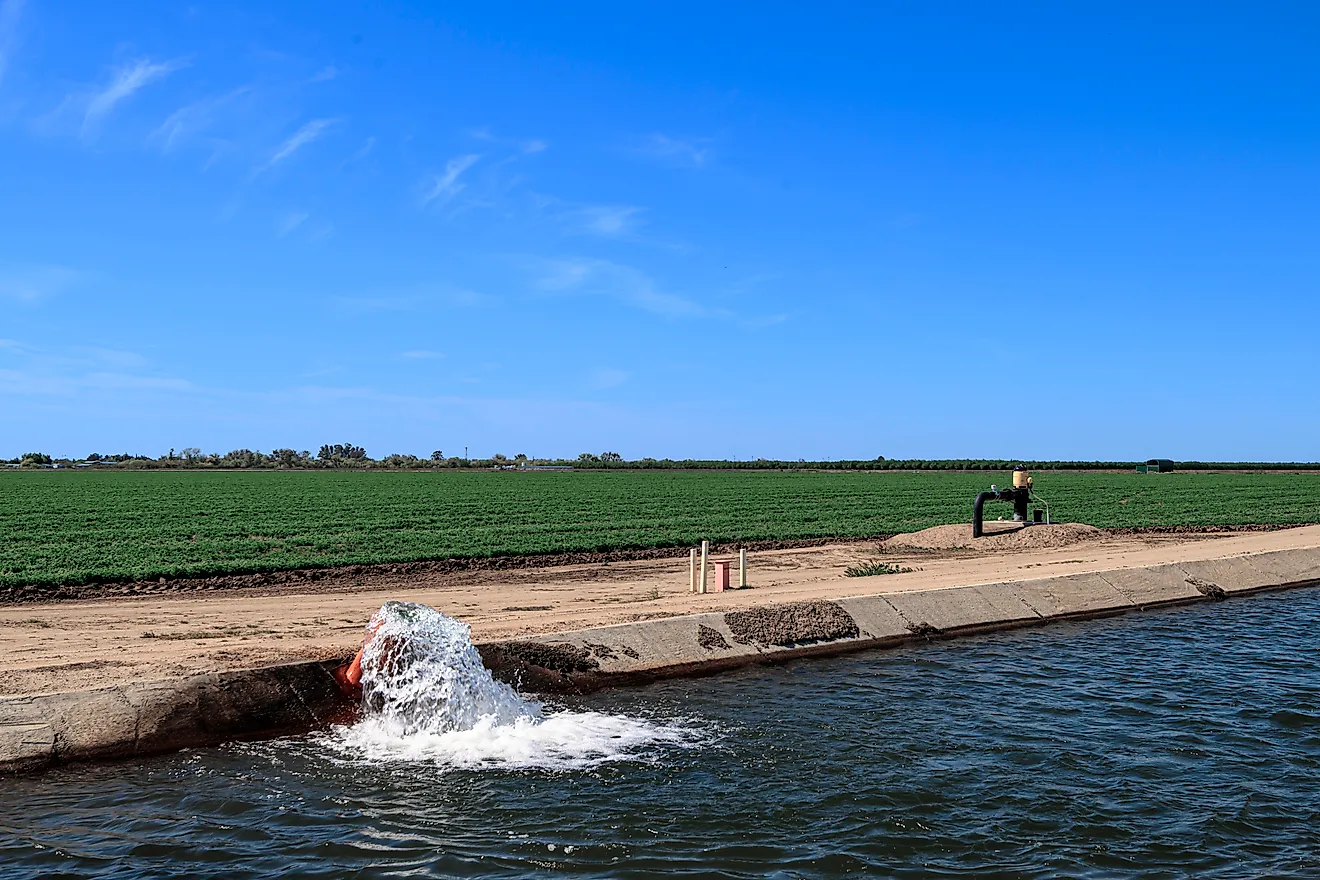
By 2024, Utah was diverting 5.2 million acre-feet of water from natural waterways for agricultural, residential, and industrial use. An estimated 41% of that total, roughly 2.1 million acre-feet, came from the watersheds that flow into the Great Salt Lake.
Agriculture takes the largest share of Utah's water diversions, using between 70% and 82% of the state's total diverted water, mostly for irrigation. About 68% of the water used for agriculture goes to alfalfa and hay. These crops bring in nearly half a billion dollars a year, yet producing a single ton of alfalfa uses as much water as two Utah households use in a year.
Climate Change Accelerates Water Loss

Human water diversion is one factor among several. Climate change has intensified the prolonged megadrought affecting the southwestern United States since 2000, cutting the amount of water flowing into the Great Salt Lake. Unusually warm temperatures set this megadrought apart, drying out soils and pulling moisture from the landscape. A larger share of precipitation now disappears before it can replenish rivers and reservoirs.
Warmer temperatures have shrunk snowpack, moved snowmelt earlier into spring, and increased evaporation from soils and vegetation before runoff reaches the rivers.
The Bear River shows this process clearly as the lake's primary tributary. It rises in the Uinta Mountains in Utah, winds through Wyoming and Idaho, reenters Utah, and empties into Bear River Bay on the lake's northeastern shore. Because the Bear River depends heavily on Uinta snowmelt, reduced snowpack and early runoff have lowered the volume in the river and the amount of water reaching the lake.
The Issue of Evaporation

The Portland State University study found that reduced streamflow accounted for two-thirds of the Great Salt Lake's declining volume. Increased evaporation off the lake accounted for the rest.
The Great Salt Lake is the largest terminal lake in North America. A terminal lake has no outlet, so its water cannot drain into another river or the ocean. Instead the lake loses water through evaporation, and minerals and salts stay behind. The Bear, Weber, and Jordan Rivers deposit more than 1.1 million tons of minerals and salt into the lake each year. Evaporation leaves those minerals and salts to accumulate, which gives the Great Salt Lake a salinity far higher than the oceans.
Under normal conditions, inflowing rivers and rainwater balance the evaporation. That balance has broken down. As the climate warms, evaporation off the lake increases. Sustained warming and rising evaporation were necessary conditions for the record-low water levels of 2022.
Streamflow can rebuild lake volume in the short term. Continued warm temperatures will sustain the evaporation that drives further long-term water loss.
What Happens if the Great Salt Lake Continues to Shrink?

A shrinking Great Salt Lake carries consequences well beyond the shoreline. The economy, ecosystems, and public health of northern Utah all depend on a healthy lake.
Falling water levels raise salinity, which limits the brine shrimp population. Millions of migratory birds feed on those brine shrimp during their journeys across North America. Dropping water levels also expose and dry the lakebed. Strong winds sweep across the exposed sediments and carry toxic dust laced with arsenic, copper, and other heavy metals into nearby communities, polluting the air and causing respiratory problems.
The shrinking lake also hits Utah's economy. The Great Salt Lake generates $1.9 billion in annual economic activity through mineral extraction, recreation, and tourism. Through lake-effect snow, it boosts snowfall over the Wasatch Mountain Range. Lower lake levels could reduce that snowfall and directly affect Utah's ski industry. The 11 world-class ski resorts in the Wasatch Mountains weighed heavily in the decision to award Salt Lake City the 2034 Winter Olympics.
Can the Great Salt Lake Recover?

Multiple pressures are shrinking the Great Salt Lake. Decades of water diversion have reduced inflows. Climate change has intensified drought, cut snowpack, and increased evaporation from the lake surface. Refilling the lake is possible, though it would require tighter management of agricultural and irrigation water plus policies that route more water to the lake. Recovery depends on how effectively Utah balances the needs of its growing population, its agricultural industry, and the natural environment.