8 Snake-Filled Waters In Oklahoma
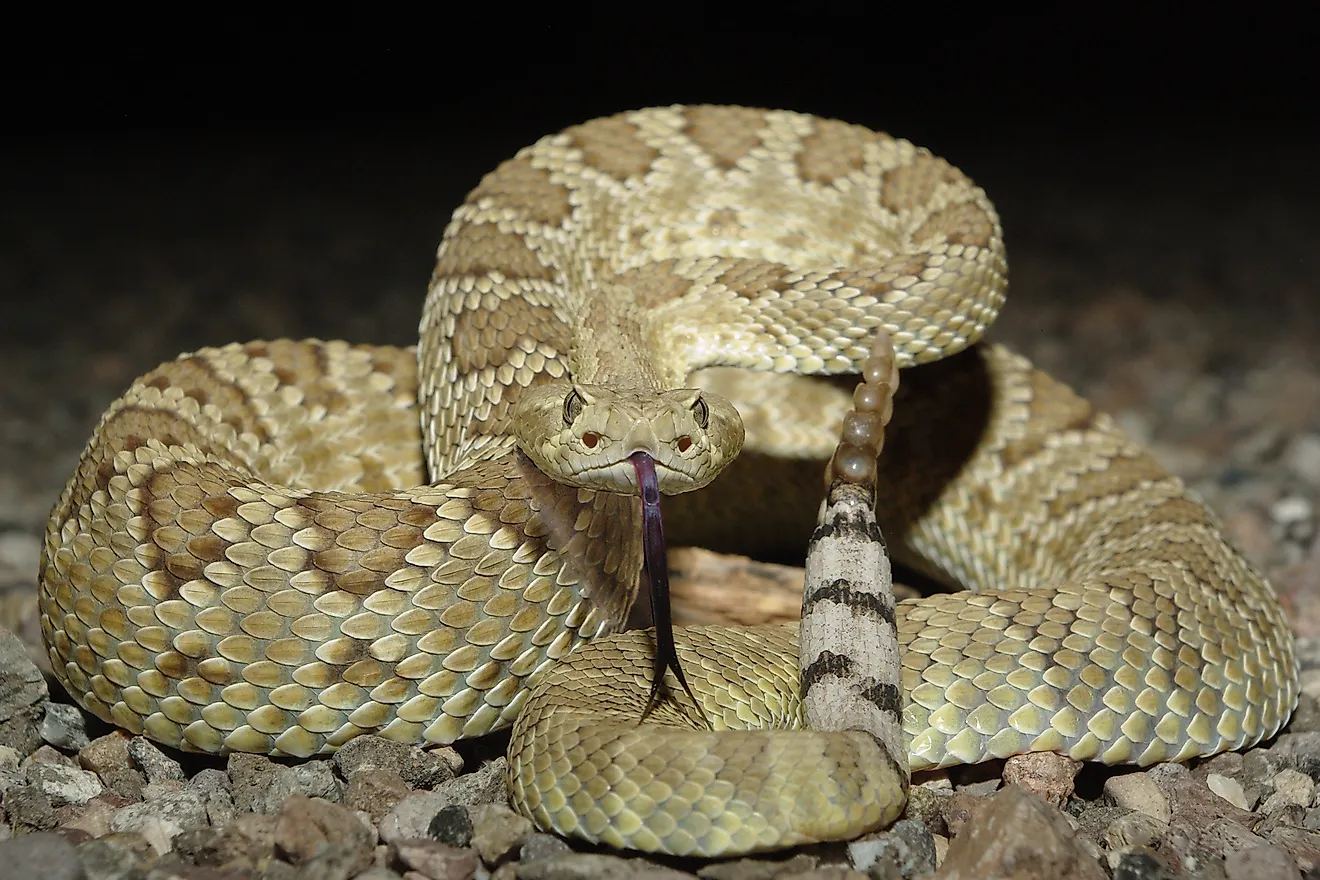
Oklahoma is home to almost 50 different kinds of snakes, seven of which are venomous, and many of them are drawn to water; thus, it should not come as a surprise to see one of these slithery serpents at one of the state’s lakes or reservoirs. While snake sightings can be unsettling, knowing where snakes are most commonly found can help outdoor enthusiasts safely enjoy Oklahoma’s natural beauty, particularly during the warmer months, when reptiles are most active in and around the sun-warmed waters.
Grand Lake O’ the Cherokees

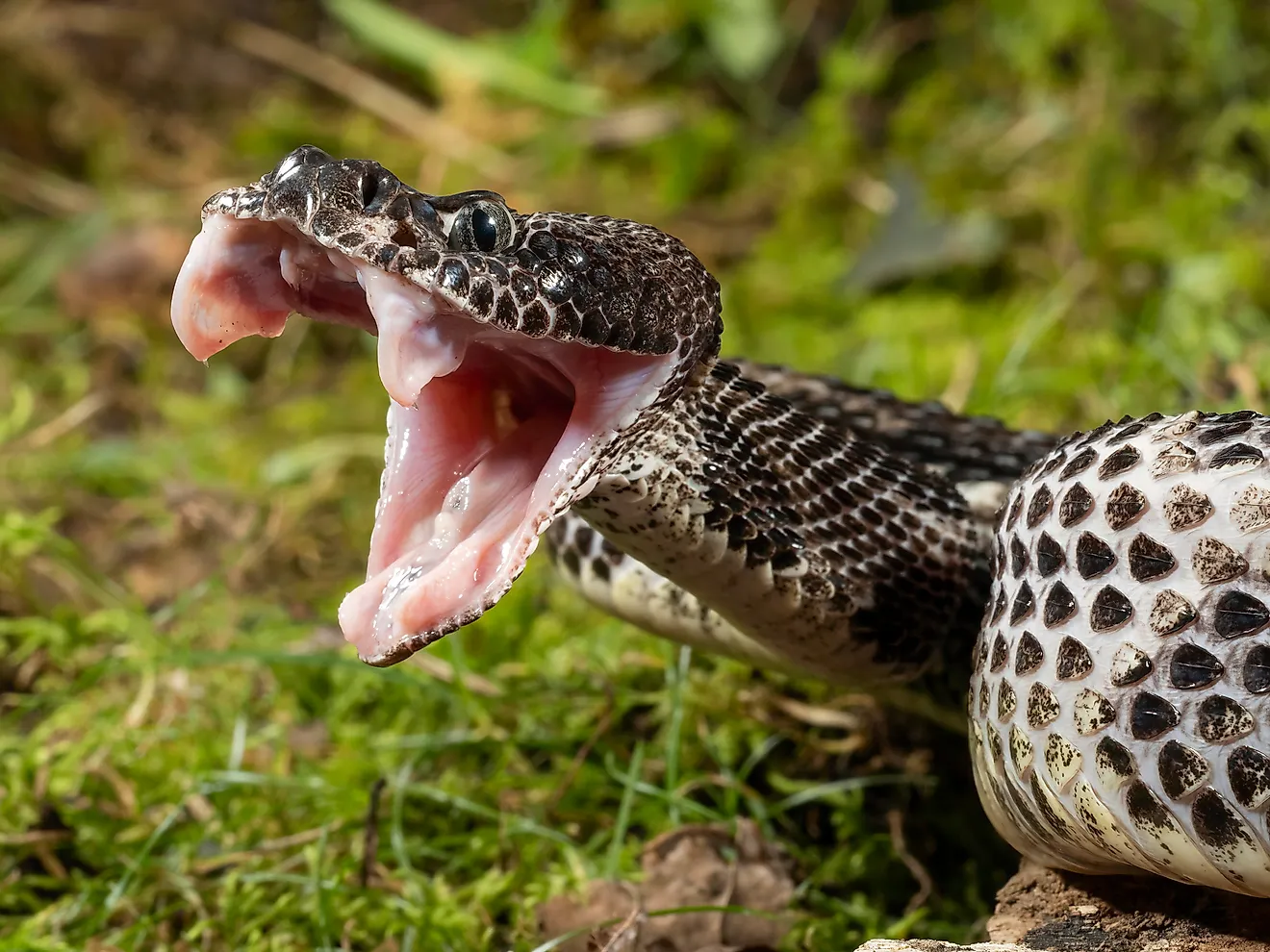
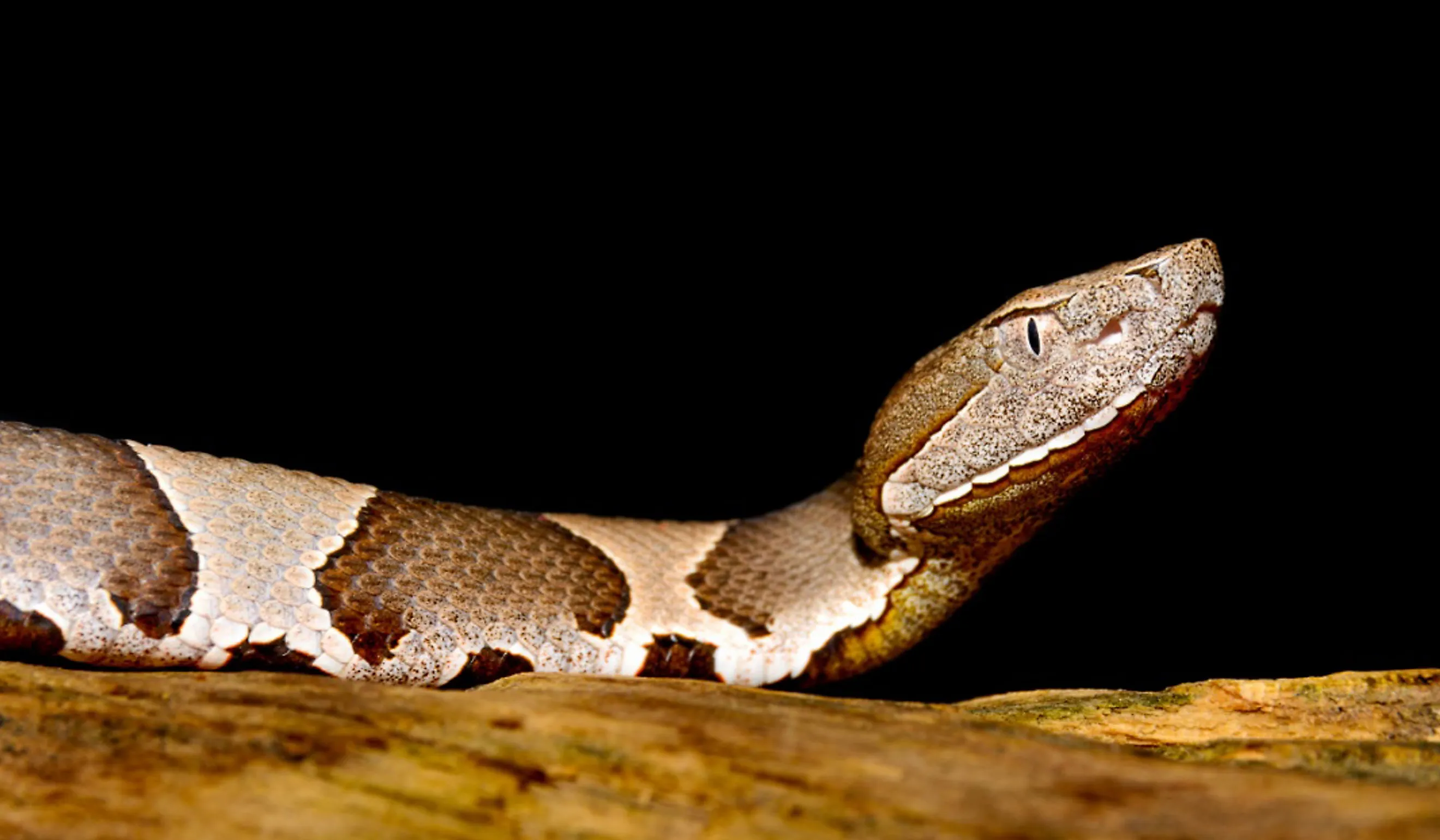
Located in Northeastern Oklahoma, Grand Lake O’ the Cherokees features coves and shallow bays that are ideal hunting and sunning spots for water-loving snakes. People who go fishing and parasailing in the lake’s waters commonly report seeing watersnakes here, even in early spring, thanks to the warmer winters. Most often, visitors spot non-venomous water snakes; however, venomous cottonmouth snakes also reside here. While it can be disconcerting to cross paths with any snake in the water, there are some ways to tell a difference between harmless water snakes and cottonmouths. Most non-venomous snakes, in Grand Lake O’ the Cherokees and other bodies of water, have round pupils, whereas cottonmouth snakes have vertical pupils.
Lake Texoma

The waters of Lake Texoma, a reservoir on the Red River, are home to many species of venomous and non-venomous snakes. The shorelines of this large reservoir are filled with rocks and vegetation that make these legless reptiles feel right at home. Located along the Oklahoma-Texas border, Lake Texoma attracts vacationers and daytrippers year-round because it contains multiple marinas and recreational areas along the shoreline. However, visitors have occasionally reported sightings of cottonmouths, rattlesnakes, copperheads, and other snakes where river channels meet the shore. Cottonmouths tend to be of the biggest concern to swimmers at Lake Texoma because they are semi-aquatic and the only venomous species of snake that spends a significant portion of their time in the water. Copperheads and rattlesnakes, on the other hand, can occasionally go into the water to pursue prey. Swimming is still permitted in the lake, but all visitors are advised to keep their eyes open for snakes and be aware of their surroundings.
Eufaula Lake

The long vegetated shoreline and inlets of Eufaula Lake, the largest lake in the state, support a healthy snake population. Local guides commonly list Eufaula Lake among bodies of water in Oklahoma with frequent snake sightings. This lake is a hotspot for recreational activities in the summer, and boaters in the area have seen snakes slither up onto boat ramps and into bags looking for warmth. The large number of snakes seen here is partially because Efaula Lake is one of the largest in the state, which means it's always possible to see rattlesnakes or Western Diamondback snakes. Along with Lake Tenkiller and Grand Lake O’ the Cherokees, Eufaula Lake is known as one of Oklahoma’s “Big Three Lakes".
Lake Tenkiller

Lake Tenkiller, a reservoir surrounded by rocky bluffs and wooded shorelines, is frequently mentioned in local reports of cottonmouth and watersnake encounters. Created by damming the Illinois River, this lake and its surrounding area attract scuba divers, campers, hikers, fishers, and hunters year-round. Like other water-loving snakes in Oklahoma, many of the species you would come across in this lake are non-venomous, such as watersnakes. In general, when approached by a human, innocuous snakes will flee, while venomous snakes will not. However, it is best to give any snake their space just in case.
Lake Thunderbird

Located near the city of Norman, Lake Thunderbird’s shallow coves and marshy edges make it attractive to watersnakes and other species. Locals have dubbed this lake “Dirty Bird” due to its cloudy water. Water that is murky or difficult to see through can provide extra cover for water-loving reptiles. Cottonmouth snakes do live in these waters, but most often, visitors spot harmless snakes basking on rocks or taking cover in the marsh. Lake Thunderbird is a popular place for recreational activities, including horse riding, camping, and hiking. As always, staying alert to your surroundings is the best way to enjoy activities at the lake.
Lake Hefner

Known for its lighthouse and beautiful scenery, Lake Hefner is bordered by residential areas, so the local wildlife and human population must find ways to coexist. Originally, the 2,500-acre lake was created as a water supply for Oklahoma City, but it is also a well-loved recreational spot. People enjoy boating, fishing, and hiking the extensive trails in and around Lake Hefner. Though it is in an urban setting, Hefner’s grassy banks and reedbeds make great habitats for a variety of snake species. Visitors often spot garter snakes, diamondback, and plain-bellied water snakes, which are all harmless; however, rattlesnakes also make appearances on occasion.
Collinsville Lake

Collinsville Lake, a small reservoir with a shallow, vegetated shoreline, provides ideal habitat for snakes. There are two miles of hiking and biking trails around the lake, so despite the large population of snakes, the lake draws in quite a few visitors. Anyone spending time near Collinsville Lake should be aware of the large population of cottonmouth snakes, which are also known as water moccasins, that reside there. While cottonmouth snakes are the most venomous species in North America, a bite from one of these serpents is rarely fatal with proper and immediate medical care.
Okemah Lake

Situated in central Oklahoma, Okemah Lake is a serene spot for fishing and camping. Away from major cities, people often come here to disconnect from the hustle and bustle of daily life. However, the calm waters and peaceful setting are also prime real estate for the state’s native snake species, including cottonmouths and rattlesnakes. Areas with lots of rocks and tall grass will likely contain snakes, so people should stay away from those areas at Okemah Lake. The best way to avoid a snake bite is to recognize the places they enjoy spending time, and then simply steer clear of those areas.
Do not let the presence of snakes stop you from visiting one of the beautiful lakes in Oklahoma. Even though these waters play a crucial role in supporting the state’s diverse snake population, it can sometimes be disconcerting to know snakes, including venomous ones, might be swimming nearby or sunning themselves on the shoreline. All of the native snake species are vital parts of maintaining healthy ecosystems around these bodies of water.