6 Most Snake-Filled Bodies Of Water In Wyoming
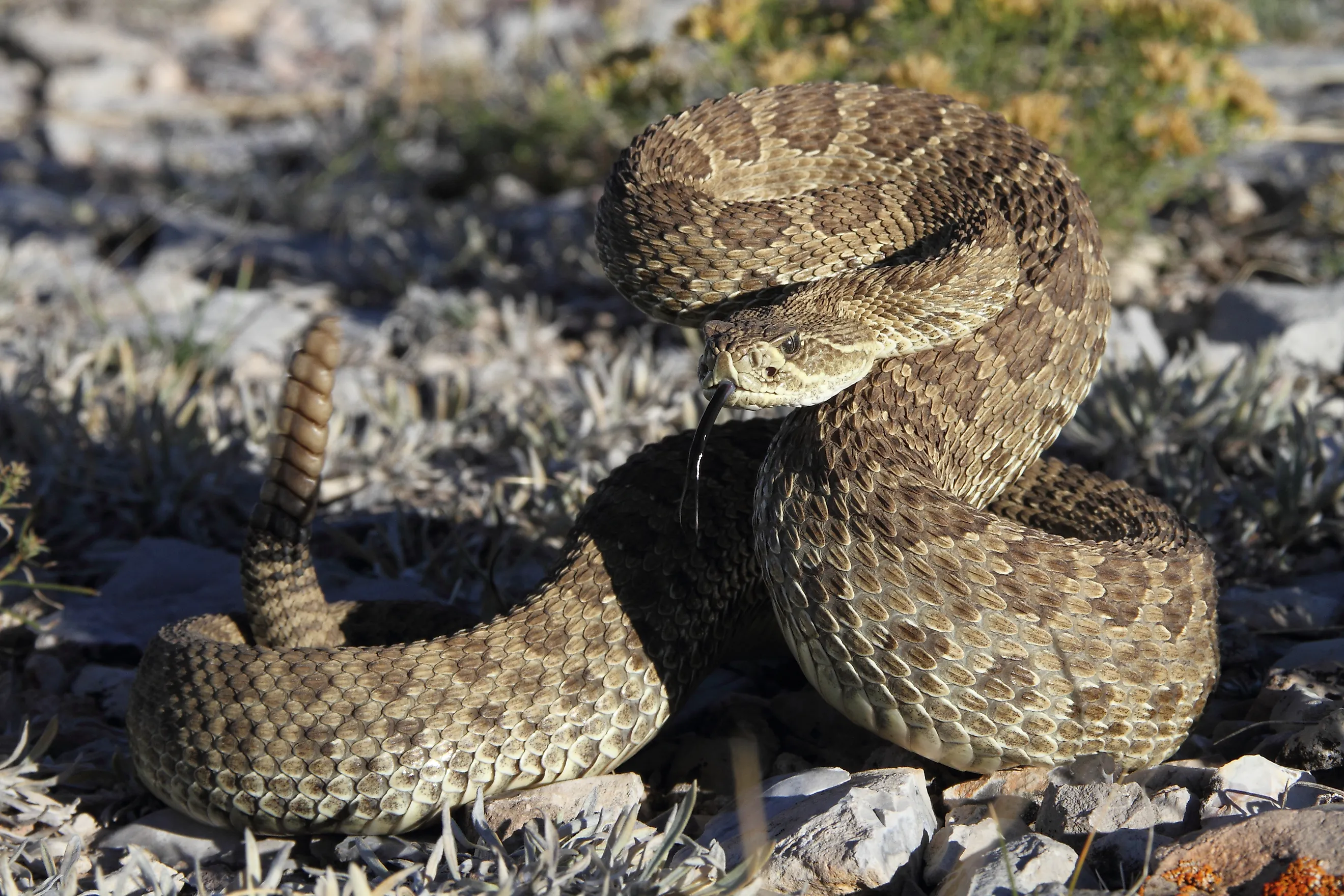
The prairie rattlesnake (Crotalus viridis) is a capable swimmer, and on a warm Wyoming evening, it will cross open water rather than circle a shoreline on foot, sometimes heading straight toward a boat. It is one of only two venomous snakes in the state, alongside the far rarer midget faded rattlesnake (Crotalus concolor), which is confined to the rocky canyons of the southwest. In the six bodies of water below, the widespread prairie rattlesnake is the one anglers and paddlers meet crossing the open water, but it shares these shorelines with harmless species: the burly bullsnake (Pituophis catenifer sayi) that mimics it, and the garter snakes that actually hunt fish and frogs at the water's edge. The draw is the heat, as the surface holds the day's warmth long after the shoreline rocks cool, and the rocky, sun-baked terrain around these reservoirs gives snakes cover between basking ledges and denning sites. Bites are rare, and the snakes would rather leave than fight. Still, it pays to know where and how to be on the lookout.
Bighorn Lake

Rainbow trout pulled from Bighorn Lake have turned up with juvenile prairie rattlesnakes in their stomachs, a sign of how often young rattlers end up in the water here. The lake is the centerpiece of Bighorn Canyon National Recreation Area, more than 120,000 acres of cliffs straddling the Wyoming-Montana line, and it runs 71 miles with a shoreline of close to 190 miles. Prairie rattlesnakes are common enough across the recreation area that the National Park Service has estimated roughly one snake per acre in suitable habitat.

Near Devil Canyon Overlook, the walls drop about a thousand feet to the water, and the exposed rock heats quickly, so snakes bask within a few yards of the boat ramps. Horseshoe Bend and Barry's Landing, the two Wyoming-side launch points, sit on a walleye fishery where a crossing rattlesnake and a lookalike bullsnake are both regular company. The wandering garter snake (Thamnophis elegans vagrans), the most widespread snake in the state, works the shallows here too, hunting fish and amphibians at the waterline.
Boysen Reservoir

Boysen Reservoir sits in Wind River Canyon south of Bighorn Lake. At 19,560 acres, it is the largest reservoir in Wyoming, the heart of the state's largest state park. The canyon walls trap heat well past sunset, and the rocky coves stay warm long after the sagebrush flats have cooled, which keeps prairie rattlesnakes active into the evening. The reservoir holds walleye, crappie, perch, and stocked trout, and its rocky margins give snakes cover between basking and denning sites along the shore.

Tough Creek Campground sits on a peninsula on the eastern side, the kind of sun-warmed, rocky ground where sightings pick up from late spring onward. Rattlesnakes are not the only snake here, however. The western hog-nosed snake (Heterodon nasicus), a stout, upturned-snouted burrower that bluffs hard and rarely bites, has been recorded in the loose soil and exposed flats.
Seminoe Reservoir

Seminoe is the uppermost reservoir on the North Platte, formed by a 295-foot dam about 40 miles northeast of Rawlins, and it spreads across more than 20,000 acres. The reservoir runs roughly 24 miles with about 180 miles of rocky shoreline, and the same rock that draws walleye and trout anglers gives prairie rattlesnakes cover on both sides of any water crossing. Snakes here den and bask in the granite outcrops the North Platte cuts through the Seminoe Mountains, then cross open water between coves rather than working the long way around the bank.

Seminoe State Park, which wraps the north end of the reservoir, sees the same species mix as the rest of central Wyoming: the venomous prairie rattlesnake and its nonvenomous double, the bullsnake. The plains garter snake (Thamnophis radix), a strong swimmer that preys on fish and amphibians, keeps to the wetter margins where the rattler seldom goes.
Alcova Reservoir

Downstream of Seminoe on the North Platte, Alcova draws waterskiers and campers to six campgrounds and eight boat launches about 30 miles southwest of Casper. Prairie rattlesnakes favor Fremont Canyon, off the reservoir's north shore, where bare granite holds the day's heat well past sunset and keeps snakes out later than the sagebrush flats around them.

The reservoir is restocked with rainbow and brown trout, and its marina crowd deals with plenty of prairie rattlesnakes and bullsnakes alike. Tell the two apart by the head: broad and triangular on the rattlesnake, narrow and rounded on the bullsnake, which also lacks the true rattle even as it shakes its tail in imitation. Down at the waterline, the plains garter snake is the one you are most likely to see actually swimming, trailing the frogs and small fish it feeds on.
Glendo Reservoir

Glendo Reservoir sits further down the North Platte toward the Nebraska line, a 12,000-acre lake inside a 22,000-acre state park in eastern Wyoming, and it holds one of the best walleye fisheries in the state. Limestone bluffs and sheltered coves give prairie rattlesnakes strong denning ground. The rock absorbs heat all day and holds it well into the night, letting snakes stay active later than they would on flatter ground.

The park's 45 miles of non-motorized trails cross stony outcrops above the water where rattlesnakes stretch out on sunlit ledges, and the Two Moon area near the northern coves sits close to the same rock piles, so boaters pulling in should expect company. As with the other North Platte reservoirs, the rattlers here take to the water between coves, while plains garter snakes work the shallows for fish and frogs.
Flaming Gorge Reservoir

Flaming Gorge closes out the list in the desert badlands of Wyoming's southwest corner, where the reservoir stretches 91 miles across the Wyoming-Utah line. The Wyoming side looks nothing like the forested Utah half: low hills, shale badlands, and desert shrub line the shore near Buckboard Marina and Firehole Canyon, exactly the ground prairie rattlesnakes favor over the pine slopes across the state line.

This corner is also the one place in the state where the rare midget faded rattlesnake turns up, restricted to the Green River drainage and its south-facing rock outcrops. Firehole Canyon sits on the reservoir's eastern shore beneath the North and South Chimney Rocks, its campsites scattered among sagebrush with almost no shade, which pushes snakes toward rock cracks and canyon walls. Anglers working the water between Buckboard Crossing and Currant Creek fish the same rocky banks the snakes use to sun themselves between hunts.
Staying Safe On The Water
Across all six reservoirs, sun-warmed rock and a shoreline full of prey make an ideal habitat for a snake that swims better than most people expect. Remember that bites from either of Wyoming's venomous species are rare, and a rattlesnake in the water is not hunting you. Still, Wyoming Game and Fish Department guidance holds the same on water as on land. Back away and let the snake reach the bank on its own, and leave the paddle and the net in the boat rather than swinging at it. Paddleboarders and waterskiers should watch the surface for that slow, S-shaped glide and steer around it. If a bite does occur, get away from the snake, keep the bitten limb still and below heart level, and get to a hospital immediately rather than trying to treat it yourself.