6 Rattlesnake Hotspots In Wyoming
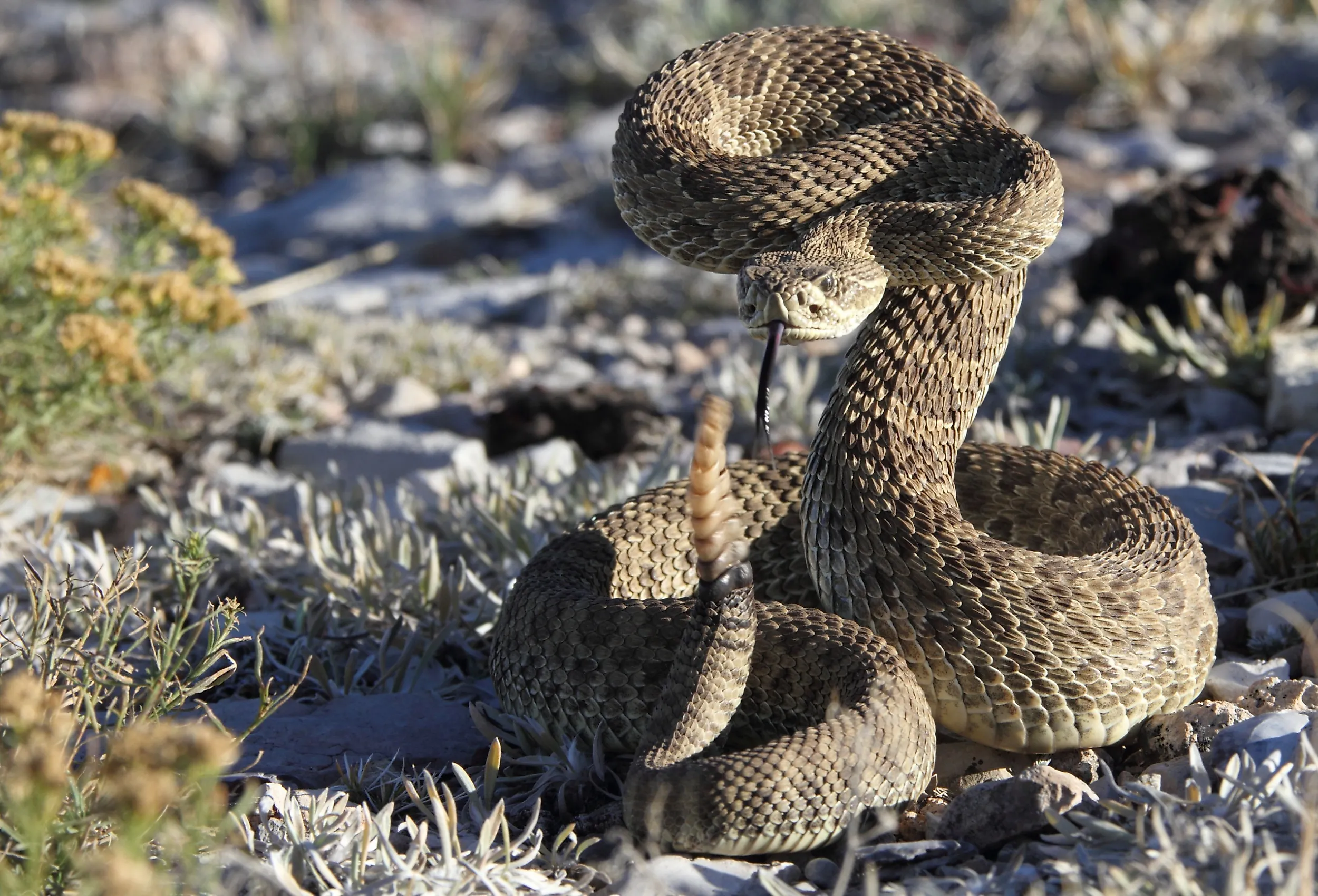
For those checking out Wyoming's incredible hiking trails in its national and state parks, or for those who find themselves on the state's rivers, it is important to use caution, as rattlesnakes can be hiding under rock piles or basking on riverbanks. Wyoming is home to 16 species of snakes, of which only two are venomous, both being rattlesnakes. While many snakes are solitary creatures, rattlesnakes gather communally to hibernate in dens over winter. It is not uncommon for hikers to stumble across groups of rattlesnakes emerging from their dens in the spring as the weather warms. The following six locations are some of Wyoming's rattlesnake hotspots.
Yellowstone National Park

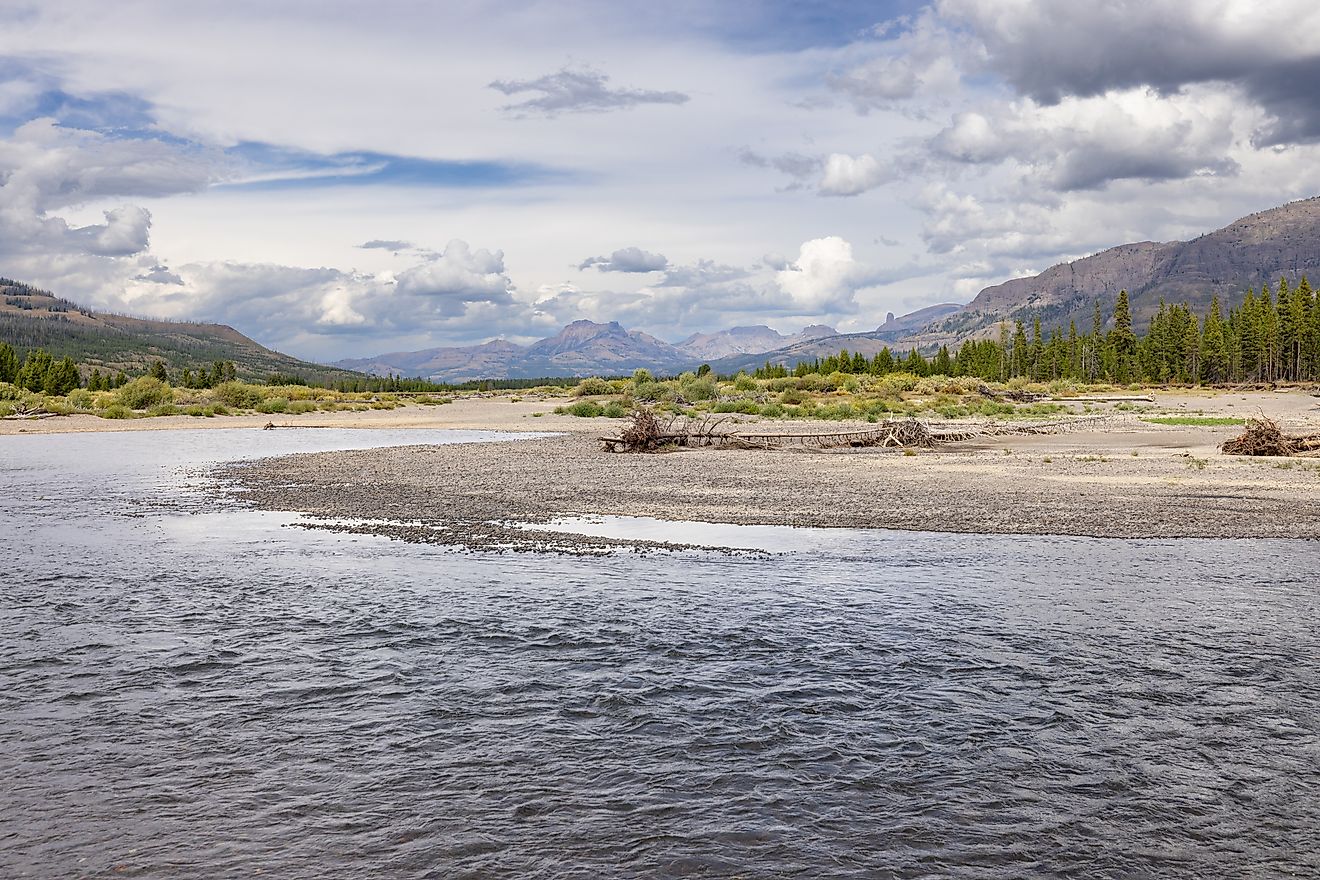
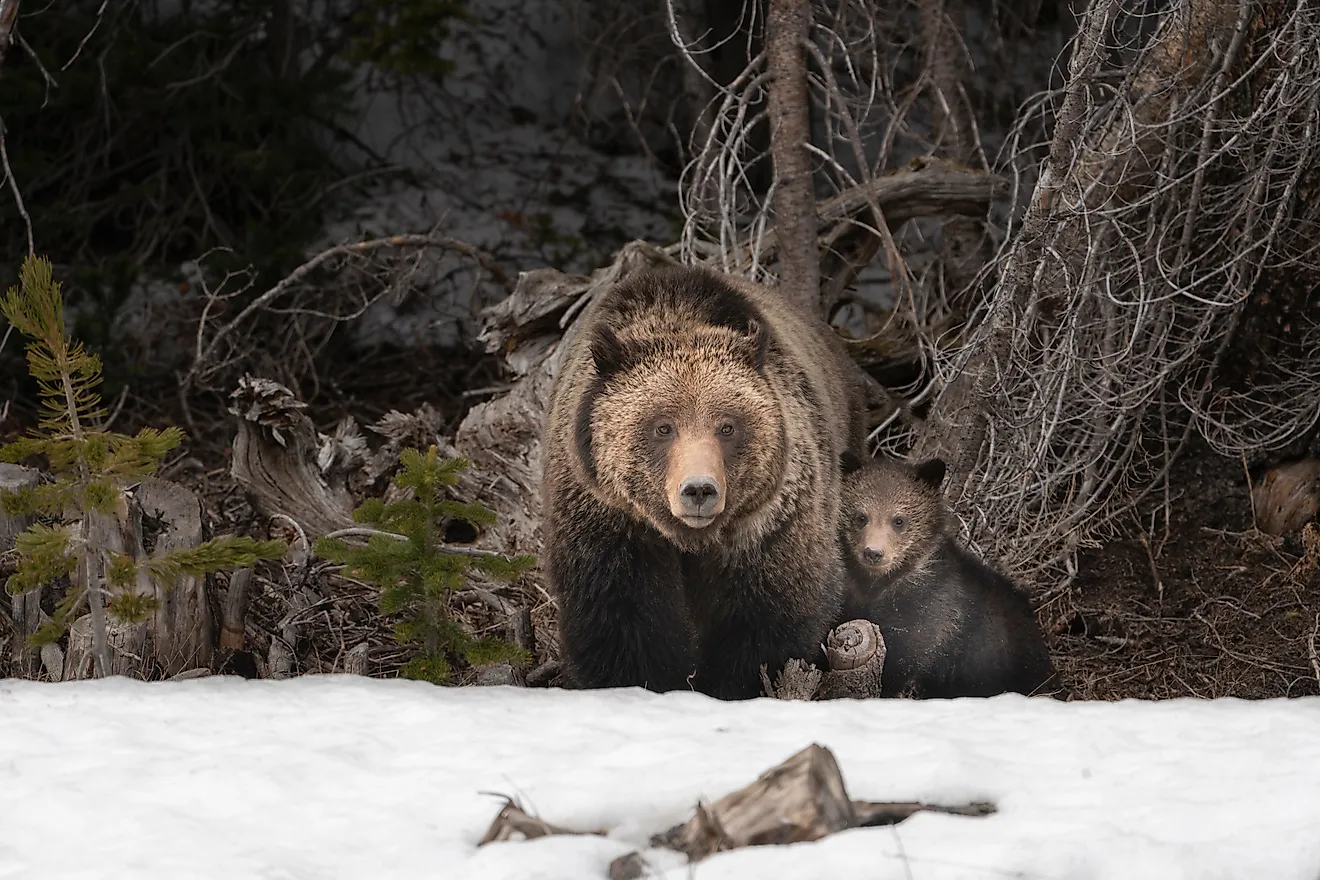
Yellowstone National Park is the oldest National Park in the United States, and while it spans over Montana and Idaho, it is primarily situated in Wyoming. Comprising 2.2 million acres, it is one of the largest National Parks in the country. Visitors to the park revel in the opportunity to explore around half of the world's geysers, mountainous terrain, and various wildlife, including Grizzly Bears, Bison, and snakes.

The only venomous snake in the park is the Prairie Rattlesnake (Crotalus viridis). It primarily inhabits the lower Yellowstone River area of the park, where the climate is drier and warmer than elsewhere in the park. This snake is usually defensive rather than aggressive. Luckily, there have only ever been two recorded bites from this species in park history.
Devils Tower National Monument

Devils Tower National Monument rises 867 feet from its base on the prairie floor, and 1,267 feet from the valley of the Belle Fourche River. The Devils Tower was most likely formed when a volcanic intrusion pushed upward and hit a layer of hard rock, widening into a flat summit about half the size of a football field. The tower is regarded as one of the best places in North America for rock climbing; however, there is more to the area than just the tower it is named after. The forests and prairies surrounding the area provide ample habitat for different wildlife, including the Prairie Rattlesnake. It is one of the most commonly seen snakes in the park and is often seen in early summer, especially around the Tower Trail.
Green River

The Green River originates in west-central Wyoming, rising on the Continental Divide of the Wind River Range. It flows south, forming a couple of reservoirs in Wyoming, then through Utah and Colorado, before eventually joining the Colorado River after a total course of 730 miles. The Midget Faded Rattlesnake (Crotalus concolor) inhabits the Lower Green River Valley in Wyoming, where it is most active between late April and September, with mating occurring between August and September.

Midget Faded Rattlesnakes require specific habitat conditions, which include south-facing rocky outcrops and exposed canyon walls, which are crucial for seeking refuge, thermal conditions, and hibernation in the colder winter months.
Sinks Canyon State Park

Sinks Canyon State Park is located in west-central Wyoming within the Wind River Mountains on the middle fork of the Popo Agie River. The park is named after the canyon in which a unique natural phenomenon occurs. The Popo Agie River disappears underneath a limestone cavern and then reappears a quarter-mile later, where it empties into a pool of water. The canyon offers visitors a variety of outdoor activities, including hiking, mountain biking, rock climbing, fishing, and camping.

One of the most commonly seen snake species in the canyon is the Prairie Rattlesnake. It is advised to keep dogs leashed when recreating in the park, as the venom of the Prairie Rattlesnake is potent enough that it is lethal to small dogs.
Bighorn Canyon National Recreation Area

Bighorn Canyon National Recreation Area is situated between northern Wyoming and southern Montana, spanning over 120,000 acres of forests, mountains, prairies, valleys, deserts, and wetlands. With over 12 hiking trails of varying difficulty, and multiple water-based activities on Bighorn Lake and Bighorn River, there is no shortage of activities to indulge in. Despite a preference for warmer, drier habitats, the Prairie Rattlesnake has been observed swimming on Bighorn Lake. In fact, Prairie Rattlesnakes are so abundant in the park that they fall prey to Red-Tailed Hawks, and even young Rattlesnakes have been found in the bellies of Rainbow Trout. They will hibernate underground below the frost line, and usually emerge within the park in April or May.
Fort Laramie National Historic Site

The Fort Laramie National Historic Site was originally established as a fur-trading post in 1834, but later operated as the largest military post on the Northern Plains until it was abandoned in 1890. The site features a visitor center museum, a movie theatre, a bookstore, nine museum spaces located in historic buildings across the park, indoor and outdoor guided programs, and hiking trails on the grounds. However, caution should be exercised when exploring the site's exterior grounds, as Prairie Rattlesnakes are sometimes seen along trails and outside buildings in the warmer summer months.
Wyoming's Rattlesnake Hotspots
While rattlesnakes may provoke fear at the mention of them, it is important to remember that they do not pose a threat to humans. In fact, they will go to great lengths to avoid conflict with humans by sounding the rattle on their tail when people unknowingly get too close to them. Most venomous snake bites in the United States occur when people either harass or attempt to kill a snake. It is therefore better to leave rattlesnakes alone, move away from them, or allow them to pass through, ensuring a safe outcome for both people and the snakes.