The US Waters Where Boil-Water Notices Happen Most Often
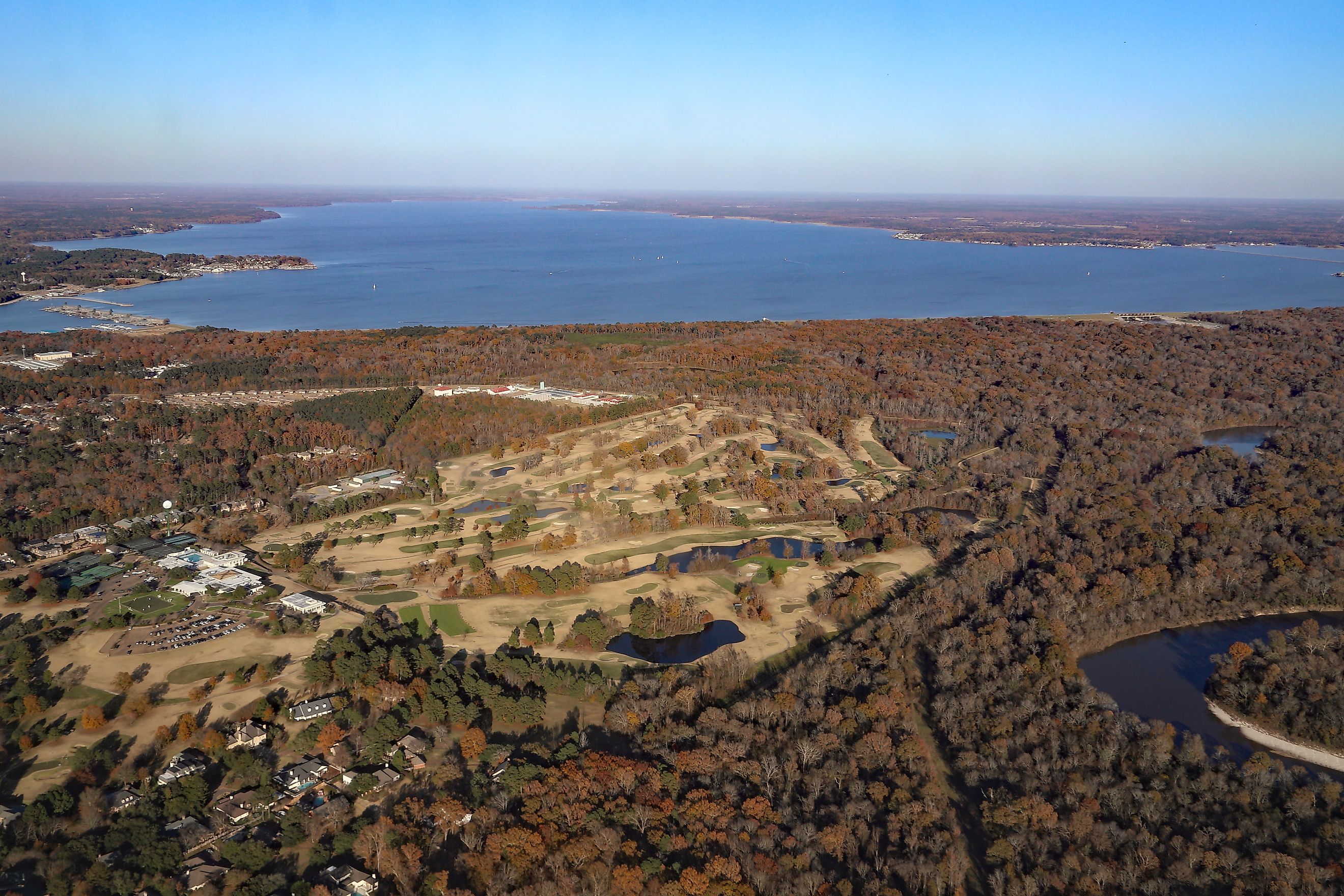
On a summer weekend, the Ross Barnett Reservoir in central Mississippi is packed with sailboats, fishing boats, and families on the shoreline. Formed when a dam closed off the Pearl River in the 1960s, it also supplies most of the drinking water for Jackson, Mississippi, a city that has issued hundreds of boil-water notices in recent years. A boil-water notice tells people to boil tap water before drinking it, usually because water pressure dropped or the treatment plant could not fully clean the water. There is no single national count of these notices, so the places below were chosen using utility, state, and federal records of repeated or unusually long system-wide notices. In nearly every case, the lake or river itself is not the main problem, because the trouble starts at the treatment plant or in the pipes. The stories of these waters show how much a city depends on both.
Ross Barnett Reservoir, Mississippi

Few US water sources are as closely linked to boil-water notices as the reservoir that serves Jackson. Water from the reservoir feeds the city's main treatment plant, but aging equipment, staffing shortages, and a water main network riddled with breaks have led to notice after notice. When the US Department of Justice sued the city over its drinking water, its complaint listed more than 300 boil-water notices issued over roughly two and a half years. In 2022, flooding on the Pearl River pushed the troubled plant to the brink of failure, leaving much of the city without safe running water.
The story is slowly turning. Since late 2022, a federally appointed manager has run the system, working to repair the plants and the pipes. Meanwhile, the reservoir remains one of central Mississippi's favorite places to play, and the Natchez Trace Parkway runs right along its shore, with an overlook that offers wide views across the water. Locals know that the dam's spillway is a popular spot for anglers, and for the occasional alligator sunning on the concrete below.
Lake Austin, Texas

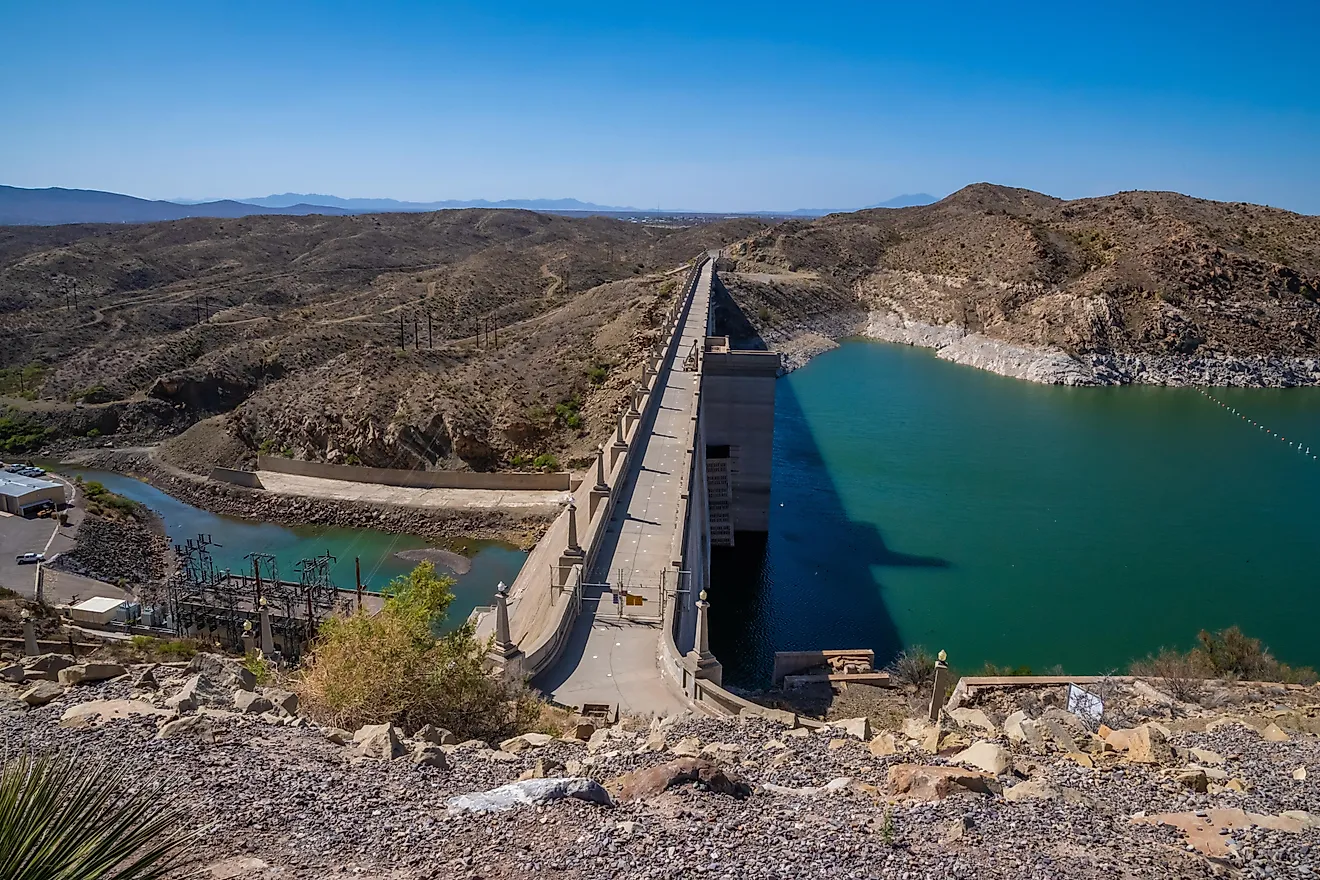
Lake Austin is a narrow, winding reservoir on the Colorado River, held back by Tom Miller Dam, completed in 1940, on the city's west side. It feeds the Ullrich Water Treatment Plant, Austin's largest, and that plant has been at the center of all three citywide boil-water notices in the city's history. The first, in 2018, came when record flooding upstream sent so much mud into the river that the plants could barely keep up. The second came during the 2021 winter storm that knocked out power across Texas. The third, in 2022, was caused by a mistake inside the plant, and it led to the resignation of the utility's director.
An outside review later made dozens of recommendations to make the plant more reliable, and the utility agreed with most of them. On the water, Lake Austin is a favorite for paddleboarders, water skiers, and boaters, and the climb up Mount Bonnell rewards hikers with one of the best views in the city. Locals know that Lake Austin is a "constant-level" lake, kept close to the same height year-round, unlike the reservoirs upstream that rise and fall with drought and flood.
North Fork Reservoir, North Carolina

Asheville's boil-water notice after Hurricane Helene was not about frequency. It was about endurance. The North Fork Reservoir, set in the mountains above the town of Black Mountain, normally supplies about 80% of the city's water, and its mountain water is normally exceptionally clean. When Helene struck in September 2024, floodwaters destroyed the main water lines and churned the reservoir into a muddy mess. Asheville stayed under a boil-water notice for 53 days, an extraordinarily long stretch for a city of its size.
Recovery took creativity. Crews hung curtains in the reservoir to trap sediment, treated the water with chemicals that help particles settle, and the US Army Corps of Engineers brought in temporary filtration systems. The notice was finally lifted on November 18, 2024, and the destroyed water lines have since been replaced. The reservoir sits inside a protected watershed that is closed to the public, which helps keep its water clean, so most visitors experience it the way locals do, as the water flowing from their taps.
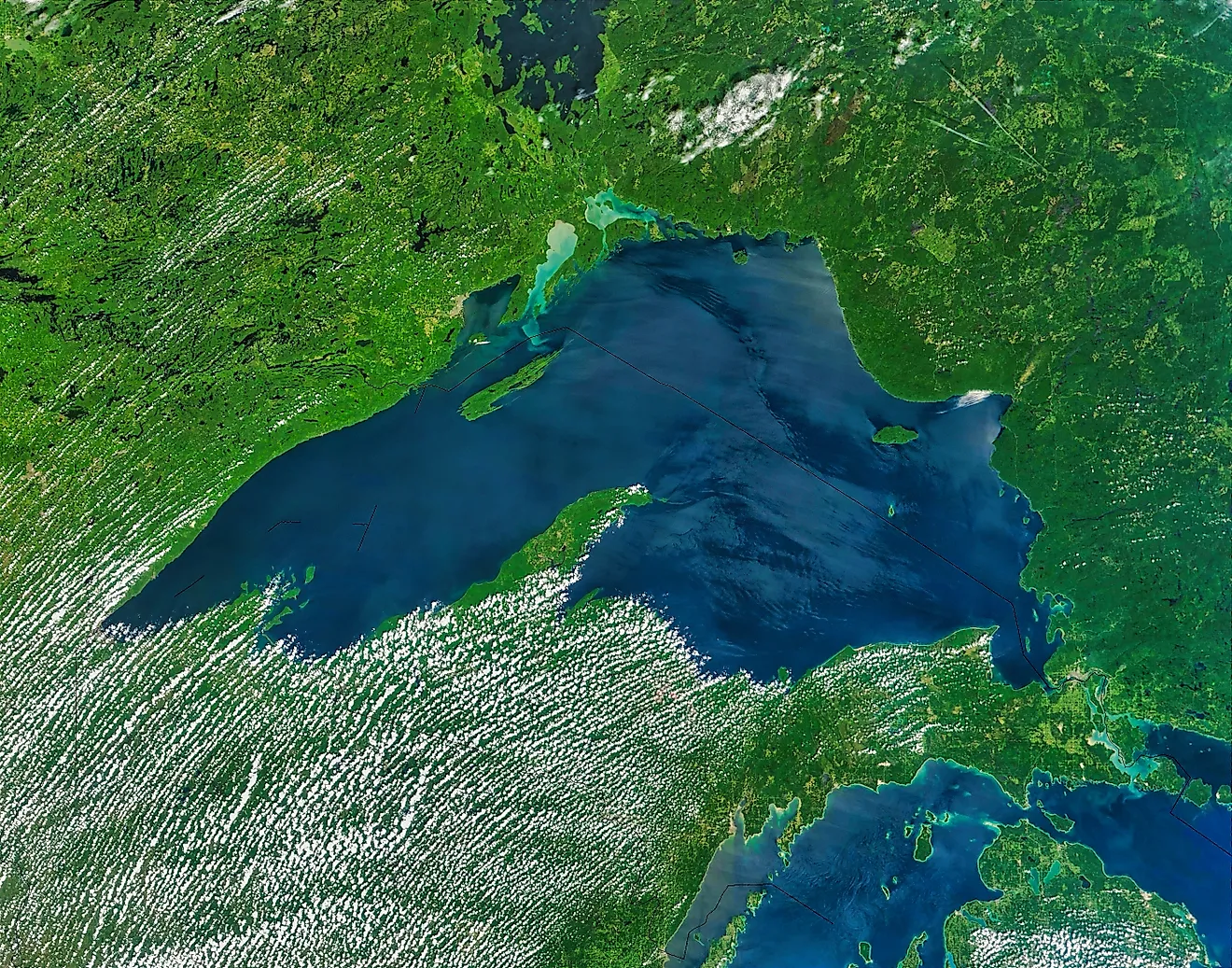
Lake Erie, Ohio, Where Boiling Doesn't Help

Not every water warning is a boil notice, and Lake Erie shows why. In August 2014, a toxic algae bloom near Toledo's water intake contaminated the drinking water for more than 400,000 people. Instead of a boil notice, officials issued a "do not drink" order, because boiling water does not destroy the algae's toxin and can actually make it more concentrated as the water evaporates. For several days, residents could not drink their tap water at all.
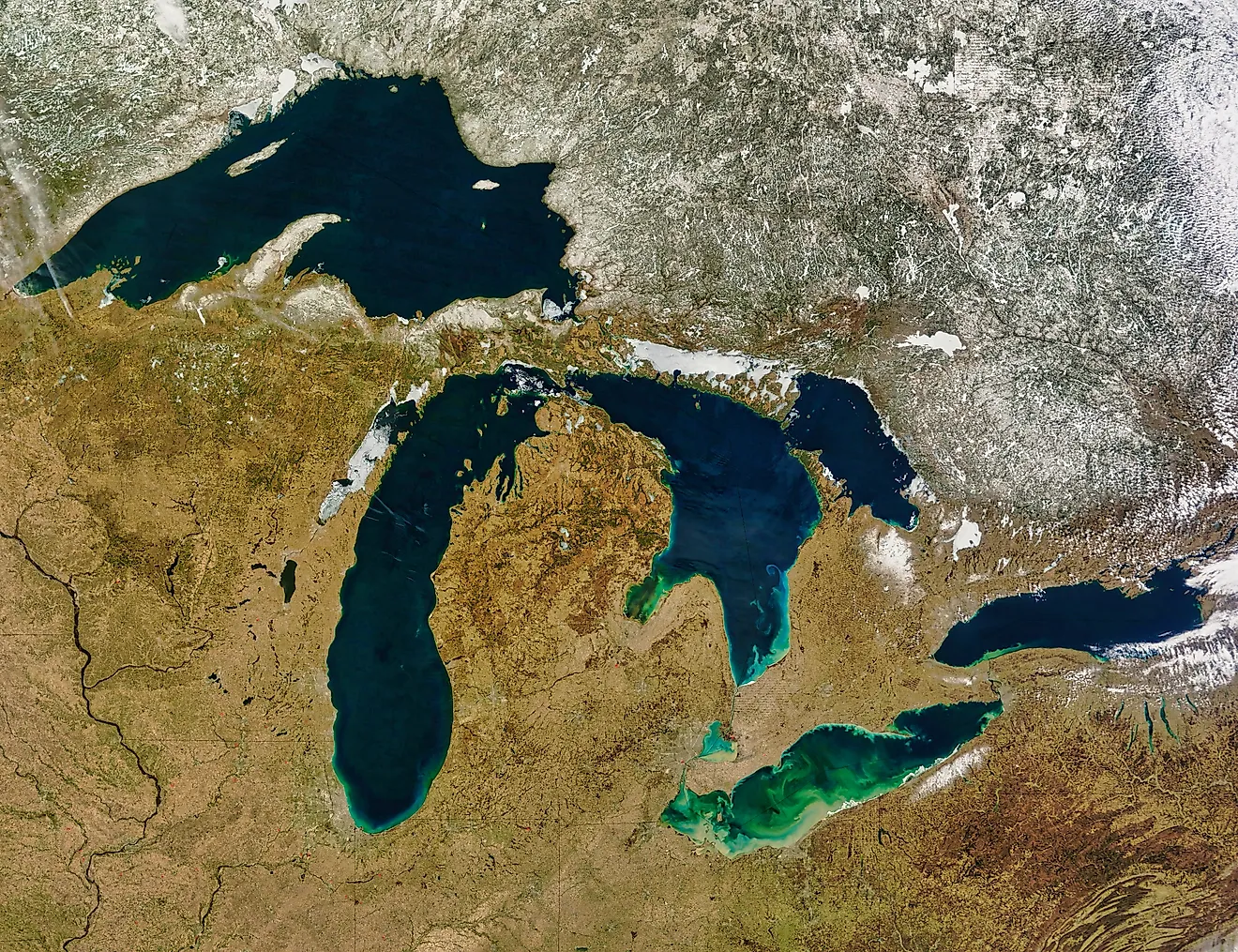
Lake Erie is the shallowest and warmest of the Great Lakes, which makes its western end especially prone to summer algae blooms fed by runoff from farms and cities. Toledo has since upgraded its treatment plant, and the lake's islands, beaches, and walleye fishing still draw huge crowds every summer.
What These Waters Have In Common
The lakes and reservoirs on this list are not unusually dirty. Most boil-water notices begin with a break in the system, whether it is a failing treatment plant, a burst main, a power outage, or a flood that overwhelms the filters. That is also why these stories can have hopeful endings. Jackson is rebuilding its system, Austin has overhauled its biggest plant, and Asheville has replaced the lines that Helene washed away. If a notice is issued where you live, follow local instructions, and remember that a "do not drink" order means boiling will not make the water safe.