6 Most Snake-Filled Bodies Of Water In Utah
Coursing through Utah’s red rocky landscape and canyons are some of the most notable rivers in the United States, like the Colorado River or the Bear River, which flows into the Great Salt Lake. Similarly, several species of snakes are found slithering in Utah’s bodies of water. Utah is home to 28 different species of snake, including seven of which are venomous rattlesnakes. Many people may associate rattlesnakes with arid desert environments, but they would be wrong to make that assumption in Utah. Utah’s bodies of water are havens for all snakes, nonvenomous and venomous alike. The following six bodies of water are where the highest concentration of snakes gathers.
Colorado River

After originating in the Rocky Mountains of Colorado, the Colorado River flows through southwestern Utah. It receives water from two major tributaries within the state: the Green and San Juan Rivers, as well as some smaller additional streams that flow in from the east and west. The banks of the Colorado River in Utah are lined with arid canyonlands and semiarid benchlands.

It is more likely to hear snakes on the Colorado River before seeing them. The Grand Canyon rattlesnake (Crotalus oreganus abyssus) inhabits the Southern Colorado Plateau of the Colorado River at elevations up to 6,000 feet.
Bear River

The Bear River originates in the Uinta Mountains of northeastern Utah. It flows for a total distance of 350 miles, making it the longest river in North America that does not empty into the sea. Instead, it transitions into open marshland and becomes the largest source of fresh water for the Great Salt Lake. Snake activity in the Bear River Valley peaks during the warmer months between April and October.

Residents of Bear River City may encounter several nonvenomous snakes, including Western yellow-bellied racers (Coluber constrictor mormon), striped whipsnakes (Masticophis taeniatus taeniatus), and ringneck snakes (Diadophis punctatus regalis), as well as the venomous Great Basin rattlesnake (Crotalus oreganus lutosus).
Jordan River

The Jordan River flows 51 miles in a northern direction, flowing through the Salt Lake Valley, connecting Utah Lake to the Great Salt Lake. Ten different species of snakes can be found inhabiting the Jordan River. The most commonly encountered species are the Western terrestrial garter snake (Thamnophis elegans vagrans), the Great Basin gopher snake (Pituophis catenifer deserticola), and the Great Basin rattlesnake. Other less common or rarely encountered snakes in the Jordan River corridor include the Western yellow-bellied racer, desert striped whipsnake, Western smooth green snake (Opheodrys vernalis blanchardi), Utah milk snake (Lampropeltis triangulum taylori), valley garter snake (Thamnophis sirtalis fitchi), desert night snake (Hypsiglena torquata deserticola), and the Western long-nosed snake (Rhinocheilus lecontei lecontei).

Despite human development on the river, such as manmade chemicals, pollution, and changes in the global atmosphere, snakes have been unaffected. However, their populations have diminished due to being hit by cars while crossing highways or being preyed on by domestic dogs, cats, and raccoons. Even the most abundant snake on the river, the Western terrestrial garter snake, is in decline due to being killed by the hundreds on the roads.
Virgin River

The Virgin River is a 150-mile-long tributary of the Colorado River that originates in Zion National Park. Over the last 13 million years, the Virgin River has carved out the red sandstone scenery that is among the most notable in the National Park System. Despite the power of the river, it actually meanders through the park at a gentle course.

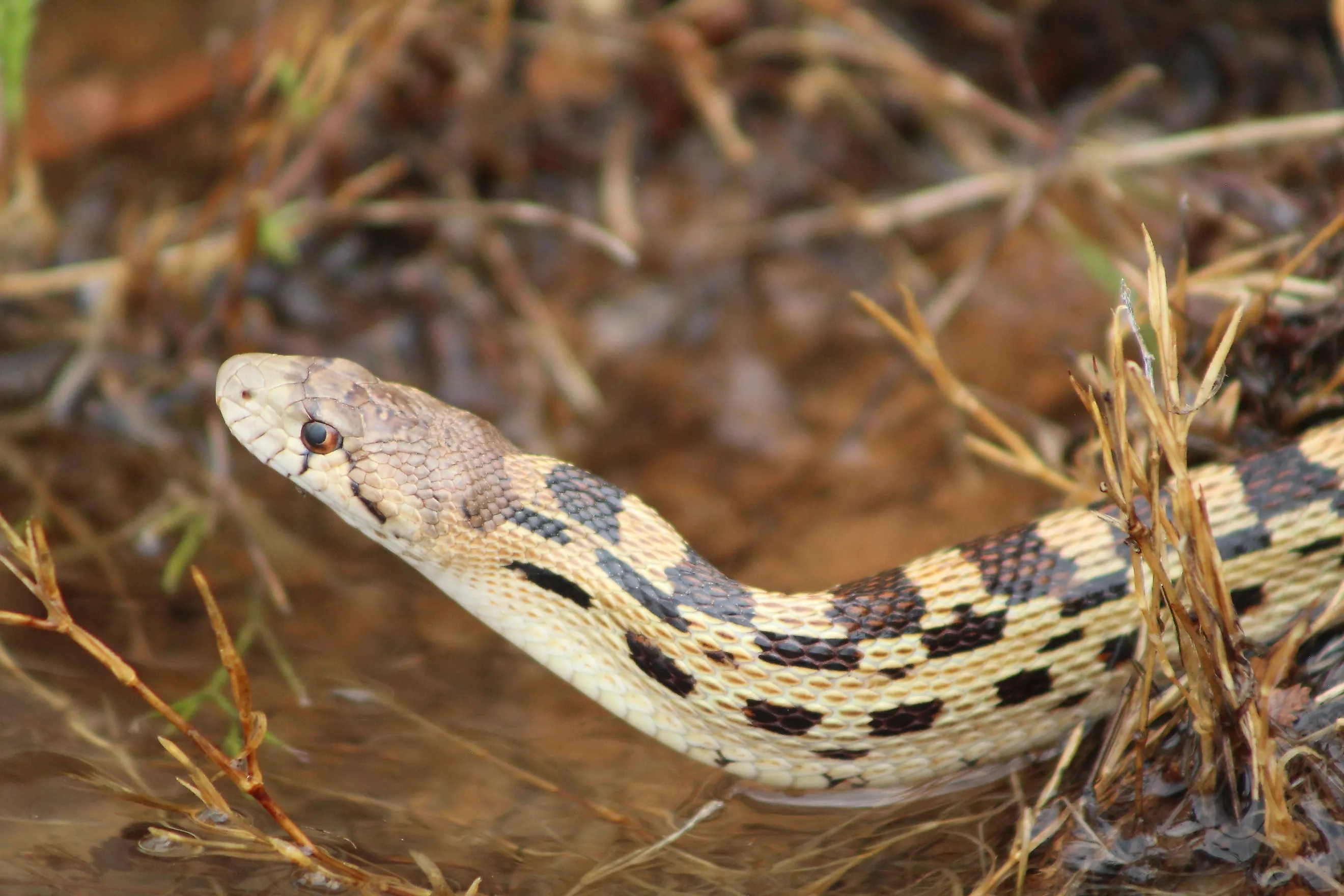
The river’s slow current makes it a suitable place for Great Basin gopher snakes to swim. Despite being nonvenomous, as a defense mechanism, gopher snakes will vibrate their tails in a way that mimics a rattlesnake to ward off potential threats.
Great Salt Lake

The Great Salt Lake is the largest saline lake in the Western Hemisphere. It is fed by the Bear, Weber, and Jordan Rivers and has no outlet. Due to its salinity, fish and other aquatic organisms struggle to survive in the lake. On the shore, however, especially within the Great Salt Lake State Park, snakes are slithering through the sagebrush and sandy beaches.

The most common snakes that call the park home are the garter snakes and the Great Basin gopher snakes. Although they are less common, rattlesnakes are occasionally seen at Great Salt Lake State Park.
Lake Powell

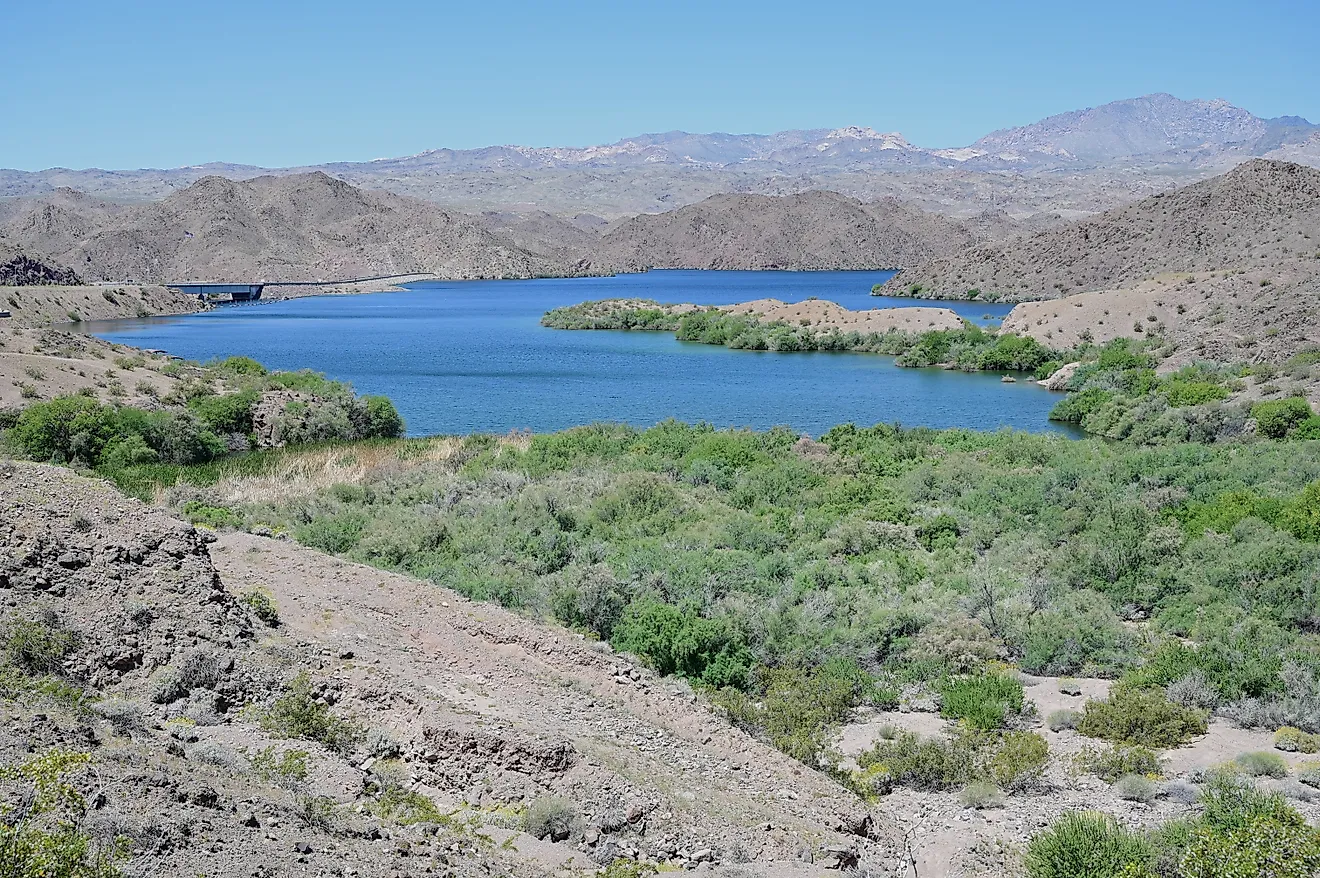
Lake Powell is a reservoir on the Colorado River that stretches across the border between Utah and Arizona. At over 1.2 million acres, it is the second largest manmade reservoir in the United States. The reservoir was created by the flooding of Glen Canyon, which resulted in the creation of the Glen Canyon National Recreation Area. Common snakes in the recreation area include the common kingsnake (Lampropeltis getula), black-necked garter snake (Thamnophis cyrtopsis), Great Basin gopher snake, striped whipsnake, and the night snake.

At least four subspecies of western rattlesnake (Crotalus viridis) are present in the national recreation area. The Grand Canyon rattlesnake, Great Basin rattlesnake, midget faded rattlesnake (Crotalus viridis Concolor), and the Hopi rattlesnake (Crotalus viridis nuntius).
Cohabitating With Snakes On Utah’s Waterways
Utah’s rocky desert landscape is reliant on its bodies of water as a haven for drinking water and recreation. While many people recreate around these bodies of water, snakes call them home. Despite hardships like road fatalities near streams like the Jordan River, snake populations continue to survive in the Bear River and Lake Powell. While most snakes encountered are usually nonvenomous, rattlesnakes still exist around bodies of water.