5 Most Snake-Filled Bodies Of Water In Idaho
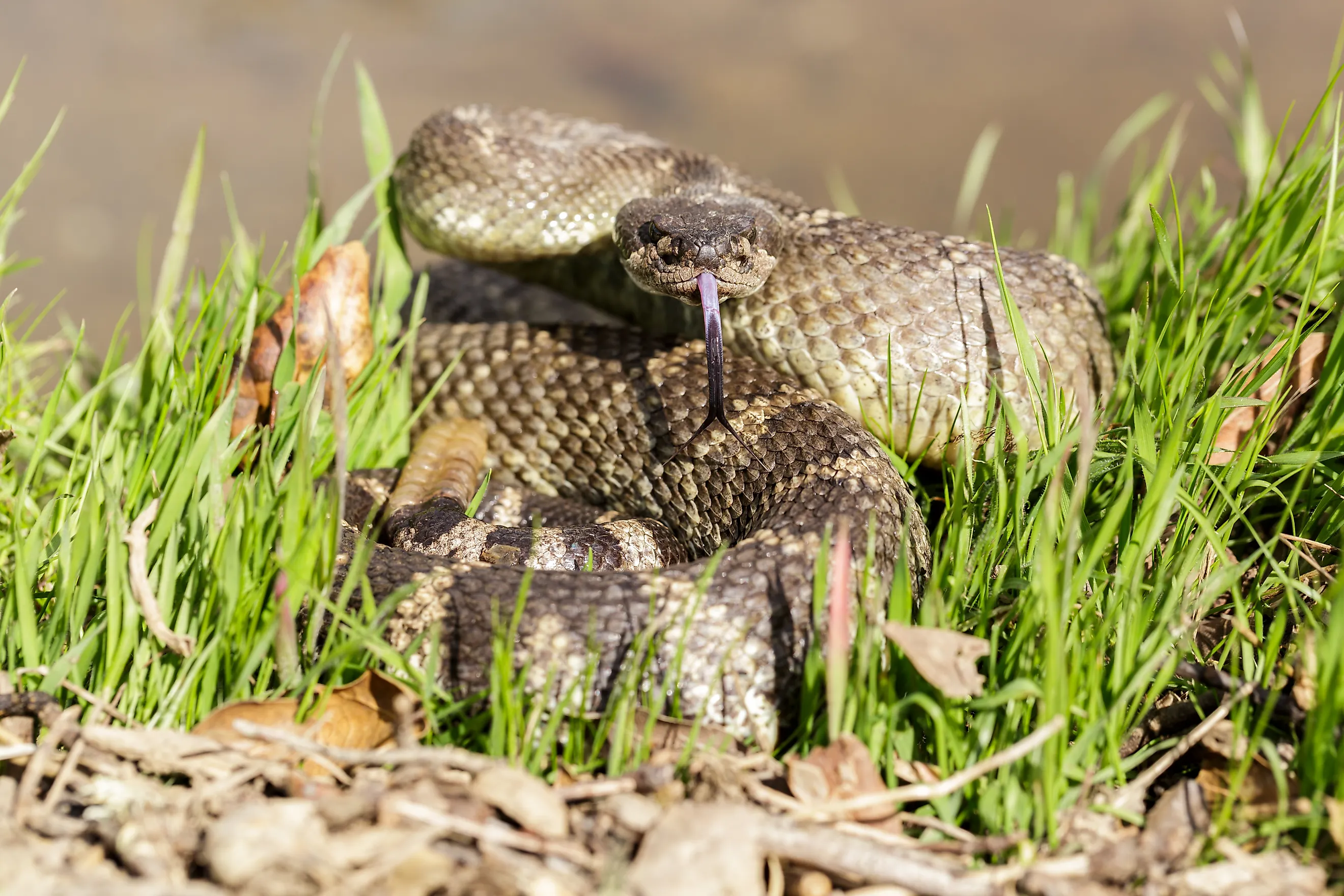
Idaho has about a dozen snake species, and only one is venomous, the western rattlesnake. Most are harmless. A few of them swim, and rattlesnakes will cross open water to move between banks. The five bodies of water below see the most snake activity in Idaho. Western rattlesnakes and garter snakes turn up at all of them.
Snake River

The Snake River carries the state's biggest concentration of rattlesnakes along its canyon stretches, where western rattlesnakes den in talus slopes and rock fissures from Twin Falls down through Hells Canyon. The big ones run past five feet. The Morley Nelson Snake River Birds of Prey National Conservation Area follows about 80 miles of sun-exposed canyon, and the rattlers work the south-facing ledges to warm between hunts.

Gopher snakes are just as common along the same banks, and at up to seven feet they are the longest snakes in Idaho. Cornered, one flattens its head, vibrates its tail, and does a fair impression of a rattlesnake in bad light. Garter snakes keep to the shallower bank water, hunting tadpoles and small fish. Anglers on the South Fork, one of the best cutthroat trout stretches in the country, see both rattlers and gopher snakes often enough to stop remarking on it. If you step off a raft onto a sandbar in Hells Canyon, check the rocks before you put a foot down.
Magic Reservoir

Magic Reservoir sits on the edge of Idaho's high desert in Blaine County, fed by the Big Wood River and mountain snowmelt. The water runs clear for a reservoir, clear enough to spot garter snakes moving near the surface from a boat. That cuts both ways. Western rattlesnakes have been seen swimming across the open water here, and locals will tell you to take care climbing in and out of a boat at the shoreline. The south-facing slopes above the waterline heat up fast in summer, which is why several snake species stack up in the band of ground between the water and the scrub above it. Trout and yellow perch bring the anglers, with room on the water for skiing too. Back from the waterline, where the desert takes over, bullsnakes run the same rattlesnake act as the gopher snakes, head flat and tail buzzing. It works often enough that the standing local advice covers the scrub between campsites, not just the water.
Lake Cascade

Lake Cascade gives anglers about 86 miles of shoreline in Valley County's mountain country, and it holds a steady western rattlesnake population right along the water's edge. The snakes are beige with dark blotches that vanish against the rocky shore, and they do not always rattle before they strike. Bass and trout fishing runs from spring through fall, which is exactly when the rattlers are most active. The warm, rocky edges here are the basking ground they look for, so watch where your feet land.

Garter snakes stay visible in the shallows most of the summer and are no trouble. Winter flips it entirely, the rattlesnakes go dormant in the cold and ice fishing becomes the safest version of a Cascade visit. Most people here hear a rattler before they see it, when they get any warning at all.
Lake Lowell

Lake Lowell is a man-made reservoir on the edge of Deer Flat National Wildlife Refuge southwest of Nampa, and it has one of the odder snake profiles in the state. Gopher snakes run the marshy trail corridors at the lake's edge, reaching up to seven feet, and a cornered one buzzes its tail against the dry grass and flattens its head into a triangle, the whole rattlesnake routine without the venom. A Nampa wildlife-removal outfit reports regular gopher and garter snake encounters around Lake Lowell Park and the nearby Wilson Springs Ponds.

The refuge itself supports more than 200 bird species, with herons, pelicans, and bald eagles along the shoreline. Fishing, boating, and swimming are all allowed, though swimming puts you in the shallows with the garter snakes. The catch is timing. The lake's recreation season is limited to protect migrating birds, which lands it squarely in the spring and summer months when the snakes are busiest.
Lake Coeur d'Alene

Lake Coeur d'Alene runs 26 miles through the Idaho Panhandle, with about 135 miles of shoreline and wooded coves thick with garter snakes. Two kinds show up, the common garter snake, black with red marks and a bright yellow stripe, and the terrestrial garter snake, a duller gray. Both will bite if you handle them and both let off a foul musk when cornered, and neither is venomous.

The worst stretch for run-ins is August into September, when the females give birth to live young along the shoreline. Tubbs Hill, a 2.5-mile trail on a peninsula in the lake, is the busiest hike around, and late-summer walkers report garter snakes on the path through that newborn window. The lake was scooped out by Ice Age glaciers and now holds trout, bass, pike, and salmon, with bald eagles arriving in winter to work the spawning kokanee. The North Idaho Centennial Trail runs part of the shore, and the garter snakes bask on the sun-warmed rocks right alongside it.
Final Thoughts
Timing matters as much as place. The western rattlesnakes at Lake Cascade and Magic Reservoir are out from late spring through early fall, and peak summer heat pushes them toward water. Newborn garter snakes show up in August and September at Lake Coeur d'Alene and along the Snake River, when meeting one at the shoreline is just part of the day. Ice fishing at Cascade in winter is about as snake-free as Idaho reservoir recreation gets. For everything else, wear shoes that cover your ankles, check rocks and logs before you sit, keep your hands out of bankside brush you cannot see into, and never grab anything floating that might be a snake making a crossing.