5 Most Snake-Filled Bodies Of Water In Indiana
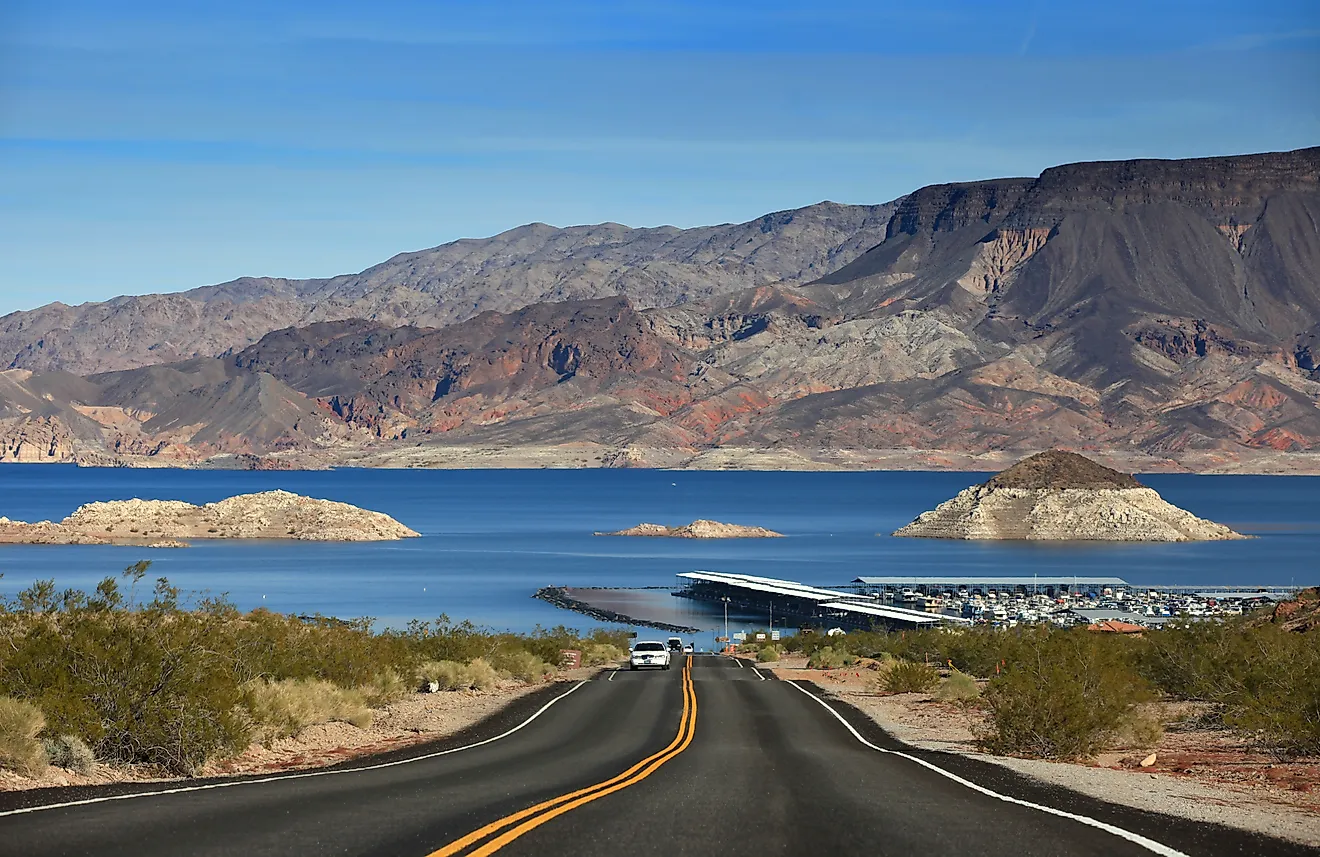
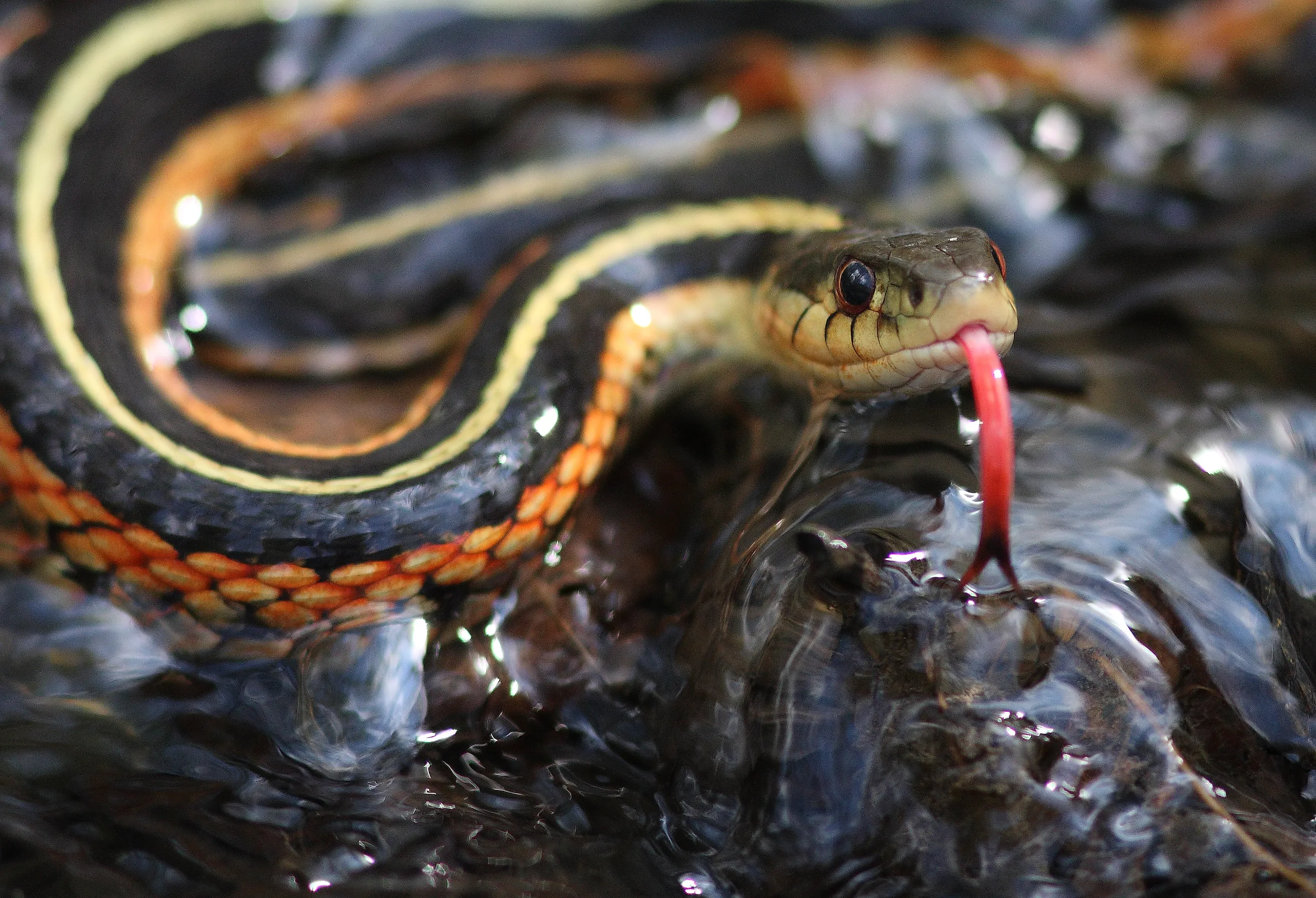
A watersnake sunning itself on a half-sunken log is a familiar sight along Indiana's shorelines. The state counts 32 snake species. Many of them live where the water meets the trees. Warm shallows and flooded timber give these cold-blooded hunters food and cover in one place. Reservoirs like Patoka and Lake Monroe pack their coves with the fish and frogs that watersnakes chase. Slow backwaters along the Wabash River let queen snakes hunt crayfish in the rocky shallows. Brookville and Mississinewa draw gartersnakes and brownsnakes to their grassy margins. These five waters put you closest to the snakes that make Indiana's aquatic ecosystems tick.
Patoka Lake

Patoka Lake is widely regarded as one of the best places in Indiana to encounter water-loving snakes thanks to its vast shoreline, adjacent areas featuring flooded timber, marshes, and quiet coves. These varied habitats host species such as the common watersnake (sometimes called the "northern watersnake"), a nonvenomous snake frequently seen swimming along the shoreline or basking on half-sunken logs. Although cottonmouths do not occur in Indiana, the harmless common watersnake is often mistaken for one because of its similar look and defensive behavior when disturbed. However, other species in the area include queen snakes, eastern gartersnakes, and ring-necked snakes.
Managed as part of Patoka Lake, the surrounding fish and wildlife areas provide extensive wetlands and forests that benefit both reptiles and amphibians alike, as well as numerous other flora and fauna. With that, the lake is also known for excellent bald eagle viewing, with nesting pairs regularly seen soaring over the water or perched in tall shoreline trees.
Lake Monroe

At 10,750 acres, Lake Monroe combines Indiana's largest inland lake (that is entirely within the state's borders) with miles of wooded shores, rocky banks, shallow coves, and tributary streams, creating an ideal habitat for several snake species. The common watersnake is, again, frequently observed here, often around boat ramps, fishing docks, and fallen trees, where it hunts fish and amphibians. Plain-bellied watersnakes also occur in the area, favoring calmer stretches with abundant aquatic vegetation.
Away from the water's edge, eastern ratsnakes, eastern milksnakes, and black kingsnakes inhabit the surrounding forests and fields. And while venomous snakes are uncommon around the reservoir, the timber rattlesnake does survive in isolated forested sections of the nearby hills, although encounters are rare.
Beyond its reptile diversity, Lake Monroe is an important stop for migratory birds and supports a productive fishery, too, attracting anglers pursuing largemouth bass, crappie, striped bass, and catfish throughout much of the year. In fact, anglers report many of the lake's snake sightings.
Wabash River

The Wabash River houses a surprising diversity of snakes across its over 500-mile-long course through western Indiana. Backwaters, oxbow wetlands, sandbars, and slow-moving side channels all provide abundant living space for common watersnakes, which, as usual in this state, are regularly seen swimming near the shoreline or resting on driftwood. Queen snakes also inhabit portions of the watershed where clean, rocky streams feed into the river, relying heavily on freshly molted crayfish for food. Moreover, nearby floodplain forests and grasslands are home to species such as eastern foxsnakes, eastern gartersnakes, and black kingsnakes.
As Indiana's official state river, the Wabash is notable for its rich ecological diversity all around, supporting numerous native fish, freshwater mussels, and migratory birds along its extensive corridor. Seasonal flooding continually reshapes the river's habitat year over year, creating new wetlands and shallow pools that particularly benefit reptiles, amphibians, and countless other forms of aquatic-based wildlife.
Brookville Lake

Brookville Lake is the site of a huge mix of craggy shorelines, wetlands, and untouched inlets that are home to several snake species throughout southeastern Indiana. Although snakes are regularly present, they typically avoid people and retreat quickly when approached.
Eastern gartersnakes and DeKay's brownsnakes are often found in the surrounding grasslands and forest margins, while queen snakes may occur in nearby streams with healthy crayfish populations. Common watersnakes are also among the most frequently encountered reptiles, especially during warmer months when they warm their blood on exposed rocks or hunt along the water's edge.
The lake lies within the Whitewater River Valley, where steep, tree-blanketed hills provide additional habitat for a wide variety of wildlife. Brookville Lake is also a popular destination for paddling and fishing, with its many coves offering quieter conditions than the open sections of the reservoir.
Mississinewa Lake

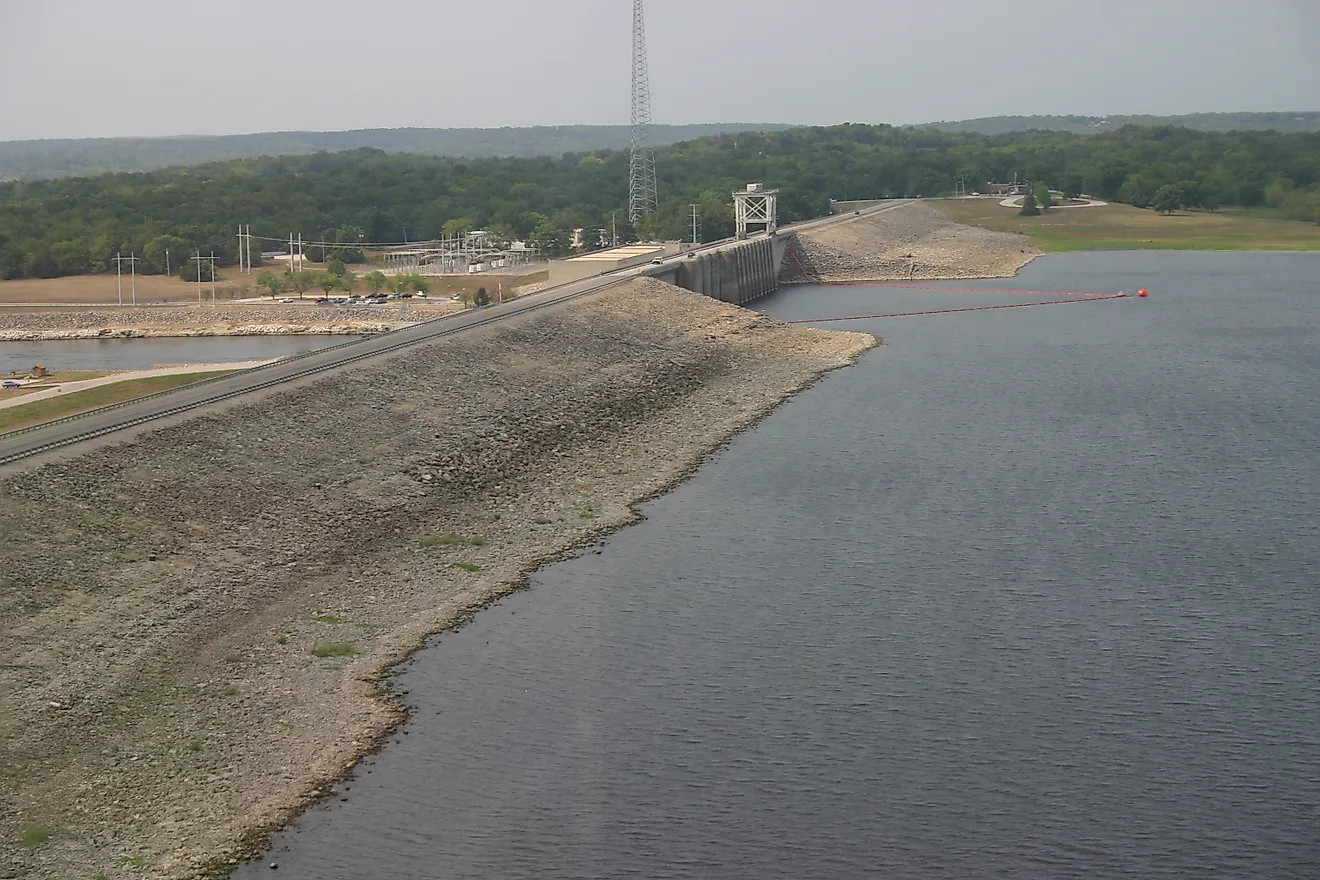
Mississinewa Lake provides extensive habitat for its reptiles, namely turtles and snakes, in most of its parts. As usual in this Midwestern state, common watersnakes are regularly encountered along riprap and fishing holes. Furthermore, eastern gartersnakes and northern red-bellied snakes are also found in the forests and meadows surrounding the reservoir, while eastern hognose snakes occasionally inhabit nearby sandy, well-drained zones.
This diversity of habitats around Mississinewa supports its healthy reptile community despite the constant fluctuations in water level caused by flood-control operations. Mississinewa Lake is equally important for birdlife as well, particularly during migrations when waterfowl gather on the reservoir in large numbers.
Its combination of wetlands, open water, and mature woodland easily makes it one of north-central Indiana's more ecologically diverse recreational lakes, conveniently sitting roughly halfway between the major population centers of Indianapolis and Fort Wayne.
Keep an Eye Out for Snakes in These Indiana Waterways
These lakes and rivers show how closely Indiana's waterways and reptile life are linked, as each creates a reliable habitat where these slithery reptiles remain a constant presence, even in heavily used recreation areas. Most species are nonvenomous and avoid contact, but their visibility reflects healthy aquatic ecosystems shaped in large part by water levels, vegetation (or lack thereof), and abundant prey throughout the state.