5 Snake-Filled Waters In Pennsylvania
Pennsylvania’s rivers, lakes, and winding creeks are known for more than scenic overlooks and peaceful fishing spots. Beneath the water’s calm ripple lies another world shaped by beautifully scaled creatures essential to the state’s ecosystems. From rocky mountain streams to broad forest-lined reservoirs, these habitats support an impressive range of snake species. According to the Pennsylvania Fish and Boat Commission, the state is home to 21 native snake species, many of which are commonly associated with aquatic and wetland habitats. Learning where these reptiles thrive allows travelers to explore the state’s waterways safely and responsibly while appreciating an often misunderstood animal. Keep reading to plan your next aquatic venture along Pennsylvania’s shores.
Susquehanna River

Flowing all the way from New York to Maryland, the Susquehanna River is the longest on the American East Coast. The waterway is a vital one, producing an average of 22 billion gallons of water a day. Due to its shallow waters, the river is non-commercially navigable, making it a peaceful option for humans and creatures alike. Turtles are plentiful in this waterway, but they aren’t the only reptile that enjoys the sun-warmed boulders near the shore.

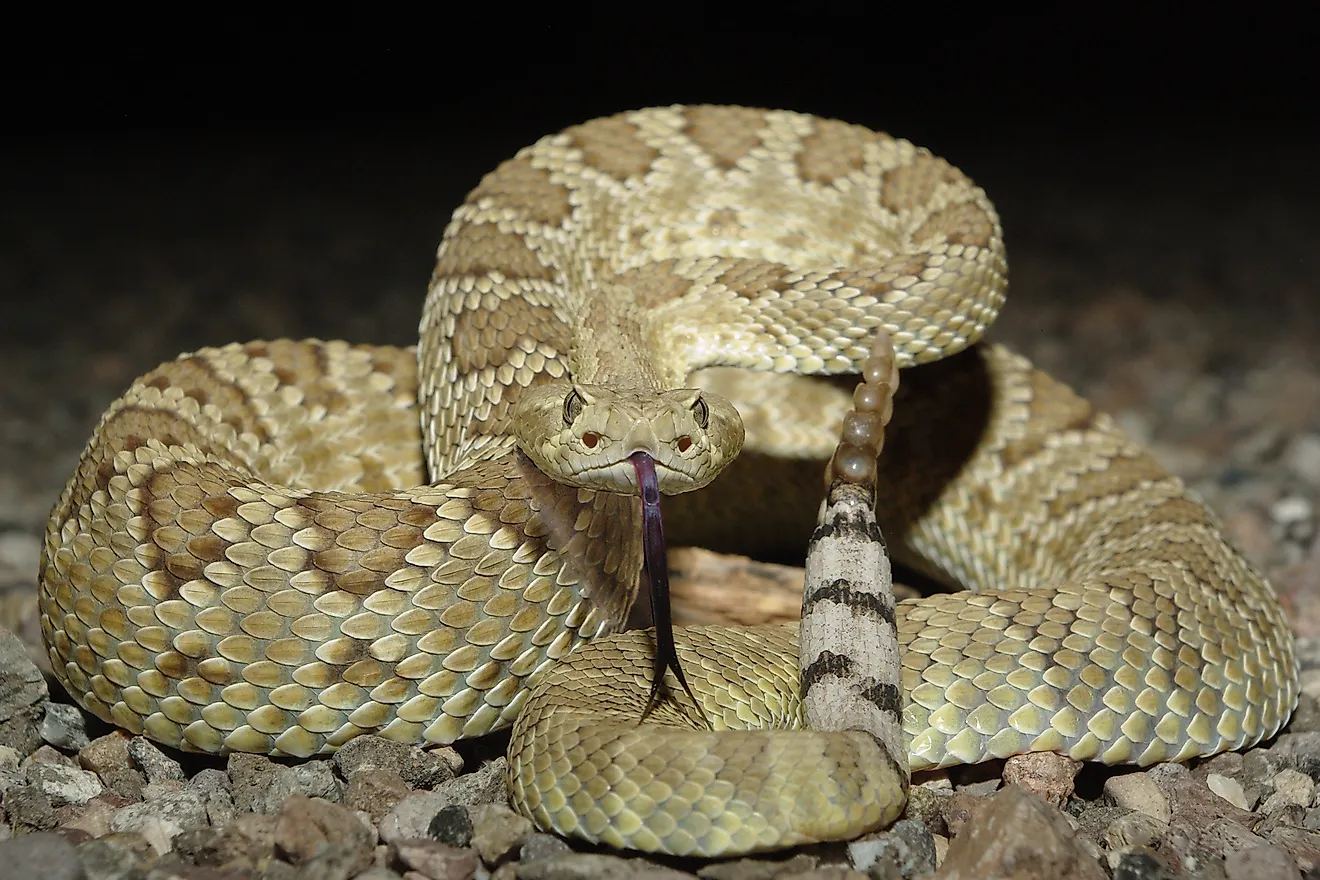
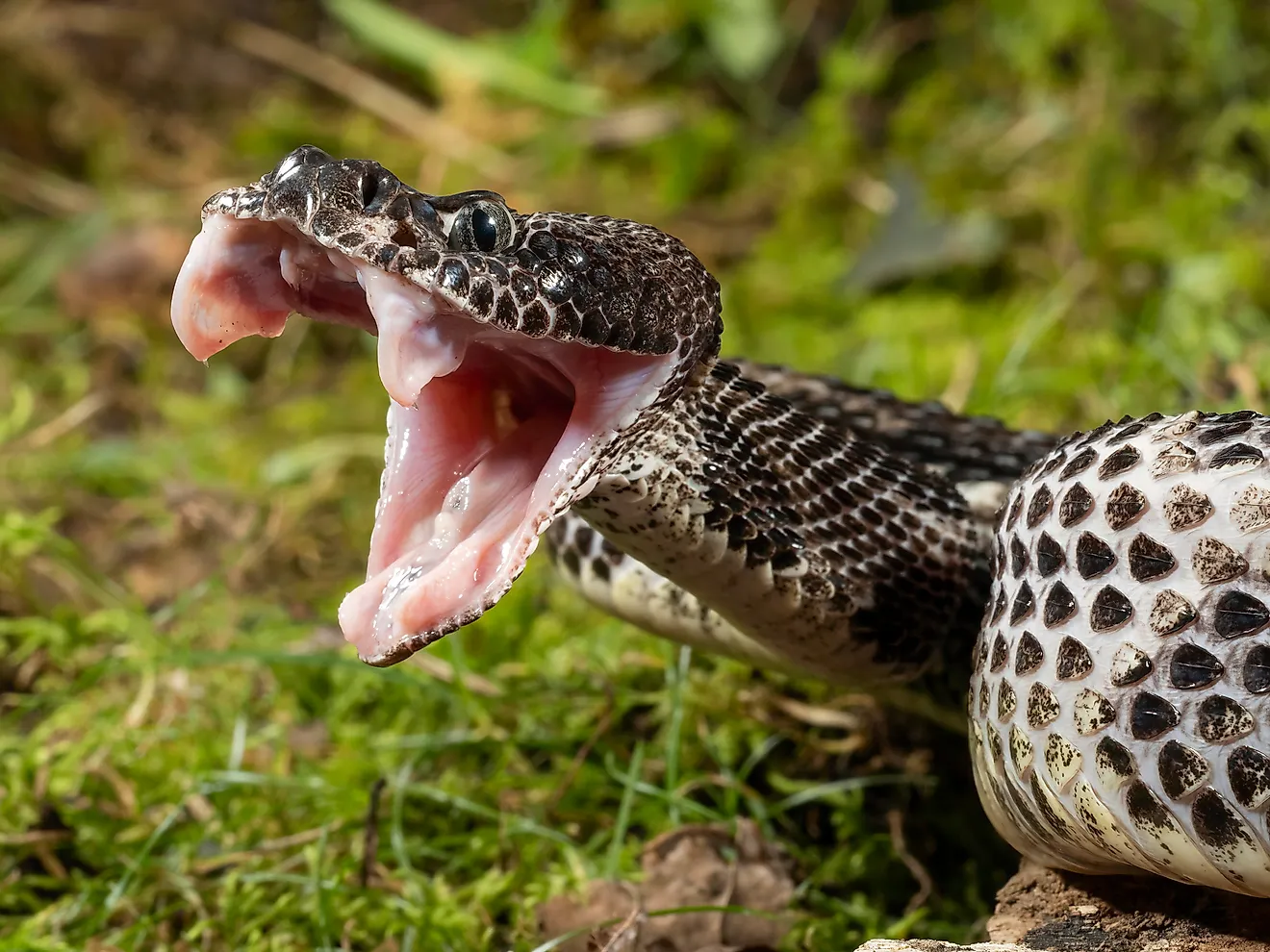
This expansive floodplain, as well as the humid climate, makes the perfect habitat for many species of snakes. While more than 8 species of snakes have been spotted in the river or the surrounding Susquehanna valley, the Copperhead and the Timber Rattlesnake are the only venomous serpents that are commonly found.

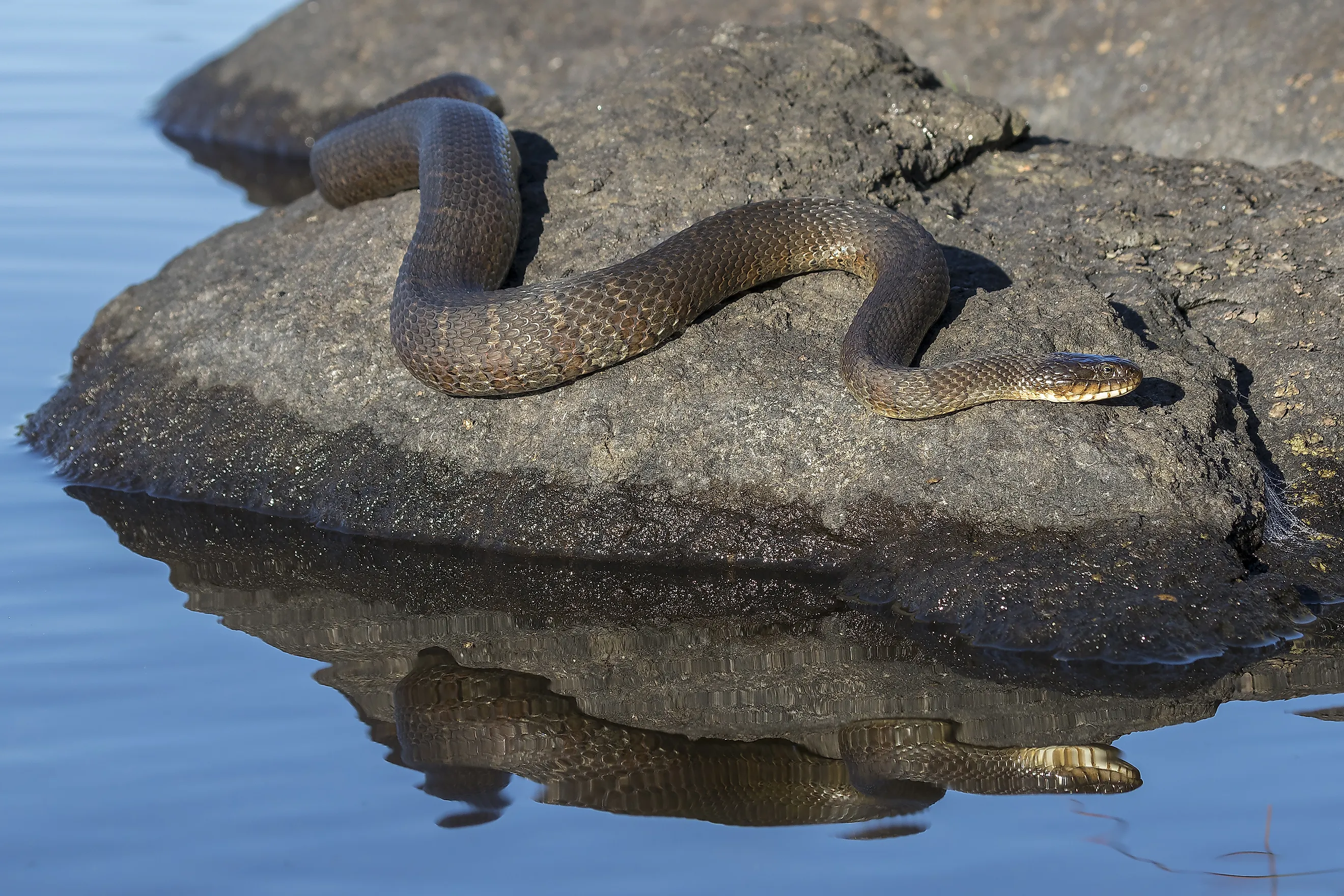
While less common, the venomous Eastern Massasauga Rattlesnake has been spotted in the most western branch of the river, with this area being the northernmost section of their natural habitat. River swimmers are most likely to meet the Northern Water Snake. According to the Pennsylvania Fish and Boat Commission, Northern Watersnakes and Eastern Gartersnakes are widespread along rivers and floodplains throughout Pennsylvania, including the Susquehanna River corridor. State wildlife experts also say that while an encounter may be startling, this snake is a "harmless pond dweller." The water snake is typically found on the sun-warmed boulders surrounding the water's edge, where the serpent can dry their scales. Eastern garter snakes are commonplace throughout the state, where residents often find them in overgrowths and bushland. Similarly, they can be found in the bushes surrounding this river, the bright yellow stripes on their shiny bodies adding a magnificent splash of color to the water.
Cocalico Creek

While being a tributary to the Conestoga River, this waterway is lengthy and rooted in deep lore. 97 miles of streams make up the Cocalico Creek Watershed within Lancaster and Lebanon counties. The creek was originally named for the snakes that inhabit it, suggesting a historical presence of reptiles being prevalent in the area. “Cocalico” comes from the Native American phrase "Koch-Hale-Kung,” meaning “den of snakes.”

State wildlife experts note that Eastern Gartersnakes, Northern Watersnakes, and Dekay’s Brownsnakes are all commonly found in forested watersheds and streamside habitats across southeastern Pennsylvania. None of these snakes is venomous, with the Brownsnake being particularly docile. Instead of biting, these relatively harmless snakes emit a foul musk to deter humans and other predators. 37% of the watershed is forested, making it an ideal home for snakes that prefer hunting and hibernating in the shadows.
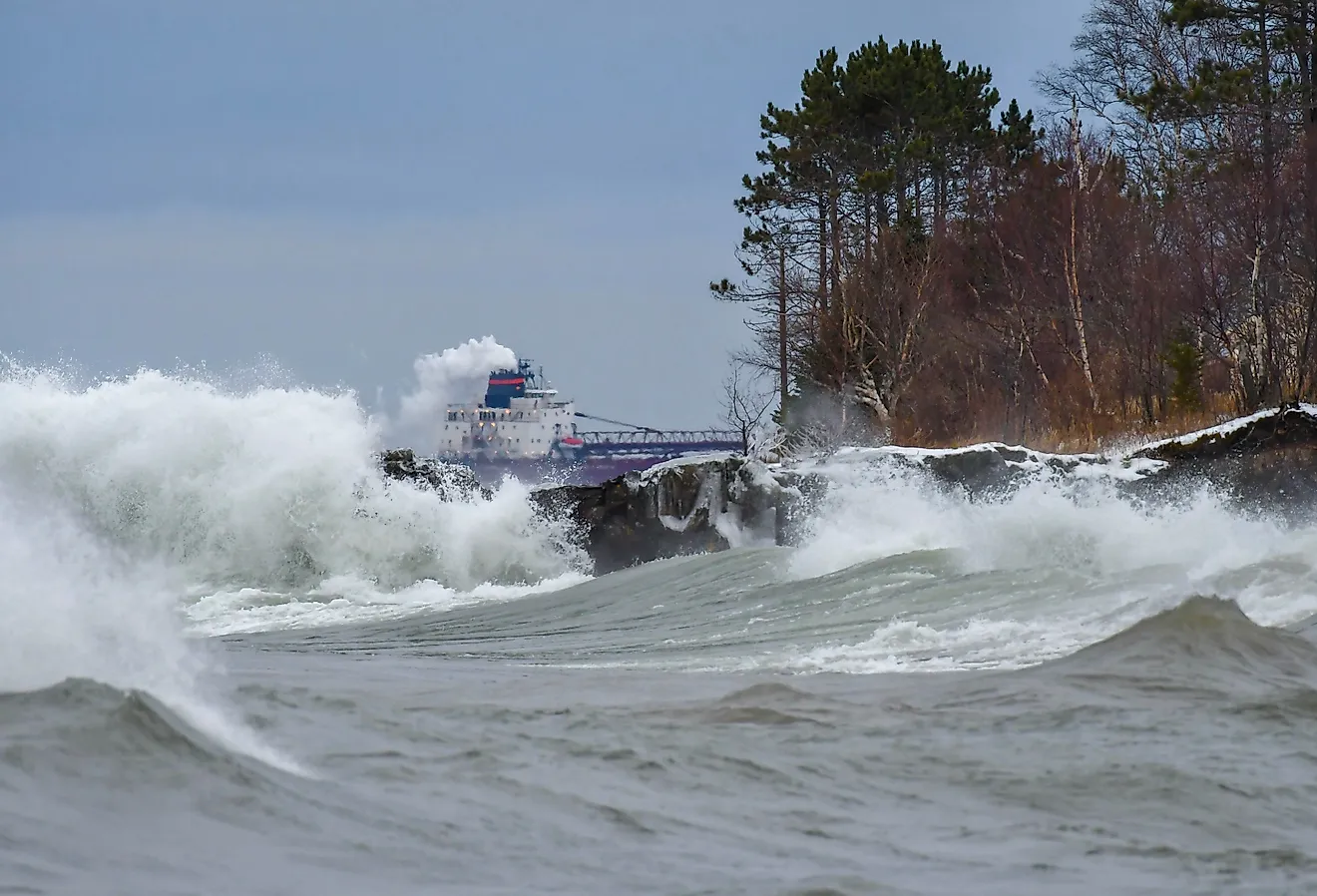
Lake Erie

Providing drinking water to more than 240,000 people, Lake Erie is valuable both as a resource and for recreation. The lake is a shared resource between the USA and Canada, and borders Michigan, Ohio, Pennsylvania, and New York. Since the first reports of a giant sea serpent happened almost a century ago, the lake also holds an important place in pop culture as home to “Bessie”, a prehistoric reptile said to lurk in the depths. While there have been reports of these serpent sightings, none have been confirmed with hard evidence.

The lake is also known for the Lake Erie Watersnake. Wildlife officials report that the Lake Erie Watersnake is a localized subspecies primarily found on the Lake Erie islands, while the closely related Northern Watersnake is commonly observed along the lake’s shoreline and nearby wetlands. Active from May to October, the Lake Erie Waternsnake is typically found foraging offshore near the water's edge. Both snakes are nonvenomous but are aggressive when handled, striking numerous times to cause wounds that bleed heavily due to mild anticoagulant properties in their saliva.
Raystown Lake

With 118 miles of shoreline surrounded by majestic forests and hills, Raystown Lake is beloved by boaters and swimmers alike. This lake is the largest that is entirely within Pennsylvania's borders and is surrounded by lush wilderness that makes great snake habitat. Raystown Lake Region invites more than the tourists and locals who seek its fresh air and wild spirit. The largest of the state's watersnakes dwells within the lake's current, oftentimes mistaken for a floating stick from a distance. The Northern Water Snake can grow up to 50 inches long and can flatten its body when agitated, giving them an even more menacing appearance. While this snake looks similar to the water mocassin, the Northern Water Snake is not venomous. Though their bite does not inject venom, being bitten is a painful experience due to their extremely powerful jaws.

According to range data from the Pennsylvania Fish and Boat Commission, Northern Watersnakes and other nonvenomous species documented in Huntingdon County are well adapted to large reservoirs and forested shorelines like those found at Raystown Lake. The lake is in Huntingdon County, home to snakes such as the Eastern Wormsnake, Northern Racer, and the Smooth Greensnake. The Smooth Greensnake is easiest to spot due to its bright green body and is likely to be seen out in the open.
Lake Wallenpaupack

Within Pike and Monroe counties of Northeast Pennsylvania, this man-made lake was originally built for hydroelectric power in 1927, but has since taken on a life of its own as a home to numerous reptiles. Wildlife officials note that Northern Watersnakes are frequently encountered near large reservoirs with marshy shorelines, including Lake Wallenpaupack. To the Northern Water Snake, these waters are both hunting grounds and refuge. The snake is not shy when it comes to hunting, causing reports of entering boats and approaching anglers.

The Pennsylvania Fish and Boat Commission notes that Northern Watersnakes and Milk Snakes are frequently encountered near large reservoirs with marshy edges and forested surroundings, including lakes in northeastern Pennsylvania. Since the surrounding marshlands make ideal habitats for snakes such as the milk snake, visitors should wear high boots when exploring the forested shoreline in case of an encounter. Milk snakes are nonvenomous, but they vibrate their tails when alarmed to mimic the very deadly rattlesnake. Lake Wallenpaupack is a popular destination for Pennsylvania tourism, offering peaceful places to wade in the water and beautiful shoreline hikes that can be enjoyed with the right attire.
While wading through Pennsylvania’s cool water, know how to share the space with the creatures whose prehistoric ancestors settled in the waterways long before us. The serpents are not threats to swimmers or hikers; they’re vital threads that stitch the wild together. With this knowledge, travelers can move through the state with a balance of curiosity and caution, entering the home of the snake as a gracious guest, not an aggressive intruder.