5 Snake-Filled Waters In Indiana
Indiana’s rivers and lakes support a diversity of snakes, with 32 species known to have been spotted within the state's borders. Several bodies of water stand out for their consistently high concentrations, with their generally warm, shallow water, variety of flora, expansive floodplains, and other aspects that create ideal conditions for water-loving snakes.
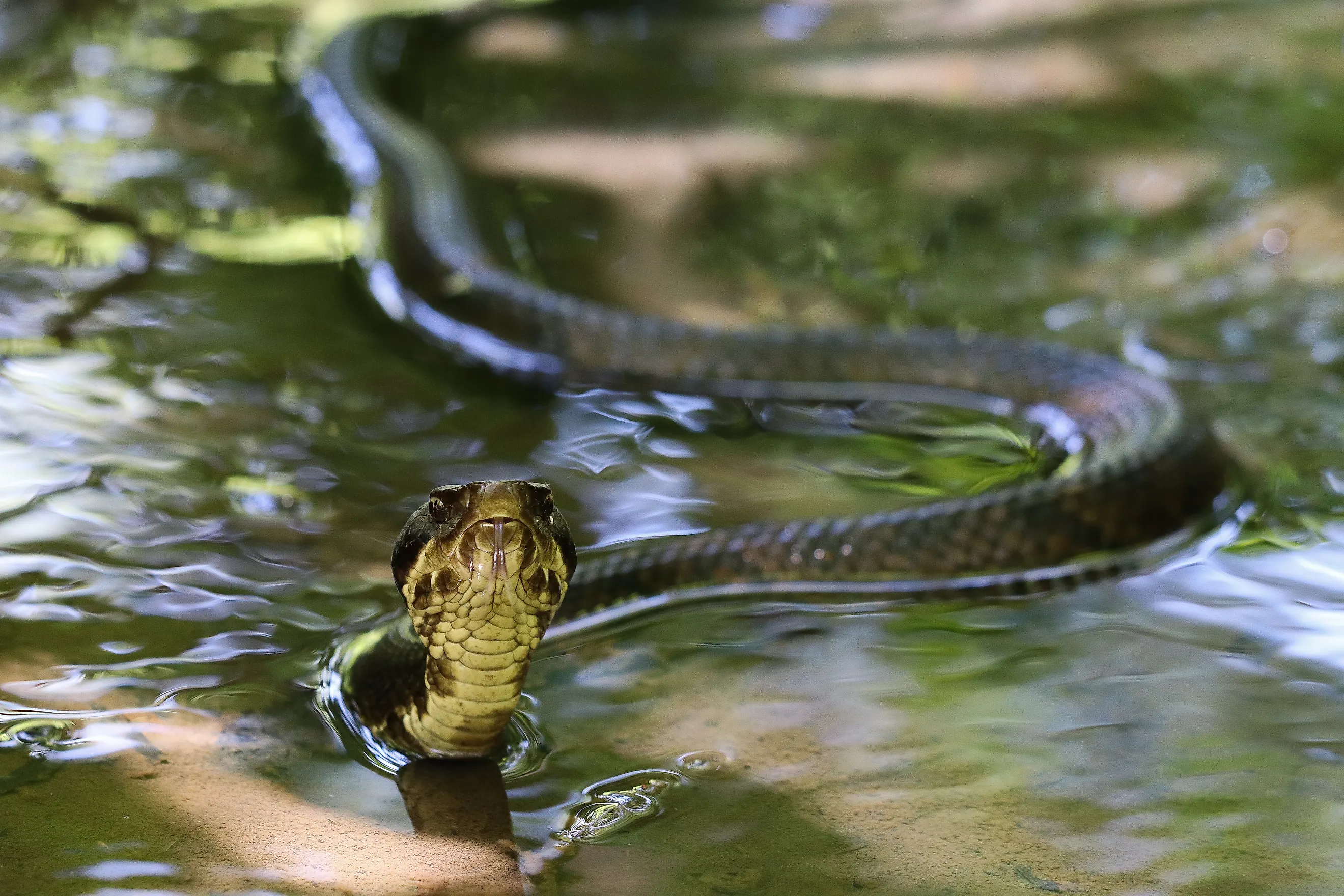
There are a few species that are very regularly seen in the Hoosier State, such as the notably common watersnakes, queen snakes, and eastern garter snakes, which are also closely tied to healthy aquatic ecosystems. In southern Indiana, in particular, limited populations of northern cottonmouths are also present, but rare. Here, we will examine Indiana’s most snake-filled waters, focusing on why certain locations support larger populations, so you can plan accordingly and make the most of your time outdoors.
Patoka Lake

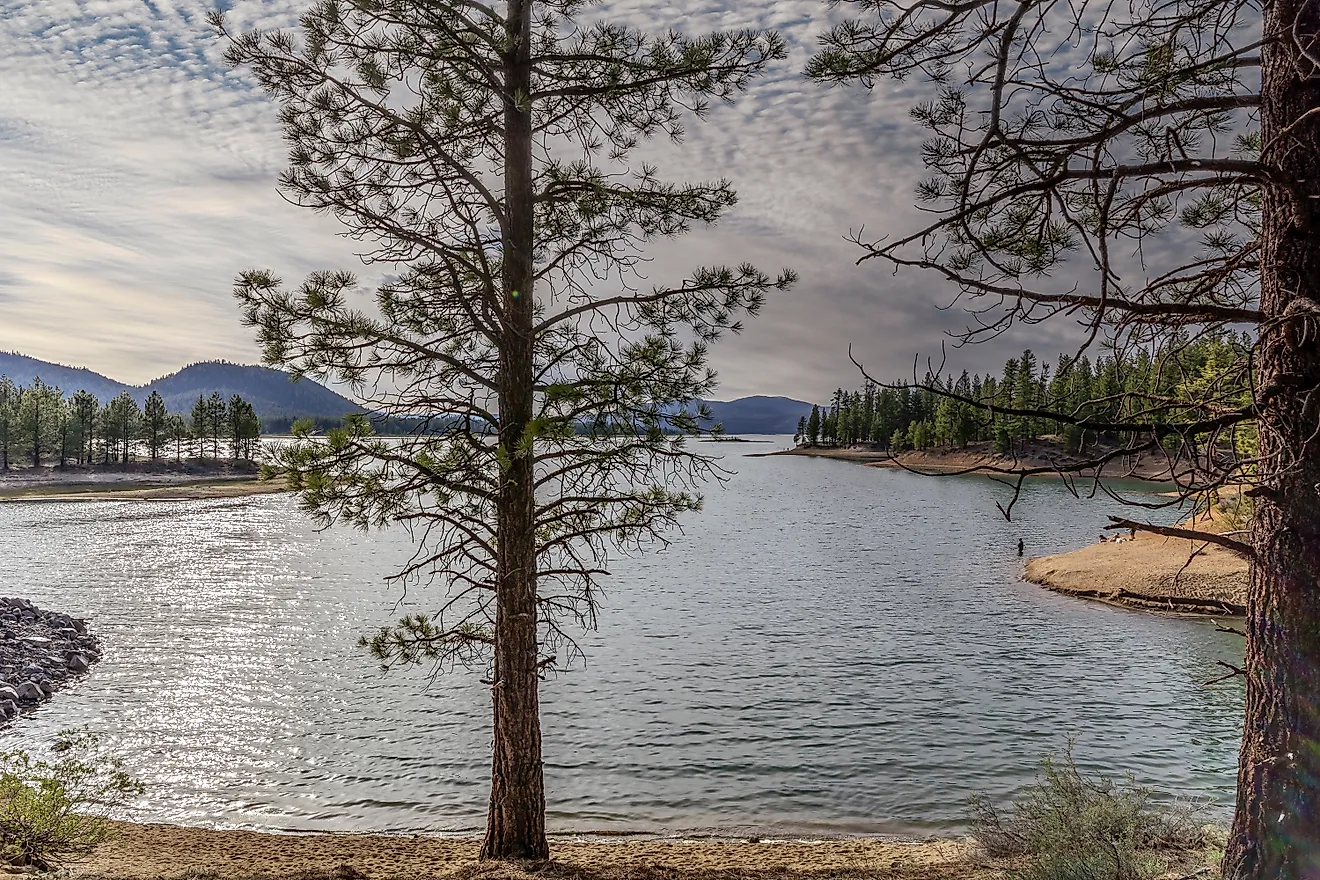
Patoka Lake in southern Indiana is definitely among the state’s most snake-dense bodies of water, largely due to its swampy coves and extensive shoreline that provide perfect cover. Along with the typical watersnakes, queen snakes, and eastern garter snakes, the area is one of the few places in Indiana where northern cottonmouths have been spotted, though this species has been listed as endangered in the state, and it's likely many sightings are common misidentifications. Fallen timber, flooded trees, and quiet backwaters create ideal hunting and basking conditions outside of the winter hibernation season.
Beyond snakes, Patoka Lake is also notable for being Indiana’s second-largest reservoir, covering more than 8,800 acres when full. It was created in the 1970s for flood control and water supply and is now a major hub for fishing, boating, and wildlife viewing. The surrounding Patoka Lake Wildlife Management Area further supports healthy populations of bald eagles, river otters, and a wide range of migratory birds as well, making the lake biologically rich and consistently active along the water’s edge for man and animal alike.
Lake Monroe

Lake Monroe, located south of Bloomington, is another one of Indiana’s most snake-populated reservoirs due to its sheer size, wooded shoreline, and abundance of shallow inlets. Moreover, the mix of limestone outcrops and diverse vegetation around the lake creates an ideal habitat for both prey and cover. The surrounding Hoosier National Forest further adds to the region's biodiversity and keeps much of Lake Monroe's shoreline relatively undeveloped, too. Lake Monroe is Indiana’s largest inland lake by surface area, spanning more than 10,700 acres. Built during the first half of the 1960s for supplying water to nearby towns and flood control, it is now a major recreation destination for boating, kayaking, and fishing.
Northern watersnakes are especially common here and are often seen swimming across coves or basking on rocks and fallen branches. On the other hand, eastern garter snakes and queen snakes are also frequent near the water, while eastern copperheads are often spotted along rockier stretches of shorelines and nearby trails.
Wabash River

The Wabash River is a meandering waterway in Indiana, stretching across the state and cutting through various floodplains, backwaters, and slow-moving channels that favor aquatic reptiles and amphibians like turtles, frogs, and salamanders, as well as snakes. Common watersnakes are widespread and often seen coiled on logs or swimming along the banks. Queen snakes are also abundant, mainly where crayfish are plentiful, whereas eastern garter snakes tend to patrol grassy edges and wetlands. In southern sections of the river, northern cottonmouths are occasionally reported in swampy side channels, adding a venomous species to the list, too.
The Wabash River is the longest within Indiana, flowing more than 500 miles from Ohio to its confluence with the Ohio River. It has played a central role in the state’s history, serving as a transportation corridor during its early settlement and shaping fertile farmland along its banks for centuries. Today, the river supports major fish populations, migratory birds, and extensive bottomland forests to top off its diverse array of native wildlife.
Ohio River

Interestingly, the Ohio River forms Indiana’s entire southern boundary and has long been a major transportation and trade corridor. Industrial ports, historic river towns, and wildlife refuges all coexist along this heavily used but ecologically active river system. On the conservation side of things, it's broad floodplain supports bottomland woods, sloughs, and seasonal wetlands that attract a multitude of fauna, namely herons, turtles, and large fish species.
It is a highly important natural habitat for snakes too, especially in its slower-moving backwaters and forest-blanketed floodplain sections. Keep your eyes peeled for common watersnakes, which are widespread and frequently seen swimming near shore or basking on driftwood. Like many other waterways in the state, queen snakes are also fairly common in rocky shallows where crayfish are abundant, while eastern garter snakes, as usual, patrol marshy edges. If you were to spot an elusive cottonmouth, it would likely be in quiet side channels and other wetlands connected to the river.
Mississinewa Lake

Mississinewa Lake in north-central Indiana supports a healthy population of water-based snakes, largely concentrated in its many shallow arms and muddy flats. Northern watersnakes are abundant and regularly seen basking on riprap, docks, and fallen trees, while eastern garter snakes are frequent along grassy edges and adjacent wetlands.
Created in 1967, the reservoir spans roughly 3,200 acres and is primarily used for flood control along the Mississinewa River. Water levels here fluctuate seasonally, exposing mudflats and submerged trees that provide prime habitat for amphibians and fish, which in turn support the region's thriving snake populations. Mississinewa Lake is also known for walleye, crappie, and bass fishing, and its surrounding state recreation area includes forests, marshes, and quiet coves that remain active with wildlife throughout the warmer months of the year.
Be Aware of Snakes in These Indiana Lakes and Rivers
These ecologically important bodies of water in Indiana often provide space shared by both humans and snakes. Knowing this helps us understand where potentially aggressive species thrive and highlights the natural value of healthy local aquatic systems, ones that can support weekend getaways without negatively impacting wildlife. So, next time you find yourself at one of the above-mentioned destinations, keep your eyes to the ground and be aware of any hot spot you think these slithery citters might call home.