5 of the Most Dangerous Bodies of Water in Texas
Texas is known for big skies and wide-open spaces, but some of its most dangerous places aren’t deserts, extreme heat zones, or long highways. They’re lakes, rivers, and bodies of water that look calm and inviting and harmless until something goes wrong. Texas’s most dangerous bodies of water aren’t a secret; many of them, like Lake Conroe, Canyon Lake, and Lewisville Lake, frequently appear in the headlines due to boating accidents and alcohol-related incidents, as do rivers like the Guadalupe, which pose flash flood dangers. Those familiar names aren’t the whole story. Across the Lone Star State, lesser-known lakes and waterways are where accidents occur with far less publicity. Here’s a mix of the five dangerous bodies of water in Texas, including some that don’t draw headlines.
Lady Bird Lake

Lady Bird Lake is a scenic reservoir on the Colorado River that stretches about 5 miles along the south side of Austin. Originally named Town Lake, the lake was renamed Lady Bird Lake in 2007 in honor of Lady Bird Johnson, the first lady to President Lyndon B. Johnson. Considered an urban oasis in the heart of Austin, both big-city locals and tourists also flock to the lake to enjoy the 10-mile Ann and Roy Butler Hike-and-Bike Trail, kayak or paddleboard, enjoy a lakeside picnic, or watch the millions of Mexican-free-tailed bats emerge from under the Congress Avenue Bridge after a 1980 renovation unintentionally transformed the bridge into a bat cave.
Despite its touristic appeal, since 2022, 38 bodies have been found in Lady Bird Lake and on the shoreline, which has led to wild online speculation about a potential Lady Bird Lake serial killer. According to the Austin police department, the majority of these fatalities have been ruled as accidental drownings. Texas State University weighed in that there is no evidence or warning signs of a serial murderer at the lake. Still, that hasn’t squashed the rumors that seem like the plot of your next favorite true crime podcast.
Lake Travis

Lake Travis is one of the most beautiful human-made reservoirs in the U.S. and a popular destination for thrill-seekers, water sports enthusiasts, and outdoor adventurers at Pace Bend Park, Lake Travis Zipline Adventures, and the Oasis, a restaurant and conference center known as “The Sunset Capital of Texas.” Named for a Texas Revolutionary War hero of the Battle of the Alamo, Lake Travis is revolutionary in size, covering roughly 19,000 acres, 270 miles of shoreline, and reaching depths of over 200 feet near the Mansfield Dam, making it one of the deepest lakes in Texas.
The lake on the Colorado River also has a reputation as being one of the deadliest lakes in Texas. While the lake sees several drownings and boating-related deaths annually, there are hidden dangers in Lake Travis lurking just beneath the water’s surface. As climate change starts to affect the lake’s water levels, obstacles like stumps, rocks, and forgotten boat docks have surfaced, catching swimmers and boaters off guard. The lake also has steep drop-offs at popular party-boat spots like Devil’s Cove and Starnes Island, and the renowned cliff-jumping area, Hippie Hollow Park, the only clothing-optional park in Texas.
Jacob’s Well

Even though it was closed in 2022 due to drought, Jacob’s Well is an under-the-radar natural swimming hole, located about 38 miles northwest of San Antonio in the secluded town of Wimberley. For those in the know, Jacob’s Well attracted tourists for swimming and cliff jumping, thanks to its crystal-clear waters and spectacular limestone cliffs. The well was discovered by early settlers around 1850 and, perhaps because of its resemblance to Jacob’s Well in the Bible, was given the same name, adding a layer of reverence, mystery, and intrigue to the natural attraction.
Since the discovery of the 140-foot well, nearly 6,000 feet of it have been explored by scuba divers and free divers, who once descended as deep as 100 feet to explore its underwater caves. According to reports, at least 12 divers have died there over the years, but the well’s official closure is apparently due to fluctuating water levels. Today, people still visit Jacob’s Well, drawn by its haunted legacy as much as by its natural beauty, where educational signs warn visitors of the adventurers who lost their lives while exploring the site. From September to May, free one-hour guided tours of the well and the surrounding area are offered from the Jacob’s Well Nature Center.
Guadalupe River

Winding through Texas’s infamous Flash Flood Alley, the 230-mile Guadalupe River lures outdoor enthusiasts to its scenic limestone cliffs, clear waters, and tubing and paddling adventures. The Lower Guadalupe Riverand places like New Braunfels offer some of the best tubing and kayaking experiences in Texas. The family-friendly Guadalupe River State Park offers 4 miles of riverfrontage, where you can swim, fish, tube, and kayak, while enjoying camping, hiking, and mountain biking on land. Canyon Lake, a reservoir on the river known as the “Jewel” of the Texas Hill Country, is a popular playground for swimmers, boaters, and anglers, but not without its risks: the lake is bottomless and has zero visibility.
Beautiful but unpredictable, the Guadalupe River hides fast-moving currents, and even shallow sections can quickly become dangerous during heavy rain. Flash floods have tragically claimed hundreds of lives over the years, most recently in July 2025 near the small town of Hunt, when a severe flash flood resulted in the deaths of 28 campers at Camp Mystic in Kerr County.
Devils River

Devils River is an off-the-beaten-track, remote river in southwest Texas, considered one of the state's most pristine and unspoiled waterways. It flows about 90 miles from Sutton County through Val Verde County, emptying into the Amistad Reservoir. The nearby Devils River State Natural Area is an ideal destination for backcountry hikers, campers, and stargazers in search of solitude or adrenaline-seeking paddlers looking for a challenge. For the inexperienced, the Texas Parks & Wildlife Department (TPWD) warns that trips down the river can be “life-threatening.”
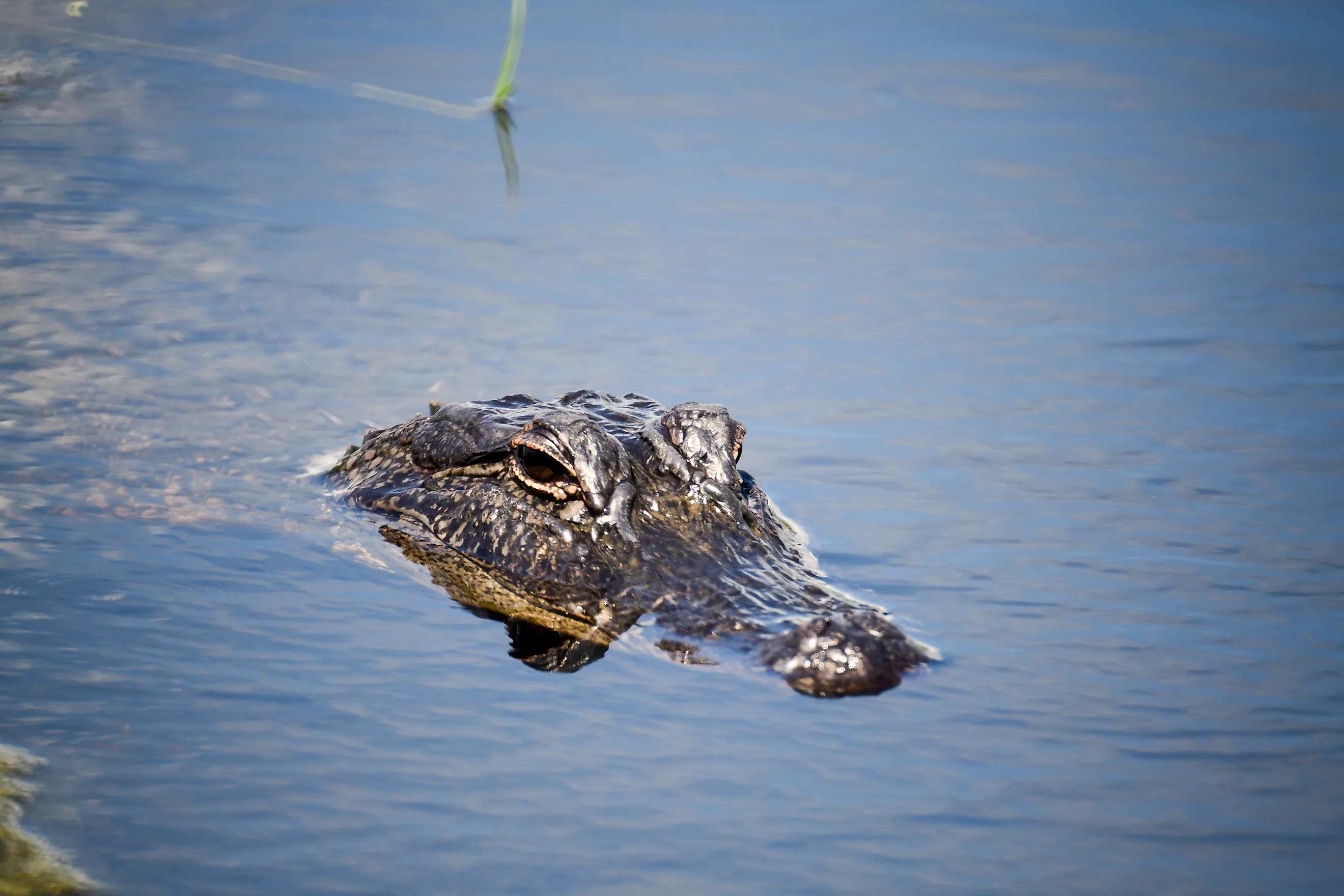
If paddling the Devils River is on your bucket list, Amistad Expeditions is an experienced outfitter in the U.S.-Mexico border town of Del Rio that offers trip planning, shuttle services, and kayak rentals. Book this once-in-a-lifetime trip early, though; during the peak season months of April to October, the company is booked 3 to 5 months in advance. While American alligators are far more common in East Texas than this dry, rocky corner of the state, rattlesnakes and other wildlife are very much at home here, so visitors still need to stay alert on shore and in the water.
Beautiful, Deadly, and Deceptive: Texas Waters That Demand Respect
Texas is home to some of the most scenic bodies of water in the U.S., drawing swimmers, paddlers, and outdoor enthusiasts from all over the world, despite the risks. The urban oasis known as Lady Bird Lake is tainted with unsettling drowning statistics, while popular Lake Travis’s deadly drop-offs hide beneath coves full of swimmers and party boat revellers. The mysterious Jacob’s Well still lures visitors, even after fatal diving accidents led to its closure. While over in Flash Flood Alley, the unpredictable Guadalupe River rises and falls without warning. Finally, the spectacular Devils River offers pristine wilderness with potentially life-threatening challenges. Together, these waters prove that in Texas, beauty often comes with real danger.