5 Most Snake-Filled Bodies Of Water In Kentucky
Kentucky has 33 snake species, four of them venomous. The state's lakes and rivers feed all of them, with steady prey and warm rock to bask on well into fall. Some of these waters hold a dozen species or more along a single shoreline. The five below are where you are most likely to cross paths with one. The list spans the far-western swamps and the southern reservoirs along the Cumberland Plateau.
Murphy's Pond

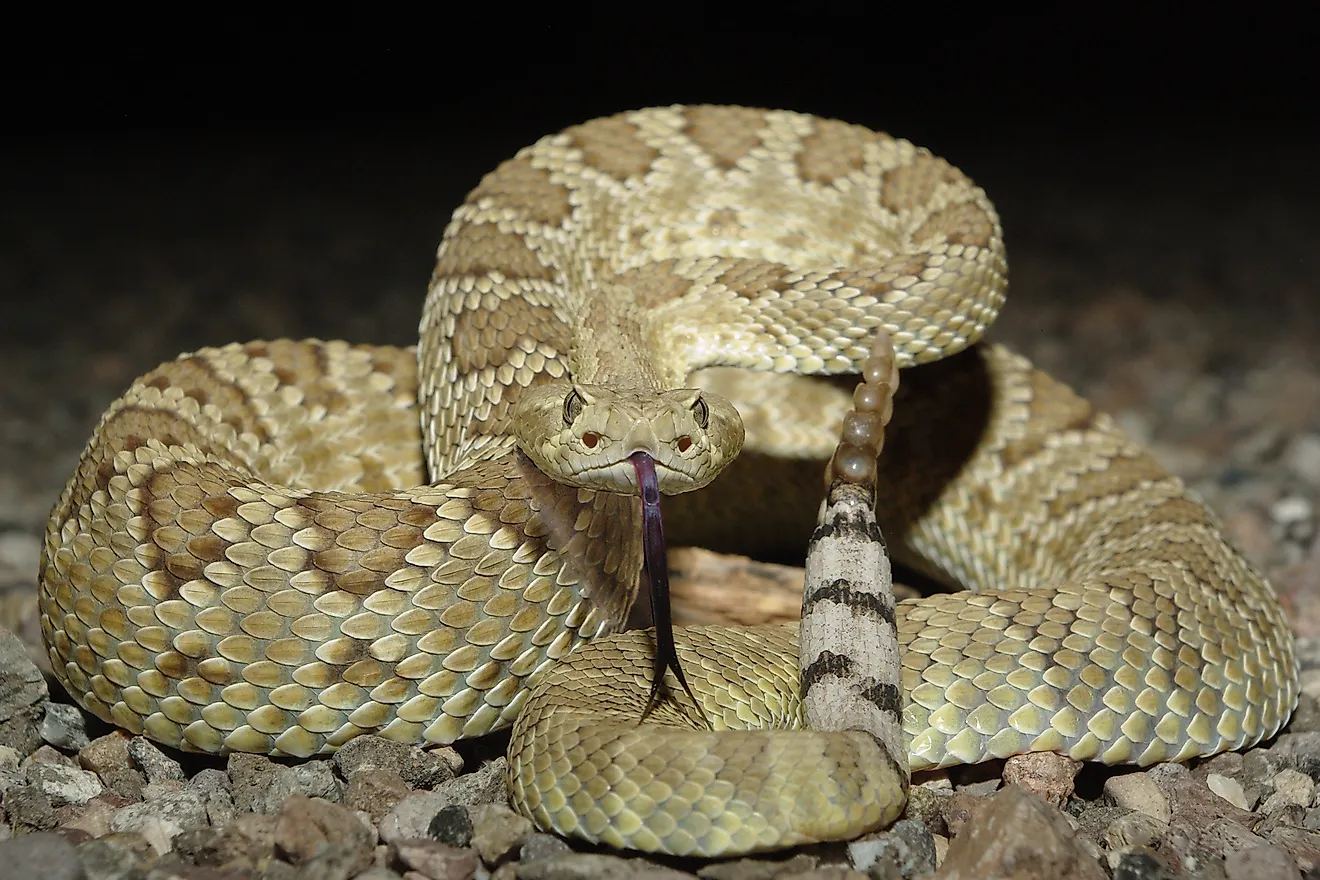
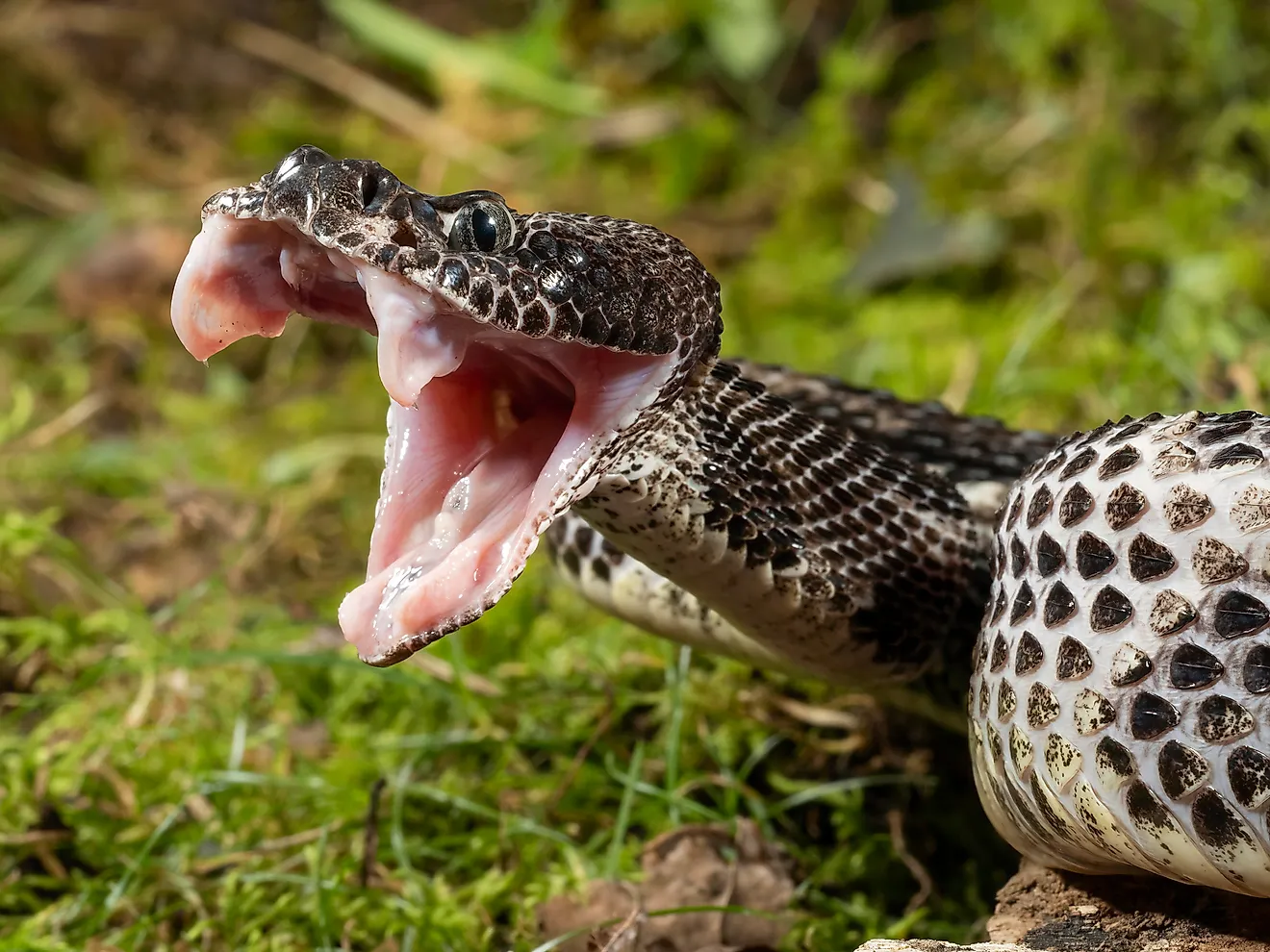
Murphy's Pond is the one that earns this list its reputation. It is a 175-acre bald cypress swamp inside the Obion Creek State Nature Preserve in Hickman County, far western Kentucky, and one of the last old-growth cypress swamps left in the state. Slow, warm, canopy-shaded water like this grows a heavy supply of fish and amphibians, which is exactly what keeps cottonmouths fed across the whole active season. The swamp is known among local naturalists for how many cottonmouths it holds, thick enough that anyone who works the water tends to remember it. The cottonmouth gets its name from the defense you will see here, the wide-open white mouth it shows when it wants you to back off before it slips away. Murray State University has owned and managed the property since 1975, and public access stays restricted, which is part of why the swamp still looks the way it does.
Lake Barkley

Lake Barkley is the one place in Kentucky where you can find every venomous species the state has. The 58,000-acre reservoir forms the eastern edge of Land Between the Lakes and carries 26 documented snake species, though water snakes and black kingsnakes are what you actually see near the bank.

Copperheads, cottonmouths, and timber rattlesnakes all hold established populations here. The rare one is the western pygmy rattlesnake, whose Kentucky range sits almost entirely in this corridor, and wildlife officials ask anyone who spots one to report it. Back in 2021 a large timber rattlesnake turned up at Hurricane Creek Campground on the western shore, the kind of encounter LBL naturalists say is bound to happen given the crowds and the size of the snake population. The three-mile Lake Barkley State Park Trail along the western shoreline is a reliable place to run into more than one species on a single walk.
Kentucky Lake

Kentucky Lake sits across the Land Between the Lakes peninsula from Barkley, running 184 miles down into Tennessee. At more than 160,000 acres it is the largest man-made lake in the state, and it shares most of its snakes with its neighbor. Northern water snakes, eastern garter snakes, and queen snakes are the common sightings.

The diamondback water snake is the one that surprises people, basking on limbs right above the water, sometimes at eye level with a passing kayak. The copperbelly water snake, a protected subspecies with a rust-colored belly, also holds on here in one of its few Kentucky strongholds. The state herpetologist notes that copperheads, the most widespread venomous snake in Kentucky, hunt at night in the warm months, so the trail edges near the water are worth a careful look after dark.
Green River Lake

Green River Lake came out of a 1969 Army Corps dam on the Green River, the longest waterway contained entirely inside Kentucky. It sits about 90 miles from Louisville in Adair and Taylor counties, and anglers come for largemouth, smallmouth, crappie, and muskie. All that fish means a steady food supply at the bank, which pulls snakes in. Timber rattlesnakes show up most along the bank edges from late spring into early summer, and they can turn up at any hour. The northern water snake is the constant here, and people who do not know either species regularly mistake it for a copperhead. The difference matters in the field, the water snake bolts for the water while the copperhead freezes and trusts its camouflage, which is how most accidental contact happens. A timber rattlesnake bite is the most serious snake encounter the state offers, its venom heavy on hemotoxins, so it is the one to give a wide berth.
Lake Cumberland

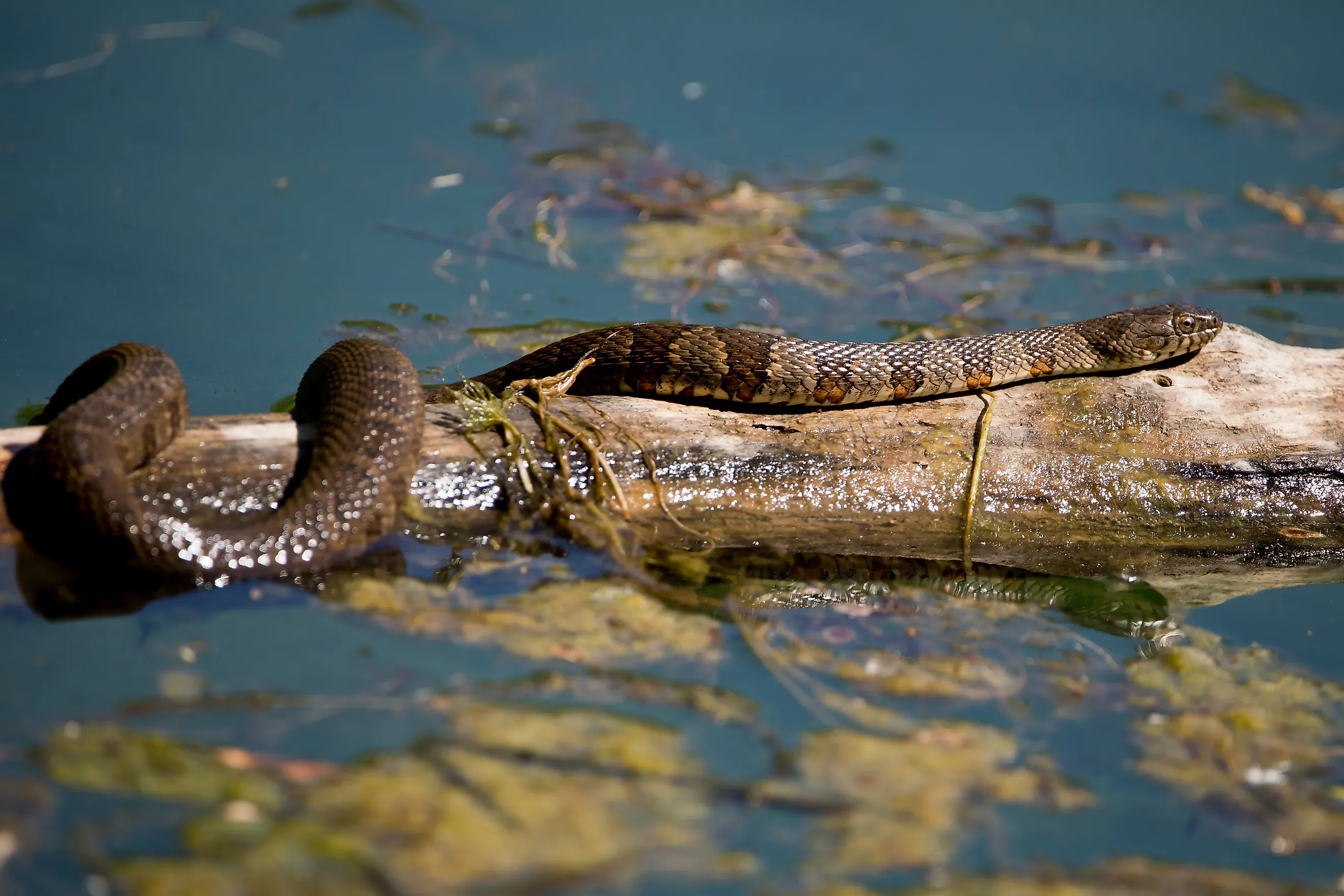
Lake Cumberland is one of the biggest man-made lakes east of the Mississippi, more than 60,000 acres with 1,255 miles of shoreline across Russell, Clinton, and Wayne counties. With that many coves and rocky points, run-ins near the marinas and campgrounds are common in the warm months. Northern watersnakes sun themselves on half-submerged logs in the coves, while black rat snakes work the bluffs and the wooded edges after rodents and nesting birds. The watersnake carries a mild anticoagulant in its saliva, so its bite bleeds more than you would expect, which is behind a good share of the panicked calls to wildlife officials each summer.

Timber rattlesnakes are the real concern, and the Wolf Creek Dam trail near Jamestown is a known spot, where they bask on rocky ledges near fallen logs. If you want to know what you are looking at before you go, the PERCH center near the State Dock marina runs displays on the lake's snakes and which ones you are most likely to meet.
Before You Get In the Water
Most snakebites at Kentucky's waters happen between April and October, when the snakes and the people are both out along the shoreline. The large majority of snakes you will see are harmless and will leave the moment you get close. The state herpetologist's advice covers most of it, watch the trail right in front of you, carry a light near wooded shorelines at night, and never reach into cover you cannot see into. If a venomous snake does bite, get to a hospital, and photograph the snake only if it is safe to do so. As the old line goes, the best treatment for a snakebite is a set of car keys.