6 Most Snake-Filled Bodies Of Water In Delaware
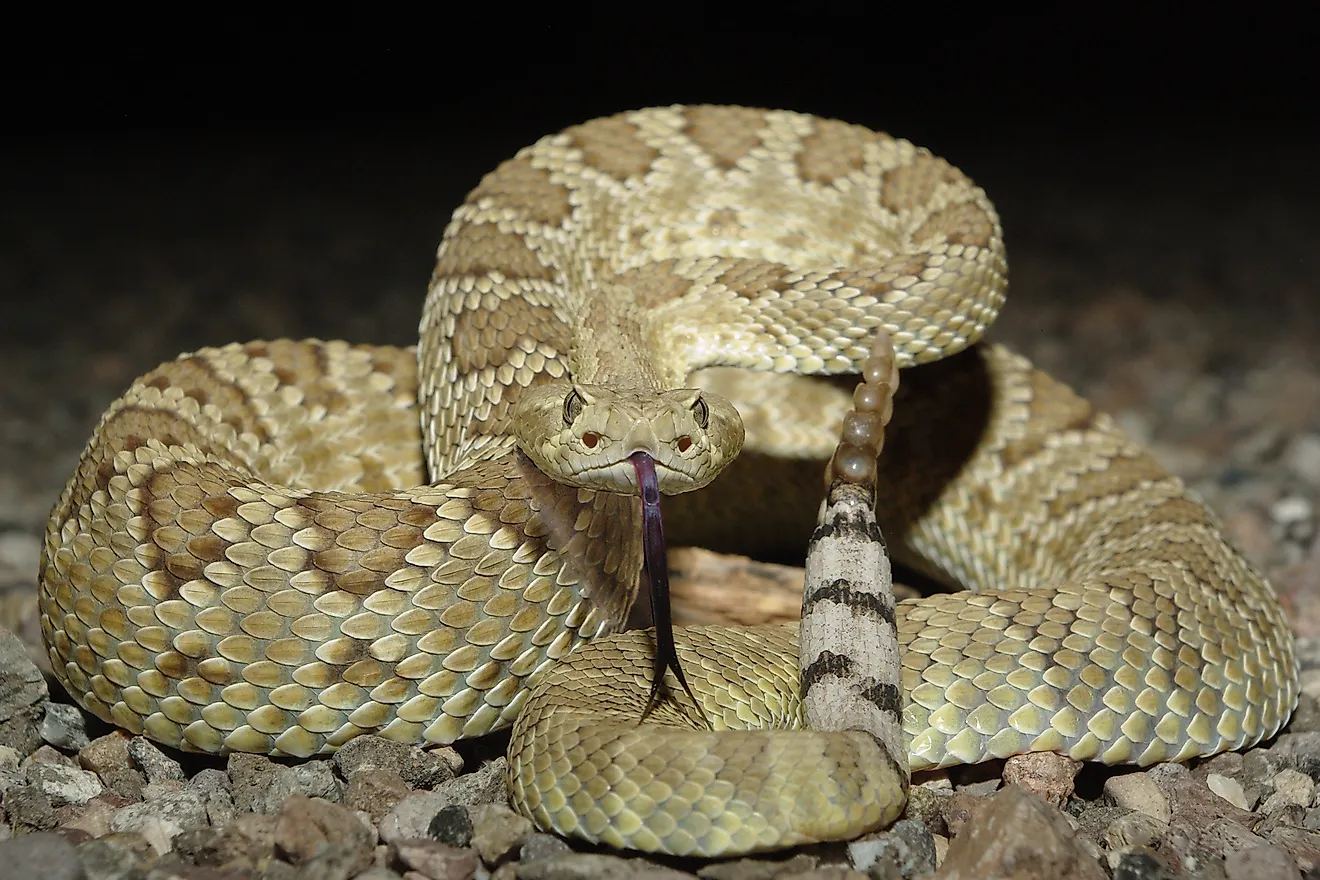
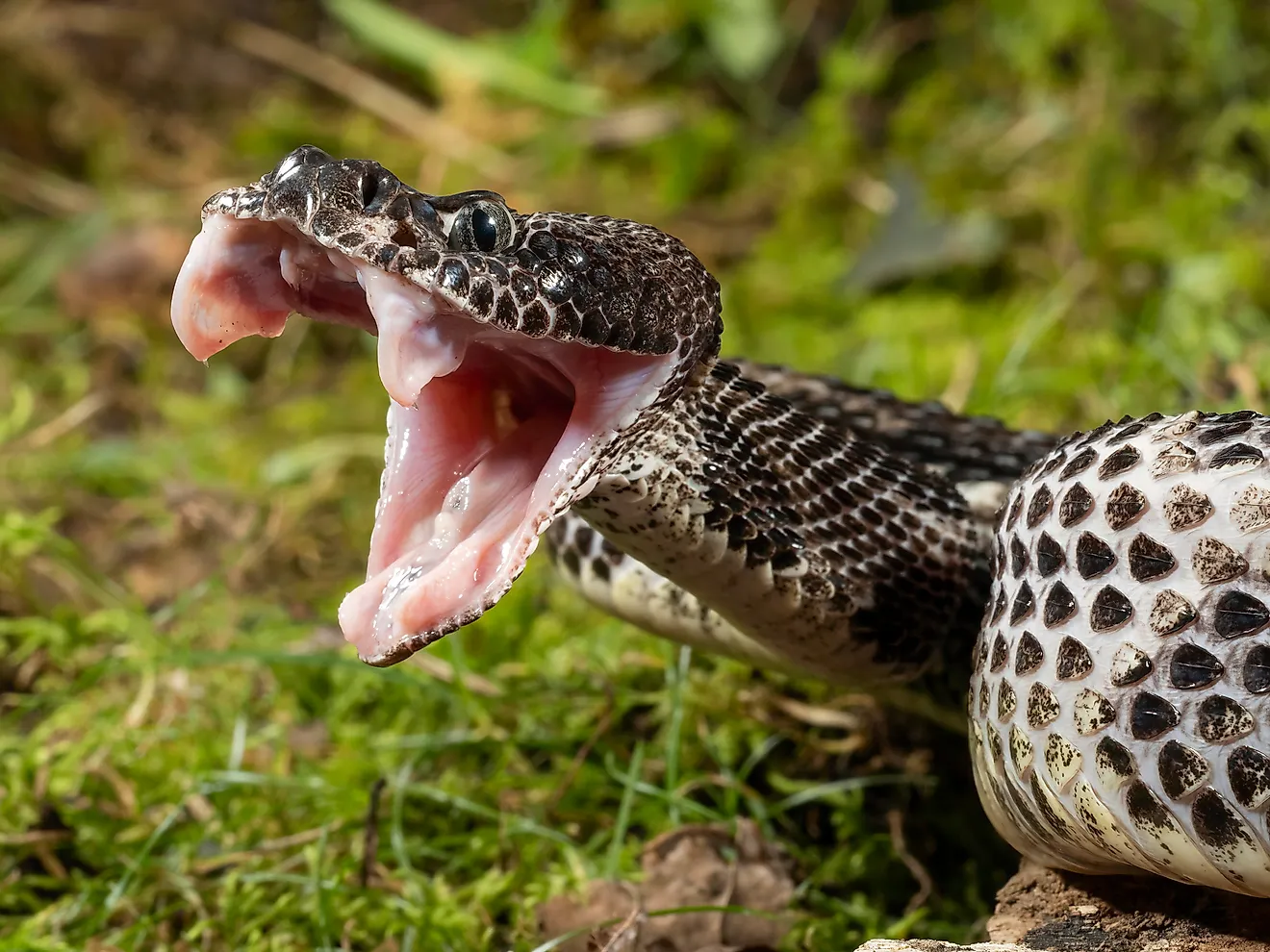
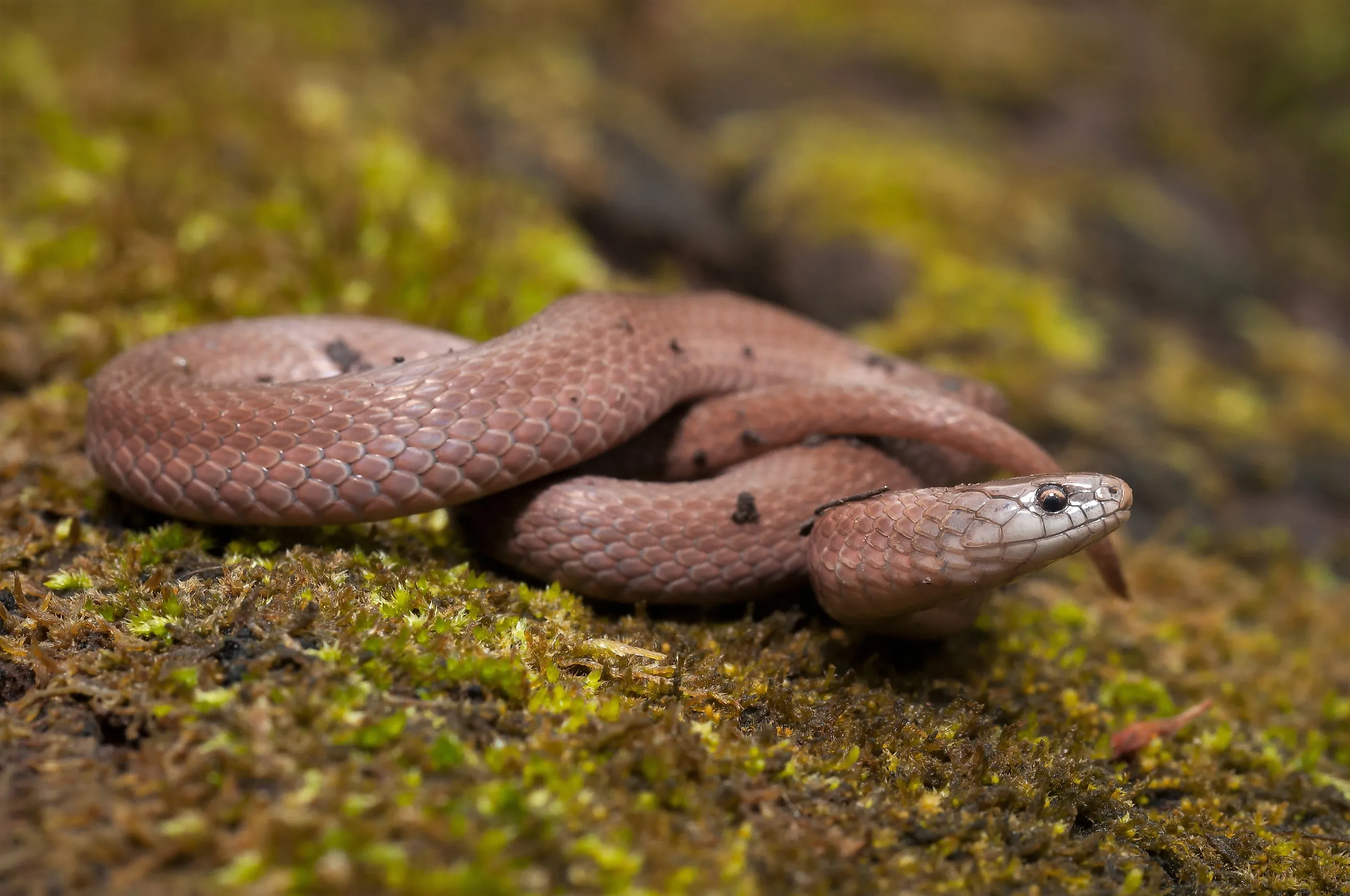
Delaware is home to 19 species of snakes throughout its tiny area of just under 2,500 square miles. These species include ring-necked snake, De Kay's brown snake, eastern hog-nosed snake, smooth earth snake, eastern garter snake, northern water snake, and the venomous copperhead. Of these snakes, many can be seen either swimming in or curled up in the forests, trees, marshes, and underbrush of these snake-filled bodies of water in Delaware. Although timber rattlesnakes have historically been associated with the region, current Delaware guidance identifies the eastern copperhead as the state's only venomous snake, and visitors are unlikely to encounter rattlesnakes in Delaware.
But some of these bodies of water do sit next to the tiny enclaves of copperhead territory. As they are responsible for nearly 3,000 of the 7,000 to 8,000 venomous snake bites yearly, visitors should take special care when visiting some of these snake-filled bodies of water. Even in Delaware rivers, ponds, and streams that only have nonvenomous snakes, visitors should still be careful to avoid stepping on any of these snakes, as even nonvenomous snakes can be defensive and bite intruders. Here are six snake-filled bodies of water in Delaware.
Brandywine Creek

The Brandywine Creek (sometimes called the Brandywine River) rises in southeastern Pennsylvania and runs into northern Delaware as a tributary of the larger Christina River. The Brandywine is tied to regional history: Fort Christina and the New Sweden colony were established nearby along the Christina River in 1638, and the Battle of Brandywine was fought along Brandywine Creek near Chadds Ford, Pennsylvania, on Sept. 11, 1777.
Alapocas Run State Park is a popular park along the Brandywine, with trails that pass through mature woodlands and along Brandywine Creek, including a short Pawpaw Loop highlighting the native pawpaw tree. Visitors should be aware that the park sits near one of the few areas in Delaware where they might encounter the eastern copperhead. In Delaware, this venomous snake is found only in southern Sussex County and near Wilmington. Although copperheads can swim, visitors are more likely to encounter them on land, where they may stay camouflaged in leaf litter, underbrush, or other cover.
If approached by a human, a copperhead is likely to freeze in place rather than flee. This is why the copperhead is responsible for the most venomous snake bites in the US, as many unknowingly step on them. Thankfully, they typically don't inject enough venom to kill someone. Visitors to the Brandywine River or Alapocas Run State Park are more likely to encounter nonvenomous common water snakes than copperheads near the water.
Lums Pond

Lums Pond is the largest freshwater pond at 189 acres in Delaware and is contained within the 1,790-acre Lums Pond State Park. The pond was formed in the early 1800s by damming St. Georges Creek, supplying water to fill the locks of the Chesapeake and Delaware Canal. The pond sits next to a Northern Coastal Plain/Piedmont basic Mesic hardwood forest at the Lums Pond Woods Nature Preserve. These wetland and wood environments provide cover and food for many types of nonvenomous snakes, such as the eastern rat snake (also known as the black rat snake).
These snakes can grow up to seven-feet long and are identifiable by their black scales on their back and lighter-colored bellies. They can survive in many types of habitats, such as around buildings, where they look for rodents or birds. If threatened, they are known to release a bad smell to ward off predators.
In and around Lums Pond, the common water snake is the one they're most likely to notice; it is semiaquatic and feeds primarily on fish and frogs. Other snakes that may occur around wet or wooded areas include common garter snakes and, less conspicuously, ring-necked snakes.
Red Mill Pond

The seven-foot-deep Red Mill Pond sits near Lewes, Delaware. Its waters were used to power mills dating back as far as 1750. The pond acts as a water source for many varieties of amphibians, fish, and smaller mammals. This wildlife, in turn, attracts its natural predators: snakes.

Residents of Lewes have not reported seeing any venomous snakes around Red Mill Pond. Rather, they have discovered common garter snakes and northern water snakes. In some cases, northern water snakes have even wandered out of the pond and into residential areas. One garter-like snake that may occur around wetland and pond edges in Delaware is the eastern ribbon snake. This semi-aquatic snake frequents the edges of marshes and lakes, hunting for smaller fish, frogs, and salamanders.
Silver Lake

Silver Lake is a man-made lake formed by a dam in the St. Jones River and sits within Delaware's capital city of Dover. It acts as an urban escape for Dover dwellers, within the larger Silver Lake Park, an 182-acre facility with boat ramps, walking paths, and fishing areas to catch largemouth bass, catfish, and bluegill. Because Silver Lake is an urban park with water and shoreline habitat, snake encounters are possible, although all of the snakes found here are nonvenomous, including common water snakes and common garter snakes.
Snakes here often cling to marshier edges of bodies of water or in the wooded trails surrounding it. Northern water snakes vary significantly in color, appearing gray, tan, or brown, and can grow between 2 and 4.5 feet long. These snakes may bite if threatened, but their bites contain no venom. They can eat many types of fish, such as catfish, smallmouth bass, and hogsuckers, along with smaller amphibians.
Delaware River

The Delaware River provides drinking water for more than 17 million people, rising in New York and flowing south to the Delaware Bay. The lower Delaware River section supports smallmouth bass, channel catfish, painted turtles, migratory birds, river otters, beavers, and four threatened bat species. The lower river area is filled with rocky gorges and bluffs beside forests and wetlands. All of these ecosystems are ideal for snakes.
The lower river itself doesn't support any known venomous snakes, but it does support northern water snakes. This snake can be found in the river itself or in slower-moving streams feeding into or out of it. Most snakes tend to live either on the edge of the river or in marshes surrounding it, such as the eastern ribbon snake or the eastern garter snake. Despite popular misconceptions, all snakes can swim, including the garter snake, which hunts for smaller fish and amphibians that live in or around the water.
Trap Pond

Trap Pond is a bald cypress swamp that holds the northernmost naturally occurring stand of bald cypress in the United States. The pond was created in the late 1700s to power a sawmill during the harvest of large bald cypress from the area. During the Great Depression, the Civilian Conservation Corps established many pavilions, bathhouses, and recreational facilities for visitors and residents to enjoy the pond. Today, the pond is a part of Trap Pond State Park and is popular for paddling or learning about the swamp environment at the Baldcypress Nature Center, including the snakes that live here.
The most frequently seen snake in Trap Pond is the northern water snake. Many visitors confuse these snakes for venomous cottonmouths, both due to their semi-aquatic nature and their defensive nature, as they are known to flatten themselves and occasionally bite if they feel threatened. Although some believe these snakes are aggressive, they do not chase down people.
The eastern garter snake is another Delaware species associated with aquatic habitats and may occur around wetlands and pond edges. Due to the pond's location in Sussex County, it is within the range of the venomous copperhead. These snakes tend to live in mixed forests but can wander out to marshier lands and even swim in the water. There have been no reported bites from these snakes, and they tend to remain hidden from view.
Respecting Snakes and Their Delaware Habitats

The vast majority of the snakes one will find in these Delaware bodies of water, even in the small copperhead territories, are nonvenomous. However, these snakes are still wild creatures, so they should be treated with respect, as even nonvenomous varieties can become defensive and bite or emit a foul odor, such as the northern water snake.
Unfortunately, humans do at times kill these snakes, as they are frightened of them or confuse them for other venomous species (such as the cottonmouth, which does not live in Delaware). In order to avoid such incidents, hikers, fishers, and other outdoorsy folk should remember to wear proper footwear and stay aware of their surroundings. Those who see a snake should follow the basic rule of spending time in the wild: Take only pictures.