4 Most Snake-Filled Bodies Of Water In South Dakota
Primarily covered in expanses of grassland, South Dakota has a modest yet surprisingly lively set of lakes, rivers, and reservoirs, each of which provides ideal habitat for several native snake species. While most of the state's snakes are nonvenomous and relatively shy, they are frequently spotted near these waters as they search for frogs, fish, insects, and other tasty food, or when warming their blood under the sun on rocks and logs.
The state's Missouri River-fed reservoirs and winding prairie wetlands are not equal in this respect, and some waterways consistently provide more sightings than others. With that in mind, here are some of the most snake-filled bodies you can find today in South Dakota, along with the species you're most likely to encounter and info on the specific habitats that keep them returning year after year.
Lake Oahe

Lake Oahe, a vast reservoir on the Missouri River spanning central and northern South Dakota (and reaching well into North Dakota), shapes a variety of landscapes, including wetlands, rock-covered shorelines, and backwater bays that attract a range of snake species.
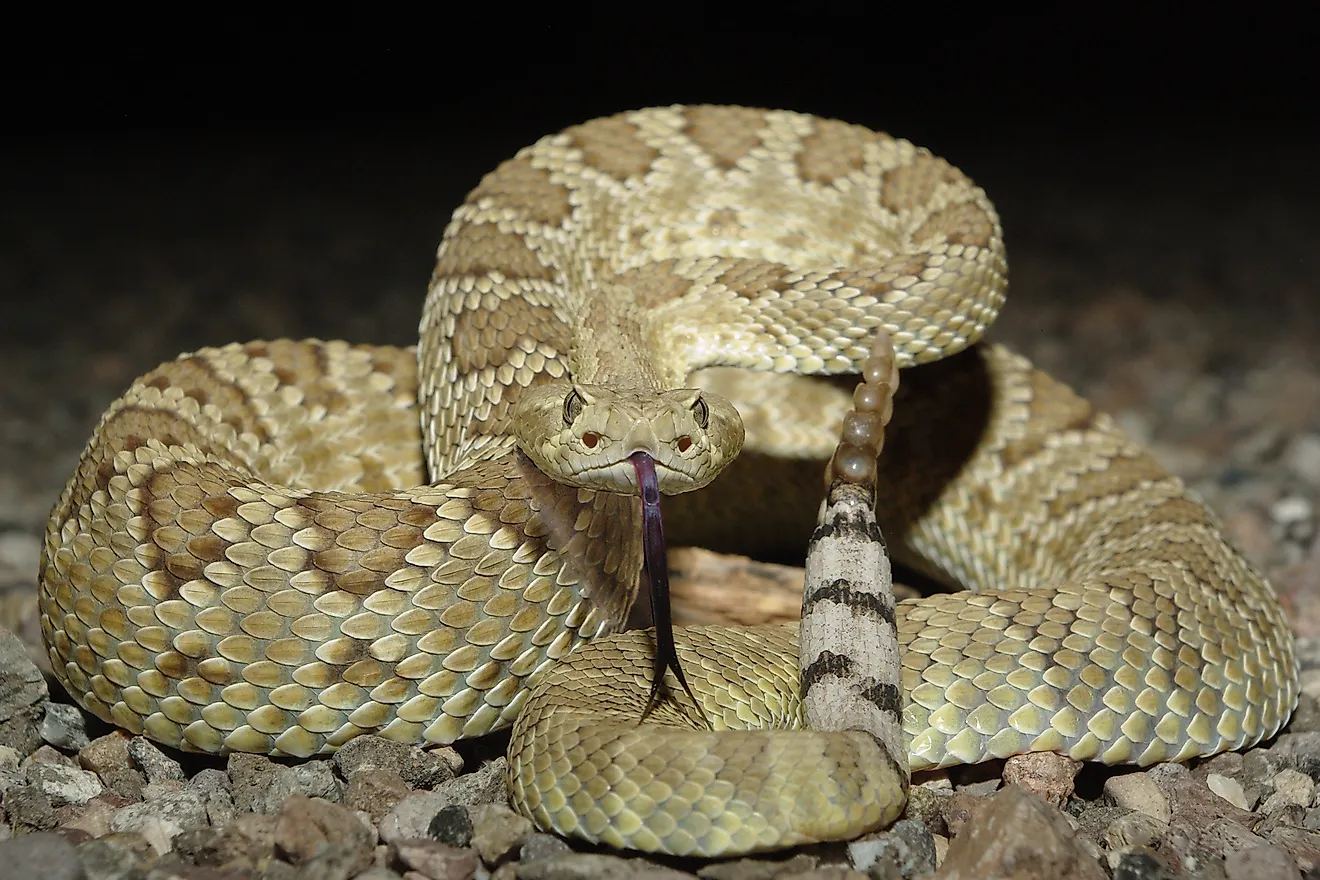
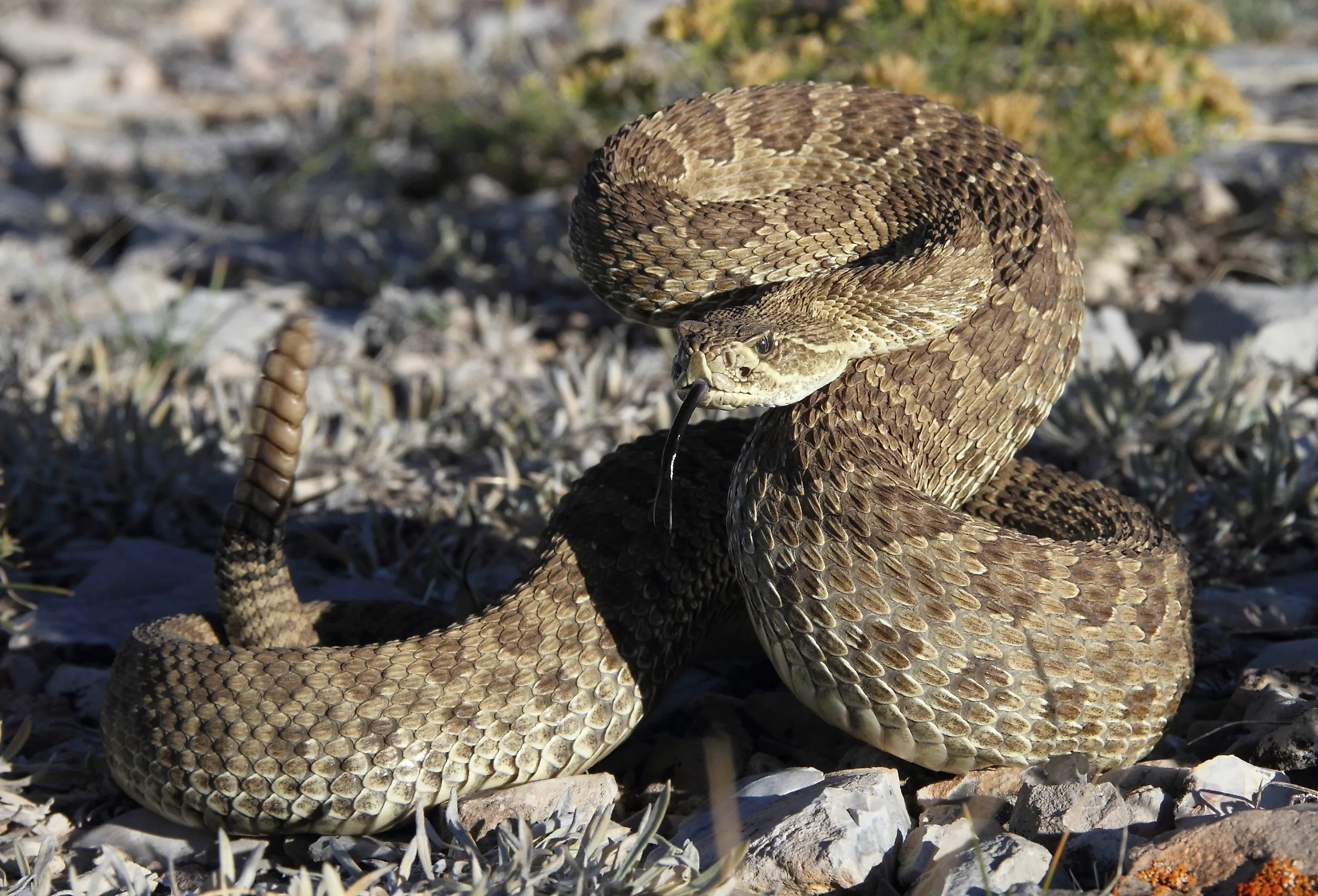
The plains garter snake is perhaps the most frequently encountered here, often seen hunting along grassy banks for amphibians and small fish, as well as other more land-based prey, while the closely related common garter snake appears in similar habitats, especially in sheltered coves. In the eastern reaches of the system, the western fox snake also uses riparian edges and abandoned burrows near the water. When it comes to venomous species, the grasses around the lake are well-known for hosting prairie rattlesnakes, so definitely watch your step.
Overall, its countless warm, shallow inlets provide ideal hunting grounds for these predators during the summer months, when baitfish and frogs are abundant. But beyond its reptile life, Lake Oahe is also known for trophy walleye fishing and long stretches of undeveloped shore, making it a major draw for anglers, boaters, and wildlife observers across the northern Great Plains region in peak summer months. These are visitors who, more often than not, report the bulk of snake sightings during their time in the area.
Pactola Lake

Pactola Lake offers a very different snake habitat than the open prairie reservoirs of eastern South Dakota. Surrounded by ponderosa pine forest and the rugged granite slopes of the Black Hills, this body of water is home to northern watersnakes (also known as "common watersnakes") in and around calm shoreline areas, where they hunt a typical diet of fish, tadpoles, and amphibians. The western terrestrial garter snake is also common around the water's edge, as well as prairie rattlesnakes, particularly near marshy pockets and creek mouths feeding the reservoir.
Fallen logs, rocky outcrops, and sunlit banks provide excellent basking sites before Pactola's resident snakes return to either the water or the nearby woodlands to forage. With that, visitors are most likely to spot them from late spring through early fall, especially during warm mornings.
Pactola Lake is also the largest reservoir in the Black Hills National Forest, supplying water to nearby communities while simultaneously serving as a popular destination for kayaking, fishing, hiking, and even scuba diving thanks to its exceptionally clear waters.
Angostura Reservoir

Angostura Reservoir in the southwestern corner of the state combines warm waters with broad stretches of cattail marsh, flooded woodlands, and gently sloping shoreline, creating an excellent array of living space for several kinds of snakes. Plains garter snakes are regularly found moving through shoreline vegetation in search of a meal, while common garter snakes, again, occur around the reservoir alongside them, especially where meandering creeks and seasonal wetlands connect to the main body of water. Although these species are harmless to people, they are efficient predators that help control amphibian and rodent populations in the area.
Also, as usual in South Dakota, snake activity around Angostura increases noticeably during the hottest months, when basking individuals can often be seen near rocks, boat ramps, and patches of brush. Because of that, Angostura Reservoir is equally well known for its comfortable swimming water (if you don't mind sharing it) and sandy beaches, as well as its snakelife, features that make it a popular summer recreation destination in the southern Black Hills region for nature lovers.
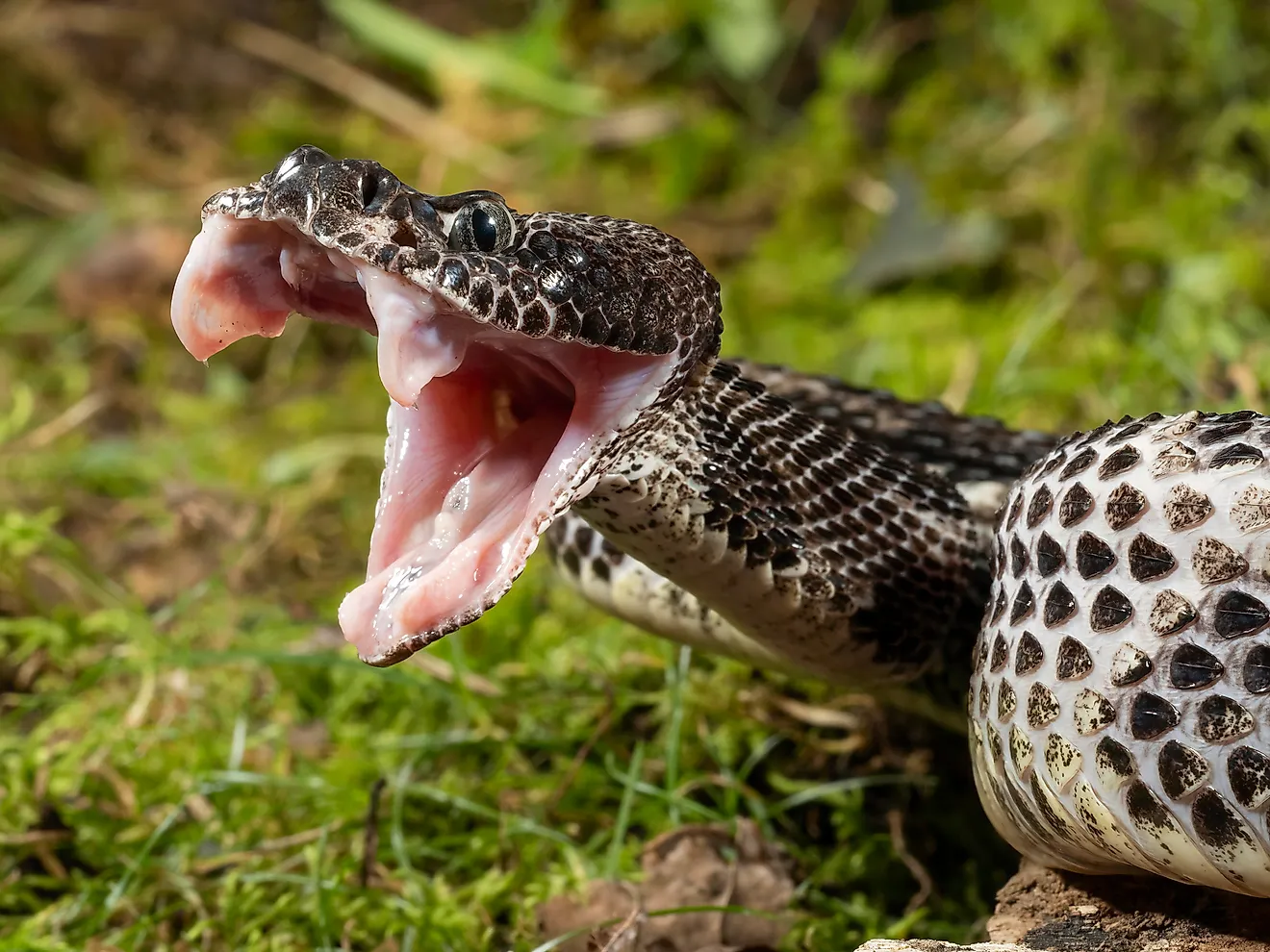
Due to its popularity and the presence of rattlesnakes (with a few notable cases of deadly bites), this is another spot where walking through tallgrass and dense brush should only be done sparingly.
Big Sioux River

The Big Sioux River winds through floodplain forests, marshes, agricultural land, and urban green spaces like those in Sioux Falls that support a surprising diversity of snakes. While the usual plains and common garters can often be sighted along the banks of this 419-mile waterway, in southeastern South Dakota, eastern yellow-bellied racers and bullsnakes (or "gophersnakes") may also be encountered nearby, although they generally remain in adjacent grasslands before briefly approaching the water to hunt. Furthermore, seasonal flooding creates oxbows, backwaters, and temporary wetlands that concentrate fish and other small prey, making these areas particularly attractive to snakes like this outside the winter months.
Because the river flows through several parks and public access areas, sightings are more common here than in many remote waterways, too. The Big Sioux River also serves as an important migration route for birds, with its banks drawing significant numbers of herons, bald eagles, kingfishers, and numerous other wildlife species.
Watch out for Snakes in These South Dakota Waterways
Reptiles are a small but important part of South Dakota's freshwater ecosystems, helping regulate populations of rodents, amphibians, and other small animals. Whether you're fishing, canoeing, or hiking along the shores or banks of the above-mentioned waters, it's worth staying aware of your surroundings and giving any snake you encounter plenty of space, especially given the fact that territorial rattlesnakes are fairly prevalent throughout. However, most species are nonvenomous and will quickly move away if left undisturbed.