5 Most Snake-Filled Bodies Of Water In Arkansas
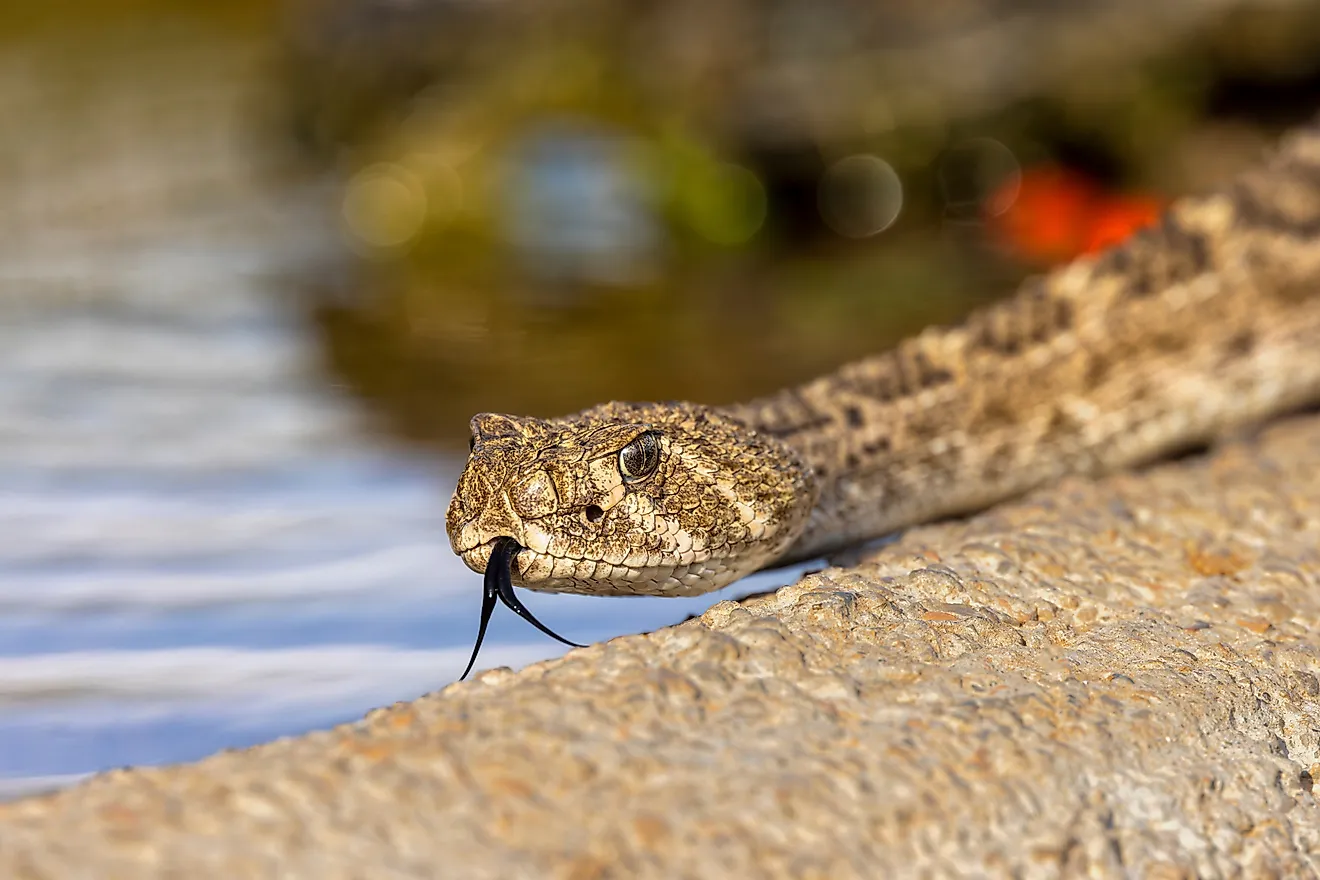
A handful of Arkansas waters crawl with snakes. Most of them are harmless, but a few are venomous. The state gives every one shallow water and thick cover. That is where these cold-blooded residents gather. Rattlesnakes rule the dry Ozark highlands. Cottonmouths own the sluggish backwaters near the Mississippi River. On any of these banks, you share the space with snakes. Move with care and watch where you step.
Lake Conway

Cottonmouths and copperheads share the banks of Lake Conway with the city next door. The 6,700-acre reservoir lies just south of Conway. Run-ins along the shoreline have always been routine. The Arkansas Game and Fish Commission drained the lake in 2023 to replace its 75-year-old dam. Refilling will take several years, so water and access stay limited for now. At full pool, the lake is prime snake habitat. Shallow water and thick cover do the rest.
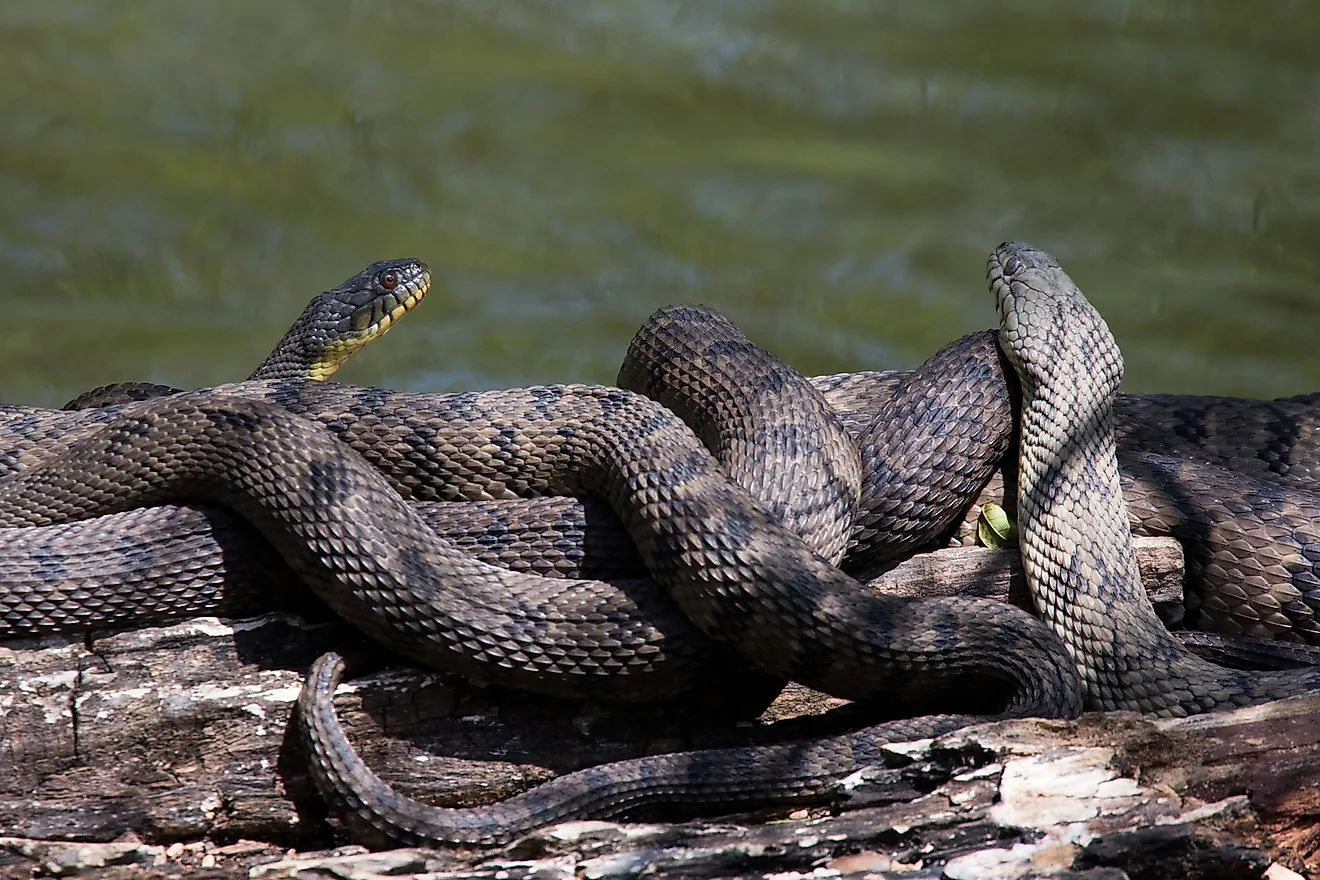
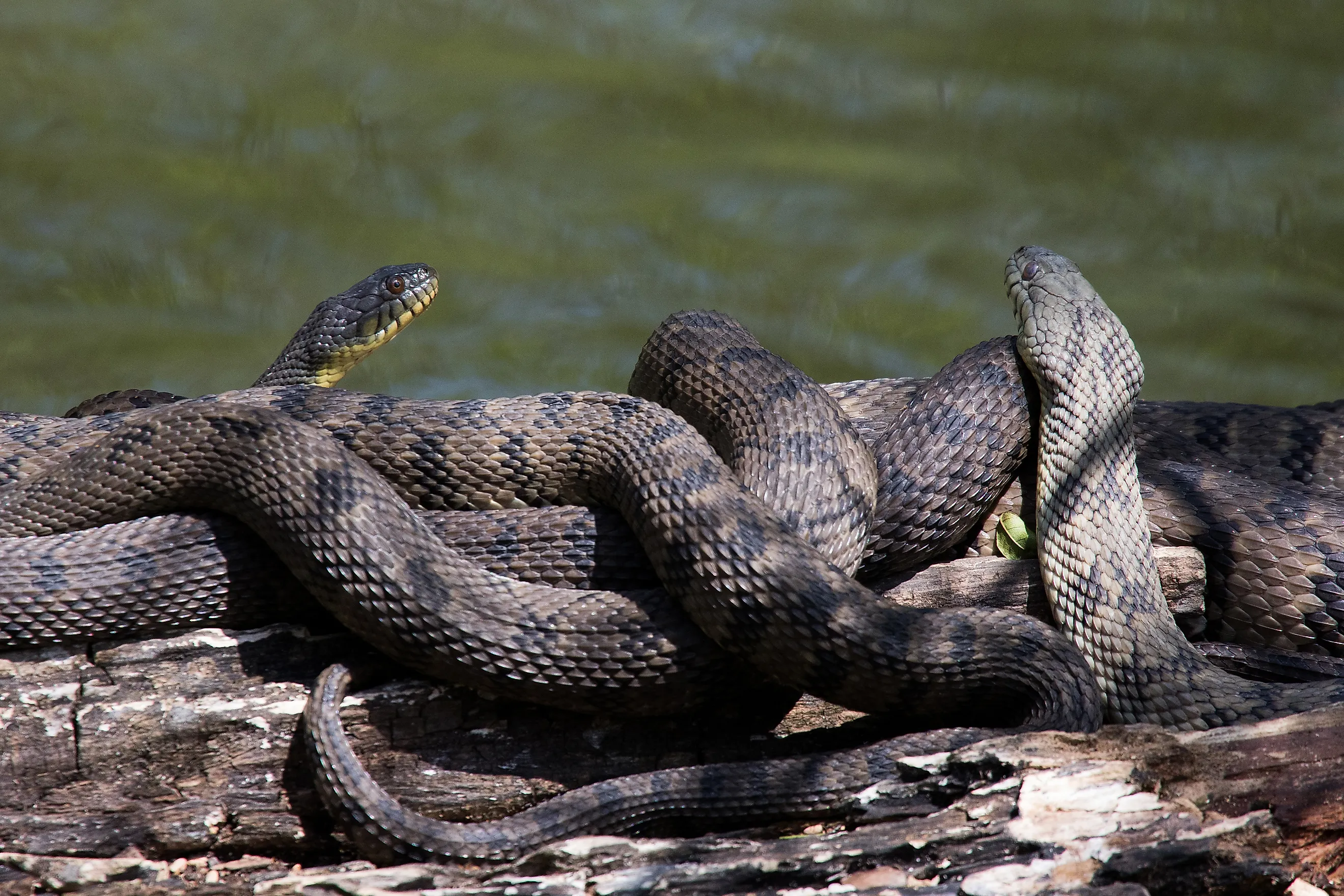
The diamondback watersnake rounds out the trio, and it is harmless. The northern cottonmouth, once called the western cottonmouth, shows up in real numbers in the stagnant coves. It suns on logs and cruises the shallows. None of the three bolts when cornered. They stand their ground, and that is when people get hurt.
So learn the etiquette first. Watch your footing on rocky ground. Know where you are wading. Never corner a snake, because a cornered snake turns defensive.
Millwood Lake

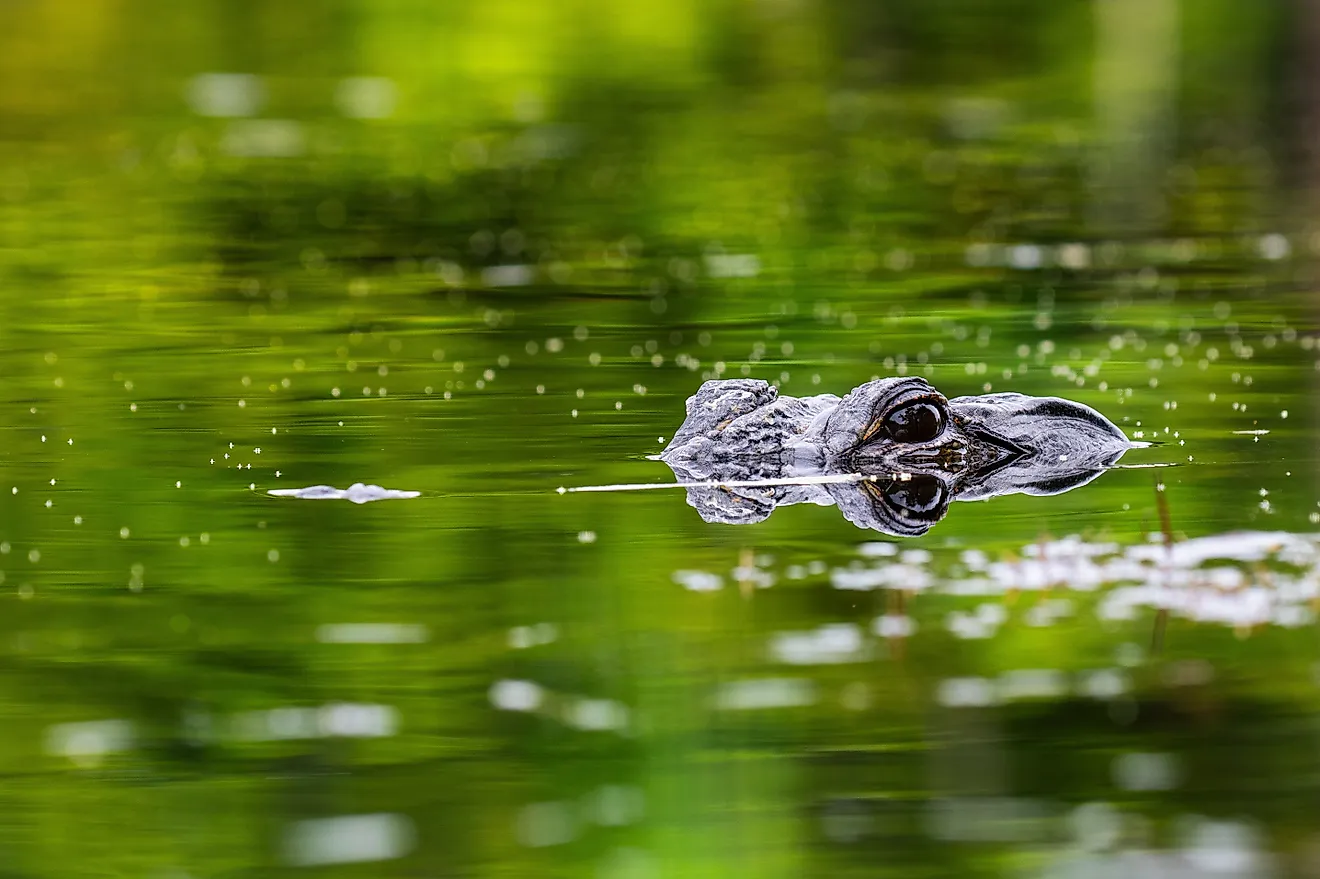
Flooded timber and wide backwaters make Millwood Lake a magnet for snakes. The lake fills the state's southwest corner. Cover and prey pile up across its shallows. The guest list goes well past snakes. Turtles patrol the edges. The occasional American alligator turns up near the northern edge of its range. All that life makes the reservoir catnip for researchers and paddlers.
Cottonmouths and copperheads cover the venomous end. They lurk in the murky shallows and turn up near boat ramps. Non-venomous diamondback and banded watersnakes are just as common. People mistake them for cottonmouths and kill them for it. Millwood spans nearly 30,000 acres, and its snake population stays busy through spring and into early fall.
Petit Jean State Park

Petit Jean State Park has no lakeshore to speak of, yet snakes work every corner of it. The park crowns Petit Jean Mountain in Conway County. Bluffs, spring-fed creeks, and small lakes give them room. Most of the residents are harmless. The rough green snake, the western ribbon snake, and the eastern hognose all show up. The timber rattlesnake and the eastern copperhead bring the venom. Both keep to the quieter woods and bluff lines, so the surprises wait off the main trails.
Snake activity peaks in the warm months, about April through October. The density never rivals the delta wetlands downstream. Still, the varied terrain and busy trails produce steady sightings. Petit Jean doubles as a site for reptile monitoring and education.
Dale Bumpers White River National Wildlife Refuge

The Dale Bumpers White River National Wildlife Refuge hands snakes a 160,000-acre maze of swamp and bayou. It spreads across eastern Arkansas, stitched with lakes and oxbow ponds. Few places in the state hold more water and land snakes together. Its flooded forest supplies cover, breeding habitat, and feeding grounds. Surveys log the heaviest activity during high water. Call the visitor center about conditions if snakes give you pause.
The backwaters are tailor-made for the northern cottonmouth. You will spot it draped over logs or prowling the muddy banks. Non-venomous watersnakes are everywhere too, mainly the diamondback, banded, and plain-bellied kinds. They stay on the move through spring and into the first cool days of fall.
Hot Springs National Park

Hot Springs National Park counts more than 70 reptiles and amphibians, and plenty of them are snakes. The park wraps around a working downtown in the Ouachita Mountains. It protects creeks, the celebrated thermal springs, and wooded ridges. The national park keeps the official tally, but the snakes are easy to find on your own.
Five of the resident snakes carry venom. The eastern copperhead is the one you are most likely to cross. It suns itself right along most trails. The park also holds the timber rattlesnake, the western pygmy rattlesnake, and the cottonmouth. The harmless majority pulls its weight too. Western rat snakes, speckled kingsnakes, and watersnakes thin out the rodents.
Hard population numbers are tough to pin down. The park's protected status and mixed habitat keep its wildlife counts high. The advice is simple. Stay on the marked trails and stay alert. Snakes are most active in summer.
Read The Water Before You Wade
Here is the part worth remembering. Every native snake in Arkansas is protected by law, and you cannot kill one unless it poses an immediate threat. That rule exists because these animals earn their keep, hunting the rodents that would otherwise raid barns and gardens. Most of the snakes you meet at Millwood or Hot Springs are harmless watersnakes that get blamed for crimes they never commit. Learn a few field marks, give them space on the bank, and the water stays good for everybody.