What Lies At The Bottom Of Lake Superior
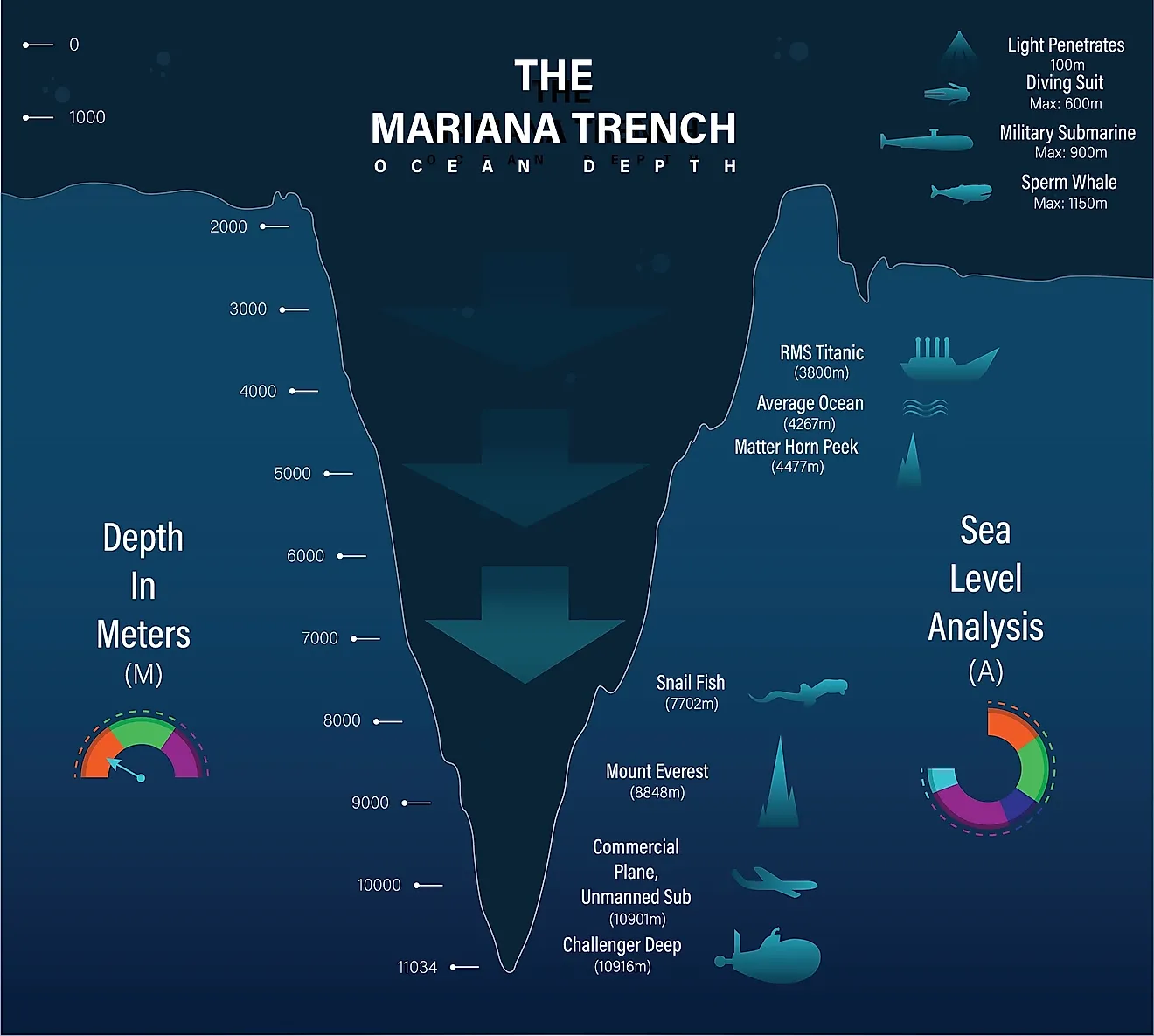
Lake Superior's deepest point plunges more than 1,300 ft (400 m) in an underwater basin known as Superior Maximus. To put this into perspective, the Great Lake could hold New York's 1,046-foot Chrysler Building with room to spare. Since it receives no sunlight, Superior Maximus exists in perpetual darkness, with a constant temperature of 39°F. These deepwater conditions help preserve shipwrecks and unique species at the bottom of Lake Superior.
Lake Superior is the world's largest freshwater lake by surface area, holding about 10% of all the planet's fresh surface water. Because the lake bed is largely unexplored, researchers are eager to learn more. Ecological discovery and historic preservation are some of the main points of interest. More importantly, understanding the state of its depths can help preserve this vital global resource.
Exploring Superior Maximus

Despite the scientific value of exploring Superior Maximus, it is a challenge not many have undertaken. The immense pressure at the bottom of Lake Superior makes it difficult and dangerous to explore. Overlying water causes the lakebed to experience a crushing pressure, 40 times greater than the lake's surface level. Humans walked on the moon 16 years before they reached the bottom of Lake Superior, speaking to the difficulty of the task.
Researchers from the University of Wisconsin-Milwaukee performed the first expedition to Superior Maximus in 1985 using a submersible. 40 years later, a research biologist from the Michigan Department of Natural Resources returned with deep-water drones. The 2026 expedition aimed to map out more of the lakebed and investigate the lake's "zombie" trout. Still, the majority of Superior Maximus remains unexplored and uncharted.
Hundreds Of Sunken Ships

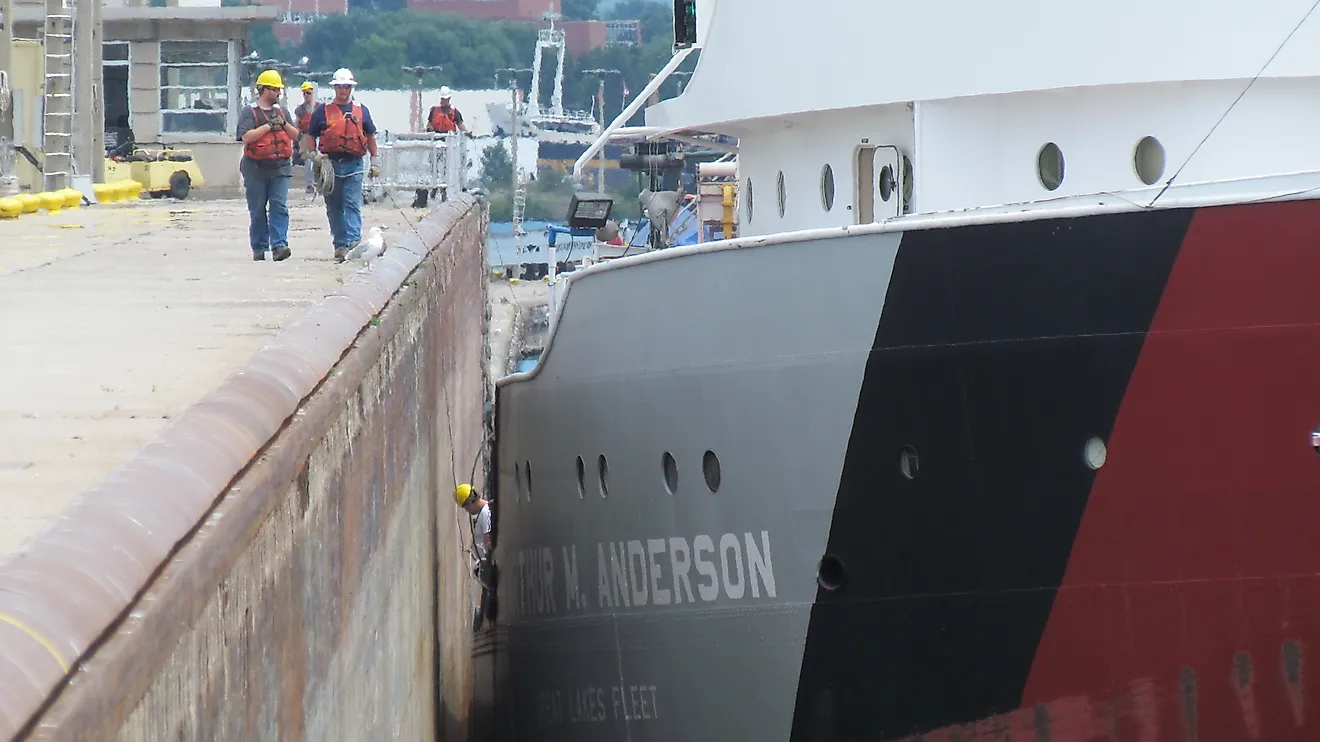
Estimates suggest that at least 6,000 shipwrecks lie at the bottom of the 5 Great Lakes. Lake Superior's floor has about 350 of these vessels, half of which remain undiscovered due to the lake's vast size and depth. For the ships we have found, this depth is actually advantageous. The lake's frigid, freshwater environment drastically slows the decay of its sunken ships, often resulting in pristine preservation.
The S.S. Scotiadoc
The S.S. Scotiadoc is the deepest known shipwreck in Lake Superior. The 1953 sinking was attributed to heavy fog and damage from colliding with another ship. The vessel was discovered 60 years later in 2013. Shipwreck hunters found the dry bulk freighter 850 ft (259 m) deep in Canadian waters, about 19 mi (30 km) from Thunder Bay, Ontario. Using a tethered camera, the group proved their findings with photos of the sunken vessel.
The Edmund Fitzgerald
The Edmund Fitzgerald is the most well-known shipwreck in Lake Superior. A storm caused the freighter to wreck in 1975, leading all 29 crew members to perish. The ship's sinking was notable for its size. At 730 ft (223 m) long and 75 ft (23 m) wide, it remains the largest vessel ever to sink in the Great Lakes. The ship and crew were immortalized in Gordon Lightfoot's 1976 song, "The Wreck of the Edmund Fitzgerald." In 1995, the ship's 200-pound bronze bell was also recovered to commemorate the tragedy. It has since been restored and is displayed at the Great Lakes Shipwreck Museum in Whitefish Point, Michigan, the town closest to the shipwreck.
The May Flower
In 1891, the May Flower sank carrying sandstone from Michigan to Minnesota. Built in 1887, the wooden-hulled scow schooner is the oldest known wreckage in Lake Superior. Adverse weather conditions led the ship to capsize only a few miles from the Duluth harbor entrance. Nonetheless, its remains were only found a century later in 1991. The discovery was an archaeological feat, providing previously unknown information on historic scow schooners.
The Gunilda
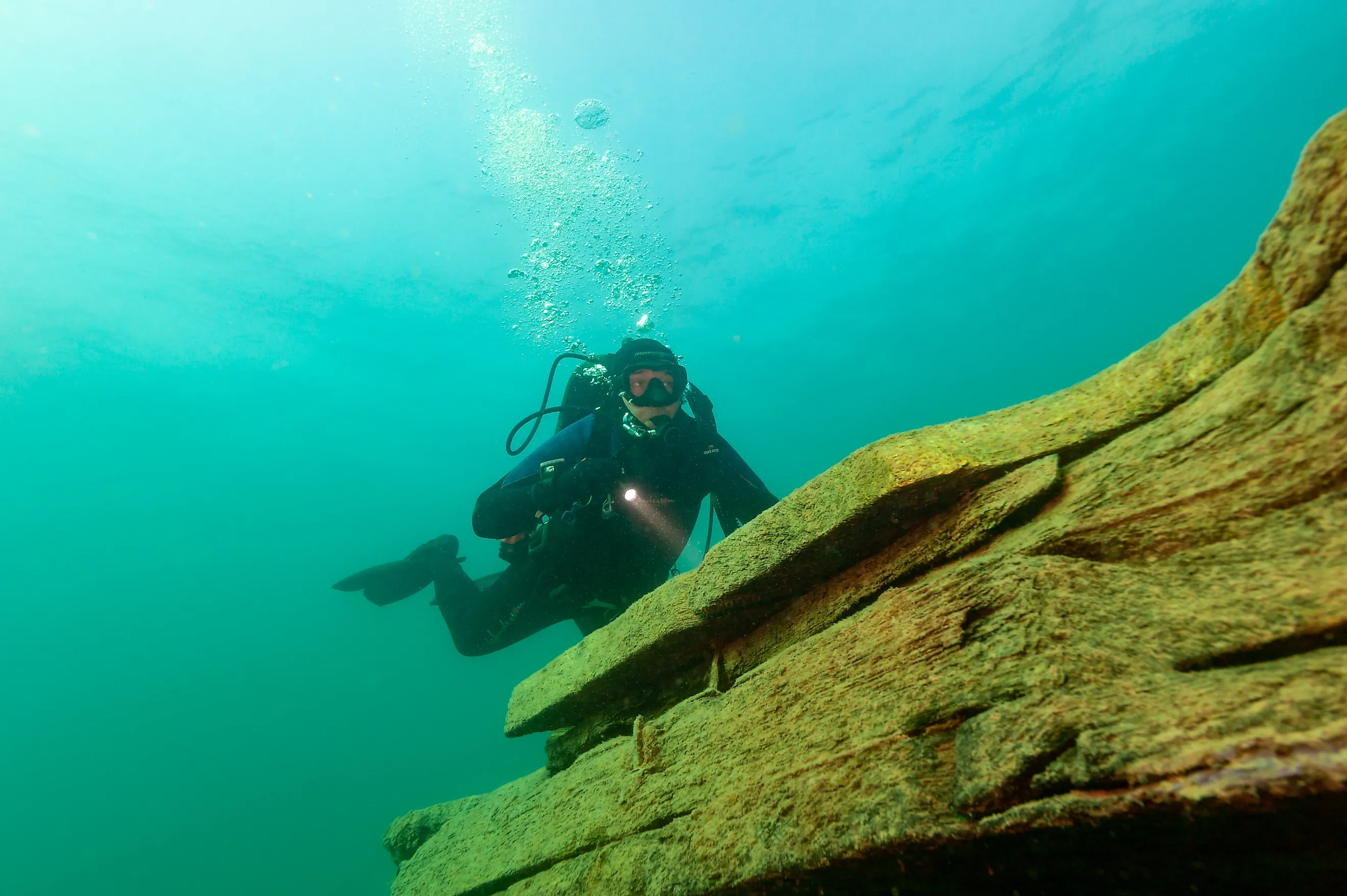
Unlike Lake Superior's commercial shipwrecks, the Gunilda sailed as a private yacht. In 1911, the luxury vessel sank near Rossport, Ontario. Its owner, William L. Harkness, chose to navigate the waters without a pilot, causing navigation issues that led the yacht to hit rocks. The ship filled with water and sank about 280 ft (85 m) deep, where it remains to this day. The Gunilda is regarded as one of the best-preserved shipwrecks in the Great Lakes. The upright wreck is largely intact due to its gentle sinking, represented in still-unbroken glass. Lake Superior's cold waters have also helped preserve much of the wood and furniture. It is one of the most popular scuba diving sites in Lake Superior as a result.
Unique And Unusual Deepwater Fish

Severe pressure, near-freezing temperatures, and total darkness create a demanding environment at the bottom of Lake Superior. Despite these extremes, several species of rare deepwater fish are adapted to these conditions. Studying these deepwater species helps researchers understand deep-lake ecology and human impact on the Great Lakes.
Kiyi
The kiyi (Coregonus kiyi) is a rare species of freshwater whitefish endemic to the Great Lakes. While this deepwater cisco was once found in Lakes Huron, Ontario, Michigan, and Superior, they are now mostly restricted to Lake Superior. Researchers found that the Lake Superior kiyi favors depths of 262 to 656 ft (80 to 200 m). They are rarely found at depths less than 121 ft (37 m).
According to a study by the University of Buffalo, kiyi eyes are adapted to see "blue-shifted" light. This genetically encoded adaptation enables the kiyi to hunt and navigate through the bottom of Lake Superior. Researchers are interested in this biological adaptation, as it may play a role in reintroducing the species back into the other Great Lakes. In turn, this could potentially restore ecosystems and food webs disrupted by invasive species.
Deepwater Sculpin
The deepwater sculpin (Myoxocephalus thompsonii) is endemic to North America. Members of the family Cottidae, these freshwater fish are not as rare as kiyis, found in many lakes across Canada alone. Since the species lacks a swim bladder, the fish are preadapted to extreme pressure. They also lack traditional buoyancy, causing them to naturally sink to lakebeds. The sculpin is mainly abundant in waters 230 to 295 ft (70 to 90 m) deep, although they have been discovered in Lake Superior at depths of 1335 ft (407 m).
Similar to kiyis, the sculpin's visual sensitivity allows it to see in deep, pitch-black waters. However, these tremendous depths also make it challenging to study this elusive deepwater species. Not much is known about its physiology or behaviors. Conversely, we do know that deepwater sculpins are a critical link in their food webs, especially for Great Lakes ecosystems. They serve as prominent prey for lake trout (Salvelinus namaycush) and burbot (Lota lota). They are also excellent ecosystem indicators for the Great Lakes, as their population health can reflect water quality and food web stability.
Siscowet "Zombie Fish"
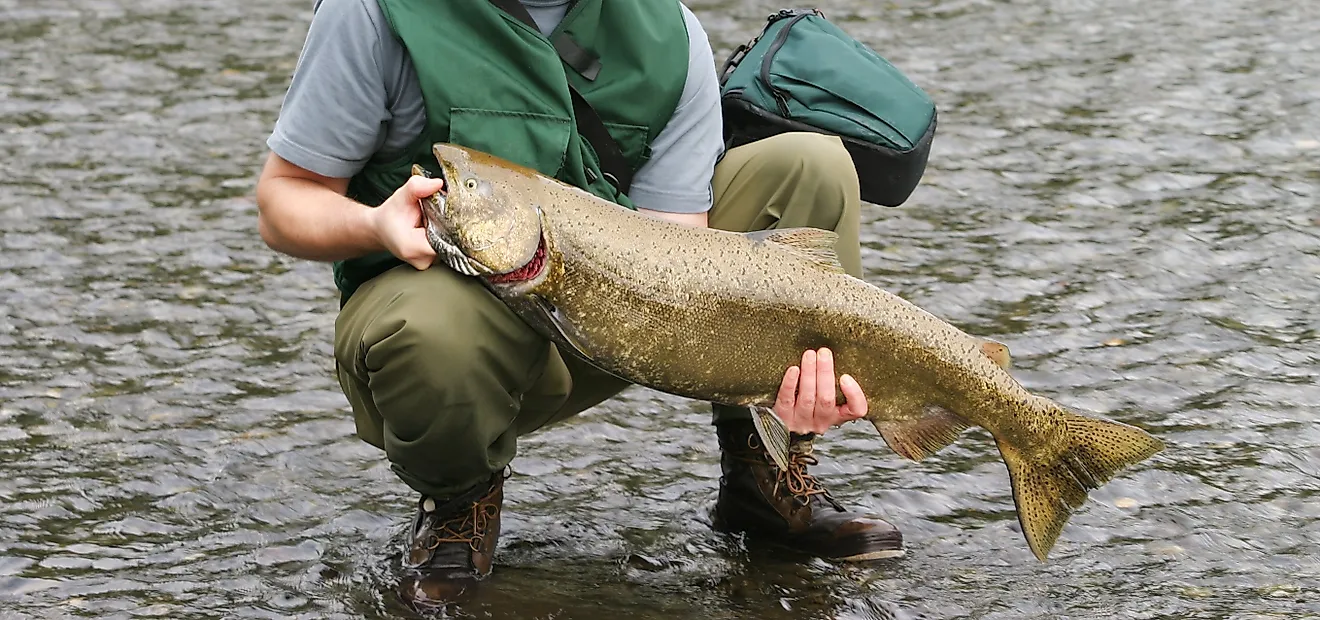
The siscowet lake trout (Salvelinus namaycush) is a deepwater form best known from Lake Superior, though similar forms have occurred in other Great Lakes. The subspecies is often called a "fat trout" due to its extremely high body fat content, which can reach 70%. Coupled with the siscowet's enlarged eyes, the species is well-equipped for life in deep water. Siscowet are most abundant in depths of 300 to 600 ft (91 to 183 m), although they sometimes live at depths exceeding 1,000 ft (305 m). They mainly prey on benthic fish like the aforementioned deepwater sculpin.
Researchers are alarmed by a rising number of thin siscowet, commonly dubbed "zombie fish." These emaciated fish carry only about a third of the fat of a healthy siscowet of the same size. There is currently no single explanation for this abnormality, and so far, the phenomenon is limited to Lake Superior's deepest zones.
The Michigan Department of Natural Resources (Michigan DNR) reported an increase in "zombie" siscowet in 2026. Surveys showed that the number of emaciated siscowet has risen from about 3% in 2015 to about 20% in 2024 and 2025. According to the Michigan DNR, these numbers are even greater at Superior Maximus, where 54% of the documented siscowet were classified as emaciated. Ongoing research by the Michigan DNR hopes to reveal the cause and significance of this phenomenon.
The Value Of Diving Deep
Lake Superior feeds a Great Lakes system that tens of millions rely on for safe drinking water. The Great Lake is also a crucial sanctuary for rare and abundant aquatic life. Although its shallow waters are easier to access and study, understanding Lake Superior's depths means learning how to preserve the global resource. Historians can also dive deep to discover the region's maritime past. Despite the obstacles of venturing to Superior Maximus, researchers are actively working to uncover more of its mysteries.