How Many Great Lakes Shipwrecks Have Never Been Found?
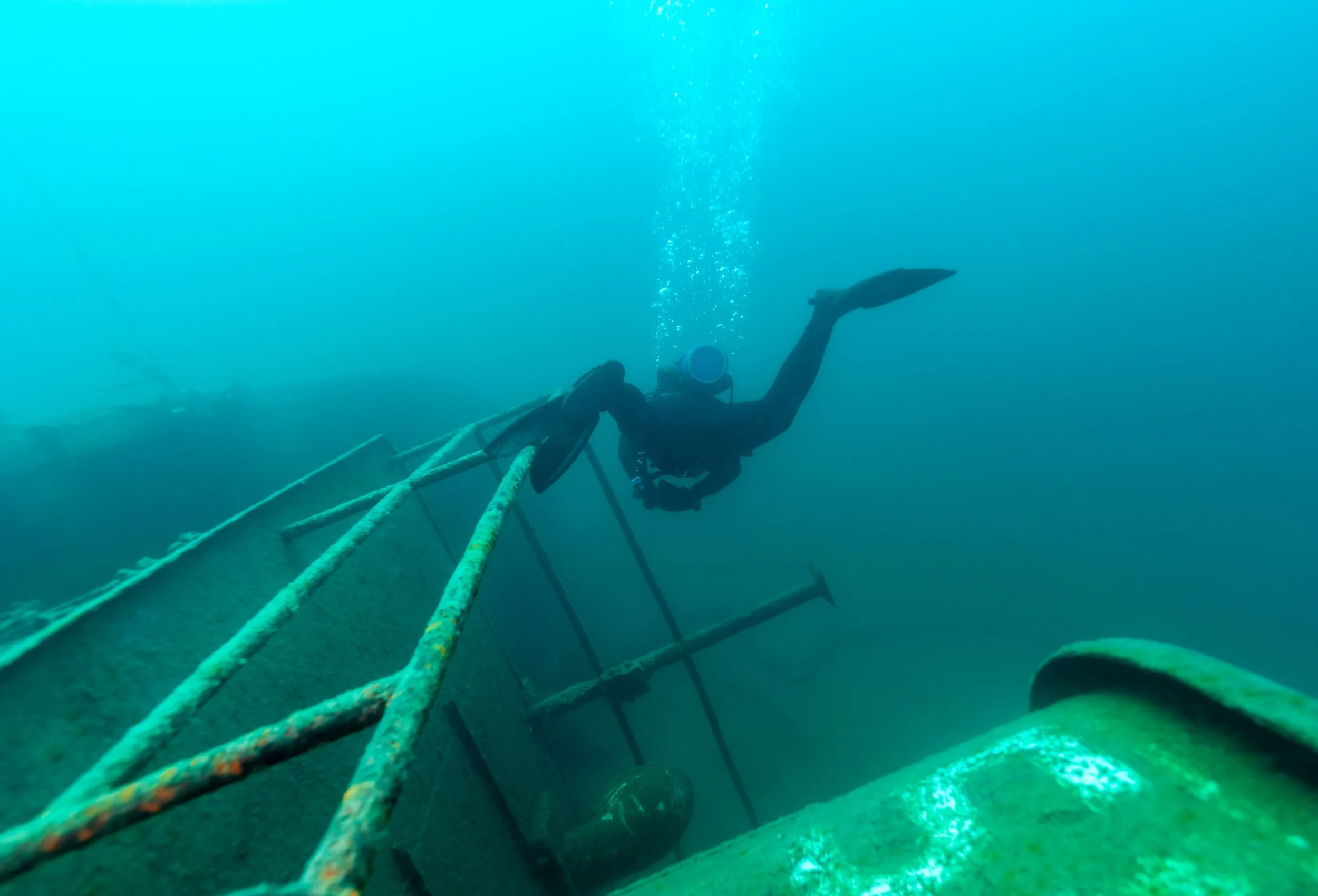
The bottom of the Great Lakes holds thousands of ships that sailors never brought home. Erie, Huron, Michigan, Ontario, and Superior carried heavy traffic for nearly two centuries. Four of these lakes are shared by the United States and Canada. Lake Michigan sits entirely inside the United States. Many early losses were never written down. Shipwrecks still grip people because real individuals went down with these vessels. That pull explains the museums and preservation groups that catalog the shipwrecks across the Great Lakes region. The harder question is how many wrecks remain lost, and why nobody can yet give a firm count.
How Many Are Still Missing?

The exact number of undiscovered Great Lakes shipwrecks is unknown. NOAA estimates that roughly 6,000 vessels were lost in total, and says many wreck sites remain to be found. Even so, accounting for every potential wreck remains difficult. The bigger the vessel, the more records exist to verify its existence, function, and final resting place. So the large ships are the ones typically known.
Another factor is the variability of the lakes themselves. Lake Michigan has seen the most commercial vessel traffic, which makes a full accounting of its losses especially hard. Many boats that set off from the surrounding shores never carried the documentation that would make relocating them easy, and that gap persists even with modern scientific equipment. NOAA's Wisconsin Shipwreck Coast National Marine Sanctuary in Lake Michigan contains 36 known shipwreck sites, while historical research suggests that another 60 may remain undiscovered within its boundaries.
Why Are So Many Still Missing?

Many wrecks remain undiscovered because historical records are incomplete, and because submerged sites can be difficult to detect, reach, identify, and evaluate across the lakes' enormous search area. As northerly inland seas, all five share unpredictable weather, the traditional enemy of mariners. Fog, storms, and ice have each proven deadly to Great Lakes shipping. The lakes also differ in depth, shape, and size, and each of those traits creates its own obstacle to finding lost vessels. Depth can make wrecks harder to reach, but discovery also depends on the historical record, bottom terrain, sediment, visibility, wreck preservation, and how much of the area has been surveyed.
Lake Michigan
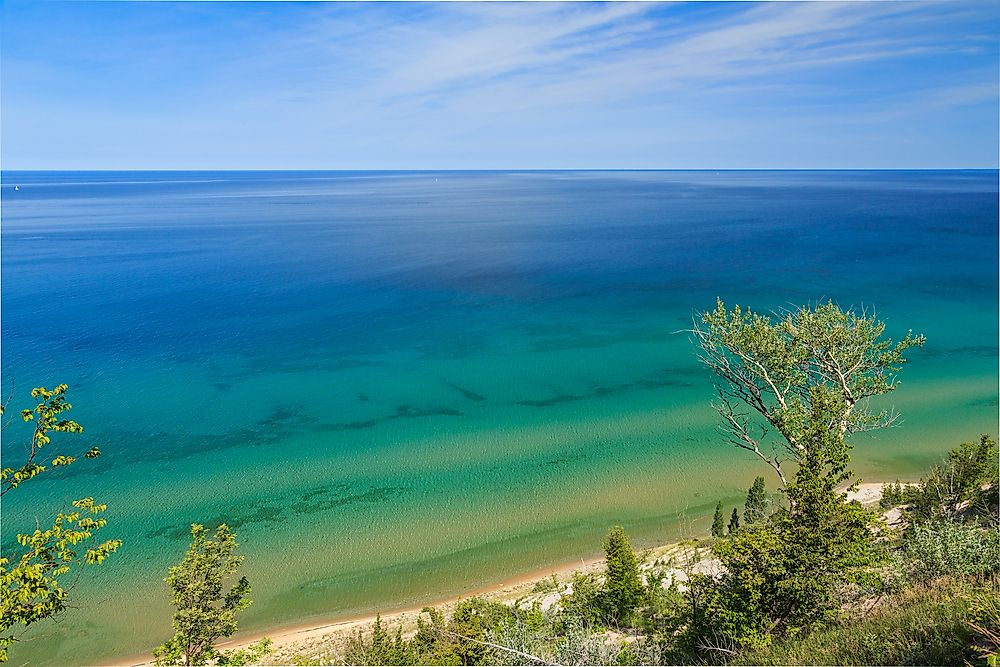
Lake Michigan is a logical place to start, because it has supported extensive commercial and passenger traffic, and NOAA estimates that roughly 1,200 wrecks lie beneath its waters. Heavy historical traffic increased the number of vessels exposed to storms, collisions, fires, and navigation hazards, while incomplete records and difficult search conditions have left some wreck sites undiscovered. Many vessels that once carried coal, grain, lumber, and manufactured goods may therefore remain undiscovered beneath Lake Michigan.
Lake Huron

Like its neighbor to the west, Lake Huron has long carried a high volume of commercial and passenger vessels. It also holds some of the most treacherous waters in the Great Lakes system. The dangers of places like Thunder Bay near Alpena, Michigan, are well known today, but that was not always the case. This area is also called "Shipwreck Alley," a place where the known and the unknown can lie on the bottom side by side. It has been the site of many diving and mapping operations, and even those methods have not located them all.
Lake Superior

Lake Superior's immense area and maximum depth of 1,332 feet make wreck searches difficult, though that does not make it definitively the hardest Great Lake to survey. It is the deepest of the five, and that depth adds to the challenge of locating wrecks. This is the body of water that holds the remains of the Edmund Fitzgerald, whose 1975 sinking was immortalized in song by Gordon Lightfoot. The Fitzgerald's resting place is known, yet many other Lake Superior wreck sites remain undiscovered. Nearby institutions such as the Great Lakes Shipwreck Museum describe those still missing as "not yet found."
Lake Ontario

On the other end of the spectrum is Lake Ontario, the smallest of the Great Lakes. Though it is relatively small, it is one of the deeper lakes, reaching 802 feet down. Lake Ontario National Marine Sanctuary documents nearly 70 known historic shipwrecks and one historic aircraft, while noting that additional shipwrecks await discovery.
Lake Erie

The last of the Great Lakes, and the shallowest, is Lake Erie. Its lack of depth can be deceptive. Lake Erie’s shallow, uneven basin allows high waves to build quickly during sudden storms, conditions that have doomed many vessels. The lake has also carried extensive commercial traffic past industrial ports such as Cleveland, while the Detroit River links it to Detroit and the upper Great Lakes. Estimates place the number of Lake Erie shipwrecks between 500 and 2,000, although only a fraction have been located, and the exact total remains unknown.
A Count That Keeps Shifting
All five lakes share some features, yet they differ enough to pose individual challenges for anyone trying to catalog shipwrecks. Many people tend to picture them as a single stretch of water between the United States and Canada. In practice, they cover about 94,250 square miles of surface, and that figure says nothing about the volume of water below. Add the centuries of shipping that have crisscrossed them, and the lakes will likely keep many of their secrets. Continued advances in sonar, diving technology, and historical research should still bring some of these missing wrecks to light.