4 Most Snake-Filled Bodies Of Water In Massachusetts
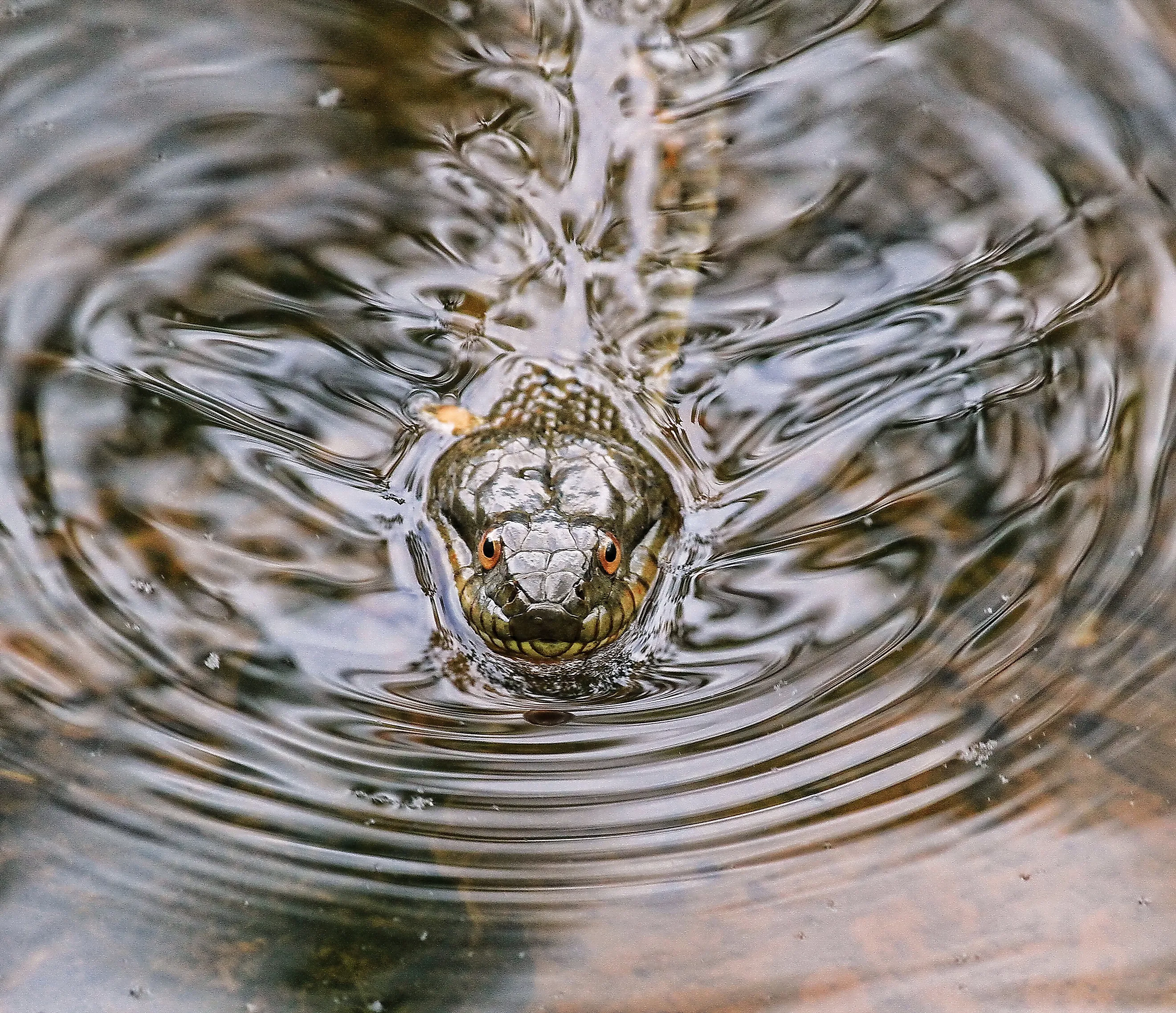
Massachusetts features dozens of lakes, rivers, reservoirs, and wetlands that provide plenty of habitat for several hardy, native snake species. While the state has no notable populations of venomous snakes, common watersnakes (also known as "northern watersnakes"), eastern gartersnakes, northern ribbonsnakes, and a few other harmless species are often seen along various shorelines and in shallow water during the warmer months of the year.
Quabbin Reservoir, the Housatonic River, and the waters in between support some of the state's highest reptile concentrations in general, and with that, these are four Massachusetts bodies of water where snake encounters are most likely.
Quabbin Reservoir

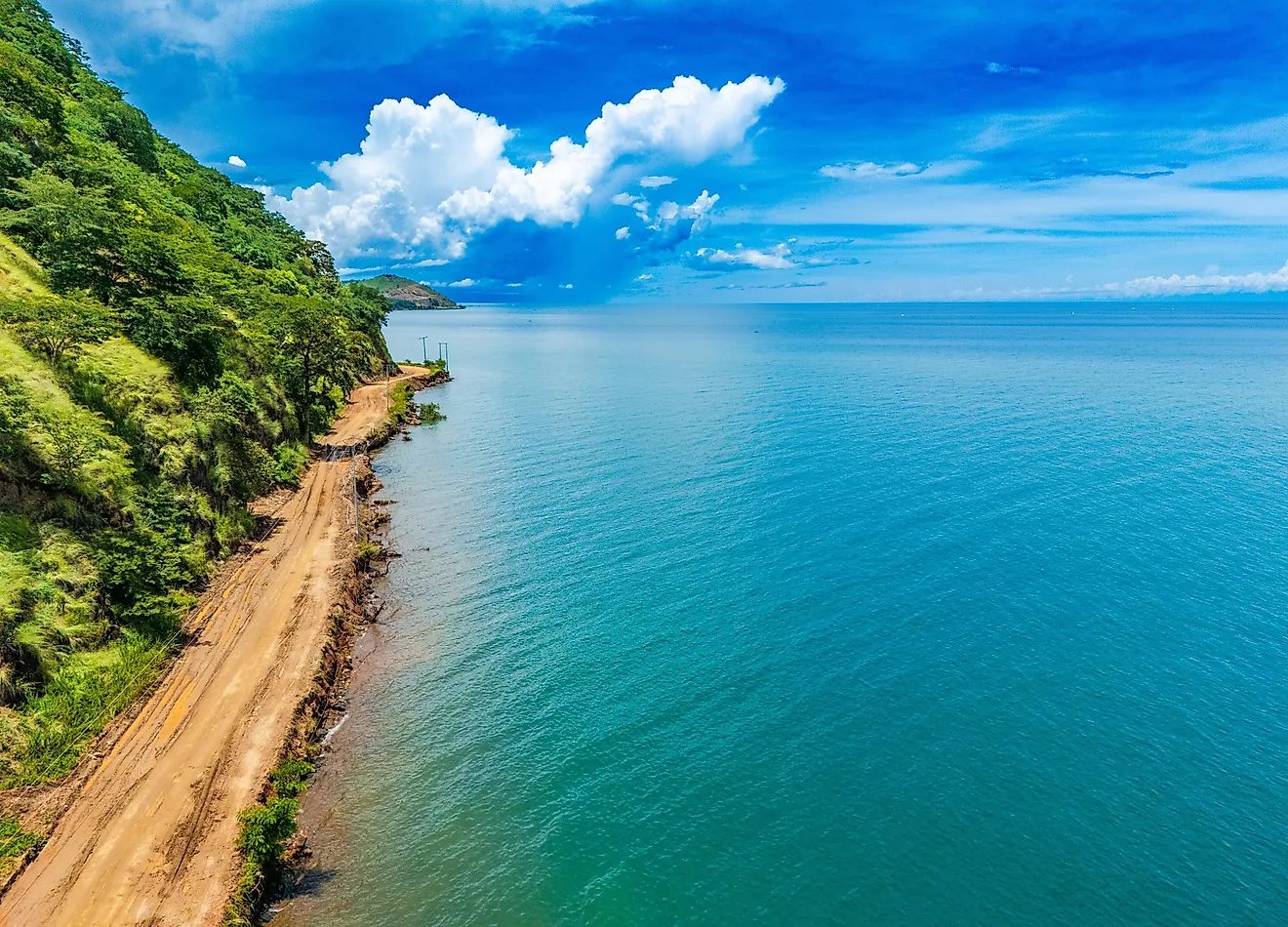
Quabbin Reservoir is the largest inland body of water in Massachusetts, covering well over 24,000 acres and with more than 181 mi (291 km) of shoreline that provides extensive habitat for snakes. The reservoir was created in the 1930s by flooding the Swift River Valley, leaving four former towns beneath its waters and creating one of New England's largest protected landscapes. Because much of Quabbin is protected watershed land with limited public access, its shoreline remains largely undeveloped, allowing reptile populations to thrive alongside beavers, river otters, bald eagles, and loons.

The most frequently encountered snake species include the usual common watersnakes, eastern gartersnakes, and northern ribbonsnakes, all of which hunt along the reservoir's coves, marshes, rocky banks, and shallow inlets.
Common watersnakes, which are particularly numerous across the northern United States, are thick-bodied, brown or gray snakes with dark crossbands that often hang out on exposed rock faces before slipping into the water when disturbed.
Great Meadows National Wildlife Refuge

Best known for its highly scenic landscapes along the Concord and Sudbury rivers, Great Meadows National Wildlife Refuge includes numerous ponds, marshes, oxbows, and slow-moving channels where snakes are regularly spotted. Common watersnakes are especially abundant, patrolling the edges of lily pads, cattails, and fallen logs in search of favorite foods like fish, frogs, and tadpoles. Eastern gartersnakes and northern ribbonsnakes are also quite common around the refuge's saturated meadows and drainage channels, where they likewise prey on amphibians and small aquatic animals.

Seasonal flooding in the refuge creates ideal conditions for these species by maintaining shallow wetlands rich in food and cover. If you're walking the boardwalks or paddling designated waterways, you'll probably see a snake or two basking on logs or swimming just below the surface during the summer months.
But beyond its reptile diversity, Great Meadows is one of Massachusetts' premier birdwatching destinations, attracting thousands of migrating waterfowl, wading birds, and raptors each year.
Assabet River

The Assabet River winds for 34 mi (55 km) through eastern Massachusetts between Boston and Worcester, passing a variety of wetlands, floodplain forests, and quiet backwaters that house several of the state's most prominent snake species. Yet again, common watersnakes are the species most often seen, swimming along wooded banks or sunning themselves on rocks, logs, and low branches over or near the water.

Like other spots on this list, eastern gartersnakes and northern ribbonsnakes also inhabit this river corridor, particularly around marshes and shallow side channels where frogs, salamanders, and small fish are plentiful. Some sections of the river within the Assabet River National Wildlife Refuge provide especially favorable habitat thanks to its relatively quiet pockets of wetlands, as well as its limited shoreline development. Canoeists and kayakers occasionally run into resident snakes crossing the river or resting along the edges on warm days.
The Assabet is notable for its remarkable levels of ecological recovery as well, with decades of conservation work significantly improving water quality and restoring habitat for fish, birds, turtles, and other native wildlife.
Housatonic River

Stretching 149 mi (240 km) from western Massachusetts into Connecticut, large swathes of the Housatonic River flow through a pleasant blend of forested valleys, floodplain wetlands, and broad impoundments that also create plentiful living space for several snake species. Anglers, paddlers, and hikers are most likely to see specimens during late spring and summer, particularly when individuals emerge to warm their blood under the sun after cool mornings.

This waterway is especially renowned for its scenic stretch through the Berkshires, where steep hills, covered bridges, and small villages line one of Massachusetts' most scenic riverways, one that attracts lots of sightseers throughout the year. In the Upper Housatonic Valley, however, protected floodplain forests and wetlands provide abundant shelter and prey, helping sustain healthy reptile populations of all kinds, including turtles, too.
Eastern milksnakes sometimes hunt near the river's banks and adjacent fields, while eastern gartersnakes occupy the marshes and grassy edges bordering lazier sections of the waterway. Furthermore, common watersnakes are commonplace around rock-strewn shorelines, submerged timber, and quiet coves, where they both feed and rest.
Watch Out for Snakes in These New England Bodies of Water
These somewhat snake-filled waters reveal a side of Massachusetts' ecosystems that often goes unnoticed. Reservoirs, rivers, marshes, and more combine in a network that provides crucial habitat for native reptiles and helps maintain balanced food webs across the board.
While sightings are usually brief here, the above-mentioned destinations highlight the importance of protecting the diverse aquatic landscapes where snakes, fish, amphibians, and birds continue to thrive in America's northeastern corner.