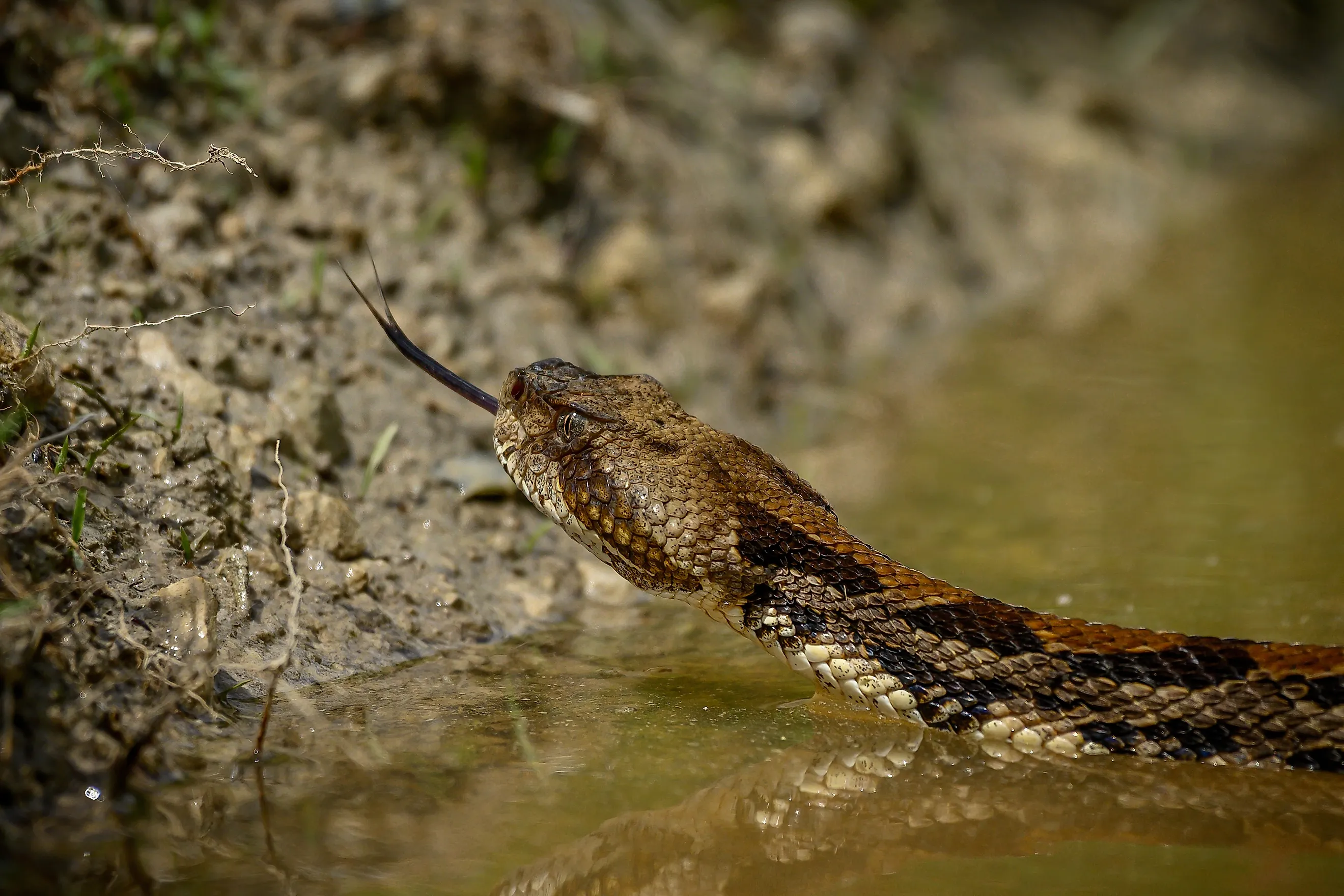
6 Snake-Filled Waters In New England
Southern New England supports a modest but well-established snake fauna. Massachusetts and Connecticut each have 14 native snakes. Rhode Island has 13, while Vermont and New Hampshire each have 11. Maine has 9 living inland species, since timber rattlesnakes are extirpated there. Within that regional picture, certain waters stand out because their shorelines and wetlands create stronger snake habitat than surrounding areas. Quabbin Reservoir is one example, with protected shoreline and nearby uplands that support northern watersnakes, eastern garter snakes, and timber rattlesnakes. Narrow River is another, combining salt marshes and stream banks used by northern watersnakes, eastern ribbonsnakes, and eastern garter snakes.
Quabbin Reservoir, Massachusetts
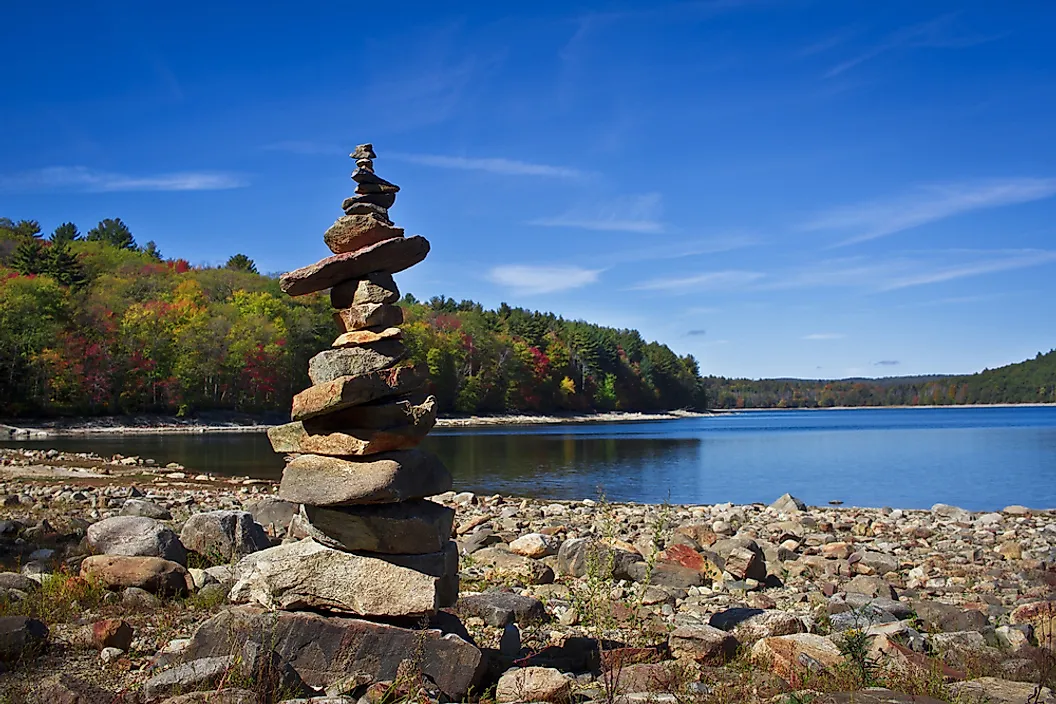
Few waters in New England have as much protected shoreline as Quabbin Reservoir, and that helps explain its snake reputation. Along rocky edges, marshy pockets, and calm coves, northern watersnakes find excellent places to bask and hunt. Eastern garter snakes also turn up around damp grass, brushy stream corridors, and weedy margins feeding into the reservoir.
Quabbin has another layer to its snake story: the timber rattlesnake. It is tied most strongly to Mount Zion Island and the surrounding rugged uplands rather than the water itself. Even so, the remote reservoir landscape helps support that rare and secretive species.
Lake Champlain, Vermont

In Vermont, Lake Champlain offers some of the best snake habitat in the region. Its marshes, rocky stretches, and vegetated shallows are especially favorable for the common watersnake, which is strongly linked to the Lake Champlain Basin. Quiet inlets and weedy edges give it room to forage and stay close to prey.
The basin supports more than one snake, which adds to its reputation. Common garter snakes use moist grassy cover near the shore, while DeKay’s brownsnakes are often found in overgrown meadows and rocky lowland woods nearby. That mix gives the Champlain area an unusually high concentration of snake-friendly terrain.
Lake Lillinonah, Connecticut

Lake Lillinonah earns its place on this list through its setting alone. This long Connecticut reservoir is lined with backwaters, wooded banks, and tributary mouths that suit semi-aquatic reptiles very well. The northern watersnake is the main species people associate with the lake, and it is commonly found around freshwater shorelines, ponds, rivers, and marshes.
The common ribbonsnake adds to that pattern. It prefers shallow water and often stays around grassy pond borders, shrubby stream edges, and wooded swamps. With so many sheltered corners and shoreline transitions, Lake Lillinonah gives multiple snake species room to thrive.
Narrow River, Rhode Island

What makes Narrow River such a notable snake spot is the variety packed into one watershed. Salt marshes blend into freshwater wetlands, brushy banks, and pond margins that support several species in the same landscape. The northern watersnake is the standout here and is the species most closely tied to aquatic and semi-aquatic habitat in both fresh and salty environments.
The river corridor also supports eastern ribbonsnakes and eastern garter snakes. Both are regularly associated with marsh edges, wet grassy areas, and streamside cover near water. Instead of one isolated habitat, Narrow River offers a connected system that helps explain its strong reputation for snake activity.
Messalonskee Lake, Maine

Messalonskee Lake stands out because it is more than just open water. Its shoreline includes marshy sections, tributary mouths, and vegetated banks that give snakes cover, sunning spots, and easy access to prey. The common watersnake fits this setting best and often stays close to lake edges, wet ground, rocks, and freshwater vegetation.
The broader Messalonskee area near Waterville also supports eastern garter snakes, which deepens the lake’s snake-heavy reputation. Garter snakes use damp meadows, bogs, streamsides, and brushy lakeside cover rather than sticking strictly to the water’s edge. Taken together, the lake and its connected wetlands form one of the better snake habitats in central Maine.
These waters stand out not because New England is overloaded with snake species, but because each one combines the shoreline cover, wetland edges, and shallow habitat snakes use most. From Quabbin’s protected coves to Narrow River’s mixed marshes, the pattern is clear: where water, cover, and prey come together, snakes follow. That makes these places regional hotspots.