8 Most Rattlesnake Infested Areas in Massachusetts
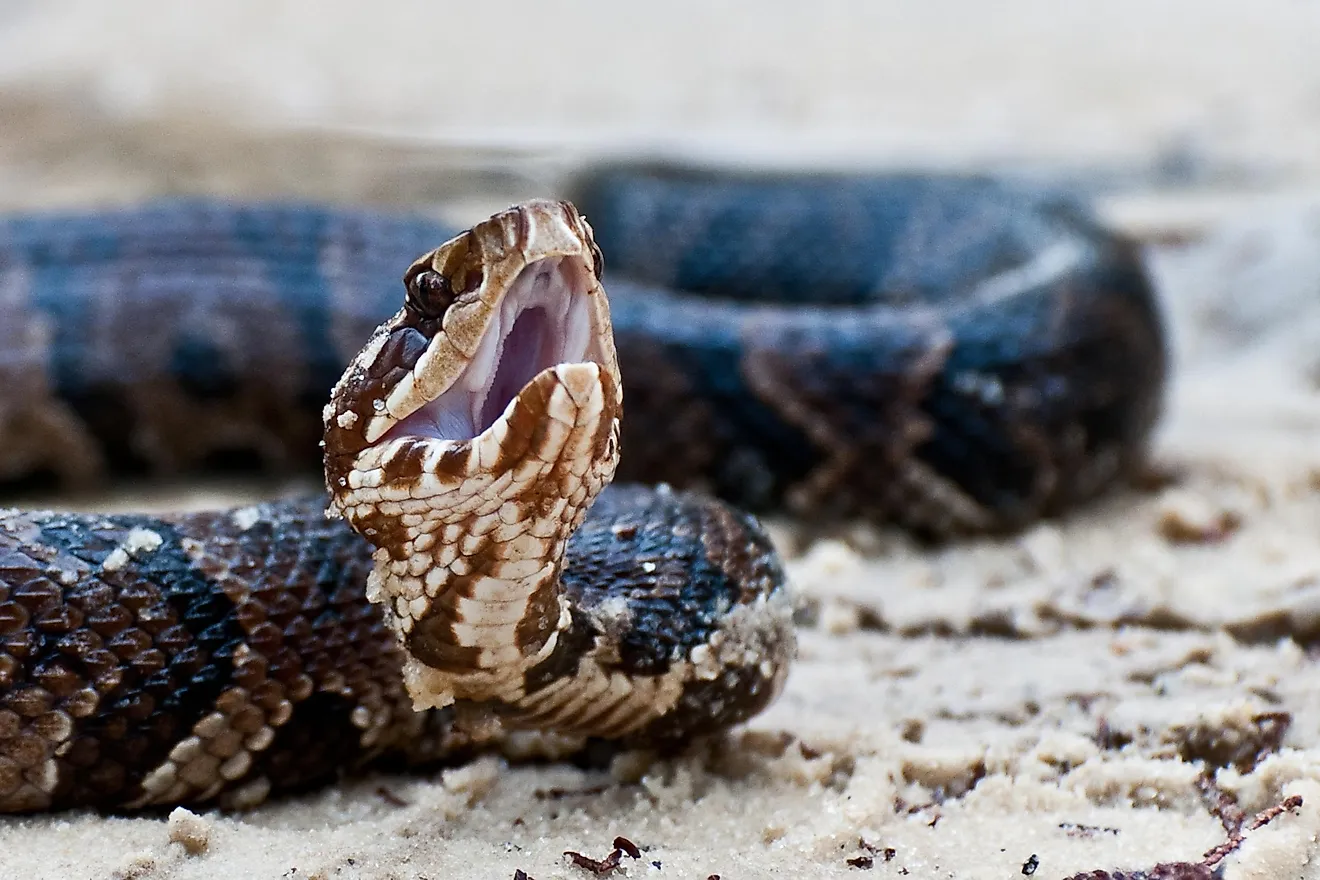
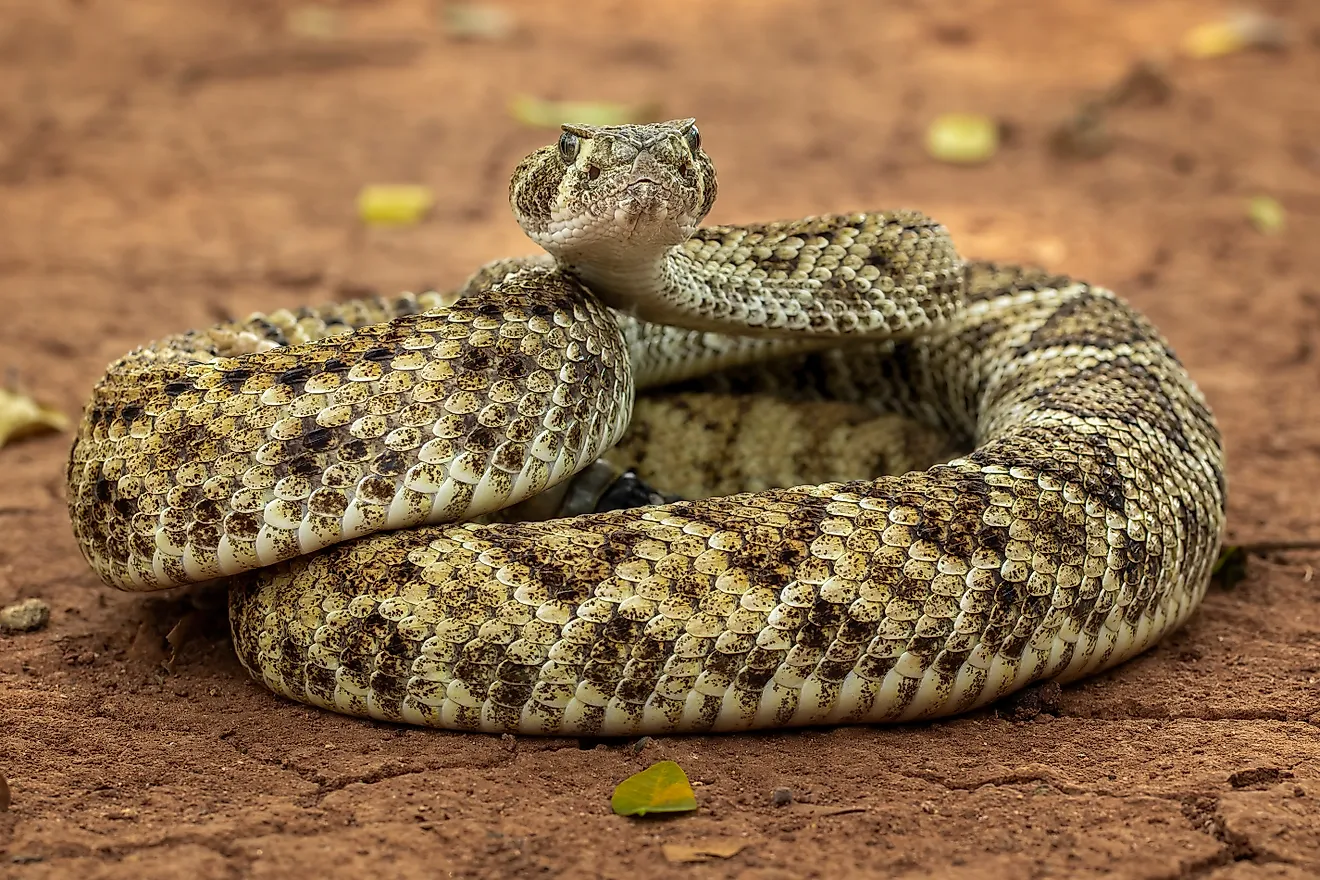
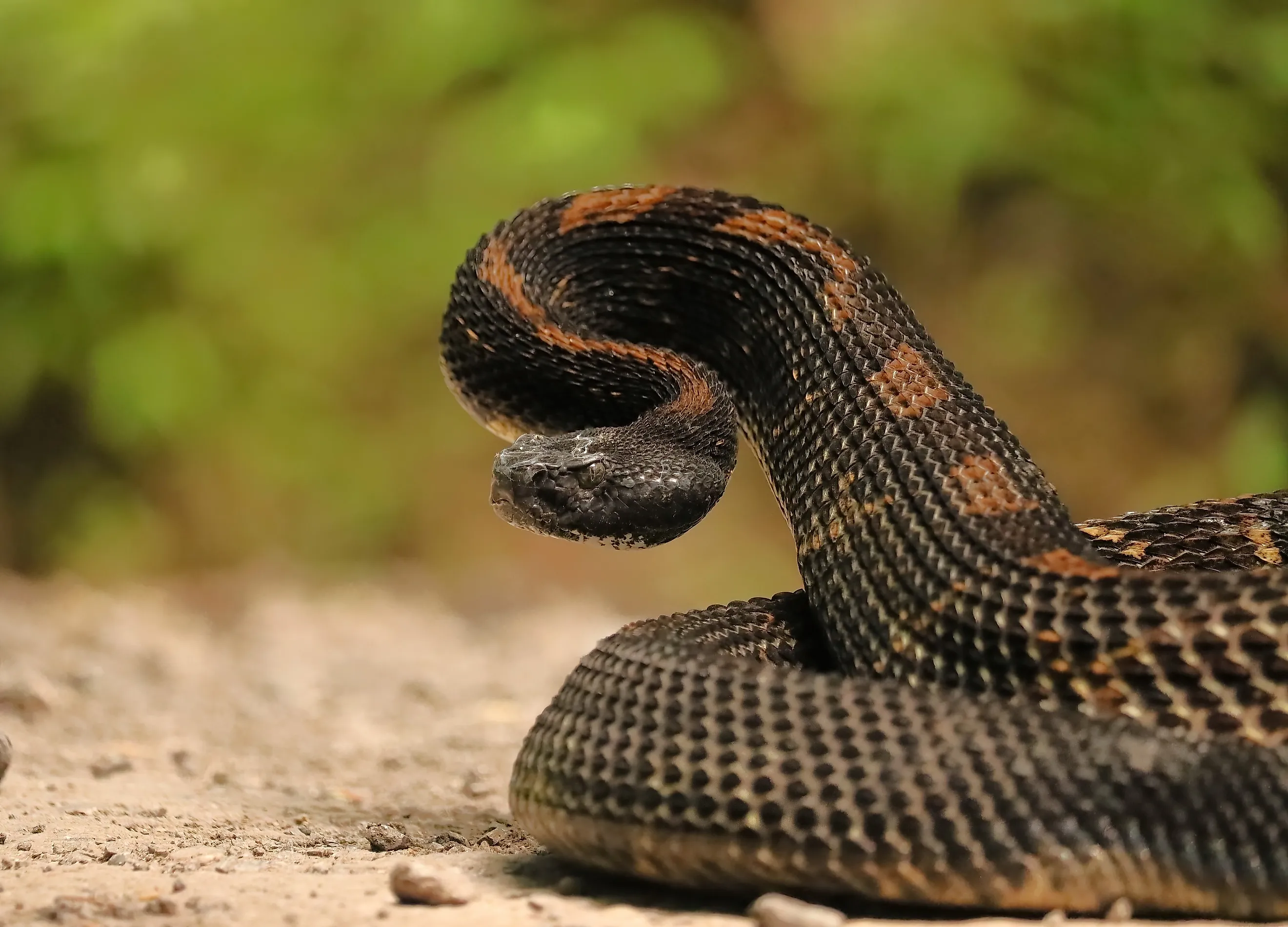
Venomous snakes were once more common in Massachusetts, but habitat loss and development sharply reduced their numbers. Today, only two species remain, the copperhead and the timber rattlesnake, and both are endangered in the state. Even so, established rattlesnake habitats remain in parts of western and central Massachusetts, particularly in the Berkshires, the Holyoke Range, and along sections of the Connecticut River Valley. Timber rattlesnakes typically grow from 36 to 60 inches long and have a variable back pattern that may be yellowish, banded, or black. Like all rattlesnakes, they use the distinctive rattle at the end of their tail as a warning when threatened. Their venom is both hemotoxic and hemorrhagic and can cause serious medical complications, though bites in Massachusetts are rare because the species is shy and limited in number. Awareness still matters, especially in the following eight areas where suitable habitat and past sightings have been documented.
Mount Sugarloaf State Reservation

On the western side of the Connecticut River is the Mount Sugarloaf State Reservation. There are two mountain peaks within the park: North Sugarloaf and South Sugarloaf. Visitors can ascend an observation tower on South Sugarloaf to look out onto the Massachusetts countryside or down to the river. On the riverfront side of the reservation, two islands are accessible by canoe or kayak.

Hikers and bikers alike frequent this reservation, which is a part of the larger Connecticut River Greenway State Park. The mountainous forests are ideal for timber rattlesnakes, which hide out in rocky terrain. They especially seek out southern-facing slopes during the spring or fall so they can bask in the sunlight. Hikers have reported seeing dens of timber rattlesnakes out on some of the steep trails in Sugarloaf.
Mount Everett State Reservation

The Mount Everett State Reservation sits on the Southwestern corner of Massachusetts, bordering New York and Connecticut. From its 2,624-foot summit, you can view Connecticut, New York, and Massachusetts. Throughout the mountain, trails wind up to Mount Everett's summit, through old-growth forest, and to several beautiful waterfalls. One of the best ones is the Race Brook Falls Trail, with a three-tiered waterfall at the end of a strenuous 3.9-mile hike.
The reservation connects to several other trails and parks, including the Appalachian Trail, a nearly 2,200-mile trail that runs from Georgia to Maine. Hikers on the Appalachian Trail's section in Mount Everett have reported seeing timber rattlesnakes hiding in the underbrush. These snakes are ambush predators who find a hiding spot, whether that be a pit, leaves, or some other debris, where they can lash out and strike prey with their venomous fangs. Timber rattlesnakes usually retreat when approached, unlike the copperhead, which often freezes in place and is therefore more likely to be stepped on.
Bear Hole Reservoir

This reservoir was constructed in 1908 to provide water to West Springfield. It also acts as a recreational outdoor space for the town, with the Bear Hole Reservoir Road Loop trail circling around the reservoir for 2.6 miles. The property was permanently protected in 2021 through a conservation restriction purchased by Mass Audubon and the Massachusetts Department of Conservation and Recreation.
The trail itself has a few steep, rocky sections, as well as snake dens where timber rattlesnakes have been reported. When they first come out of their dens in April, they tend to bask right near the entrance before venturing out further to find mates or food.
Mount Washington State Forest

Mount Everett connects up to several other Appalachian Mountain parks, including Mount Washington State Forest. This forest is right at the border of Massachusetts, Connecticut, and New York and features a tri-state boundary stone on the Mount Frissell Trail. Curiously, the monument's Connecticut side is blank.

Much like Mount Everett, hikers can ascend via various trails, with the most popular being the South Taconic Trail to the 2,250-foot Alander Mountain. There are more than 30 miles of trails throughout the forest, and cross-country skiing trails during the winter.
There have been multiple reports and photos taken of timber rattlesnakes in Mount Washington State Forest. Bites from these snakes are rare, but they are possible, especially if you step on them or try to grab them. If you are bitten, common symptoms include numbness, lightheadedness, nausea, sweating, and difficulty breathing. These bites can become life-threatening without prompt medical treatment, especially if you have an allergic reaction to the venom.
Connecticut River Valley

The Connecticut River Valley runs from New Hampshire down to Long Island Sound. The river itself is the longest in New England at about 410 miles from North to South. The river provides 70% of the fresh water to Long Island Sound, and it feeds the fertile soil of the valley.
The river and its valley support a rich ecosystem of seals, crawfish, mussels, rainbow trout, salmon, bass, and even dolphins near Long Island Sound, conditions that also create suitable habitat along the surrounding highlands. In Massachusetts, particularly in the Holyoke Range, the valley is a hotspot for rattlesnakes.
Rattlesnake Knob lies along the Metacomet-Monadnock Trail. Sightings there are limited, but the rocky slopes and forested terrain offer the kind of dry, elevated habitat timber rattlesnakes prefer, with vegetation for cover and underground dens for winter hibernation.
Mount Tom State Reservation

Mount Tom State Reservation is another Connecticut River Valley park in western Massachusetts. It has 22 miles of hiking trails, alongside ice skating and snowshoeing in the winter months. There's a section of the Metacomet-Monadnock Trail through the state park. This 114-mile trail extends across several mountain summits, woodlands, waterfalls, cliff faces, and other scenic overlooks.
In addition to hiking, bird watching is a popular activity here, as many birds of prey circle the summit. However, while birding, you should keep an eye out for timber rattlesnakes. In fact, the rocky terrain is so well-suited to rattlesnakes that some have proposed a breeding program to help the dwindling timber rattlesnake population in the state. That said, proposals to revitalize the population have sparked debate, largely due to concerns about their venom. In reality, there are only 7,000 to 8,000 venomous snake bites per year in the U.S., and the largest portion of those bites come from copperheads, not timber rattlesnakes.
Blue Hills Reservation

For Boston residents looking to escape the city, Blue Hills Reservation is the place to go. This 7,000-acre forest is only a few minutes' drive away from downtown Boston, but you wouldn't know it when you're in the quiet hills. There are 22 hills within the reservation, the largest being the Great Blue Hill, which soars to 635 feet.
The reservation has hiking trails and wider former carriage roads that are perfect for cycling. There are different activities here depending on the season, with Houghton's Pond Recreation Area open for swimming in the summer and Blue Hills Ski Area open for hitting the slopes in the winter.

When city dwellers come to this park, they don't expect to encounter rattlesnakes, but some have reported seeing large timber rattlesnakes up to 5 feet long. Because the species is endangered, some observers have speculated about isolated origins, though timber rattlesnakes are historically native to parts of eastern Massachusetts.
Timber rattlesnakes are active both day and night and can climb trees or swim. Most of the time, they remain coiled and still while waiting for prey. They sometimes share dens with other, nonvenomous snake species.
Lynn Woods Reservation

The Lynn Woods Reservation has 2,200 acres of forested trails just outside of the city of Lynn. It's one of the largest municipal parks in the United States and holds a place of great honor among Lynn's residents. After all, it has three reservoirs that offer clean drinking water to the city, and residents can escape to the more than 30 miles of trails that pass by interesting locations, including a place where a pirate and a ghost hunter hid: Dungeon Rock.
In the 1600s, a pirate named Thomas Veale allegedly hid some treasure in the cave. Later on, a man named Hiram Marble purchased the cave in an attempt to find the treasure by speaking with Thomas' ghost. Hiram never found the treasure, but visitors love to walk through its old steps to see if they can find any ghosts of their own.
Visitors should be careful not to venture too far off into the woods in search of treasure, as timber rattlesnakes are known to frequent the slopes of the reservation just off the trails. Timber rattlesnakes are especially active during mating season from the spring to the late summer months. Pregnant snakes will often move out into the open to bask in the sunlight, making them more visible to humans.
Where Rattlesnakes Still Persist in Massachusetts

Even though the timber rattlesnake is endangered in Massachusetts, that doesn't mean it's impossible to run into one. Outdoorsy folks discover these snakes on the mountain trails of Mount Tom, Mount Washington, and Mount Everett often enough to warrant coverage in the local news and on social media groups.
One key fact to remember is that these snakes are considered protected. It is illegal to harm or harass them, even if you feel threatened by one. If you run into a snake while out hiking or exploring in these rattlesnake-infested areas, the best course of action is to leave it alone. Encounters are uncommon, but awareness and distance remain the safest approach.