How Did Alexander The Great Become King?
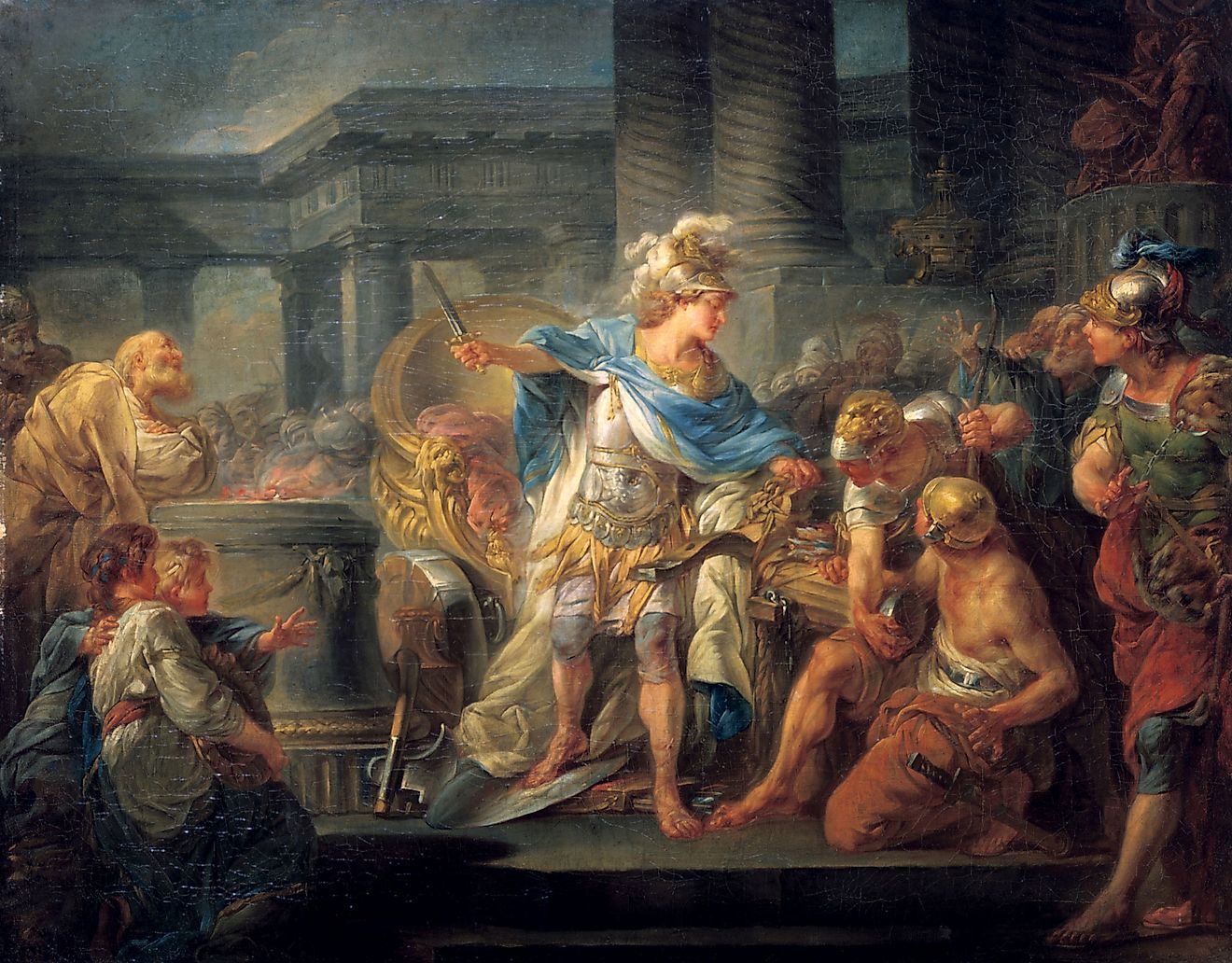
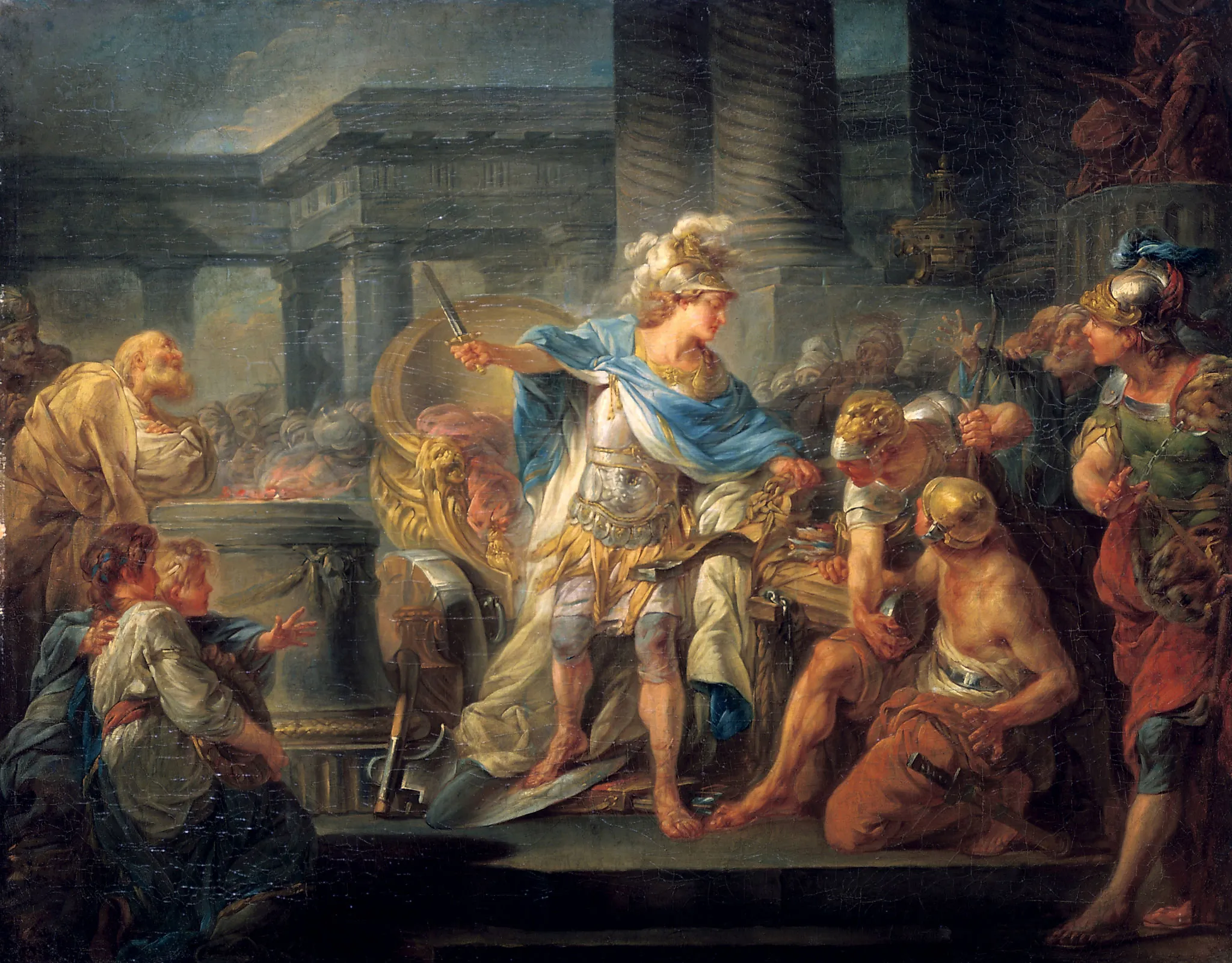
As one of the most well-known leaders in world history, essentially every aspect of Alexander the Great's life has been extensively written about and analysed. This includes his accession to the throne of Macedonia. Nonetheless, understanding how Alexander became king provides crucial context. Indeed, it helps one comprehend the political and social environment of Macedonia at the time. Furthermore, the methods by which Alexander secured power demonstrated his cunning, speed, and intelligence, skills that proved crucial in his later military conquests.
The Reign of Phillip II

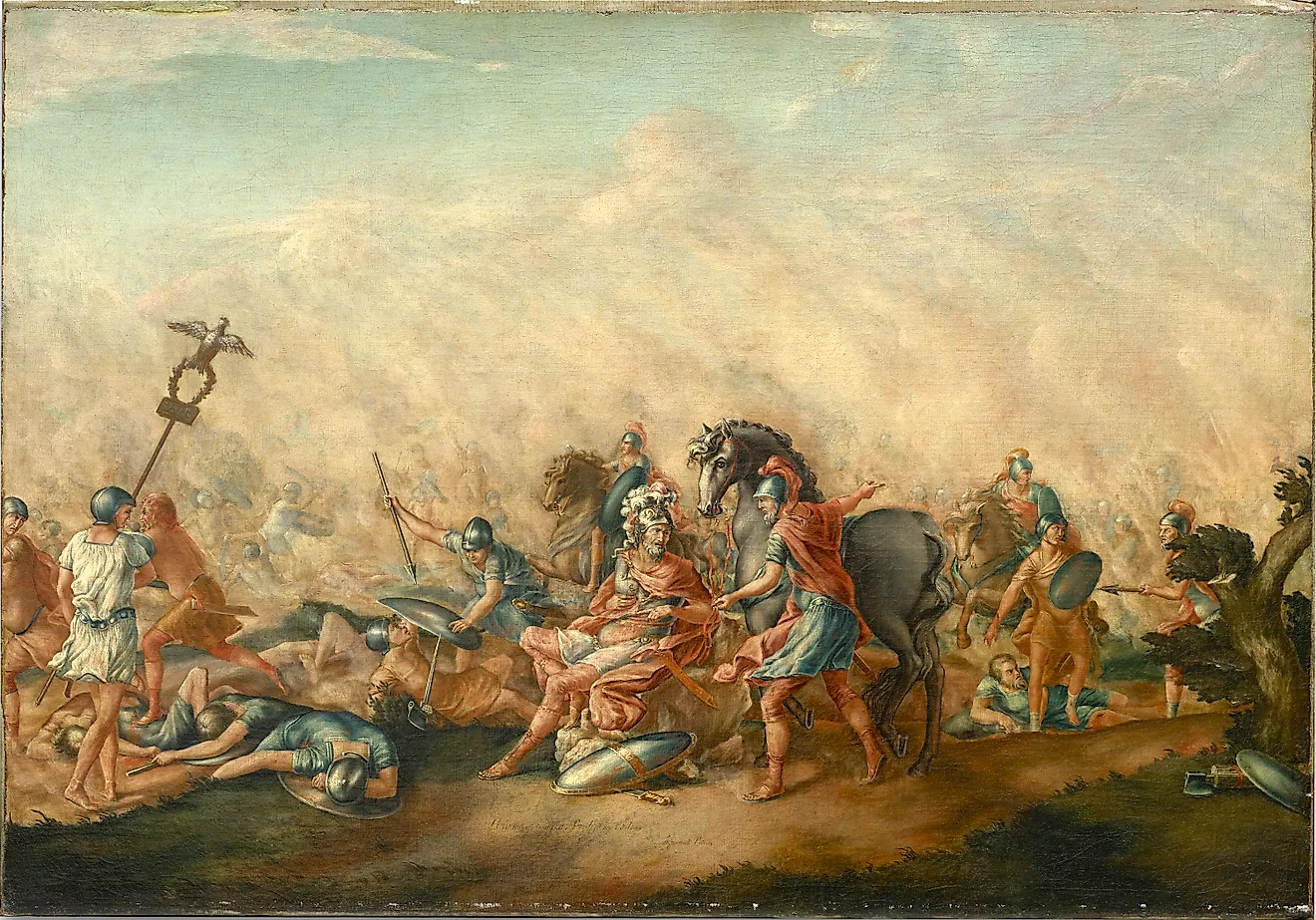
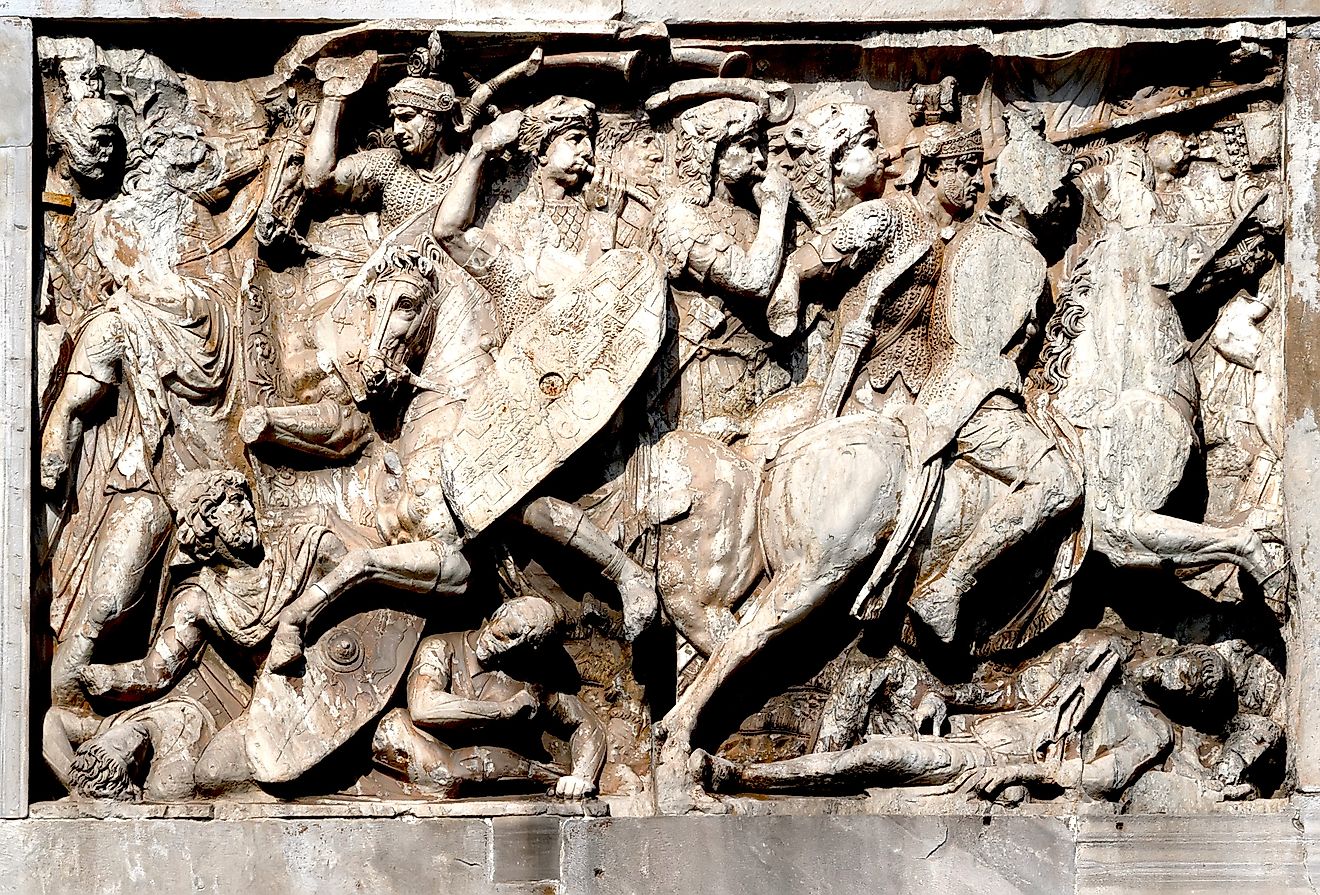
While Alexander made the Macedonian Empire a worldwide power, the groundwork for this success was established under his father, Phillip II. He oversaw massive military reforms, including the creation of a professional standing army and the adoption of new tactics. This made the Macedonian Army far better than other contemporary Greek forces, allowing it to consistently win battles and accumulate territory. This military might eventually led to Philip creating the League of Corinth in 337 BCE, which formally established Macedonia as the dominant power in Greece.
Phillip II also utilised diplomacy to expand Macedonia's influence. His main diplomatic strategy was marriage, with Phillip taking seven wives to secure alliances with rival powers. His most well-known wife was Olympias of Epirus, a Molossian princess (the Molossians were an ancient Greek tribe that lived in northwestern Greece and southwestern Albania). She gave birth to a son named Alexander. While not Phillip's firstborn son, his older half-brother, Arrhidaeus, had significant intellectual disabilities. Therefore, Alexander was generally considered the main candidate to inherit the Macedonian throne.
Questions of Legitimacy
There were, however, questions about Alexander's legitimacy. For instance, in 337 BCE, Phillip married a Macedonian noblewoman named Cleopatra Eurydice. This was significant since if they had a son, he would have been a full Macedonian and potentially a more appropriate successor than the half-Macedonian Alexander. Tensions further escalated at Phillip and Cleopatra's wedding banquet when Cleopatra's uncle, Attalus, allegedly made a toast hoping for a "legitimate" heir to the throne. This angered Alexander, who went to attack Attalus. A possibly drunk Phillip attempted to intervene, only to stumble and fall. Alexander then mocked Phillip, saying that if he could not cross the room, he should not try to cross into Asia (Phillip was planning an invasion of Persia at the time). After this incident, both Olympias and Alexander left Macedonia, fearing for their lives. Alexander's position as heir to the throne was now in doubt.
The Death of Phillip II

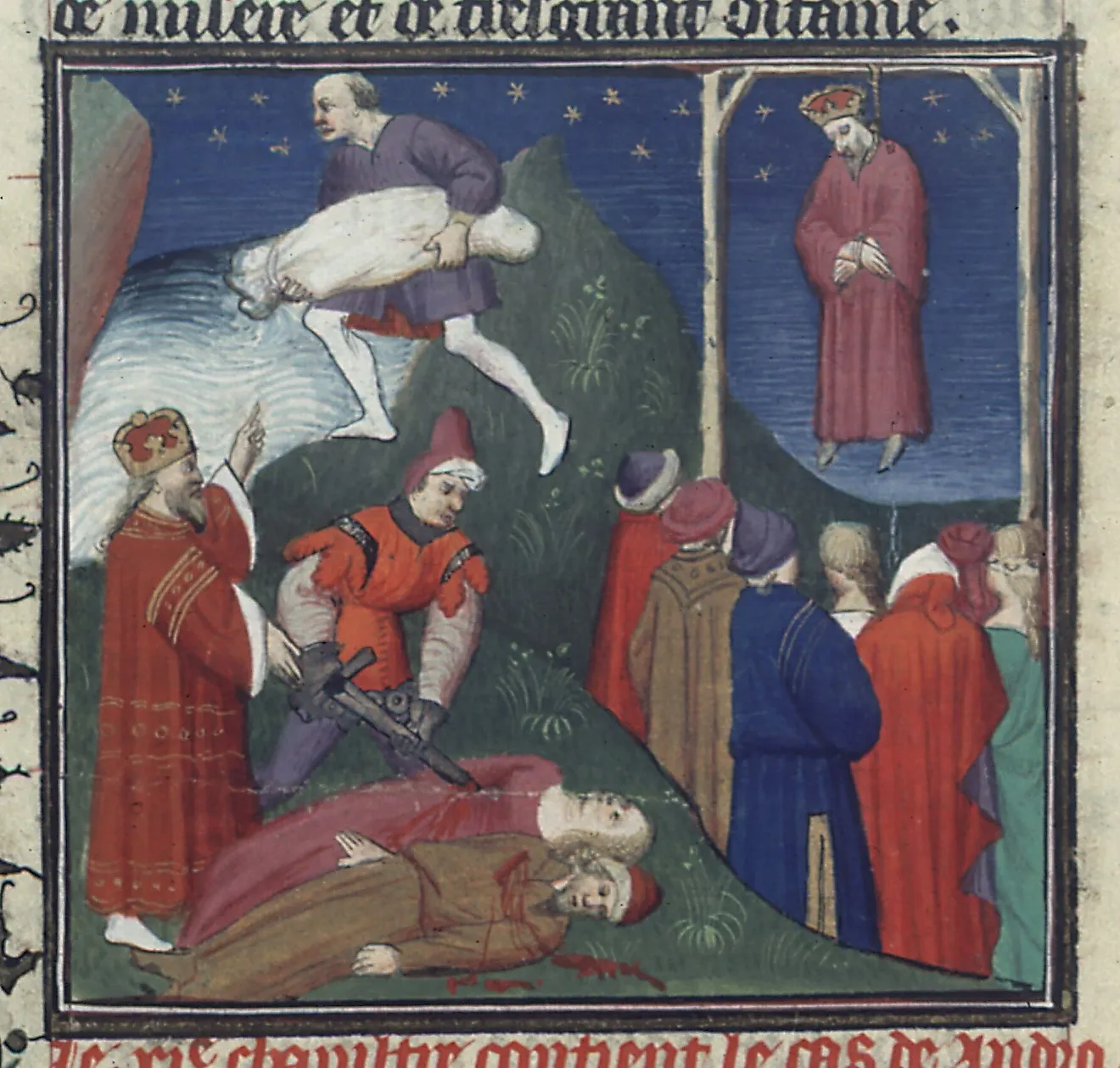
The Macedonian royalty was thrown into further chaos when Phillip II was assassinated in 336 BCE on the eve of his planned invasion of Persia. Occurring at a major celebration in the city of Aegae, Phillip was rushed and stabbed to death by one of his bodyguards, Pausanias of Orestis. Pausanias attempted to escape but was chased down and killed by the other guards.
The most widely accepted motive for this assassination is personal grievance. Paunsanias was allegedly Phillip's former lover and was angered when the king turned his attention to younger men. Attalus also reportedly invited Paunsanias over for dinner, during which he got the bodyguard drunk and had his servants sexually assault him. Phillip did not punish Attalus for this assault. Historians thus argue that all these factors led Pausanias to assassinate Phillip.
Another theory is that Olympias and Alexander were responsible. While most historians agree that Alexander likely knew nothing about the assassination, Olympias' involvement is supported by circumstantial evidence. She felt sidelined after Phillip married Cleopatra. Moreover, as a strong supporter of her son, Olympias shared Alexander's concerns that he was about to be discarded in favour of a pure Macedonian. Finally, after Phillip was killed, Olympias took advantage of the situation by allegedly having Cleopatra and her baby son killed. This eliminated Alexander's most immediate rival.
Securing Control

Even though he was only twenty years old, Alexander was already a seasoned commander who had proven himself an effective military leader. Therefore, the army immediately proclaimed him king upon Phillip's death. With the might of the Macedonian military behind him, Alexander began eliminating rivals. Cleopatra and her son were already dealt with; however, her uncle, Attalus, was still a problem. Before his death, Phillip had made him commander of the advance force that would lead the invasion of Persia. This meant that Attalus controlled the only part of the Macedonian Army that could still challenge Alexander. Hence, Alexander executed Attalus in 336 BCE.
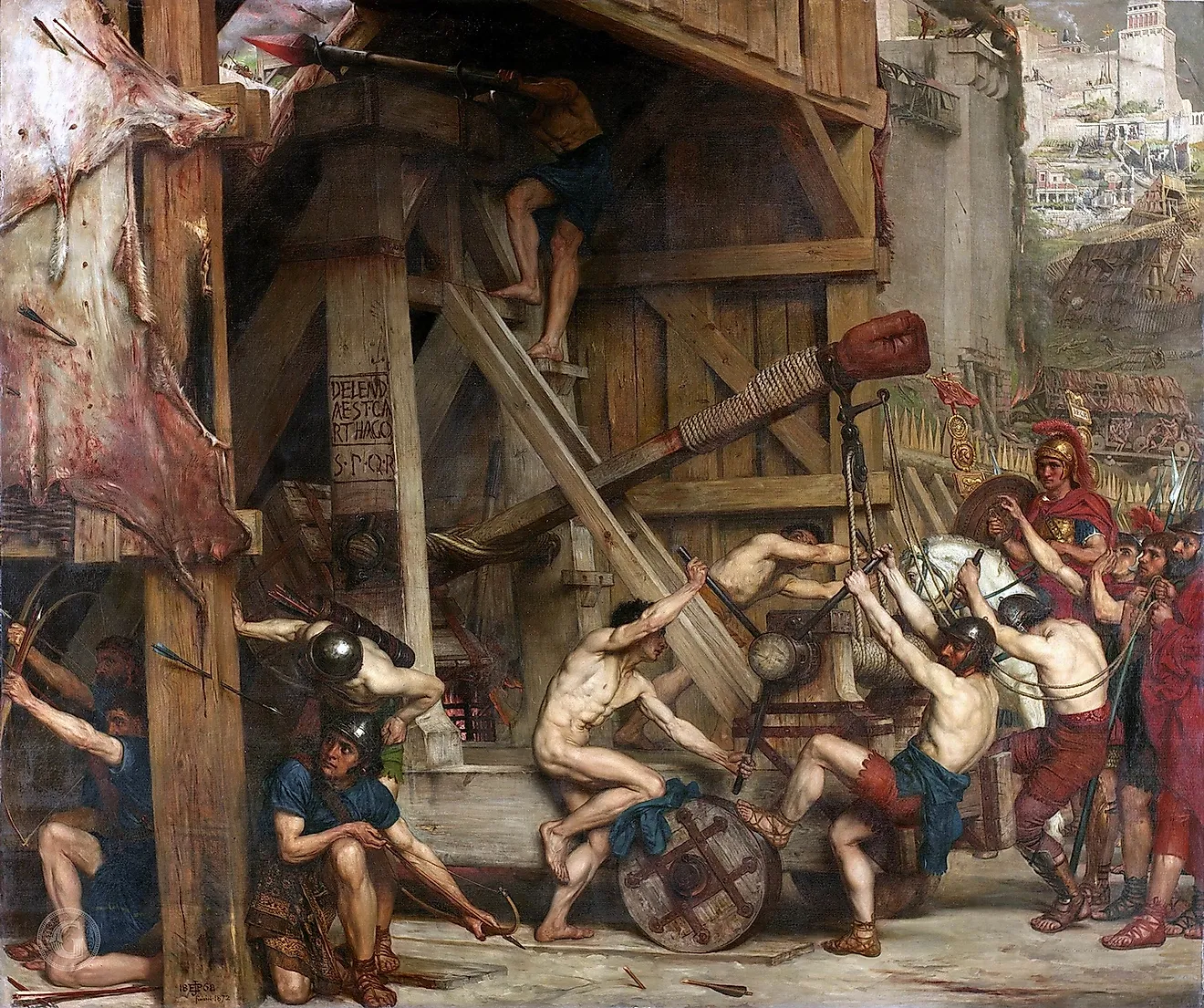
Alexander also faced challenges outside of Macedonia. To prevent the Balkan tribes from taking advantage of domestic upheaval, Alexander campaigned in the north and crushed the Thracians and Illyrians. There were also problems in Greece, since several city-states rebelled once Phillip died. Alexander and his army, therefore, marched south. Almost all the city-states submitted, except for Thebes. Thus, in 335 BCE, Alexander destroyed the city, killing and enslaving thousands in the process. This act of brutality shocked the Greek world and discouraged rebellion, affirming Alexander's position as hegemon of the region.
Impact and Legacy
Understanding Alexander the Great's accession is crucial to comprehending his broader rule. As the half-Macedonian son of Phillip II, his legitimacy as heir was constantly in question. Nonetheless, by quickly seizing control after his father was assassinated, Alexander established himself as the undisputed leader of Macedonia. With the same speed and ferocity, he crushed threats to the north and south, thereby maintaining Macedonia's position as the dominant power in Greece. Now that his and Macedonia's position was secure, Alexander turned his attention to Persia. As would soon be seen, his invasion of Asia utilised similarly aggressive techniques to the ones that helped him become king in the first place.