How the Romans Heated Entire Cities from Underground
As early as the 1st and 2nd centuries AD, the Romans used hypocaust systems to circulate heat beneath floors and inside walls, effectively creating some of the first climate-controlled buildings in history. If you somehow found yourself in the middle of a brutal British winter in the year 200 AD, you would have found surprising warmth if you entered a Roman building. Indoors, you would have found it balmy enough to take off your shoes and walk on the marble floor that felt like the summer sun had been shining on it.
In Roman times, this was not a magic trick. It was standard Roman engineering. While many other ancient societies were huddling around open fire pits trying to ward off the worst of the cold, the Romans were constructing climate-controlled buildings. And, their engineering feats did not stop at personal homes. They heated entire city blocks and government palaces from the ground up. Keep reading to discover how the Romans used the hypocaust to heat the Roman Empire and how it changed the way humans lived in ancient times.
The Building Blocks of the Hypocaust

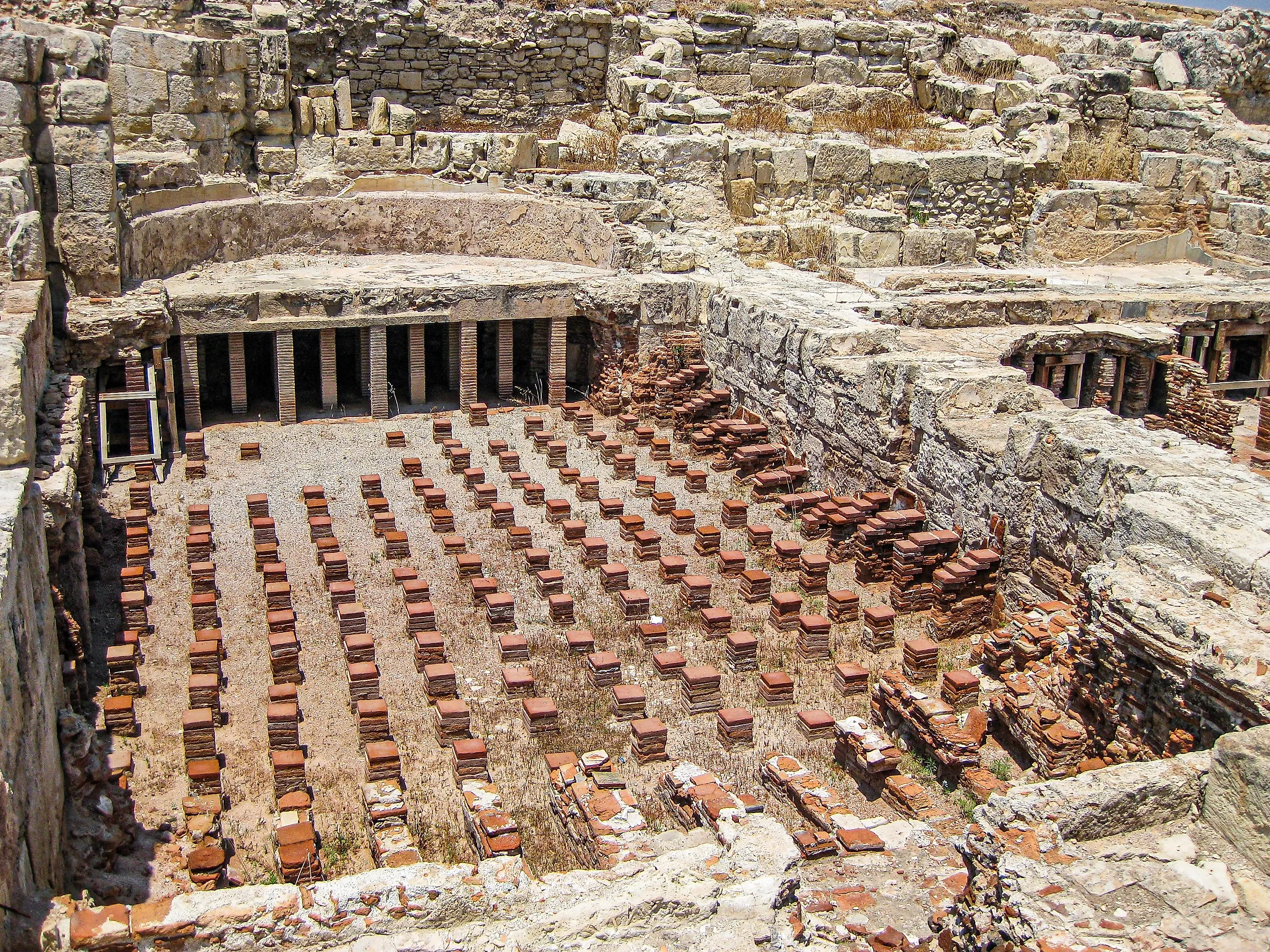
A hypocaust is a type of indoor heating system and was one of the first heating systems installed in Britain. Roman hypocaust systems revolved around hot air circulating beneath the floors and through the walls of various buildings. The name literally translates to ‘heat from below’ in Greek.
| Component | Function | Material |
|---|---|---|
| Praefurnium | The furnace where fuel was burned. | Brick and stone. |
| Pilae | Support pillars for the raised floor. | Ceramic tiles (Bessales). |
| Tubuli | Hollow box tiles in the walls for vertical heat. | Terracotta. |
| Suspensura | The upper, walking surface of the floor. | Concrete, mortar, and marble. |
The Suspensura

To allow for this process, floors had to be raised on pilae or trenches cut below the floors. The mosaic that covered hypocaust systems was typically made of cut stone or tile. These small cubes were added to a layer of mortar and spread evenly over a concrete floor. The finished floor created a suspensura, which was essentially a suspended floor with a hollow space underneath. This hollow space would become the heating ‘engine room’ of the building above.
The suspensura could support the weight of heavy marble slabs and daily foot traffic, even though it was hollow enough to allow the free flow of hot gases. The layers of concrete and mosaic or marble also had to be the correct thickness. Too thick, and the thermal mass would not warm up. Too thin, and the floor would crack under the heat or become too hot to touch.
The Praefurnium

A furnace, or praefurnium, was the fuel behind the hypocaust system. Furnaces were typically located outside buildings or on the basement level. They were large arched openings that could receive wood and charcoal to stoke a blaze. The furnace was usually placed to take advantage of airflow and draft. The natural breeze would push the hot air and smoke into the flues beneath the floor, creating a convection process. As the hot air from the furnace rushed into the cold void beneath the floor, it sought an exit, pulling the heat across the entire surface of the room above.
The Tubuli System
Speaking of flues, if the hypocaust only heated the floors, the Romans would still have felt the chill emanating from the stone walls. To prevent this, Roman engineers developed tubuli, which were hollow box tiles. These were ceramic ‘chimneys’ built into the thickness of the walls. So, as the hot air circulated under the floor, it was also drawn up into the wall flues. This ensured:
- Vertical Radiation. The air being drawn up created 360-degree heat. Since the heat did not just rise from the floor, but radiated from the walls, it created a sort of cocoon of warmth that could shelter people during the coldest winters.
- Exhaust. The tubuli system also acted as a ventilation system. By pulling the smoke and carbon monoxide up through the walls and out through the roof vents, it kept the air inside the buildings clean and breathable.
The vertical draw was critical because the hypocaust would have turned into a silent killer otherwise. Instead of being filled with heat, buildings would have been filled with smoke, which could have been deadly.
Hypocausts in Public Baths

Before the technology extended to private homes and public buildings, hypocausts were mainly used to heat public bathhouses (thermae). These public baths were very popular and relied on gradient heat. This meant that bathers moved through a sequence of rooms:
- The Caldarium - Hot room located directly over the furnace.
- The Tepidarium - Warm room heated gently by a distant hypocaust
- The Frigidarium - Cold room with no heating (also the grandest room)
In the caldarium, it became so hot that bathers had to wear sandals with wooden soles to prevent their feet from blistering as they stepped on the marble. Condensation dripped from the walls, creating a steam room effect. These hot rooms were considered the height of luxury and hygiene in Roman times. Patrons would enter the warm tepidarium first, then the hot caldarium, and finally a cold plunge in the frigidarium.
The Cost of Heating Luxury

Keeping city blocks and bathhouses warm came at a staggering cost. For instance, it is estimated that a large bath complex like the Baths of Caracalla consumed roughly ten tons of wood every day. This created a giant industry of wood cutters and transporters. But it also meant that slaves were forced to work the furnaces to keep the elite warm and cozy. Known as the fornacatores, these slaves spent every day being cramped into hot, underground tunnels, covered in soot, while continuously shoveling wood into the praefurnium.
Urban Planning for the Heated City
When speaking of heating entire cities, we refer to the Roman approach to urban planning. Like New York and other large cities do today, the Romans thought of the bigger picture when it came to sending heat to blocks and whole cities. In Londinium and Trier, engineers did not consider one house at a time. Instead, they designed government blocks and luxury homes as a single thermal unit. They grouped buildings together so they could share fuel depots and maintenance crews. This was essentially the world’s first ‘smart neighborhood.’
Heating the Barracks

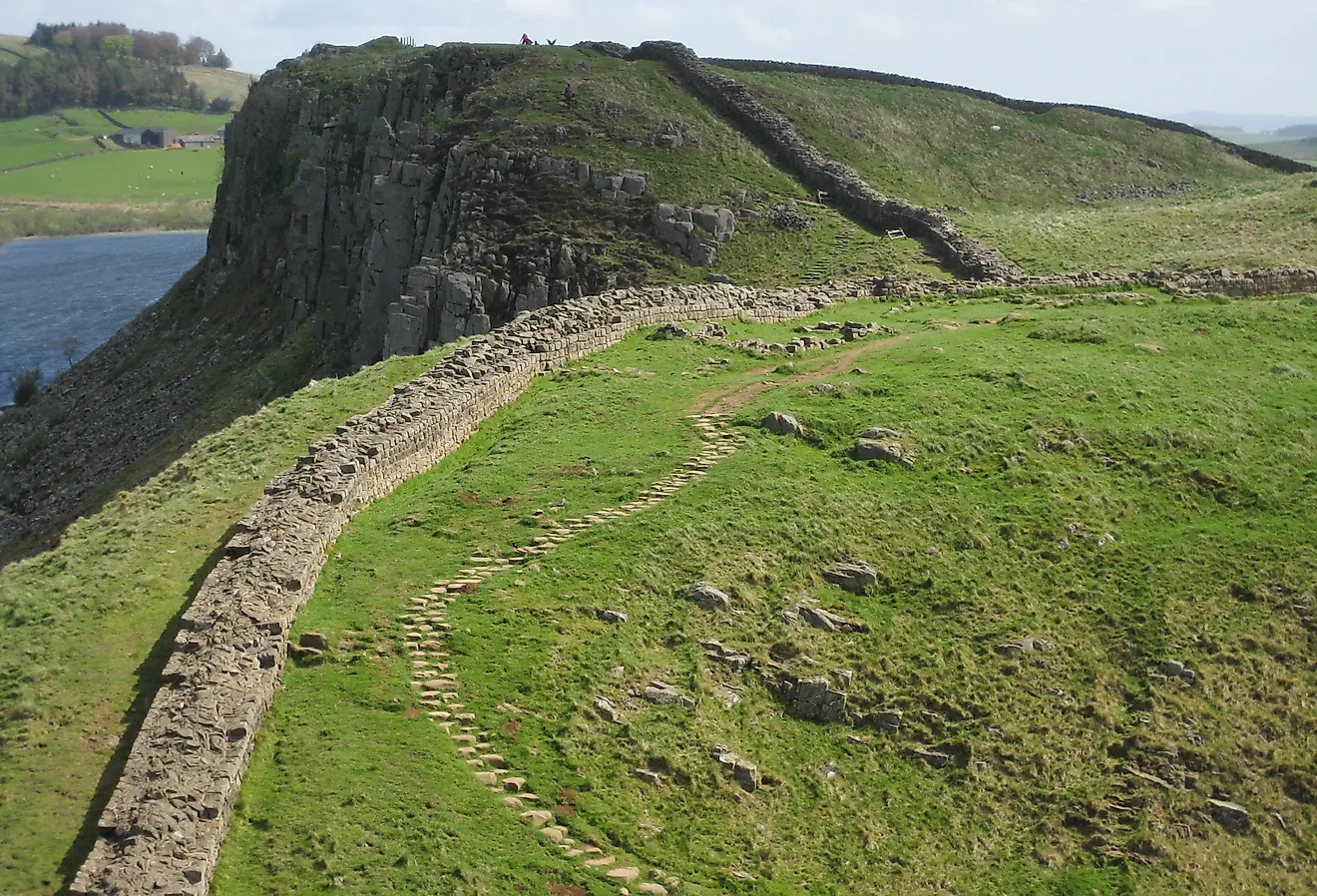
The engineers also made plans to keep Roman soldiers from freezing to death while stationed at various places, including Hadrian’s Wall. To achieve this goal, they engineered military barracks with a channel hypocaust. They dug long, deep trenches in a grid pattern under the dirt or stone floors of the barracks. One furnace at the end of the building would blast heat through these channels. This ensured that hundreds of soldiers could sleep in heated rooms, which remained at a steady, warm temperature even when it was snowing on the other side of the barracks’ wall.
Fuel Highways

Again, heating city blocks and barracks required consistent amounts of fuel. The Romans consumed large amounts of wood, leading to deforestation in some regions just to ensure firewood was always available. So-called fuel yards were placed near public baths and government centers and were managed by Roman officials. Slaves were forced to regularly crawl into the narrow gaps of buildings and bathhouses to get to the flues and scrape them clean of soot.
However, despite being so far ahead of its time, the hypocaust did not come without serious issues. Soot would inevitably build up in the flues and under the floor, regardless of the efforts of the slaves. This reduced the heat transfer, and it was very difficult to clean these areas underneath solid concrete and marble without major structural work.
Even worse, the hot air brought dampness, especially in the public baths. This resulted in mold and the degradation of the mortar that held the pilae stacks together. Vitruvius wrote on the need for specific slopes in the sub-floor and the use of opus signinum to protect buildings from the effects of heat and moisture.
The Long Cold Era

As the Roman Empire began to crumble in the 4th and 5th centuries, the hypocaust system declined significantly. Its own complexity resulted in its downfall, because it needed too much wood and too large a labor force.
As the Roman administration broke down, the fires meant to heat buildings and baths were extinguished one after the other. After the fall of the Empire, Europe returned to the open fire pit method and used it for the next thousand years. The Middle Ages featured great halls filled with eye-stinging smoke and drafts in the corners. Long gone was the comfort of warm marble floors in a 2nd-century villa. And the knowledge of how to achieve this was also largely lost, but fortunately, some fragments of information survived.
From Rome to Modern Living Rooms
The Roman hypocaust was the direct ancestor of what modern hydronic underfloor heating systems look like today. Instead of hot air and smoke circulating under floors and rising in walls, heated water is pumped through PEX piping. But the principle is exactly the same. The floor is used as a thermal radiator to provide consistent heat.
It is fascinating to think that the Romans understood a concept incredibly well, one that is still used in sustainable architecture. Heating the floors and walls of a room is far more efficient and comfortable than heating the air inside it. The Romans’ standard engineering was so far ahead of its time that it took the rest of the world nearly 1,500 years to catch up.