Where Is Alexander The Great's Tomb?
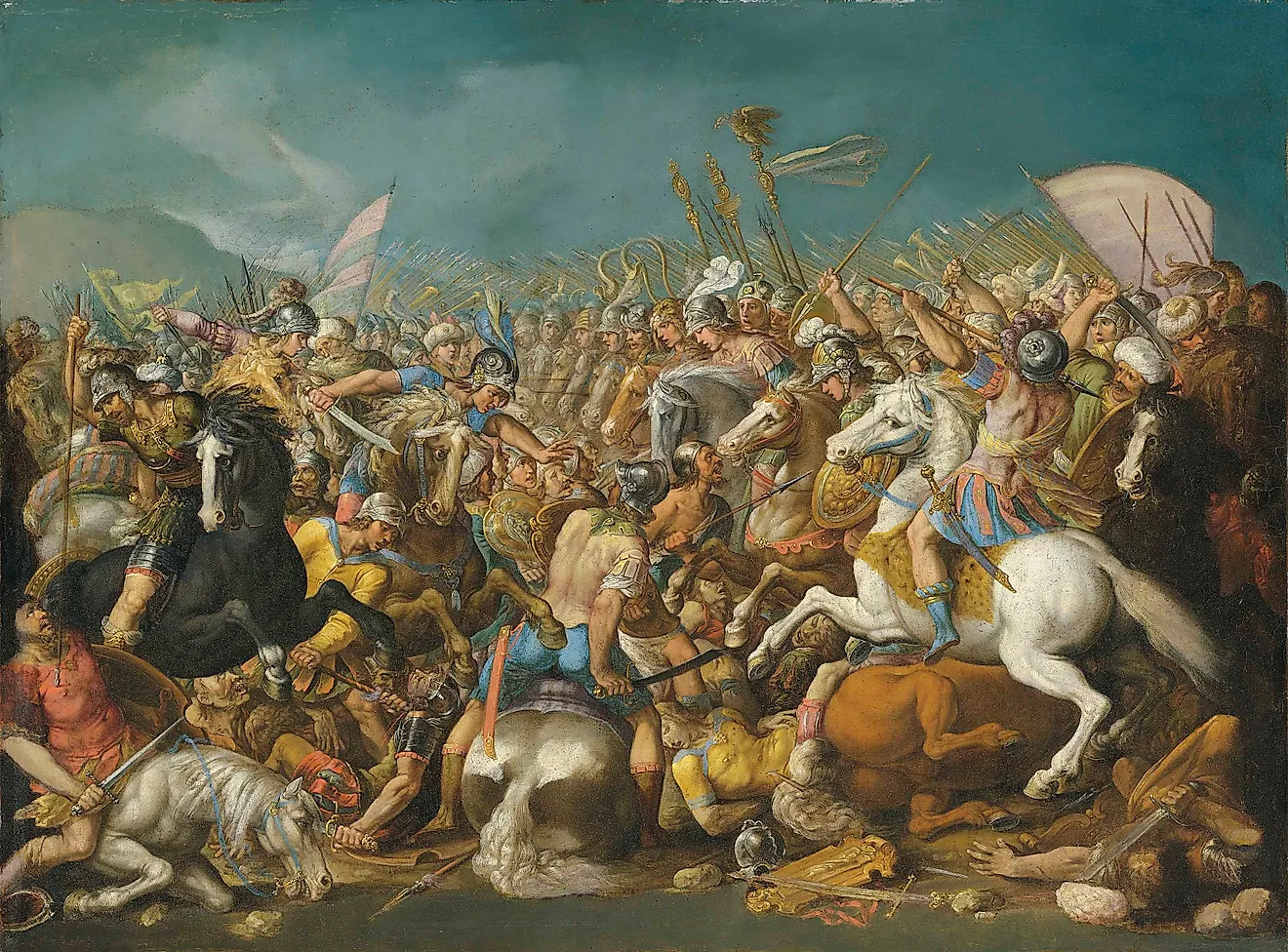
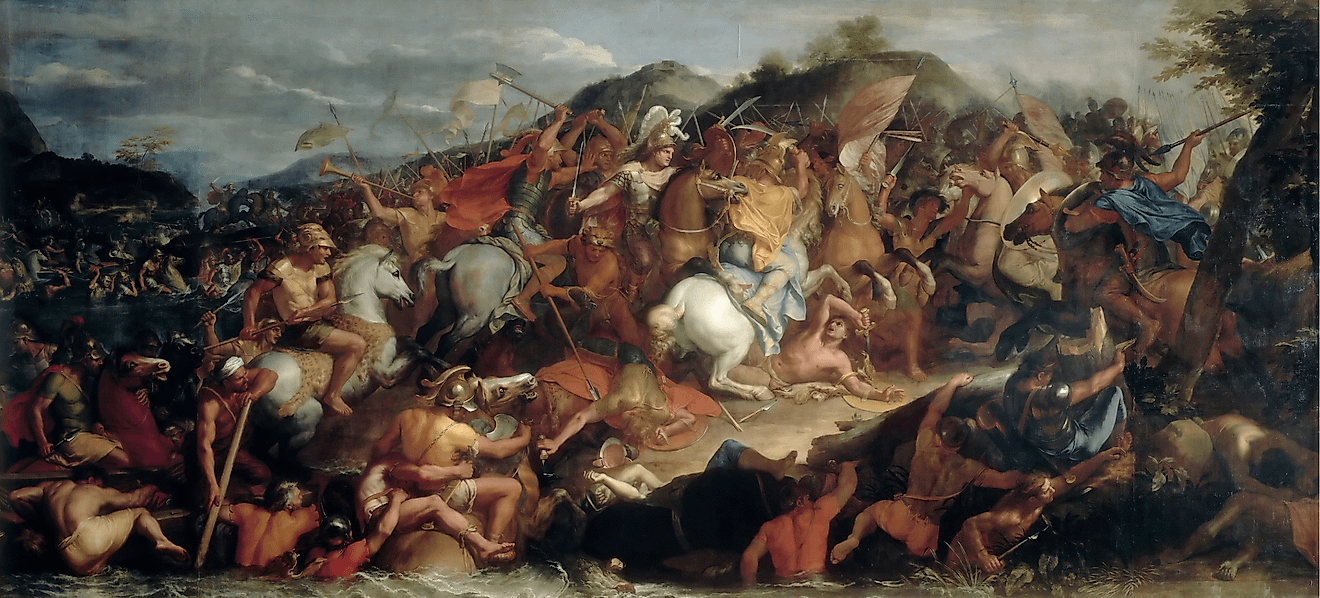
By the age of 30, Alexander the Great had managed to take down the most powerful nation that had yet to exist. Smashing the Persian Empire into pieces, he even managed to expand its borders into the Indian Subcontinent and parts of Central Asia. Everything from Greece to Pakistan and Armenia to Egypt was his to rule. However, in a sudden twist of fate, Alexander would lose his empire almost as quickly as he obtained it. It is not totally clear how he died or where his tomb exists. Some historians believe he caught malaria, while others think he was poisoned by one of his scheming generals or advisors. Regardless, with no clear successor, the empire splintered into dozens of fragments, never to be reunited again.

In the chaos that followed, little was known about what actually happened to the body of Alexander the Great. There is an almost endless supply of hypotheses, but nothing concrete has been found in the annals of history or in any breakthrough at an archaeological site in the Middle East. Even today, the true location of Alexander's final resting place remains a mystery.
Ptolemaic Egypt
One of the leading theories of the whereabouts of the body of Alexander the Great points many historians toward Egypt. Upon the collapse of his empire, it is believed that one of his generals, Ptolemy got possession of his body and brought it back with him.

According to some records, the body was kept in Memphis, an ancient city a few hours south of modern-day Cairo. The body was likely stored there while a larger, much more fitting tomb was being constructed in Alexandria.
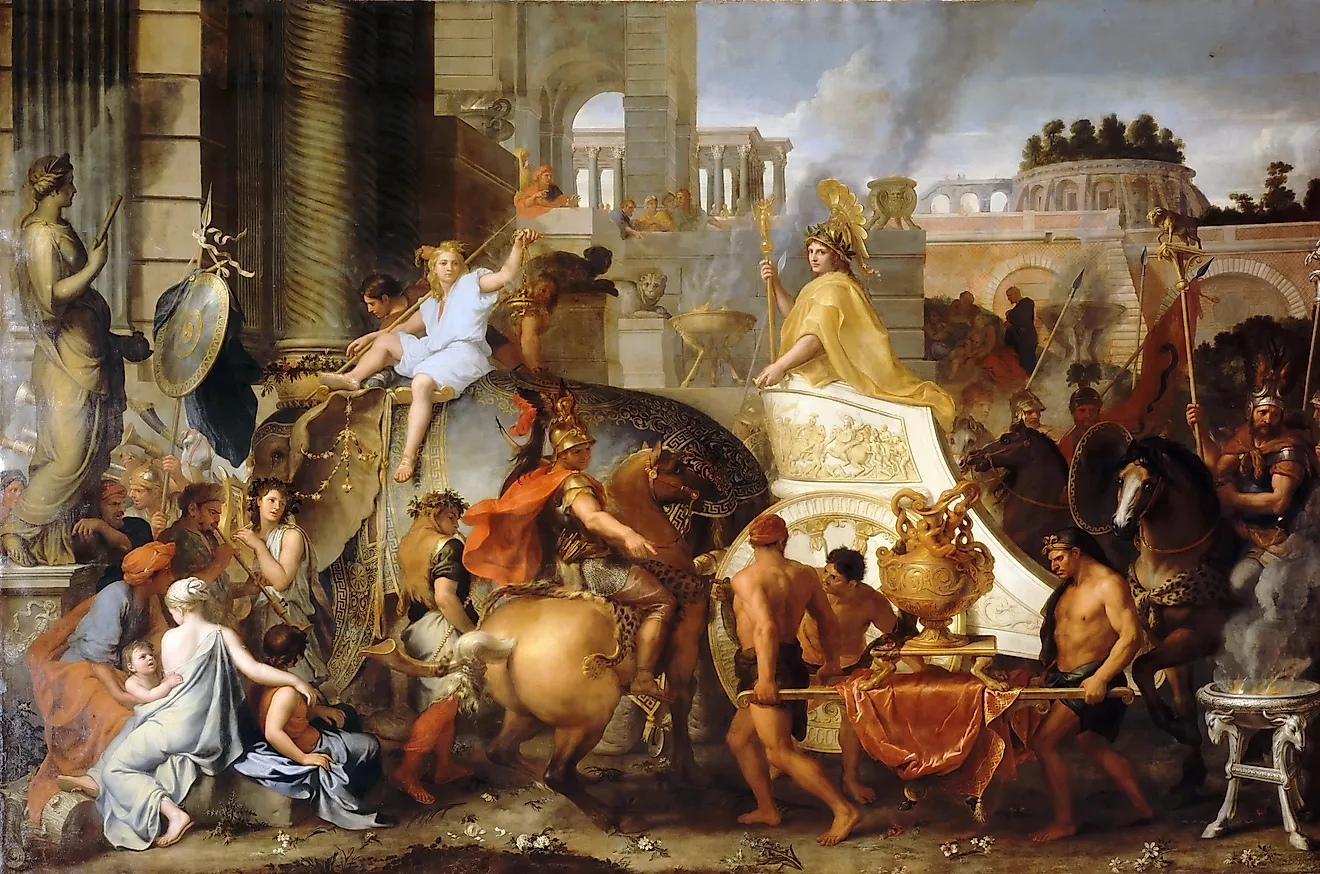
It is important to remember that when Alexander entered Egypt a few years before his death, he was portrayed as a hero saving the Egyptian people from Persian oppression. He went so far as to crown himself Pharoh.
Considering all of these factors, he would have been given the highest burial rites afforded in Egyptian culture. So a grand tomb in Alexandria makes sense. It is also worth mentioning that it would have been an undeniable point of prestige and legitimacy for Ptolemy's claim to Alexander's empire if he really did have possession of the body. Displaying such a relic in a grandiose tomb would also be quite logical.
However, it is not clear how long the construction of the tomb took or even if it was ever completed. If it had been finished, it would have been built in the palaces district in the city, an area that has sadly been underwater for centuries at this point. So there is no way to know for sure.
The City Of Alexander

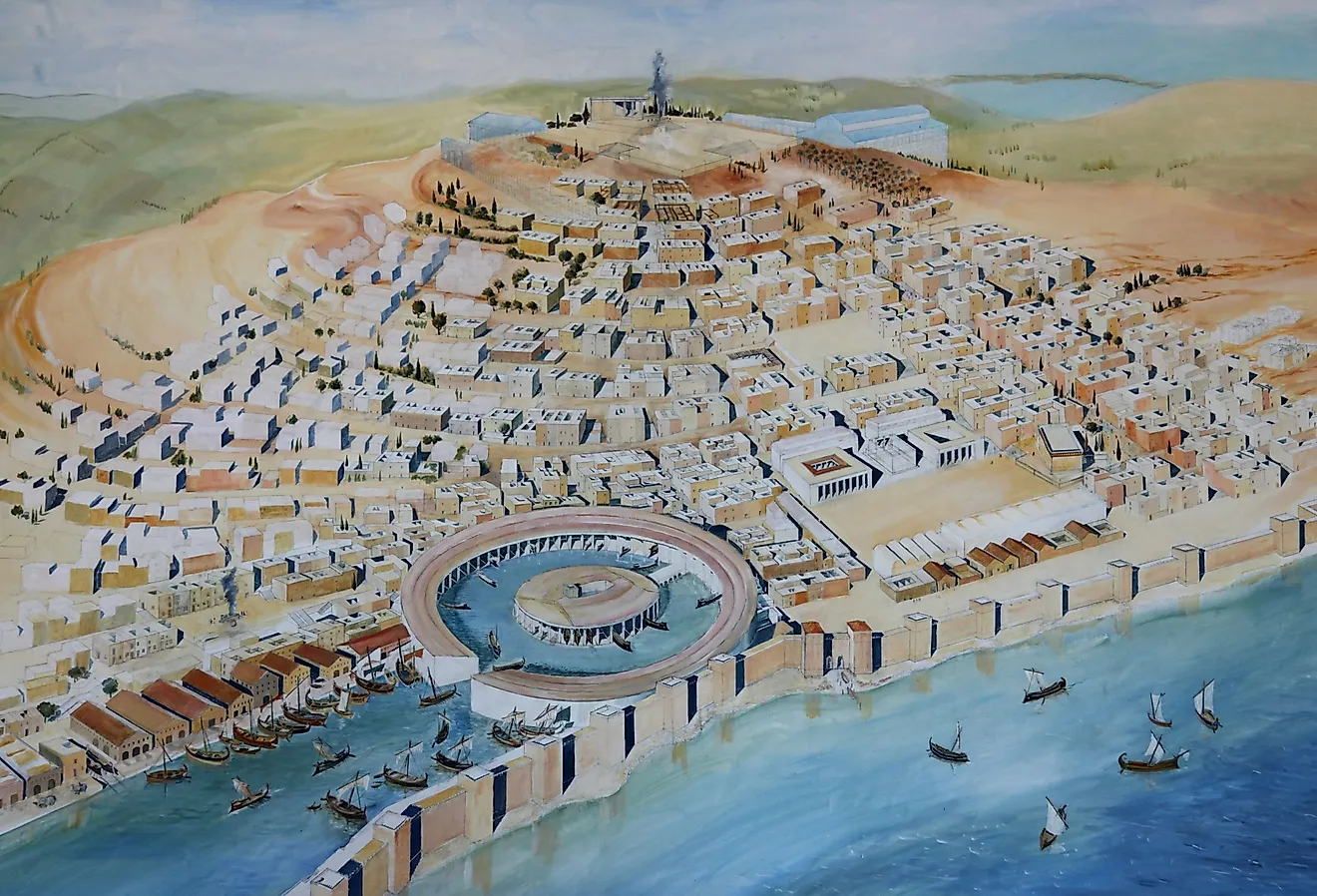
Originally called Rhakotis, Alexandria was renamed in honor of Alexander the Great. He was known for renaming many cities and towns after himself and his generals, even naming a city after his horse. The city remained a center of Hellenic culture until the Romans took Egypt in 30 BC. Given Alexander's strong connection to the city and its significance, Alexandria is considered the most probable place of his tomb.
It is mentioned by Julius Caesar that he visited the tomb to pay respects. But Caesar is never clear about its exact location either. Caesar only mentions his experience in the tomb and is hazy with the rest of the details.
Will The Tomb Ever Be Found?

As the search for Alexander the Great's tomb persists, a rising number of historians and archaeologists are increasingly doubtful about ever discovering its location. They correctly note that if ancient texts are accurate, the tomb is likely submerged underwater or beneath a modern building, such as an office or apartment complex, in the city. This makes it almost impossible to locate.
They argue that even if the tomb was found, it would likely be too damaged to recognize due to water erosion and other natural factors. Nearby burial sites have been discovered, and those submerged tend to be in poorer condition. This unfortunate situation makes it unlikely that experts could confidently identify it as Alexander's tomb. They also consider the possibility that the tomb has already been unknowingly uncovered.
The true location of the tomb of Alexander the Great could endure as one of history's greatest unsolved mysteries. Considering the literal religious devotion towards Alexander after his death, it is surprising that more accurate and concrete records do not exist to tell us where his body is or, at the very least, give us a clearer picture of what really happened.
While there are dozens of notable historical loose ends that have never been tied, this one certainly bothers historians the most. Alexander was a young man that was only alive for a short time but changed the world forever.