What Happens To A State Park After A Wildfire
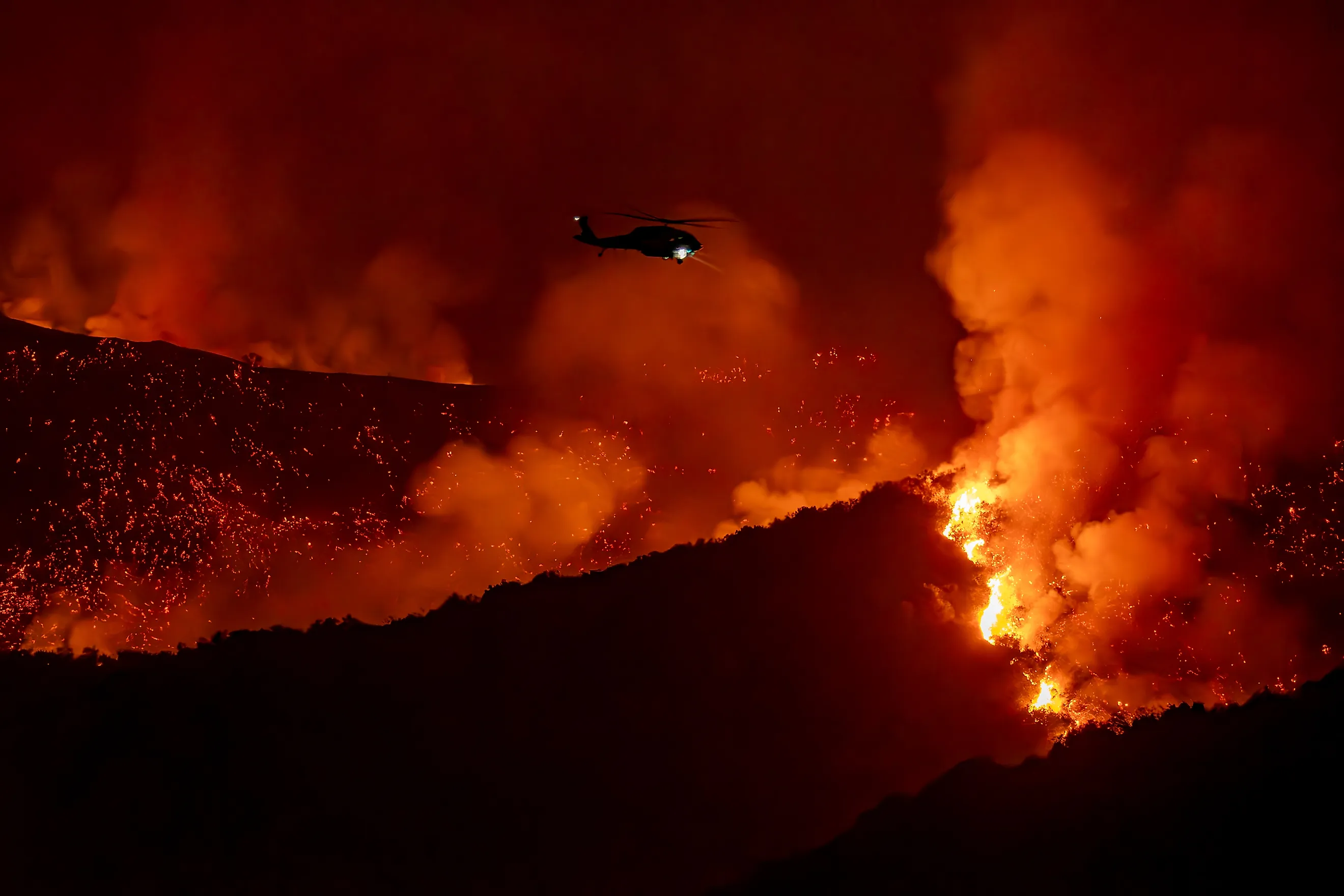
In January 2025, the Palisades Fire burned 8,192 acres inside Topanga State Park and another 189 acres in Will Rogers State Historic Park, forcing widespread closures and damaging trails, historic buildings, park infrastructure, and an array of natural habitats. Yet extinguishing the flames was only the beginning. More than a year later, California State Parks was still working through long-term recovery planning, rebuilding facilities, replacing fencing, repairing roads and trails, and deciding how the parks should be rebuilt for future wildfires. That's because a wildfire rarely ends when the smoke clears. State parks are managed by individual state agencies rather than the National Park Service, and reopening depends on far more than containing the fire. Here's what generally happens after a wildfire burns through a U.S. state park.
Why State Parks Stay Closed After A Fire Is Out

The day firefighters announce a wildfire is 100% contained is rarely the day a state park reopens. In many cases, visitors are still weeks or even months away from returning because the most dangerous hazards are only beginning to emerge.
The first priority is determining whether the park is safe to enter. Burned trees can remain standing for months before suddenly falling without warning. Heat can weaken bridges, boardwalks, picnic shelters, utility lines, and retaining walls. Trails that appear untouched may cross slopes where roots have burned away beneath the soil, leaving the ground vulnerable to erosion or collapse during the first major rainstorm.
California's Topanga State Park demonstrates why recovery often takes far longer than the fire itself. After the Palisades Fire burned thousands of acres inside the park in January 2025, California State Parks kept the park closed while crews assessed hazardous trees, damaged trails, roads, and historic structures. The agency repeatedly warned that unstable trees, landslide hazards, damaged infrastructure, and ongoing recovery work made the park unsafe long after firefighters had contained the blaze. As restoration continued, many roads and trails remained closed well into 2026.
This cautious approach can frustrate visitors who arrive to find patches of green forest still standing. But wildfire recovery is rarely determined by what burned. It is determined by what may fall, collapse, erode, or fail after the fire has passed.
Rain After A Fire Can Be Just As Dangerous

For many state parks, the wildfire is only the first disaster. The second can arrive with the season's first major rainstorm. Extreme heat can burn away vegetation that normally anchors hillsides while also creating a water-repellent layer in the soil. Instead of soaking into the ground, rainfall can rush downhill, carrying ash, rocks, fallen trees, and mud across hiking trails, campgrounds, roads, and bridges, creating hazards for future visitors.
According to the U.S. Geological Survey (USGS), even relatively short bursts of intense rainfall can trigger fast-moving debris flows in recently burned landscapes, sometimes months after a wildfire has been extinguished. That ongoing risk is one reason Topanga State Park remained closed long after the destructive 2025 Palisades Fire was contained.
A similar challenge followed the CZU Lightning Complex Fire, which burned through Big Basin Redwoods State Park in 2020. Although the fire destroyed the park headquarters, visitor center, campgrounds, and hundreds of structures, California State Parks also spent years stabilizing slopes, repairing washed-out trails, rebuilding drainage systems, and reducing erosion before additional areas could safely reopen. As restoration continued into 2024 and 2025, much of the work focused not on the flames that had already passed but on preventing rain from causing even greater damage to the recovering park. This is why wildfire recovery is measured in seasons rather than days. A trail that appears perfectly safe during a dry summer may become impassable after the first winter storm.
Wildlife Often Returns Before People Do

A charred landscape can look lifeless immediately after a wildfire, but the first signs of recovery often come from wildlife rather than people. Once firefighters leave and human activity disappears, many animals quickly return to burned areas to feed, nest, or take advantage of newly opened habitat. In some forests, wildfire is a natural process that has shaped native plants and animals for thousands of years.
Few state parks illustrate this better than Bastrop State Park near Austin, Texas. The 2011 Bastrop County Complex Fire burned about 96% of the park's 6,565 acres, devastating one of the world's westernmost stands of loblolly pine, known as the Lost Pines. More than a decade later, Texas Parks and Wildlife Department reports that young loblolly pines now cover parts of the forest floor, while shrubs such as American beautyberry and yaupon once again provide food and shelter for wildlife. Animals have steadily returned as vegetation has recovered.
California has documented a similar pattern in Big Basin Redwoods State Park. Many of its ancient coast redwoods survived the 2020 CZU Lightning Complex Fire because their thick, fire-resistant bark protected the living tissue beneath. In 2024, California State Parks and Save the Redwoods League released a new forest management strategy explaining that recovery is now focused on helping forests regenerate naturally while improving their resilience to future wildfires across Big Basin Redwoods, Año Nuevo, and Butano State Parks. The strategy recognizes that wildfire has long been part of California's redwood ecosystem and that recovery means allowing the forest to evolve while protecting visitors and nearby communities.
State Parks Usually Reopen In Stages

One state park campground may escape a wildfire almost untouched while another loses its water system. A lakeshore may reopen quickly, but a trail crossing burned hillsides can remain closed for months because of falling trees or erosion. For that reason, most state park agencies restore public access gradually rather than waiting for an entire park to be repaired.
After the Post Fire burned 10,064 acres within California's Hungry Valley State Vehicular Recreation Area in June 2024, nearly 1,200 visitors and staff were safely evacuated. The fire destroyed or severely damaged the south entrance station, a well pump shed, miles of fencing and trails, approximately 2,000 acres of the park's Native Grasslands Management Area, and two cultural preserves. Rather than waiting until every repair had been completed, California State Parks partially reopened Hungry Valley in November 2024, allowing limited day use through the north entrance while large sections of the eastern and southern park remained closed. Recovery continued throughout 2025, and camping did not resume until September 2025, with some trails and facilities still off-limits while restoration work progressed.
A similar approach followed the Lake Fire at Silverwood Lake State Recreation Area in Southern California. The fire burned 489 acres across the state park's recreation area and into the adjacent San Bernardino National Forest in June 2025, forcing a full evacuation and temporarily closing the park. When California State Parks reopened Silverwood in July 2025, it did not throw open every gate.
Visitors regained access to the lake and beaches, but several burn zones, including parts of the Pacific Crest Trail, remained closed because of ongoing safety hazards and recovery work. That phased approach is common in state parks across the country. For visitors, that often means checking the park's official website before every trip, even if the park itself has technically reopened.
Not Every Burned Tree Is Removed

One of the biggest surprises after a wildfire is how many blackened trees remain standing. While hazardous trees threatening roads, campgrounds, buildings, and trails are usually removed, many others are intentionally left behind because they continue playing an important role in the recovering ecosystem.
After 2011's Bastrop County Complex Fire killed or severely damaged much of the Bastrop State Park's famous Lost Pines forest, the Texas Parks and Wildlife Department focused on stabilizing erosion, planting genetically appropriate loblolly pines, and controlling invasive plants instead of removing every charred tree.
According to the agency, more than 605,800 loblolly pine seedlings had been planted in the park through partnerships with volunteers and conservation organizations by 2024, while standing dead trees continue providing wildlife habitat and gradually returning nutrients to the soil as they decay.
Wildfires Change How A State Park Is Managed

A wildfire doesn't simply leave behind a repair bill. It often changes how a state park is managed for decades afterward. Once the immediate recovery is complete, agencies may revise trail layouts, expand defensible space around buildings, increase prescribed burning, remove hazardous fuels, or rethink how visitors access fire-prone parts of the park.
The 2025 Table Rock Complex Fire in Table Rock State Park became one of the largest wildfires in upstate South Carolina's recorded history. The fire was allegedly started by four teen hikers who failed to properly put out their cigarettes. Following the catastrophic event, South Carolina State Parks began looking beyond emergency response. As the park reopened, work shifted toward long-term improvements, including construction of a new nature center deck and trailhead, while managers emphasized making the park more resilient following both Hurricane Helene and the wildfire, with upgrades like more fire-resistant building materials.
Visitors Become Part Of The Recovery

Recovering from a wildfire is not solely the responsibility of park crews. Once a state park begins reopening, visitors also play an important role in protecting it. Walking around barriers or creating unofficial detours can damage fragile landscapes and slow recovery efforts that often take years to complete.
For that reason, state park agencies routinely encourage visitors to check official park alerts before leaving home, stay on designated trails, and respect every closure, even if the park itself has reopened. Long after firefighters leave, a recovering landscape depends not only on the people rebuilding it but also on the people returning to enjoy it.
Recovery Is Measured In Seasons
A state park doesn't simply return to normal after a wildfire. Hazard trees are removed, trails rebuilt, wildlife gradually returns, and visitors often regain access long before restoration is complete. Whether it's years of erosion control at Big Basin, phased reopenings at Hungry Valley, or long-term forest restoration at Bastrop, these parks show that recovery is measured not by when the fire ends, but by how the landscape continues to heal afterward.