Why Some Forests Need Fire To Survive
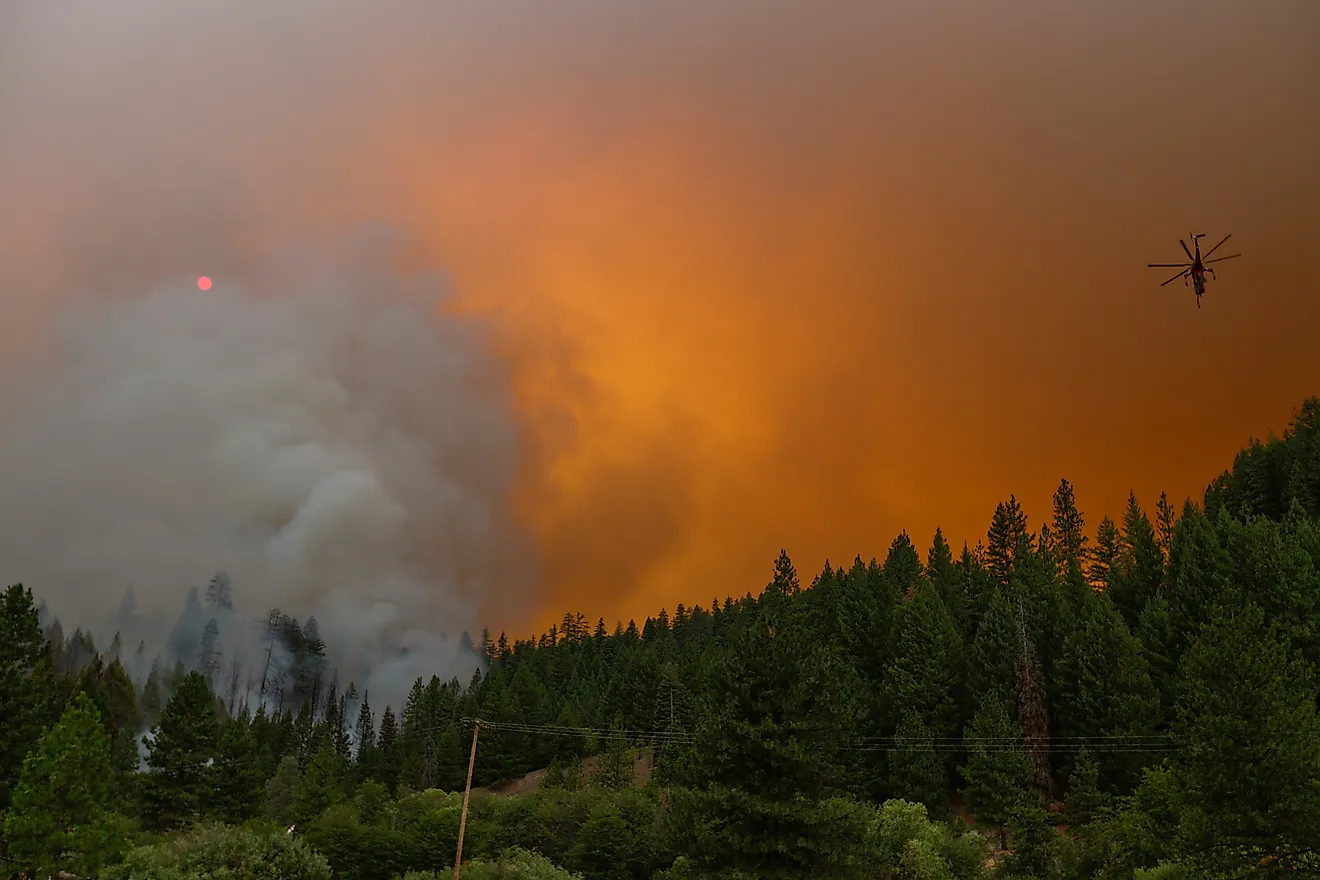
With 43,145 and counting fires occurring in 2026, according to the National Interagency Fire Center, we often think that fires of any kind are often bad and destructive. In certain cases they absolutely are, especially when they affect towns of any size. However, fires are actually a necessary and crucial cycle for forests to go through. In fact, several kinds of trees and forests find the fires necessary to stay thriving and survive for decades to come. Here is why forests need fires so much.
It's Part Of A Natural Cycle

In 1872, when Yellowstone became the world's first national park up until the mid-twentieth century, the land managers of the park dedicated day and night to stopping what they considered at the time "the destruction of forests by widespread fires." Back then it made sense, and that view remained for a long time, up until the 1960s, when scientists provided overwhelming evidence to support the idea that forest fires were necessary but also a big benefit.
What scientists found is that forests, as beautiful as they are, do have a life span. Trees wither, leaves and pine needles fall from the branches, and shrubs wilt too. All of these things provide kindling for fires, and when they are controlled, those fires actually manage that buildup and offer various benefits.
This gets disrupted when fire suppression tactics are used, though, as that pile gets larger year after year. For forests where these fire suppression tactics were used for nearly a century, going through its natural cycle now would result in incredible damage and would require manual removal of debris before a fire cycle could start.
It Rejuvenates

What scientists found as benefits to forests performing the fire cycle continues to grow as the US Geological Survey (USGS) continues their extensive research to understand this cycle. From the start, they recognized that the fire cycle was necessary for forests, but the benefits range from things like clearing out dead vegetation, returning nutrients to the soil, and promoting growth of diverse plant species.
But fires extend further than that.
Naturally, wildfires will bring about a significant change to the environment. Depending on where it spreads, it can also challenge other ecosystems and pose dangers to local communities, as we're well aware of by now. But it's also a natural way to control pests and diseases that dwell in the forest that threaten the health of forests and grasslands. Furthermore, it can make more space for animals to create different habitats, which in turn support various plants and other animals.
More Fires Prevent More Fires

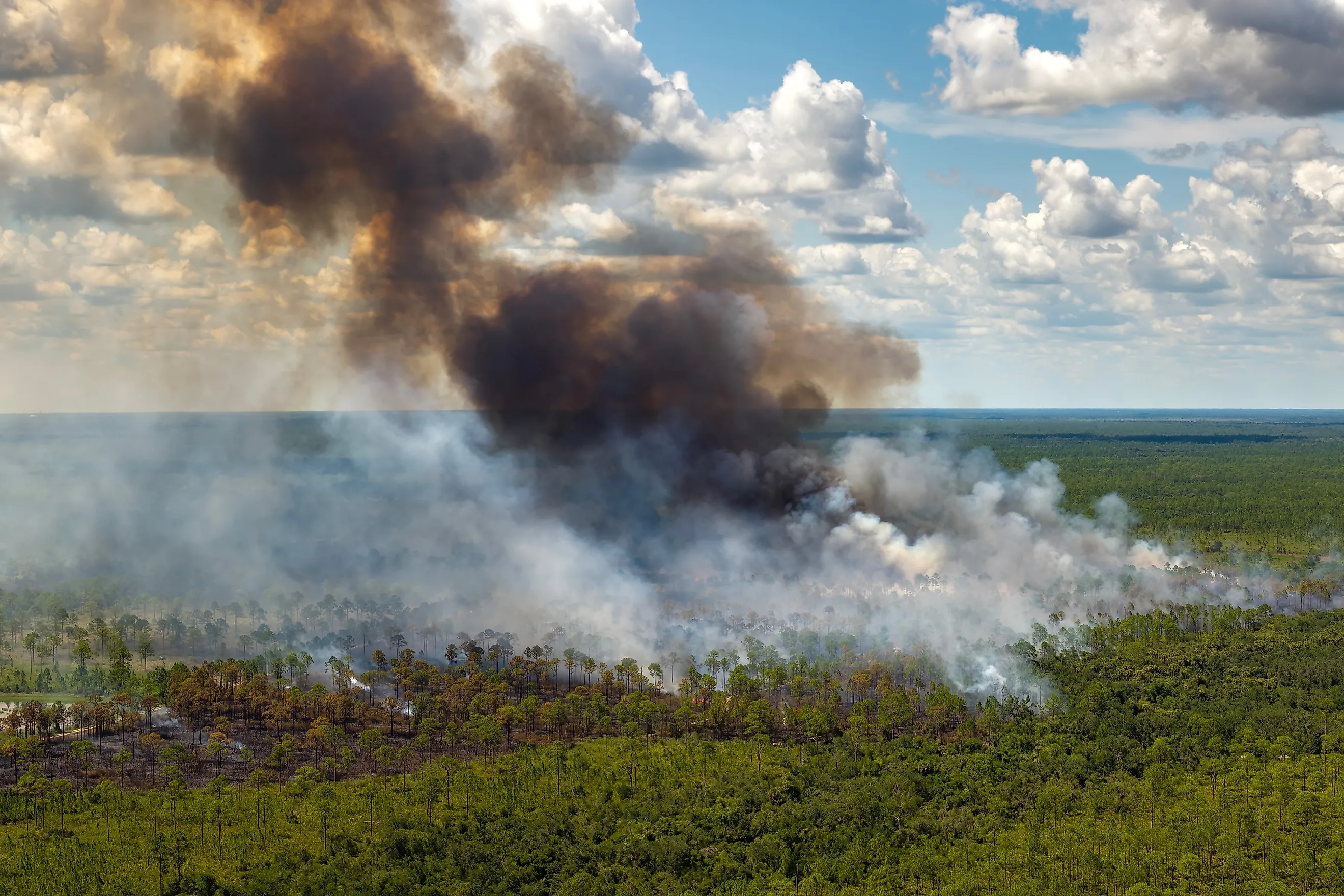
As strange as it sounds, tactics like controlled burns, mechanical treatments, and prescribed burns are beneficial in that they prevent bigger and more devastating fires from occurring. This is because controlled burns are smaller and cooler as well as burn away a managed portion of the kindling that fires would use to spread wider and grow larger.
These kinds of acts occur plenty of times, particularly in national parks where people could smell smoke or see it billowing from far away during particular months.
The smaller fires aren't hot enough to damage more established trees but are hot enough to clear through the forest floor that would otherwise be used as fuel for the hotter and more dangerous fires. In a way, this is a more natural way of preventing the worst-case scenarios from happening.
Fire Dependency
Alongside the natural fire cycle that forests go through, several regions in the country have many plants and trees that need fire in order to continue surviving. The reason being that those trees and plants adapted themselves to withstand natural fires.
This also holds true with some kinds of ecosystems where fire will reduce the forest canopy and cultivate the forest floor. Those ecosystems become more unstable when there isn't enough natural fire occurring. This results in sunlight-dependent native plants being overtaken by plants that prefer the shade, and those ecosystems become less diverse from undergrowth and dead plant material littering the floor.
Strengthen Forests' Resiliency

As a byproduct of forest fires, large amounts of carbon and ash are expelled into the atmosphere. These have dire consequences on people, as ash can land in streams and end up in drinking water and the carbon also contributes to a large amount of greenhouse gas and climate change.
That being said, fires can also hold the key in solving some of these problems while also benefiting forests. Along the same lines as fire-tolerant plants and trees, fires give even forests without those a chance to regenerate, recover, recapture carbon, and restore ecological functions. Even with those side effects, what forests gain from this are cooler and moister microclimates that lower the chances of fires occurring there and can even reverse the effects of deforestation and degradation that can come from making that land into farming land.
From The Ashes
All in all, from the ashes of burnt forests returns an ecosystem that can naturally store more carbon and slow climate change.