9 Best Places To Retire In British Columbia
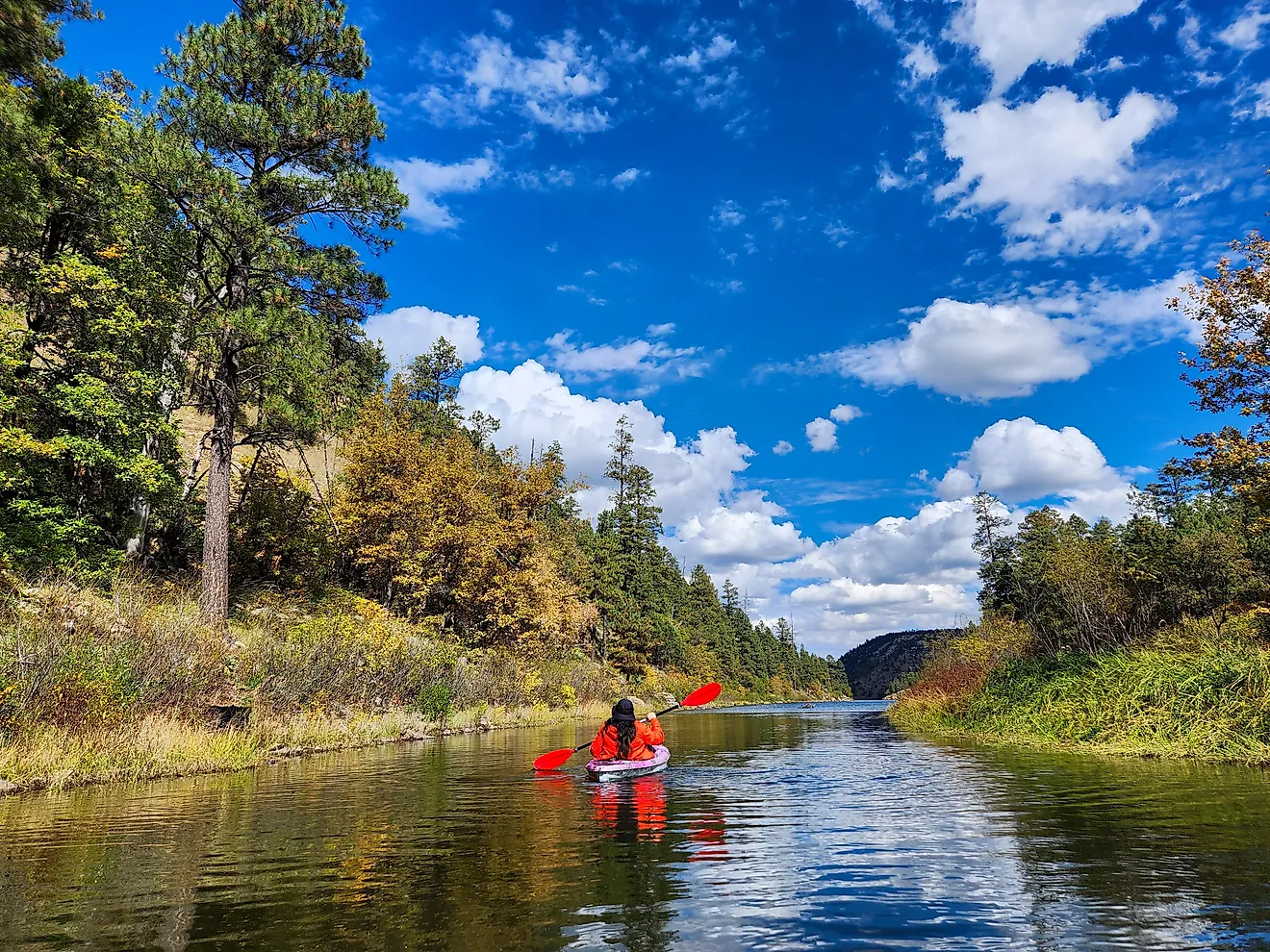
British Columbia has some of the steepest home prices in Canada, so retiring without leaving the province usually means looking past the Lower Mainland and southern Vancouver Island. The nine towns below each sell a house for less than the province’s average sale price of about $953,000 (CAD), with the cheapest in Port Alberni assessed at about $485,000 for 2026. The lower prices do not buy a duller retirement. Penticton sits between two swimmable lakes in the Okanagan wine country, and Nelson has the most heritage buildings per capita in the province. Revelstoke and Smithers put a ski hill at the edge of town. Every one of the nine keeps a hospital with a 24-hour emergency department close by, and a retired week still turns on the Saturday market and first chair at the local hill.
Qualicum Beach

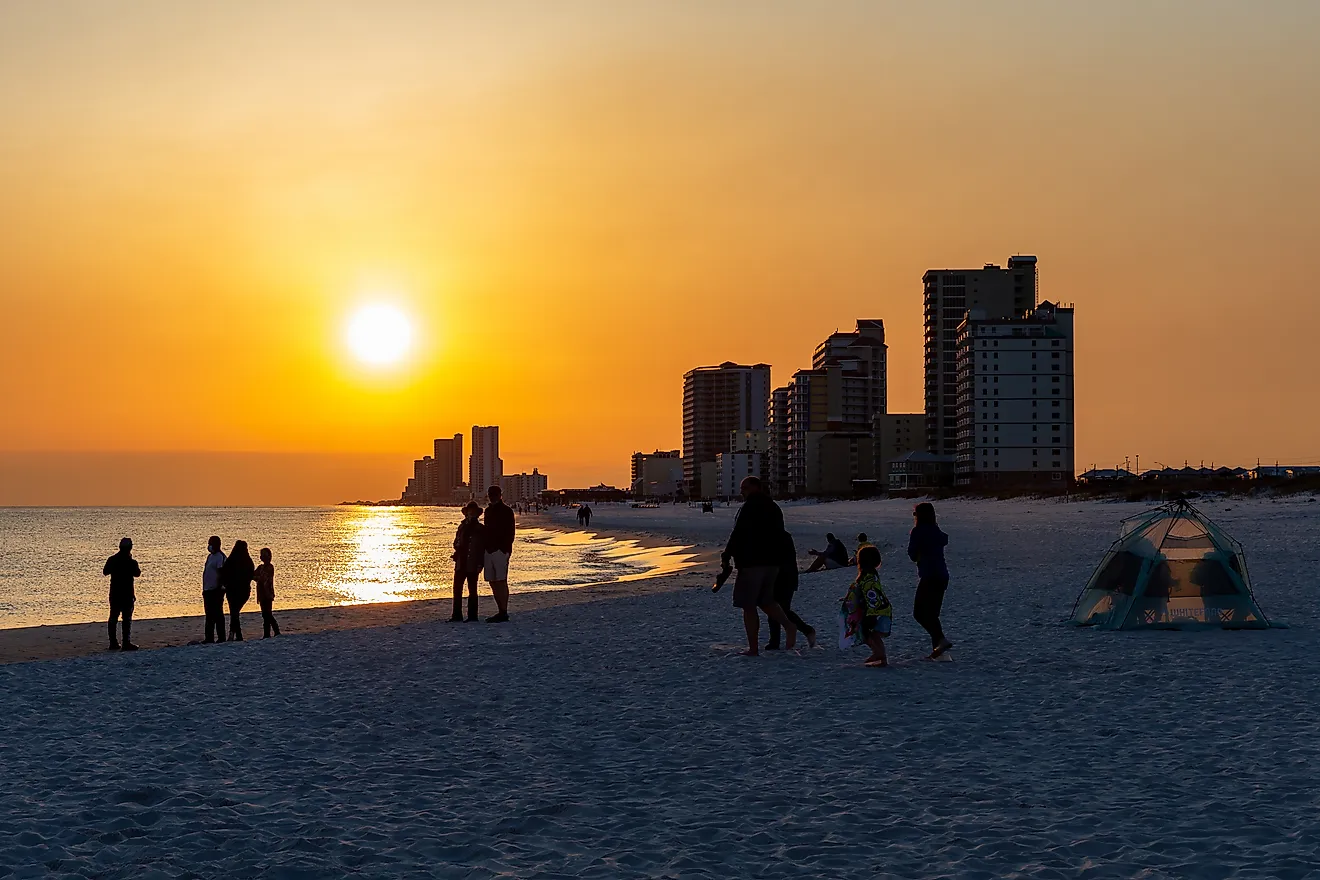
No Canadian municipality of 5,000 or more people had a larger share of residents aged 65 and older than Qualicum Beach in the 2021 Census, at 56.3%. The town of about 9,600 sits on the east coast of Vancouver Island, where more than 2.5 miles (4 km) of sandy beach face the Strait of Georgia. A paved waterfront promenade and separated walking and cycling lanes on Highway 19A, completed in 2021, form a continuous shoreline route for daily walks and rides.
Vendors set up the Qualicum Beach Farmers' Market outdoors on Veterans Way every Saturday morning nearly year-round, and The Old School House Arts Centre on Fern Road holds galleries, studios, and classes. Milner Gardens and Woodland, a 70-acre (28-hectare) estate owned by Vancouver Island University, is open on a seasonal schedule plus select December evenings. Golfers can play the town-owned Qualicum Beach Memorial Golf Course, which opened in 1913, while Little Qualicum Falls Provincial Park lies a short drive west on Highway 4.
The typical single-family home in Qualicum Beach was assessed at about $904,000 for 2026, the highest figure among these nine towns. Walk-in care is available at the Oceanside Urgent Care and Health Centre in Parksville, about 12 minutes away and open 7:30 a.m. until 9:30 p.m. daily, and the nearest full hospital is Nanaimo Regional General, about 28 miles (45 km) south.
Cranbrook

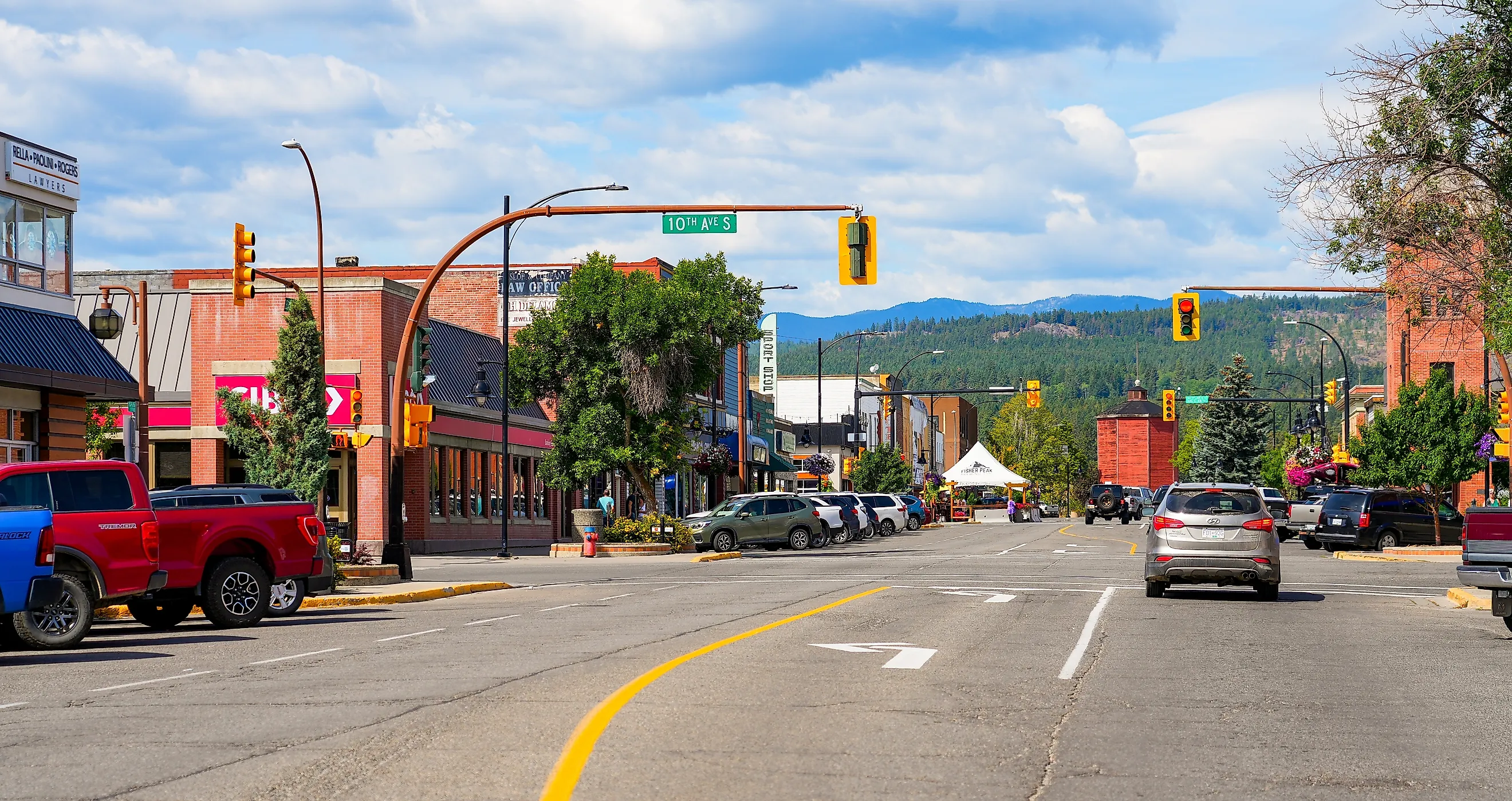
Cranbrook is the largest city in the East Kootenay, with about 20,500 residents, and a typical single-family home was assessed at about $517,000 for 2026. It sits in the Rocky Mountain Trench between the Purcell Mountains and the Rockies, and at about 2,190 hours of sunshine a year, it is the sunniest city in British Columbia.
Downtown centers on Baker Street, and the Cranbrook History Centre holds the restored 1929 Trans-Canada Limited, a complete set of luxury rail cars from the Canadian Pacific Railway. Fort Steele Heritage Town, an 1890s townsite restored with costumed interpreters, is about 11 miles (17 km) northeast. Golfers play the championship course at the St. Eugene Golf Resort, run by the Ktunaxa Nation on the grounds of a former residential school, and the Cranbrook Community Forest has walking and cycling trails on the edge of town.
East Kootenay Regional Hospital, operated by Interior Health, is the region's referral hospital and has a 24-hour emergency department. College of the Rockies has its main campus in Cranbrook, and the Canadian Rockies International Airport, about 6 miles (9 km) north, has flights to Vancouver and Calgary.
Smithers

The typical single-family home in Smithers was assessed at about $527,000 for 2026, the lowest figure among the nine towns here. That gap leaves more of a pension for travel and hobbies through the long northern winter. About 5,600 people live in the town, which sits in the Bulkley Valley below Hudson Bay Mountain in northwestern British Columbia.
An alphorn-player statue stands on Main Street near independent shops and the Smithers Art Gallery in the Central Park Building, which has exhibitions through the year. Smithers Brewing Co. is a few blocks away, and the Bulkley Valley Exhibition fall fair takes place each late August. Hudson Bay Mountain Resort sits directly above town for downhill skiing, the Hankin-Evelyn Backcountry Recreation Area is about 45 minutes away for touring, and the Bulkley River is known for its steelhead fishing.
Bulkley Valley District Hospital, run by Northern Health, is the hospital for the town and the surrounding valley, and Smithers Regional Airport has scheduled flights to Vancouver for specialist appointments or family visits.
Revelstoke

Revelstoke has grown to roughly 9,500 residents, and its typical single-family assessment of about $881,000 for 2026 reflects steady demand tied to year-round tourism. The town sits on the Columbia River between the Selkirk and Monashee Mountains, with Mount Revelstoke National Park on its northern edge and Glacier National Park to the east.
Summer evenings center on Grizzly Plaza, where the free REVY.Live Outside concert series runs nightly through July and August. The LUNA festival of nocturnal art is held downtown each late September, and the Revelstoke Railway Museum has exhibits on the Canadian Pacific Railway's mountain line. In Mount Revelstoke National Park, the Meadows in the Sky Parkway climbs toward the summit in summer, and the Giant Cedars Boardwalk Trail makes an easy, level walk among old-growth cedars.
Winters are long and snowy, and the 5,620 feet (1,713 m) of lift-accessed vertical at Revelstoke Mountain Resort is advertised as the most in North America. Queen Victoria Hospital on Newlands Road has a 24-hour emergency department.
Nelson

Nelson's typical single-family assessment was about $699,000 for 2026, and the city of about 12,100 is the main service center for the West Kootenay. It sits on the West Arm of Kootenay Lake in the Selkirk Mountains. Long nicknamed the Queen City of the Kootenays, Nelson has more than 350 heritage buildings and sites, and the city counts the most heritage buildings per capita in British Columbia.
Baker Street holds the main run of shops and cafes, and the 1927 Art Deco Capitol Theatre on Victoria Street is the town's performing arts venue. Lakeside Park, beside the Big Orange Bridge, has a sandy beach and walking paths along the water. The Great Northern Rail Trail runs between Nelson and Salmo on an old rail grade for cycling and walking, and Whitewater Ski Resort, known for its deep snow, sits about 14 miles (22 km) south of town.
Kootenay Lake Hospital has a 24-hour emergency department, and Selkirk College has three campuses in Nelson.
Ganges, Salt Spring Island

Ganges is the commercial village of Salt Spring Island, the most populous of the Southern Gulf Islands with about 11,600 residents in 2021. The island has no municipal council, since land use falls under the Islands Trust and local services under the Capital Regional District, and island voters rejected incorporation in 2017. The typical single-family assessment across the Gulf Islands was about $867,000 for 2026.
Vendors fill Centennial Park on the Ganges waterfront every Saturday between April and October for the Salt Spring Saturday Market, selling local produce and crafts. Floatplanes land in Ganges Harbour beside the village marinas, and Ruckle Provincial Park on the island's southeast shore has seaside trails and heritage farm buildings. Ferries link Fulford Harbour with Swartz Bay, Vesuvius Bay with Crofton, and Long Harbour with Tsawwassen.
Lady Minto Gulf Islands Hospital sits in Ganges itself, and a new emergency department opened there in October 2024 with eight treatment bays, double the old count.
Penticton

Penticton is the largest town on this list at about 39,000 residents, and its typical single-family assessment was about $700,000 for 2026. The city sits on the strip of land between Okanagan Lake and Skaha Lake and averages about 1,900 hours of sunshine a year, with hot, dry summers and mild winters by Canadian standards.
Okanagan Beach lines the downtown lakefront near the SS Sicamous, a restored sternwheeler, and Skaha Lake Park and Beach covers the south end of the city. The Penticton Farmers' Market is held in the 100 block of Main Street on Saturday mornings between mid-April and the end of October, and the South Okanagan Events Centre is the venue for Penticton Vees hockey and touring concerts. The Kettle Valley Rail Trail follows the ridge above the Naramata Bench, where cyclists ride past wineries and orchards on a former rail grade.
The David E. Kampe Tower at Penticton Regional Hospital opened to patients in 2019. Wildfire smoke and evacuations are a summer reality in the region, and during the 2023 season, Penticton was the site of an emergency reception center for residents displaced by nearby fires.
Harrison Hot Springs

Harrison Hot Springs has about 2,100 residents, and its typical single-family assessment was about $882,000 for 2026. The village sits at the south end of Harrison Lake, which drains to the Fraser River by way of the Harrison River. The first hotel, the St. Alice, opened beside the springs in 1886, and the village was incorporated in 1949.
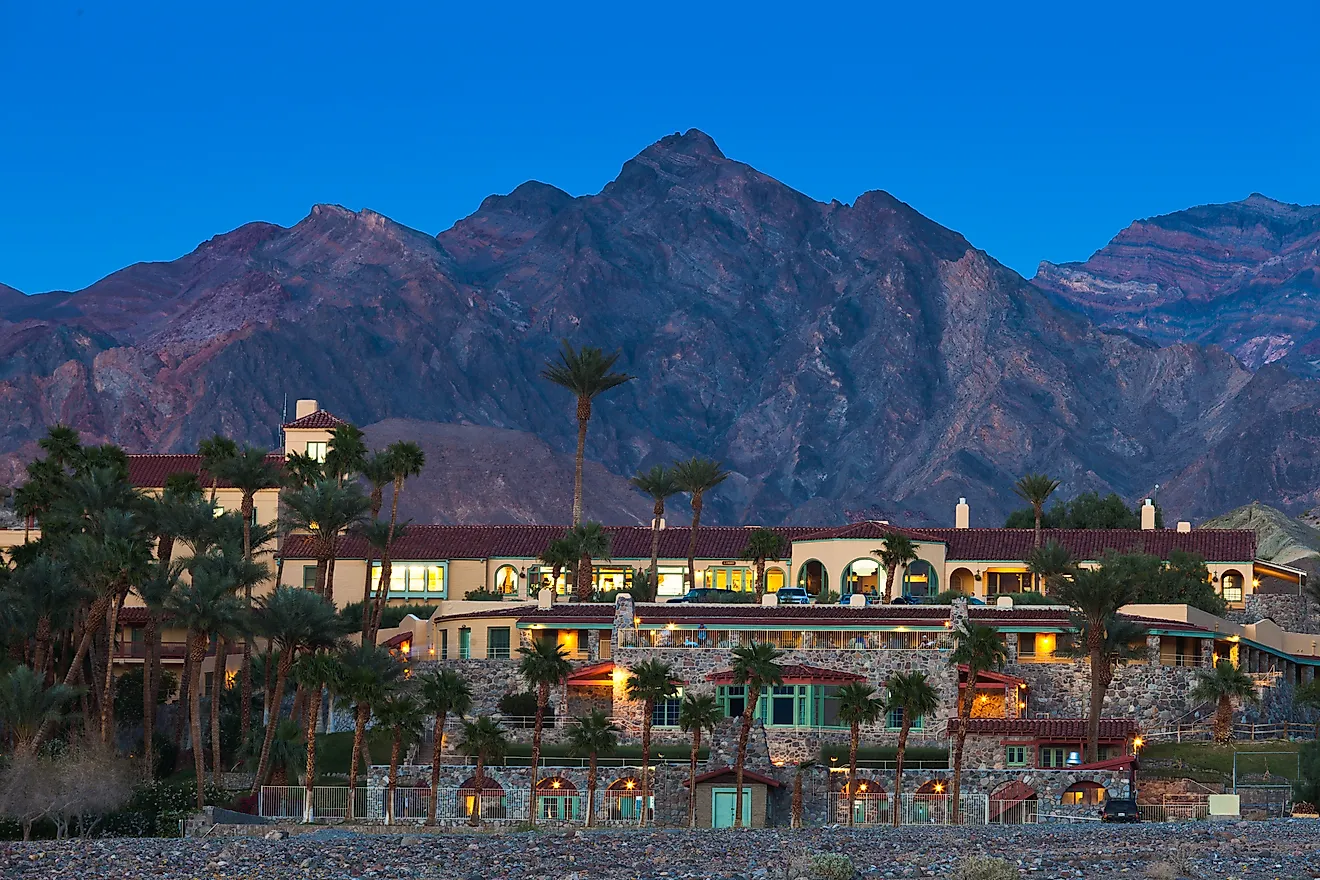
The village has two springs, a potash spring at about 104°F (40°C) and a sulphur spring at roughly 140°F to 149°F (60°C to 65°C). The public mineral pool was closed for renovations in 2026 with no announced reopening date, so retirees drawn by the water should confirm its status first. The beach and promenade along the Esplanade make an easy daily walk, the Spirit Trail is a short forest loop with clay masks set into the cedars, and the nine-hole Harrison Resort Golf Course is close by. Sasquatch Provincial Park, farther up the lake, has lakeside trails and campgrounds.
The Agassiz Community Health Centre has weekday primary-care clinics, and the nearest emergency departments are at Chilliwack General Hospital and Fraser Canyon Hospital in Hope.
Port Alberni

A typical single-family home in Port Alberni was assessed at about $485,000 for 2026, the lowest figure on this list and one of the most affordable markets on Vancouver Island. The city of about 18,300 sits at the head of the Alberni Inlet, a long fjord that reaches into the center of the island from Barkley Sound, with Highway 4 linking it to the island's east coast.
The Alberni Harbour Quay is the waterfront hub, with shops, galleries, and the landmark Wolf Tower above the docks, and the Port Alberni Farmers' Market sets up there on Saturday mornings year-round. The Rollin Art Centre shows local work in a heritage house and garden, and the McLean Mill National Historic Site north of town preserves a 1920s steam-powered sawmill. Cathedral Grove, a stand of old-growth Douglas fir in MacMillan Provincial Park, is about 10 miles (16 km) east on Highway 4.
Port Alberni is known as the Salmon Capital of the World, and anglers gather each fall for the salmon runs up the Stamp River, about 9 miles (14 km) north, where a fish ladder runs beside the falls at Stamp River Provincial Park. West Coast General Hospital, operated by Island Health, has a 24-hour emergency department in town.
Matching A Town To A Retirement Plan
Cost and hospital access do not always point to the same town. Port Alberni, Cranbrook, and Smithers carry the lowest assessments here, and each has a hospital with a 24-hour emergency department in town, while Qualicum Beach, at about $904,000, is the most expensive. Qualicum Beach and Harrison Hot Springs are the two where residents drive out of town to reach an emergency department, a trade-off that weighs more heavily with each decade of retirement. The grant math also changes on January 1, 2027, when the extra $200 Home Owner Grant for northern and rural properties ends and the senior grant settles at $845 province-wide.