11 Best Natural Wonders To Visit In Northern California This Year
Northern California is a nature lover's paradise. The damp and rocky climate here creates verdant forests and vegetation, magnificent volcanic and granite peaks, and an abundance of lakes, rivers, and streams. Snowmobile at Modoc National Forest's Doorknob Warming Hut Snowpark. Tube down the Salmon River in Klamath National Forest. Scale Lassen Peak and watch out for any volcanic eruptions. The natural wonders in northern California show adventurous types how to have a good time in the great outdoors.
Modoc National Forest

In northeastern California, roughly equidistant from the Oregon and Nevada borders, is Modoc National Forest. Covering 1,650,000 acres, this vast protected land surrounds Lava Beds National Monument and its more than 800 lava tube caves. It also takes in part of the 80-mile Warner Mountains, which rise between the Modoc Plateau and the Great Basin, along with vast stands of pine. Snowmobiling is possible in the winter at Doorknob Warming Hut Snowpark, which might be a fun time to visit, not to mention the multitude of hikes, campgrounds, fishing, and even horseback riding opportunities within Modoc National Forest at other times of year. You might even see some of the wild horses here.
Klamath Mountains

The Pacific Coast Mountains span the whole West Coast of the US, which includes northern California's Klamath Mountains. Mount Eddy and the Trinity Mountains belong to these Klamath Mountains, much of which formed as slices of ocean crust and volcanic island arcs were added onto North America along an ancient subduction zone, beginning more than 150 million years ago. Concerning the nature here, the Klamath Mountains area is home to dense conifer forests and unusual serpentine plants, but also elk, deer, bobcats, rabbits, and muskrats that live in this Mediterranean climate. Go here in spring or fall for the best weather, outside of the heat in summer and the possibility of snow in the winter.
Klamath River

Starting in southern Oregon, the Klamath River flows down and out into the Pacific Ocean south of Crescent City, California, straight through the Cascade Range. One of the more notable features of this river is its very large population of Chinook and coho salmon and rainbow trout, and its interesting geographical feature as a so-called upside-down river, in which it flows from the drier part of Oregon, rather than the wetter, damper part, as is found in most rivers. Four hydroelectric dams on the Klamath were removed in 2023 and 2024, the largest dam removal project in US history, reopening hundreds of miles of salmon habitat. Try visiting the Klamath River outside of winter when the water might become too cold to enjoy any activity on it.
Klamath National Forest

The 1,700,000 acres of the Klamath National Forest belong to the states of Oregon and California, and in northern California, the largest portion is the Marble Mountain Wilderness, which makes up 241,744 acres of the Klamath National Forest and is worth a visit to see its wildflowers in the warmer months. Marble Mountain Wilderness is one of California's oldest protected wilderness areas, with its history of federal wilderness protection dating to 1931. Other parts of the Klamath National Forest include the 179,847 acres of the Siskiyou Wilderness, 20,796 acres of the Red Buttes Wilderness, and the smallest, which is the Russian Wilderness at 12,521 acres. Bodies of water include Bingham Lake, Juanita Lake, Salmon River, Klamath River, and the Scott River, made for activities like fishing and tubing. If you are lucky, you might catch a glimpse of a black bear, but please keep a safe distance.
Mount Shasta
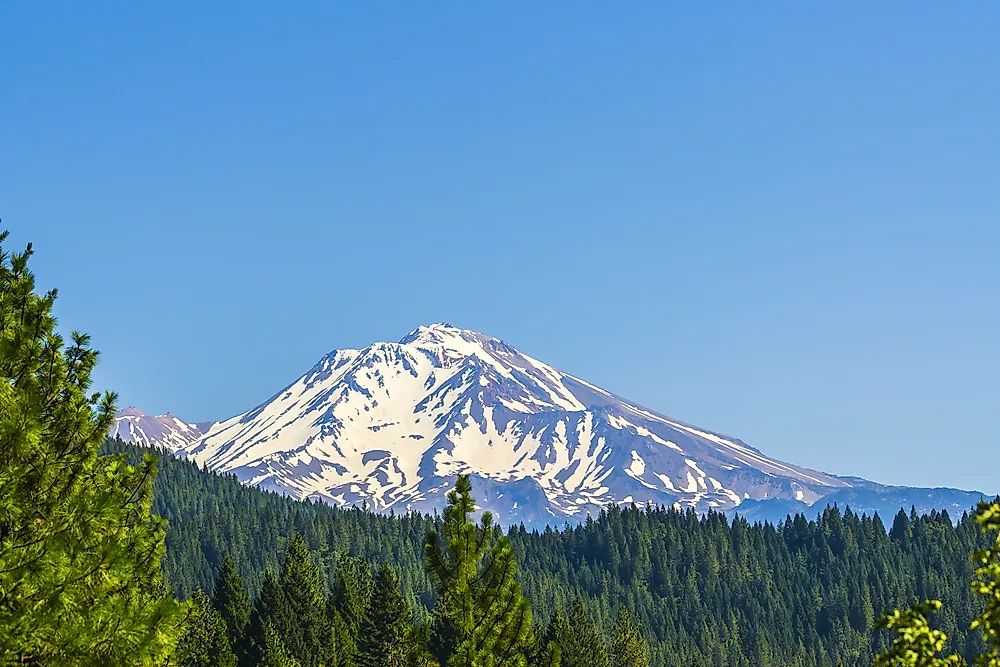
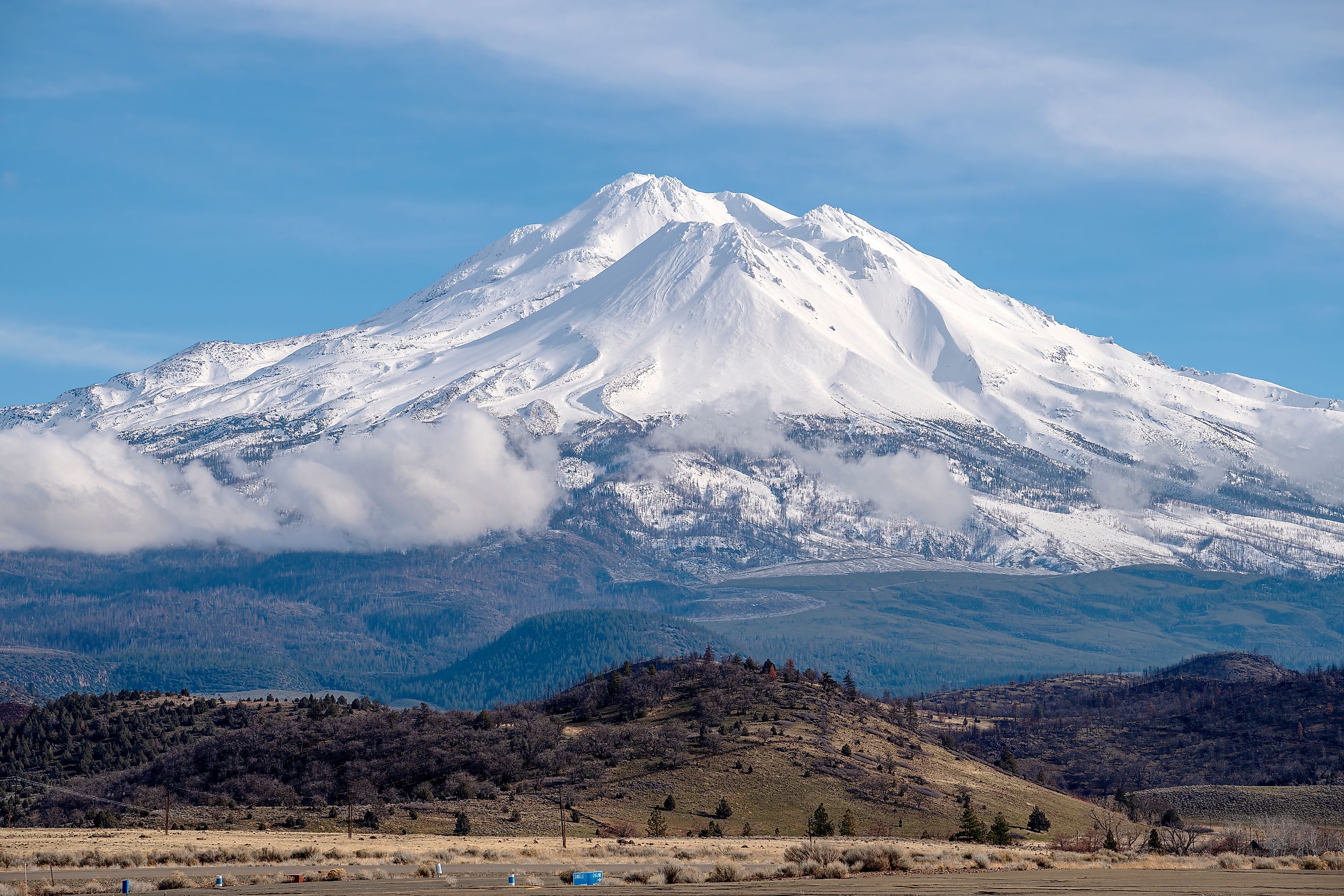
Behold, the snow-capped mountain in the Cascade Range that captures northern California's rugged beauty. Mount Shasta is a towering stratovolcano at 14,163 feet high, the fifth-highest peak in the state. Repeated eruptions built it over hundreds of thousands of years, and it now rises within the Shasta-Trinity National Forest. Go for a hike or a backpacking trip in summer when the flowers are in full bloom and the Mount Shasta Concert Series is held, or wait until the winter activities resume when the snow has finally fallen for optimal skiing conditions. Or, consider going just as the leaves start turning in early September, when the Mount Shasta Blackberry Music Festival tends to bring everyone out for good food, music, and drinks.
Mount Eddy

Mount Eddy, about 15 miles west of Mount Shasta, climbs to a whopping 9,025 feet, making it the highest peak in the Klamath Mountains. Many pine trees, like the Western white pines and the 268 acres of foxtails, dominate the rural wilderness here, as well as dense vegetation that thrives amongst the mixture of pines. Mount Eddy also contains the Deadfall Lakes Basin. The Pacific Crest Trail passes the Deadfall Lakes, and hikes to them range from about 5.6 to 10.4 miles round trip. That route is part of the 2,650-mile Pacific Crest Trail, and the lakes have some good spots for catching brook and rainbow trout. Visit Mount Eddy and the Deadfall Lakes Basin between July and September for generally more reliable hiking conditions and mountain views.
Shasta-Trinity National Forest

Shasta-Trinity National Forest's three primary natural facets are Mount Shasta, Shasta Lake, and the Trinity Alps, spanning a massive 2,100,000 acres, in what is the largest national forest in California. This is a fantastic outdoor playground for bouldering, rock climbing, smallmouth bass and trout fishing, boating, mountain biking, and camping on one of Shasta-Trinity National Forest's dozens of campgrounds, surrounded by northern California's mix of pines and firs, cedars, oaks, and dogwoods. Watch out for western rattlesnakes and raccoons, especially if camping, and maybe even see a bald eagle soaring overhead. In winter, be sure to check out Pilgrim Creek Snowmobile Park for snowmobiling in the McCloud Area.
Lassen National Forest

Where the Cascade Range and Sierra Nevada Mountains meet the Modoc Plateau lies Lassen National Forest and its 1,200,000 acres of Californian nature, providing opportunities for mushroom foraging, camping at one of its many campgrounds, exploring ancient lava tubes, and horseback riding through the tree-covered basalt and granite expanse, to name a few. Western junipers and species of pines, cedars, and firs live here, as do the mountain lions and elusive black bears. Planning a trip to Lassen National Forest depends on what you want out of your trip, since there are great activities and scenery year-round.
Lassen Peak

The volcanic lava plug dome that is Lassen Peak in Lassen Volcanic National Park had its last series of eruptions between 1914 and 1917. Lassen Peak is one of only two volcanoes in the contiguous US to erupt in the 20th century, along with Mount St. Helens. Despite the dangers of a possible eruption from this active mountaintop, many still attempt to make the 4.9-mile strenuous trek up to Lassen Peak, which takes about three to four hours round trip and starts at around 8,500 feet in elevation, making for a rather commendable achievement when finished. Keep in mind that the main park highway through Lassen Volcanic National Park closes for much of the winter and spring because of heavy snow.
Tahoe National Forest

Tahoe National Forest extends across more than 1,000,000 acres of land, about 850,000 of which is public and the other 350,000 private. This presents many opportunities, including horseback riding, beautiful hikes, fishing for rainbow trout, and white-water rafting in the Truckee River, all in the Sierra Nevada region of California. These woods are likely best visited in winter for cross-country skiing and snowmobiling, or perhaps a dip into the Truckee River suggests a different approach to an outing when the temperature is higher. Be sure to keep an eye out for turkeys, deer, and quails amongst the blend of red firs, mountain chaparral, and conifer woods here.
Trinity River

The 165 miles of California's Trinity River winds out of the Trinity Mountains, passes through Trinity and Lewiston lakes in the Shasta-Trinity National Forest, picks up its South Fork, and joins the Klamath River at Weitchpec near the Six Rivers National Forest. This river is recognized for its Chinook and coho salmon and steelhead trout populations, making it a fine place for trophy fishing and fly fishing, a common activity to do in spring, fall, and early winter. Beavers, otters, toads, and frogs are frequent wildlife sightings here, too, and many enjoy canoeing or kayaking on these waters, especially when the weather is warm and sunny.
Explore Wild Northern California
These 11 natural wonders in northern California ignite the inner forest dweller and mountaineering spirit in many. Venture out to Mount Shasta not only for hiking but to listen to live music in the summer. Acclimate to the high elevation at the top of volcanic Lassen Peak. Float along the Klamath River in the heat of summer, or get your ski gear ready in wintertime for a fun expedition in the Tahoe National Forest.