The Difference Between A State Park And A State Forest
State parks and state forests have many similarities, but they differ in several important ways. Their missions, facilities, rules, and ecological impact can differ significantly. Both are state-funded institutions that work to preserve natural habitats, provide public recreation, and educate millions of visitors throughout the United States. While they both work to conserve our world, they each play distinct roles in promoting environmental health and sustainability. Here are a few differences between state parks and state forests.
Management

Though state parks and forests are both run by their home states, they differ in the agencies they belong to. State parks are generally managed by state agencies responsible for parks, recreation, natural resources, or conservation. State forests are often managed by agencies responsible for forestry, agriculture, natural resources, or environmental conservation. These differences in management highlight their similar, yet very distinct missions.
Missions

One of the most important differences between a state park and a state forest is their missions. Though they are both dedicated to the environments and people they serve, their focus is very different. State parks generally place more emphasis on public recreation, education, and nature conservation. State forests, on the other hand, generally place more emphasis on multi-use initiatives like sustainable timber production, habitat protection, and wildlife management.
Facilities

Due to their different missions, the facilities of state parks and forests are also very different. Parks are generally developed with paved roads, restrooms, and camping accommodations. Many state parks have electricity and water hookups, designated plumbing, and showers. They typically have parking lots, picnic areas, and playgrounds. Cabins are often available alongside well-managed hiking trails.
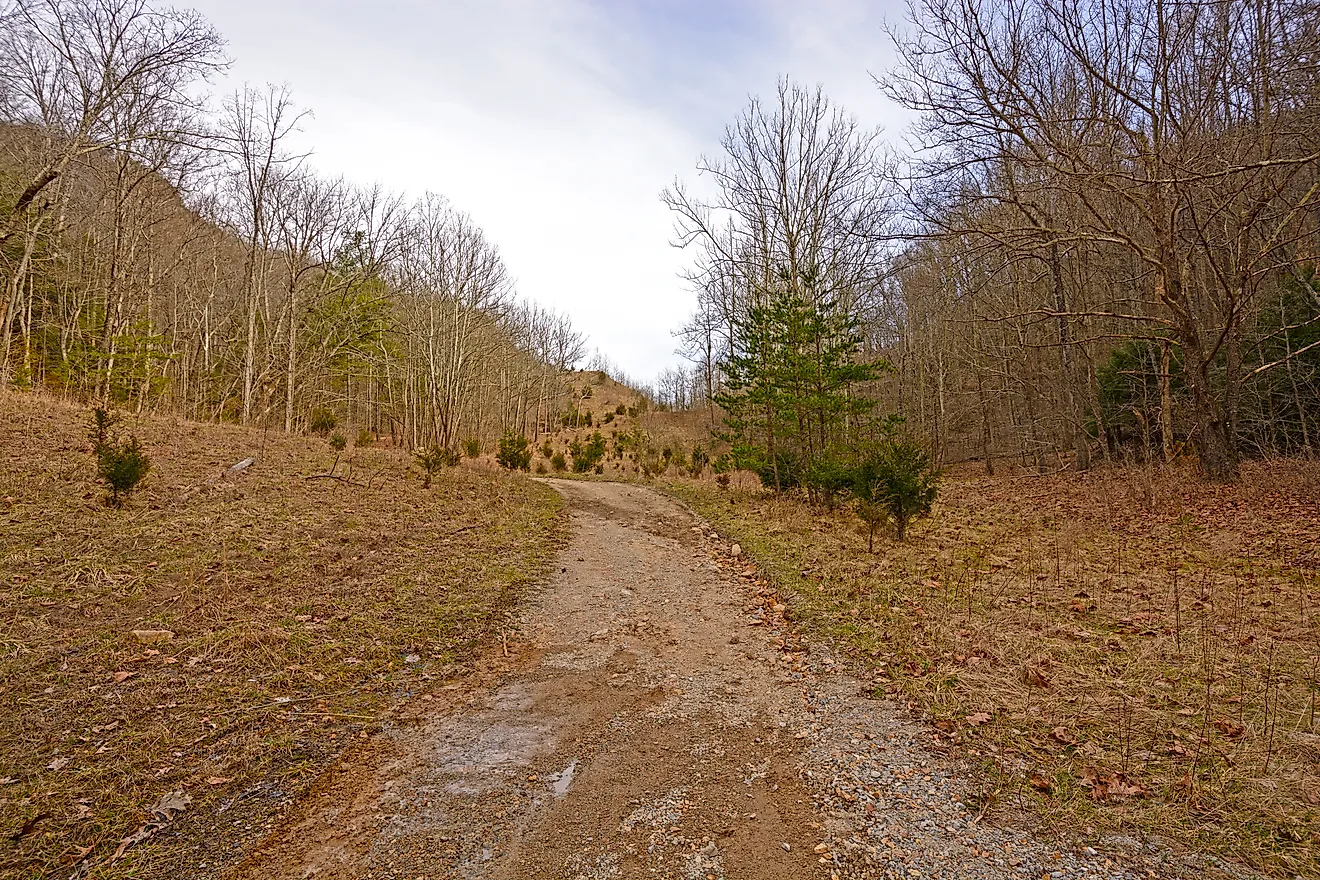
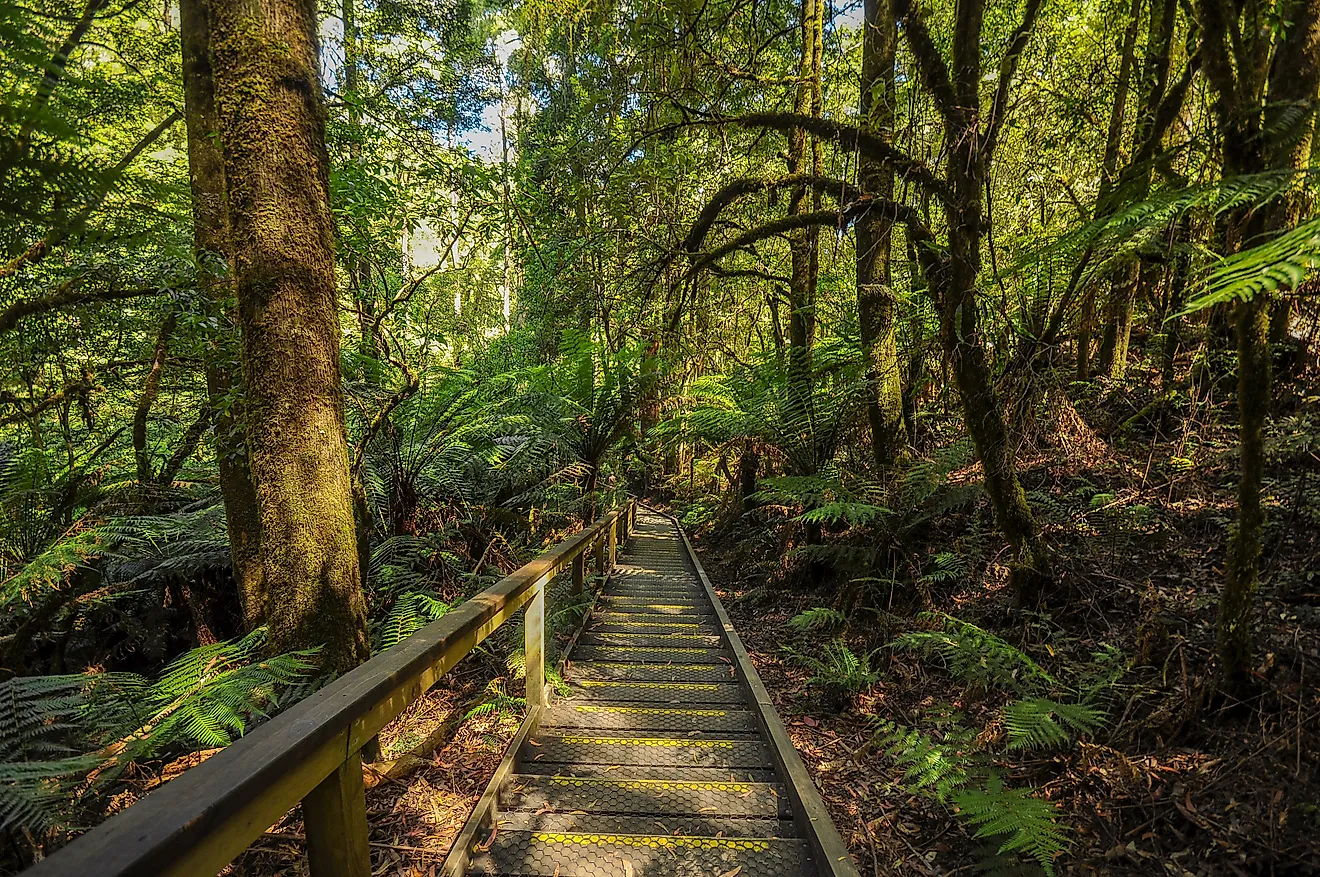
Forests are often less developed with dispersed recreation opportunities and very few facilities. The campsites that are available are usually primitive without running water or electricity. The parking is usually unpaved, and toilets are much simpler than their state park counterparts. Recreation areas feature gravel roads, dirt tracks for biking, and shooting ranges. In some cases, there may also be ranger stations and other staffed facilities.
Activities and Regulations

Finally, it is important to consider what is allowed on the grounds of both state parks and state forests. Due to their intricate missions, their activities and regulations vary considerably. State parks are heavily focused on recreation, with modern campgrounds, picnic areas, playgrounds, and developed hiking trails. Campers enjoy sightseeing, swimming, hiking, and spending time in onsite cabins and RVs. When it comes to rules, dogs are often required to stay on short leashes and may be prohibited from developed areas. Depending on the park, hunting is also usually banned to ensure visitor safety. To spend the night, many state parks require reservations, provide designated areas, and maintain quiet hours to accommodate various camping parties.
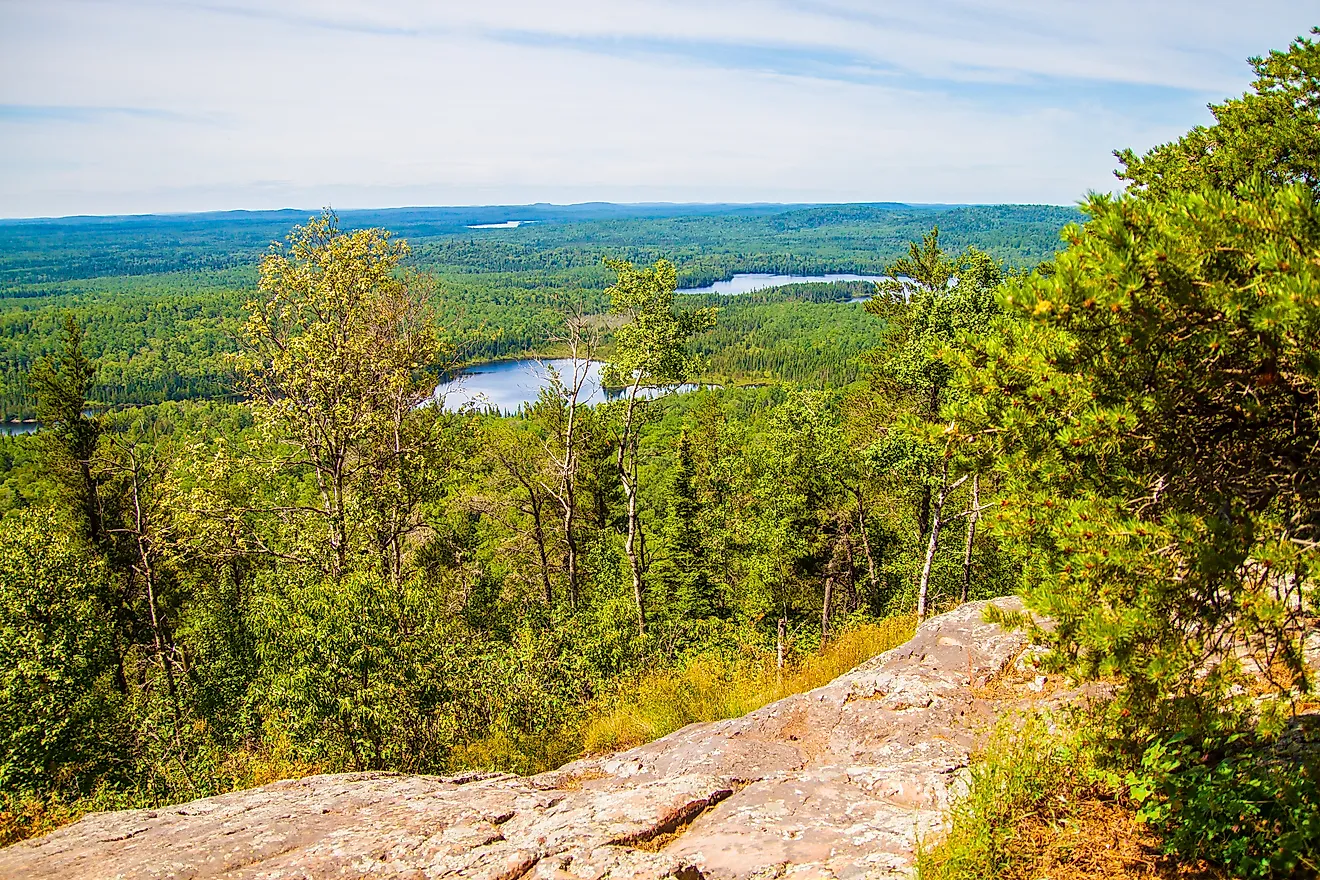
State forests are often more dispersed with a focus on habitat preservation. Due to their multi-use priorities, camping at many state forests is more primitive, with camping areas spaced throughout the landscape. Depending on the location, activities like hunting, fishing, mountain biking, and horseback riding are all permitted on multi-use roads. There are also areas dedicated to timber management, which may lead to temporary trail closures. Though many state forests offer free to low-cost camping, there are also fewer designated staff members available. Amenities such as trash cans are also less common.
Ecological Impact

Perhaps one of the most important differences when it comes to these two crucial institutions is their ecological impact. State parks work to preserve natural and historic environments, while state forests balance timber production, wildlife management, recreation, and other uses. State parks, in particular, work to safeguard threatened plants and animals. By concentrating human activity around marked trails and facilities, state parks work to prevent habitat disruption. On the flip side, natural features like fallen trees may also be removed to maintain visitor safety.
The ecological impact of state forests is quite different. State forests may experience more active landscape management, including timber harvesting, which can create habitat for plant and animal life that thrives in sunlit environments. Timber harvesting can also contribute to age-diverse forests. Practices such as thinning and prescribed burning can also help to maintain ecosystem health and support biodiversity.
Wrapping Up
When it comes to state parks and state forests, it is important to understand that they have very different functions. Though they both work to provide education and recreational opportunities to the public, they accomplish these goals in very different ways. For those looking to enjoy public recreation with top-notch amenities, state parks may be the best choice. For others looking to experience dispersed camping and sustainability, state forests are an appealing option. While they play distinct roles, they both also work to educate the public, manage habitats, and protect the environments that support our world.