How The Forest Came Back After The 1988 Yellowstone Fires
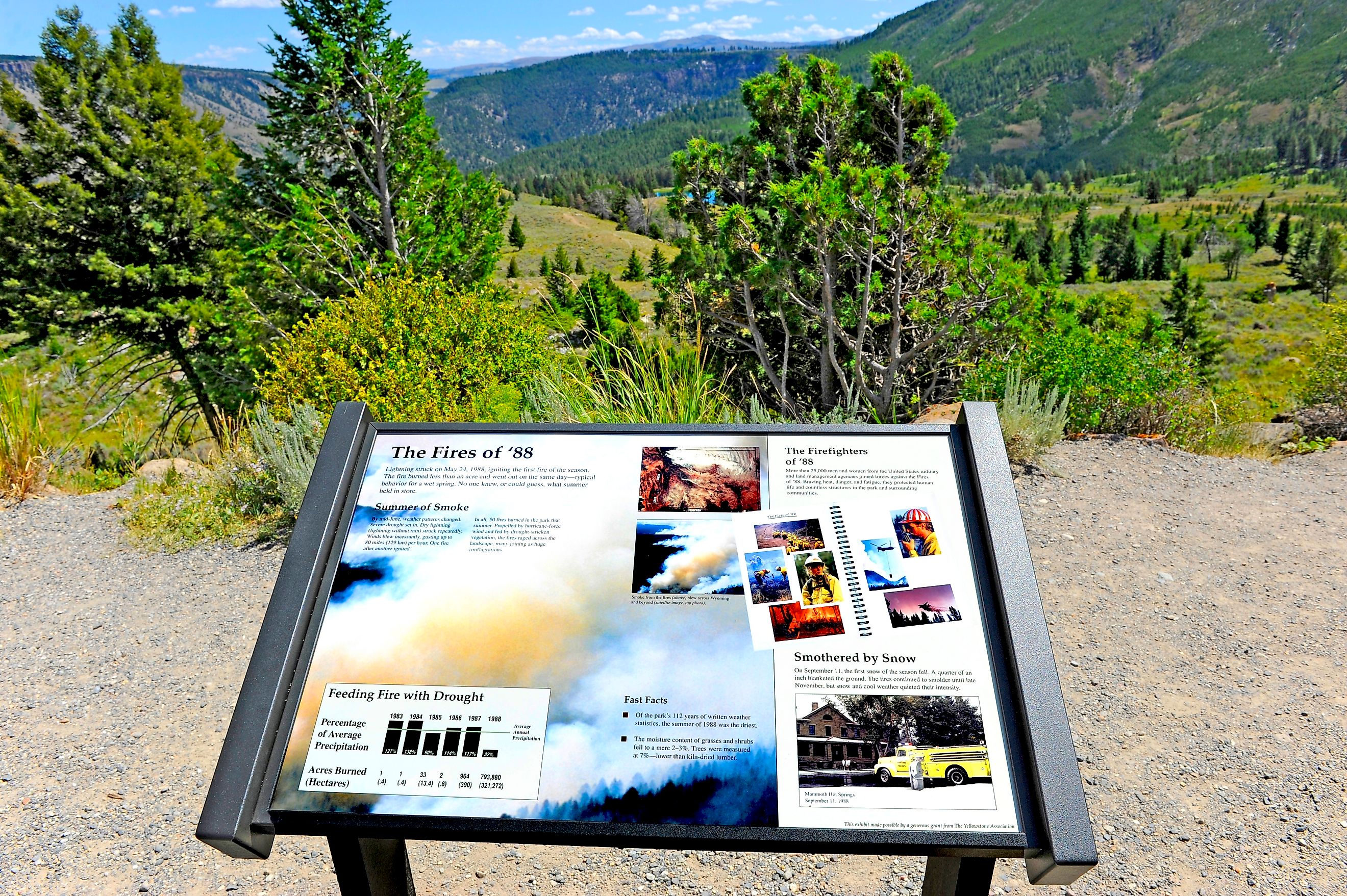
In the summer of 1988, fires burned 793,880 acres of Yellowstone National Park, roughly 36% of its total area. Flames killed trees, blackened hillsides, and changed familiar views across the park. Yet new growth began appearing within days in some burned areas. Decades later, many of those blackened slopes support young forests again, showing how an ecosystem shaped by recurring fires can recover from an exceptionally large fire season.
The recovery did not happen all at once, or in exactly the same way everywhere. Some areas quickly filled with lodgepole pine seedlings, while others remained more open, with grasses and shrubs. The fires left behind a patchwork of burned and unburned land, and that variation helped shape Yellowstone's next generation of forest.
The Fires Left Behind More Than Ash

The 1988 fire season brought unusually dry weather and strong winds to Yellowstone. Almost three months passed without measurable rainfall, and lightning storms ignited fires across the region. By the time autumn snow and rain ended the fires in September, approximately 1.4 million acres had burned across the Greater Yellowstone Ecosystem, including the 793,880 acres inside the national park.

Despite the scale of the fires, much of the landscape survived below the surface. Fire intensity varied from place to place, and some areas experienced only partial burning. National Park Service (NPS) observations found that temperatures high enough to kill deep roots occurred in less than 0.1% of the park. In many locations, flames consumed vegetation aboveground but left roots, bulbs, and other plant structures capable of producing new growth.

That distinction matters because a hillside could look lifeless after a fire, even when its soil still held the biological foundations for recovery. Where moisture was available, plants began growing again within days. In drier locations, underground structures and seeds had to wait until rainfall returned or the following spring.
The unburned patches also played an important role. Areas that escaped the flames preserved mature trees, vegetation, and shelter for wildlife. They helped maintain habitat during the immediate aftermath and provided seed sources for some plants. Because the fires did not burn every acre equally, these surviving pockets helped keep the landscape connected rather than leaving one continuous stretch of damaged ground.
Lodgepole Pines Had A Head Start

Lodgepole pine forests cover large parts of Yellowstone, and the species has adaptations that help it regenerate after a fire. Some lodgepole pines produce serotinous cones, which remain sealed with resin until heat opens them. A fire can release the seeds onto newly exposed ground, where sunlight and reduced competition create favorable conditions for seedlings.
The burned landscape also provided the ingredients young trees needed. With much of the forest canopy gone, sunlight reached the ground, and ash and decomposing plant material contributed nutrients to the soil. Moisture remained essential, but the combination of open space and available seeds helped lodgepole pine return across many burned sites.

Not every burned stand regenerated equally well. Lodgepole pines do not all produce serotinous cones, and seed availability varies between locations. Research following the 1988 fires found that some previously dense, even-aged stands regenerated effectively, while other areas developed fewer seedlings. The pattern depended partly on the forest that existed before the fire and the conditions left behind afterward.
The distance from surviving seed sources could also influence how quickly trees returned. Where mature trees survived along the edges of a burn or within unburned islands, they could supply seeds to surrounding areas. Larger burned areas with few surviving seed-producing trees had fewer immediate sources. This helps explain why two hillsides exposed to the same fire season could develop at noticeably different rates.
Wildflowers And Grasses Returned Before The Trees

Trees took years to grow tall enough to change the view, but smaller plants responded much sooner. Grasses, wildflowers, and other vegetation began returning as soon as moisture allowed. Many of these plants survived because their roots and underground growing structures escaped the worst of the heat.
In the first few years after the fires, Yellowstone experienced abundant wildflower growth in some burned areas. The NPS attributes this response partly to favorable precipitation and the short-term release of nutrients from burned vegetation. These plants helped cover exposed ground long before young trees could rebuild a forest canopy.

The result was not simply a return to the vegetation that existed before 1988. Removing the canopy created opportunities for plants that had been shaded out, and some burned areas developed into different combinations of grasses, shrubs, and young trees. The fires reshaped habitats across the park rather than producing one uniform type of regrowth.
This early vegetation also helped stabilize the recovering landscape. Plant roots held soil in place, and new growth provided food for insects and grazing animals. As shrubs and grasses spread, they created feeding areas that differed from the shaded forest that had existed before the fires. These changes helped the ecosystem function even before the trees had grown tall.
Wildlife Adapted to the Changing Landscape
The fires also changed wildlife habitat, but most Yellowstone animal populations did not suffer lasting declines from the fires themselves. Relatively few animals died as a direct result of the fires, and most of those deaths were caused by smoke inhalation. Many animals moved into unburned areas or continued using burned ground. Some species benefited from the new growth and open conditions that followed.

Moose were the exception. Their population declined after 1988, and the loss of willow and subalpine fir reduced available winter browse. With much of the forest canopy gone, deeper snow also made winter feeding more difficult. These conditions likely contributed to increased moose mortality during the winter of 1989. Elk, bison, and deer populations soon rebounded.

As vegetation returned, the landscape offered a changing mix of food and shelter. Standing dead trees provided nesting cavities, while fallen trunks offered cover and habitat for smaller animals. Those trees also returned nutrients to the soil as they decomposed. Even the remains of the burned forest continued to play a role in the ecosystem's recovery.
The Forest Took Decades To Rebuild

The first green shoots appeared quickly, but rebuilding a forest canopy required much more time. Young lodgepole pines needed years to grow, and burned areas developed at different rates depending on fire severity, seed supply, soil conditions, and moisture.
Satellite images have documented that gradual change. NASA's Landsat imagery shows the burned landscape in western Yellowstone shifting from the dark scars visible after the fires to increasingly green vegetation over the following decades. By 2008, many areas showed substantial regrowth, although the images also reveal that recovery varied across the burn scars.

Today, young forests have filled in many of the open views created by the 1988 fires. Some stands still look different from the forests that preceded them, and the next generation of trees does not reproduce the exact arrangement of the old one. That variation is part of the process: fire changes the conditions under which plants grow, and the resulting forest reflects those changes.
Yellowstone's Recovery Shows What Fire Can Do

The 1988 fires were an extraordinary event, but fire itself is not unusual in Yellowstone. The park's vegetation has evolved alongside recurring fires, and some forest types depend on periodic burning to renew plant communities and create varied habitats. The NPS notes that fire has shaped Yellowstone's landscape for thousands of years.
The recovery also influenced how land managers and the public understood wildfire. After the fires, scientific observations reinforced the role of natural fire in park ecosystems and informed changes to Yellowstone's fire management plan. The park adopted a revised plan in 1992 that incorporated recommendations from a national review of fire policy.
Yellowstone did not simply grow back as it had been. It developed a new patchwork of forests, meadows, and habitats, shaped by the 1988 fires and the decades of growth that followed. The blackened slopes became a reminder that a forest can change dramatically without losing its ability to regenerate.