The Most Biodiverse Forests in the United States
A single national park in the southern Appalachians may hold as many as 100,000 species, more salamander varieties than almost anywhere on Earth, alongside black bears, elk, and 1,650 kinds of flowering plant. The Great Smoky Mountains are the most biodiverse park in the country, but they're not alone. Across the United States, a handful of forests pack in staggering concentrations of life: Alaska's salmon-fed rainforest, California's 300-foot redwood canopies with their own sky-high ecosystems, Florida's alligator-filled cypress swamps, and an Oregon-California mountain belt with more conifer species than nearly anywhere on the planet. These are the richest wild places in America, and the ones with the most to lose.
The Great Smoky Mountains

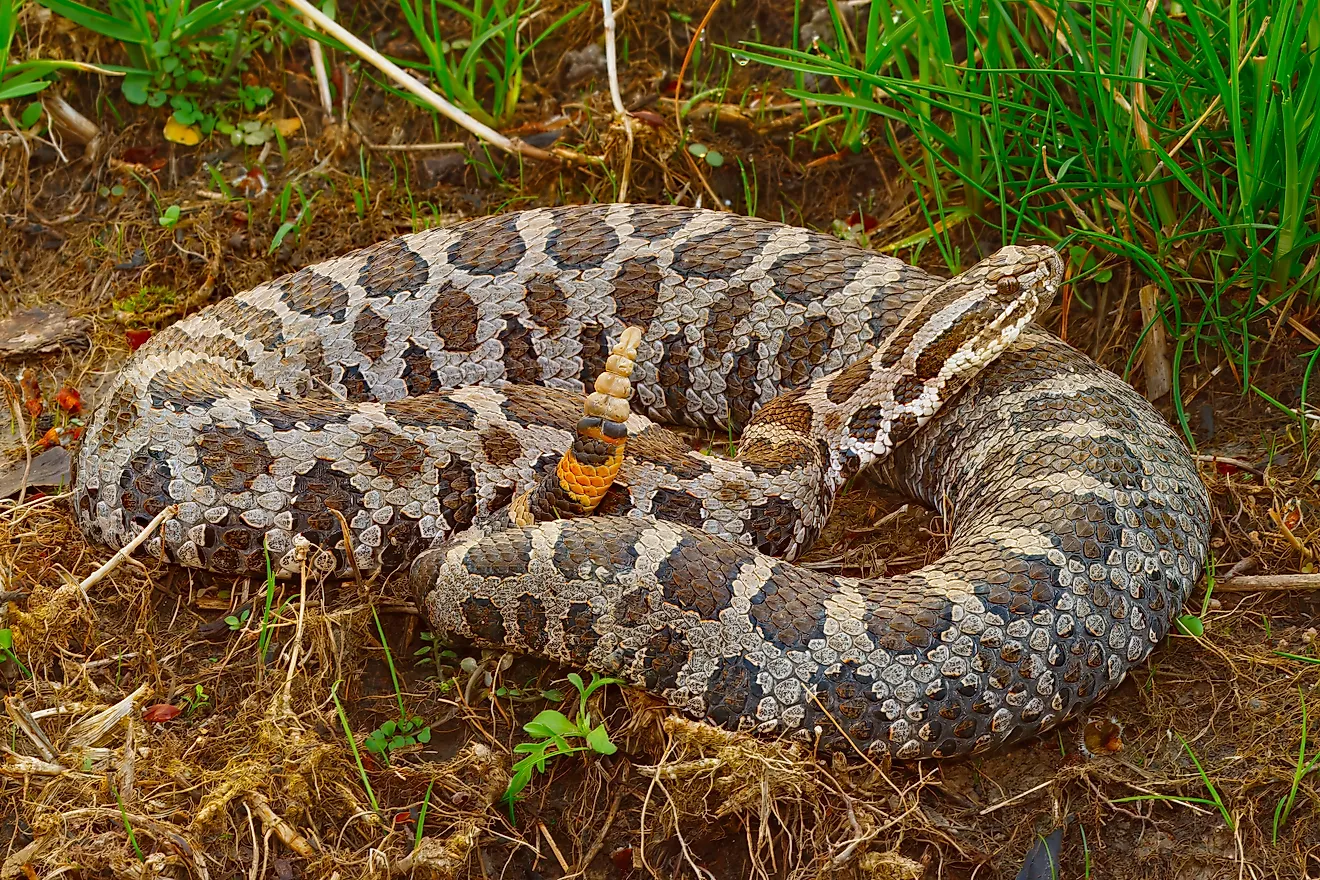
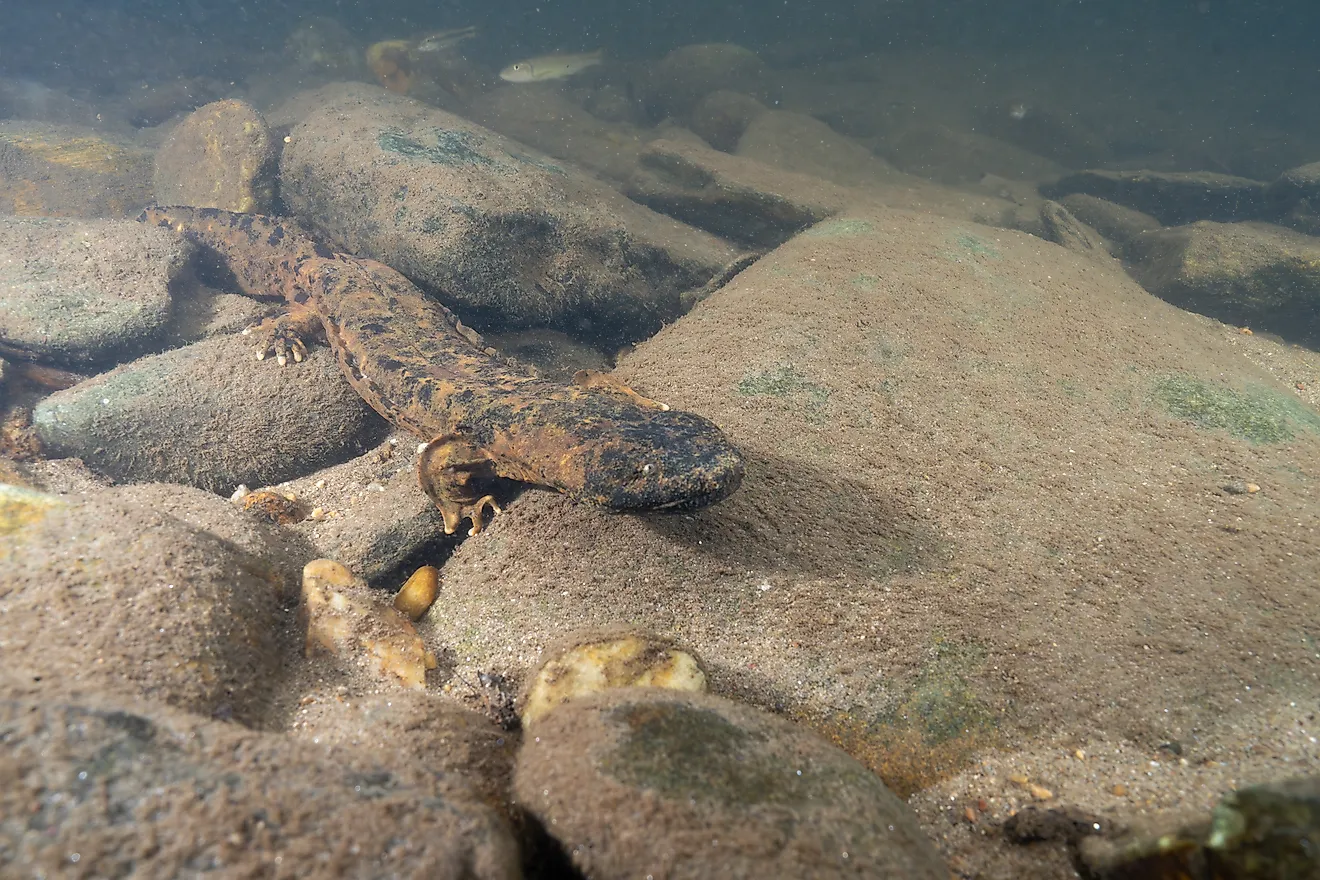
Between Tennessee and North Carolina, Great Smoky Mountains National Park is widely considered the most biodiverse national park in the United States. Scientists have documented about 19,000 species and estimate that up to 100,000 may live there. The park contains more than 1,650 flowering plants, over 500 mosses, more than 200 bird species, 68 mammals, 67 native fish, and 39 reptiles. Its 25 documented salamander species give the Smokies one of the world’s richest salamander communities. Elevations from about 875 to more than 6,600 feet create multiple climate zones, supporting forests, streams, meadows, and wildlife such as black bears, elk, songbirds, brook trout, and rare plants.
Congaree

Congaree National Park in South Carolina protects the largest intact old-growth bottomland hardwood forest remaining in the southeastern United States. Seasonal flooding from the Congaree and Wateree Rivers deposits nutrient-rich sediment across the floodplain, sustaining giant trees, wetlands, oxbow lakes, and dense forest habitat. Scientists have documented at least 1,220 species, including 191 birds, 71 fish, 45 reptiles, 33 amphibians, and 37 mammals. The park’s canopy is among the tallest temperate forest canopies in the world, with champion trees rising above a swampy, slow-moving landscape. Visitors may see river otters, barred owls, wild turkeys, pileated woodpeckers, turtles, frogs, and wading birds while hiking boardwalks or paddling Cedar Creek.
Coconino National Forest

Coconino National Forest in northern Arizona covers nearly two million acres and spans desert grasslands, ponderosa pine forests, red rock canyons, volcanic peaks, and alpine tundra. This steep ecological range supports more than 500 vertebrate species, including more than 300 bird species and about 100 mammal species. Mule deer, elk, black bears, mountain lions, coyotes, bobcats, raptors, reptiles, and migratory birds all use the forest’s varied habitats. Biodiversity here is driven by sharp changes in elevation, geology, temperature, rainfall, and soil. Visitors should prepare for rapid weather shifts, heat, dehydration risk, storms, and rugged terrain, especially when moving between low desert areas and higher mountain zones.
Redwood National and State Parks

Redwood National and State Parks in Northern California protect ancient coast redwood forests, coastal prairies, rivers, streams, wetlands, and Pacific shoreline. The parks are famous for the world’s tallest trees, but their biodiversity extends from the forest floor to the high canopy. Ferns, mosses, lichens, salamanders, birds, and invertebrates live in old-growth redwood ecosystems, including canopy habitats more than 300 feet above ground. Roosevelt elk graze near meadows and roadways, while black bears, coyotes, mountain lions, river otters, amphibians, and salmonids occupy surrounding habitats. More than 400 bird species have been recorded in the region, and rare species such as the marbled murrelet and northern spotted owl depend on mature forest conditions.
Everglades Mangrove and Cypress Forests

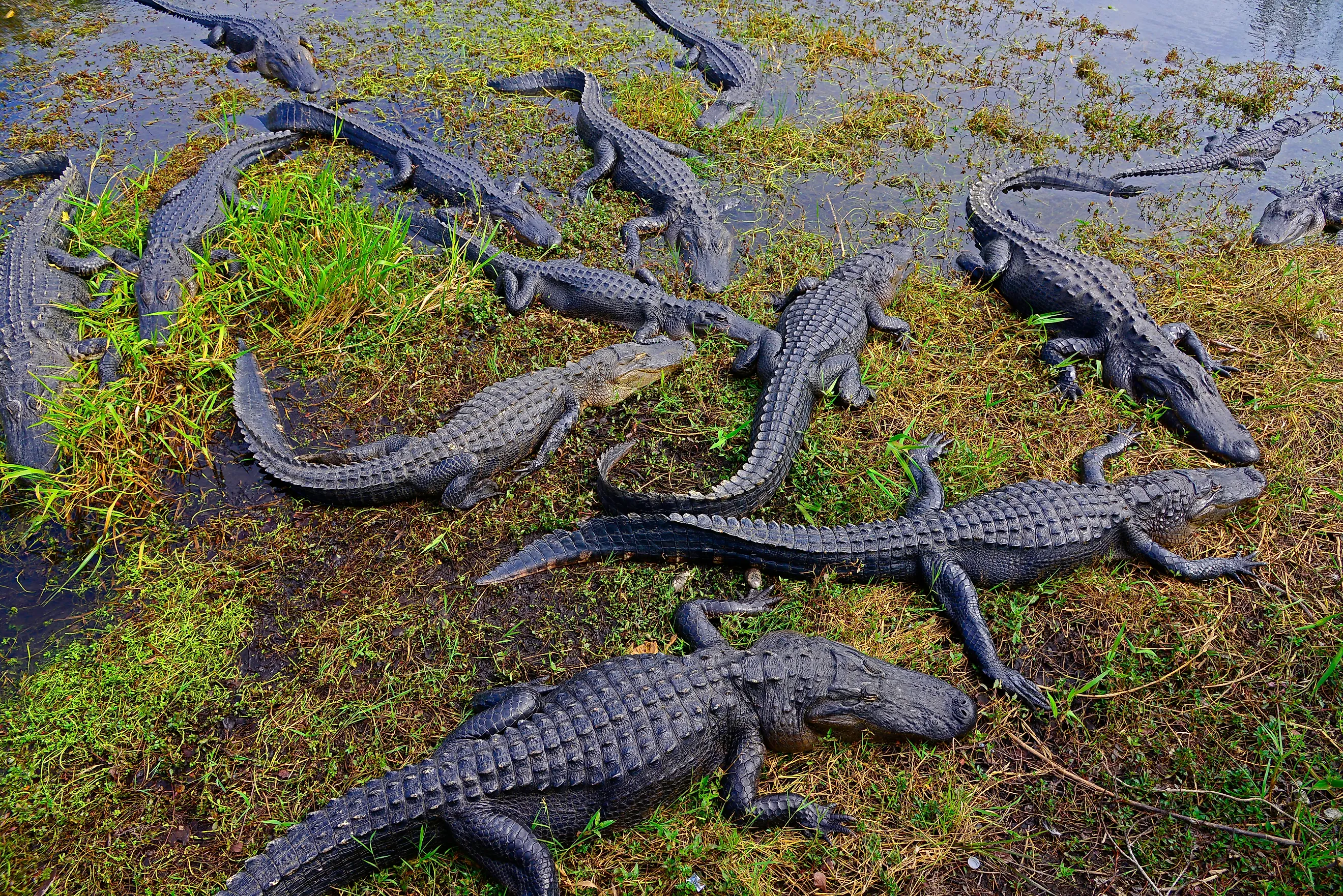
The Everglades are not a single forest, but their mangrove forests, cypress swamps, hardwood hammocks, and sawgrass wetlands form one of the most biologically important landscapes in the United States. The ecosystem supports more than 350 bird species, over 200 fish species, at least 35 mammal species, and more than 30 threatened, rare, or endangered species. American alligators, crocodiles, manatees, wading birds, turtles, snakes, panthers, and countless aquatic species depend on its water-driven habitats. Biodiversity here is tied to seasonal water flow, which shapes food webs, nesting patterns, vegetation, and predator-prey relationships. Water management, invasive species, sea-level rise, and habitat loss remain major threats.
Tongass National Forest

Tongass National Forest in Southeast Alaska is the largest national forest in the United States and one of the world’s great temperate rainforests. Its old-growth spruce, cedar, and hemlock forests connect with muskeg wetlands, glacial fjords, rivers, estuaries, islands, and coastal waters. The forest supports bald eagles, brown bears, black bears, wolves, Sitka black-tailed deer, mountain goats, harbor seals, whales, and all five species of Pacific salmon. Salmon are central to the ecosystem because they move marine nutrients into streams and forests, feeding bears, birds, scavengers, and soil organisms. Travelers often experience biodiversity through kayaking, bear viewing, fishing, rainforest trails, and wildlife cruises.
Olympic National Park

Olympic National Park in Washington protects temperate rainforests, lowland forests, alpine meadows, glacier-capped peaks, rivers, lakes, and rugged Pacific coastline. This compressed ecological range supports exceptional biodiversity, including more than 1,100 plant species and a wide mix of mammals, birds, fish, amphibians, reptiles, marine life, and invertebrates. The Hoh Rain Forest is the park’s best-known forest habitat, with heavy rainfall feeding moss-draped Sitka spruce, western hemlock, ferns, nurse logs, fungi, and salmon-bearing streams. Roosevelt elk, black bears, banana slugs, owls, woodpeckers, amphibians, and migratory birds are common symbols of the park’s biological richness. Few U.S. forests combine rainforest, mountain, river, and coastal ecosystems so tightly.
Klamath-Siskiyou Forests

The Klamath-Siskiyou forests of northern California and southern Oregon form one of North America’s most important temperate biodiversity hotspots. Complex mountains, old-growth forests, oak woodlands, serpentine soils, wild rivers, and mixed conifer stands create habitats for exceptional plant and animal diversity. The region contains more than 3,500 plant species, over 200 endemic plants, and one of the world’s richest concentrations of conifer species. Its rivers and tributaries support Chinook salmon, coho salmon, steelhead, green sturgeon, frogs, salamanders, mollusks, and aquatic insects. The area’s unusual geology and long climate history helped many species persist through environmental change, making it a refuge for rare plants, fish, amphibians, and old-growth wildlife.
Sequoia and Kings Canyon National Parks

Sequoia and Kings Canyon National Parks protect giant sequoia groves, mixed-conifer forests, foothill woodlands, meadows, caves, rivers, alpine lakes, and high Sierra peaks. Their elevation range rises more than 13,000 feet, creating habitats for more than 1,300 native plant species and nearly 300 native animal species. Giant sequoias are the parks’ signature trees, but biodiversity also depends on chaparral, oak woodland, wetlands, montane forest, subalpine forest, and alpine zones. Wildlife includes black bears, mule deer, marmots, woodpeckers, bats, mountain yellow-legged frogs, songbirds, raptors, and many invertebrates. The parks are also International Biosphere Reserves, reflecting their importance for conservation, research, and long-term ecosystem protection.
Apalachicola National Forest

Apalachicola National Forest in Florida protects longleaf pine forests, wet pine flatwoods, savannas, cypress areas, pitcher plant bogs, hardwoods, and inland swamps. Fire-maintained longleaf pine habitat makes the forest especially important for rare plants and wildlife adapted to open, sunny, frequently burned landscapes. The Apalachicola Savannah Research Natural Area contains herbaceous groundcover with more than 100 native wildflower species, including orchids, insectivorous plants, grasses, and sedges. The forest also supports gopher tortoises, amphibians, reptiles, wading birds, songbirds, and the federally threatened red-cockaded woodpecker, which nests in mature living pines. Visitors find biodiversity through birding, spring wildflowers, carnivorous plants, paddling routes, trails, and quiet backcountry habitats.
The Future of America’s Biodiversity Hotspots
These forests show how unevenly biodiversity is distributed across the United States. Their richness depends on elevation, rainfall, geology, fire, flooding, old-growth structure, coastal influence, and long ecological history. They also face growing pressure from climate change, habitat fragmentation, invasive species, altered fire patterns, water management, and recreation. Protecting them requires continued research, habitat restoration, responsible tourism, and conservation policies that preserve rare species and ecosystem function. For travelers, these forests offer a direct way to experience some of the country’s most distinctive wild places while seeing why biodiversity protection matters.