The Time Of Day Most Snakebites Happen
Afternoon and early evening. That is the answer across every source that has looked at it, and the reason is not complicated: it is when snakes are active and when people are outside. A federal study from 1959 broke American snakebites into three-hour blocks and found 8.9 percent happening between 6 and 9 in the morning against 17.2 percent between 9 and noon, with the curve still climbing. Nothing since has contradicted the shape of it.
The Overlap Is The Whole Explanation

Two activity curves have to cross for a bite to happen, and they cross in the late afternoon.
Most bites happen in the afternoon and early evening, when both snakes and people are most active. Safety guidance tells people to stay alert during exactly that window.
A snake out at three in the morning is unlikely to meet anybody. A person out at three in the afternoon is very likely to meet a snake.
Rattlesnakes Work Dawn And Dusk

The pattern shifts slightly depending on which species is doing the biting.
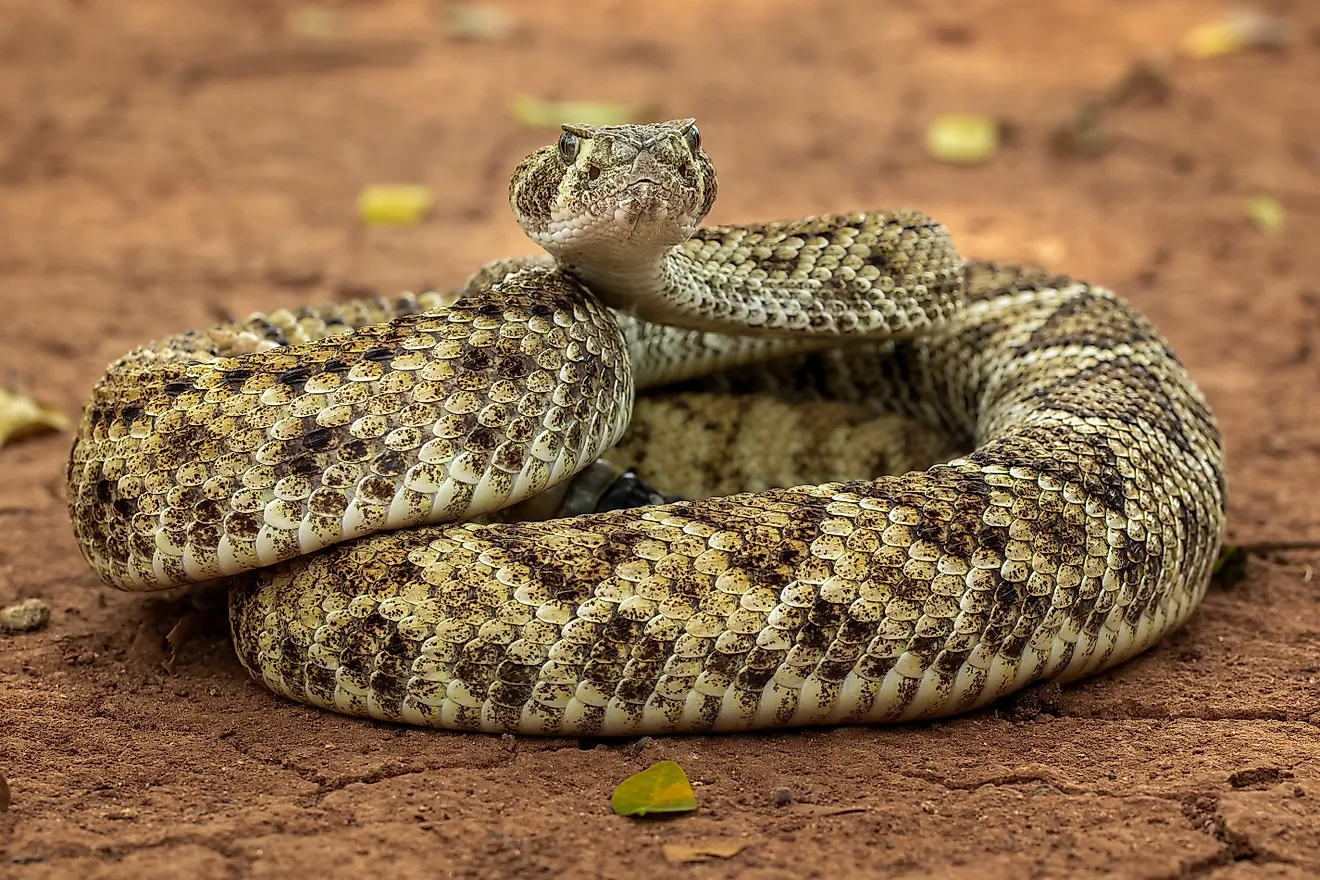
Rattlesnake bites typically occur at dawn and dusk, during the snake's natural predatory activities. That is a hunting schedule rather than a basking one.
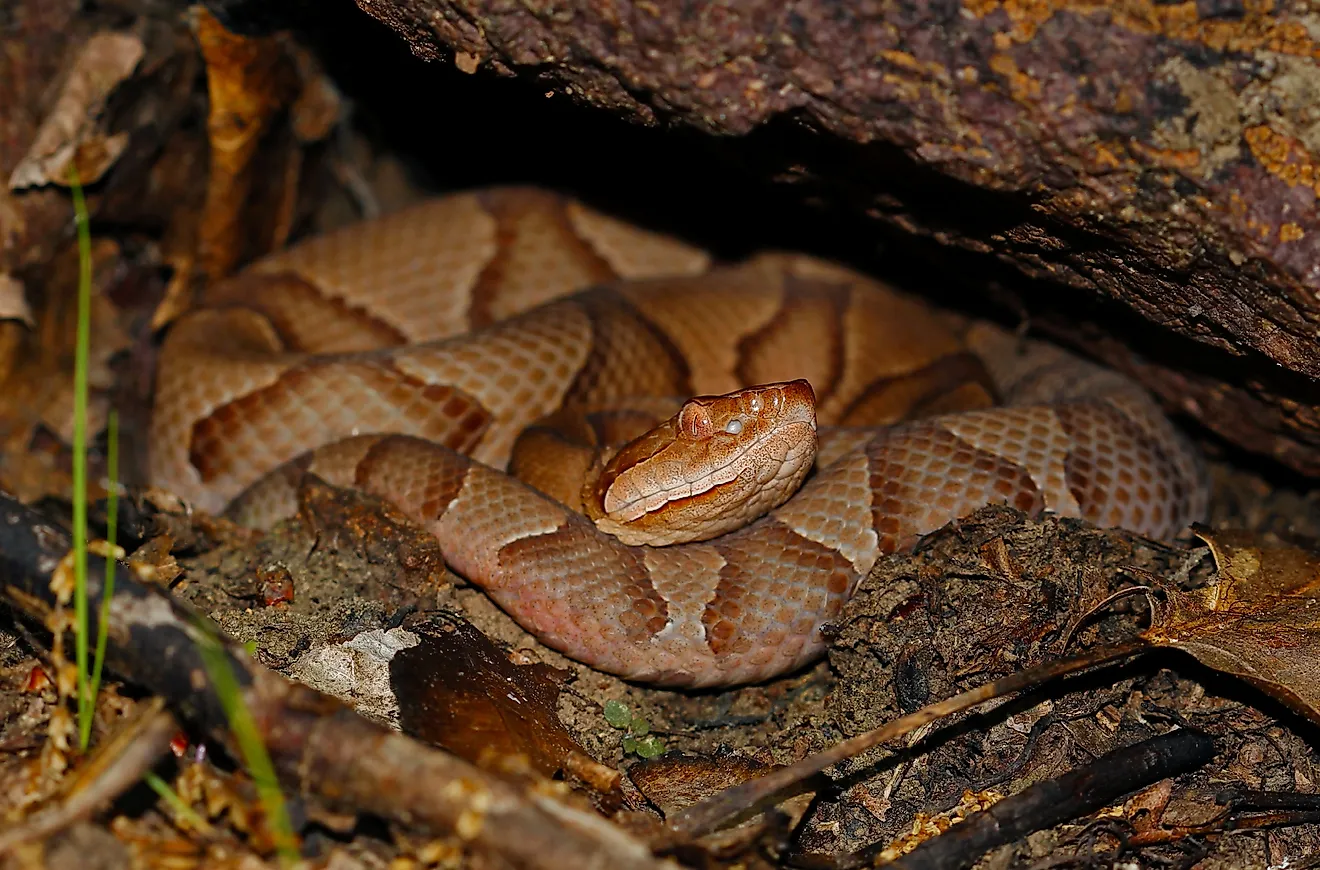
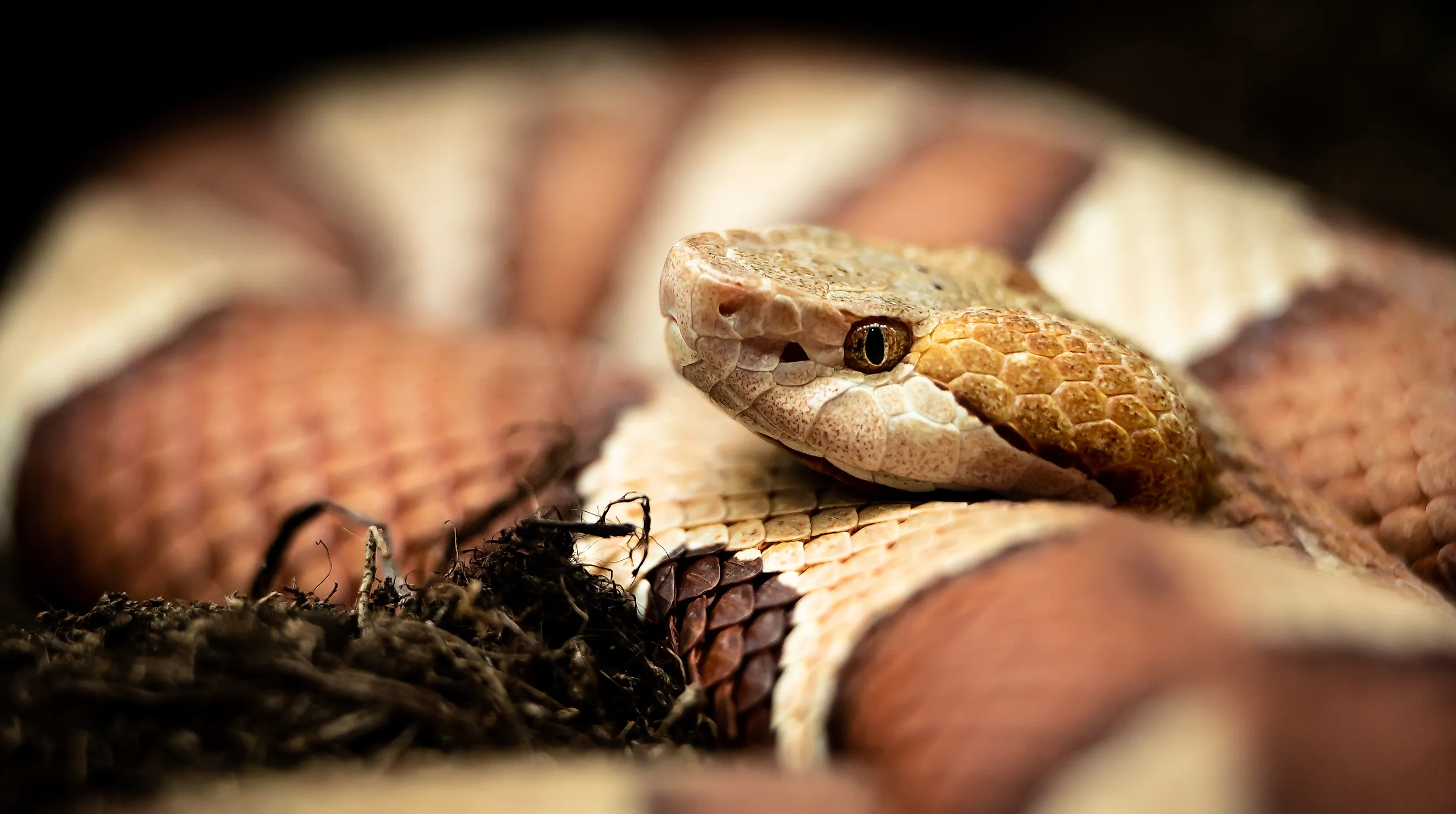
Copperheads are different again, with bites around campsites and trails in the evening when the snakes become active. The species doing the biting changes the hour.
Temperature Sets The Schedule

Everything about when a snake is where follows from the fact that it cannot make its own heat.
Snakes are poikilothermic and most active in hot weather. In high summer that pushes activity toward the cooler ends of the day rather than midday, which is why desert rattlesnakes shift nocturnal in July and August.
The same animal that basks at ten in the morning in May hunts at nine at night in August.
Ninety-Five Percent Fall In One Half Of The Year

Time of year is a stronger predictor than time of day, and the figure is stark.
More than 95 percent of American bites occur between April and October. July and August are the peak months.
That seasonal window coincides with when snakes are most abundant and active, and with when people are most active outdoors. Both halves matter.
The 1959 Study Still Describes It

The most detailed American breakdown by hour is also the oldest.
A federal incidence study estimated about 6,680 people treated for venomous snakebite in 1959, a rate of 3.74 bites per 100,000 population. It recorded the share of bites in each three-hour period, starting at 8.9 percent for 6 to 9am and rising to 17.2 percent for 9am to noon.
Nothing published since has improved on that granularity, which is why modern guidance describes afternoon and evening rather than citing percentages.
Hands And Feet Take Almost All Of Them

Where a bite lands says something about how it happened.
Ninety-seven percent of bites occur on the extremities. The 1959 figures split that as 38 percent upper and 58 percent lower.
Lower-limb bites are feet going where a snake already is. Upper-limb bites are hands reaching into something, which is a different mistake made at a different moment.
Young Men Get Bitten Most

Demographics narrow the picture further than the clock does.
The majority of bite victims are between 10 and 30 years old, typically those who spend the most time outdoors.
That age band overlaps heavily with the afternoon and evening window. It is the same behavior described twice.
Some Bites Are Entirely Avoidable

A meaningful share of American snakebites involve deliberate contact.
Illegitimate bites, meaning those involving pet snakes or people handling wild snakes, make up a documented category separate from accidental encounters.
Those happen whenever the person decides to pick the snake up, which spreads them across the day in a way accidental bites are not.
Not Every Bite Delivers Venom

The headline bite count overstates the number of serious cases considerably.
Around 20 to 45 percent of snakebites actually envenomate the victim. The rest are dry bites that still require evaluation but deliver no venom.
Of around 7,000 to 8,000 venomous bites a year in the United States, about five result in death, a figure that antivenom is responsible for.
Evening Is Also When Help Is Slower

There is a practical reason the time of day matters beyond when the bite occurs.
A bite in the late afternoon on a trail means the walk out happens in fading light. Most bites land on hands or feet, which are the parts people need to use to get back.
Prompt treatment is the single factor that makes American bites survivable. The hour that produces the most bites is also the hour that makes reaching a hospital harder.
The Short Answer

Afternoon and early evening, with rattlesnake bites skewing toward dawn and dusk because that is when those snakes hunt. More than 95 percent of all American bites fall between April and October, peaking in July and August, and 97 percent land on a hand or a foot.
The clock is really a proxy for two overlapping schedules. Snakes come out when the temperature suits them and people come out when they finish work, and in the warm half of the year those two things happen at the same time.