The Rivers Where Flathead Catfish Have Taken Over
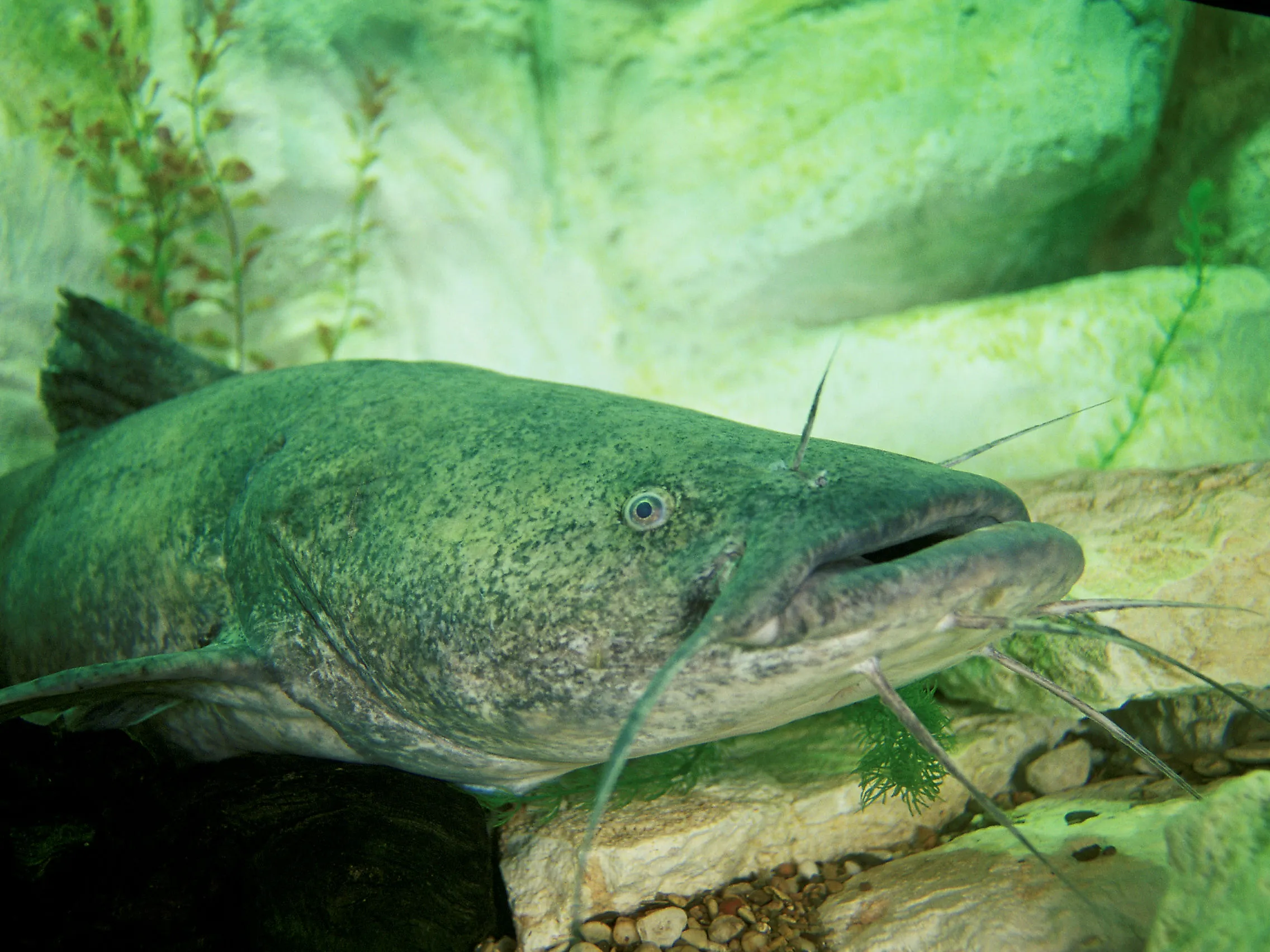
Eleven flathead catfish released near Fayetteville, North Carolina, in 1966 helped turn the Cape Fear River into a trophy fishery. Within roughly 15 years, flatheads had become the river's dominant catfish by weight, and the smaller native catfish had suffered steep declines.
The same species has spread through Georgia's sunfish rivers and established itself in Philadelphia's Schuylkill. Farther west, introduced flatheads now complicate efforts to restore native fish in the lower Colorado. These are American fish transplanted into waters outside their native range. Adults eat primarily live fish, and they often occupy deep, slow stretches beside submerged logs. Sunfish and smaller catfish become prey for an introduced predator capable of exceeding 100 pounds.
Cape Fear River, North Carolina

A decisive stocking came in 1966, when North Carolina released those 11 adults into the main Cape Fear near Fayetteville. The aim was a new fishing opportunity, and the fish reproduced. By about 1980, their descendants occupied roughly 125 miles of river. Flatheads accounted for nearly 65 percent of the total fish weight in historical samples, despite representing only about 11 percent of the fish counted.
Early examinations of flathead stomachs found other catfish among their principal prey, and comparisons with earlier collections showed particularly severe losses among native bullheads. The Cape Fear remains one of North Carolina's best-known flathead fisheries, with anglers targeting a predator that feeds primarily on live fish.
Satilla River, Georgia

Flatheads first confirmed in the Satilla in 1996 carried a revealing clue: fin clips resembling those applied to fish in the Altamaha the previous year. Biologists suspect someone moved the marked fish into a different river. The Satilla was already prized for redbreast sunfish, the colorful panfish generations of anglers came to catch.
Flatheads spread between Waycross and the brackish water near Woodbine. Native fish declined, and Georgia began intensive removal with a dedicated crew in 2007. Electrofishing equipment temporarily stuns catfish so workers can net the unwanted species. The average flathead removed fell from 5.8 pounds in 2007 to 0.8 pound in 2018. Continued removal has become part of protecting the Satilla's sunfish fishery; allowing the flathead population to rebuild would undo that work.
Altamaha River, Georgia

On the Altamaha, flatheads became popular enough to complicate their own removal. Georgia tried experimental removals during the 1990s to help native redbreast sunfish and bullheads. The effort ended amid budget reductions and changing angler attitudes, with the river's sheer size also making control difficult.
The invasion had developed upstream. Flatheads were documented in the Ocmulgee in the early 1970s and eventually colonized the entire Altamaha system. In 2020, monitoring crews were catching about 112 flatheads per hour of electrofishing. Earlier stomach examinations found sunfish-family fish and other catfish dominating their meals.
The main Altamaha has no dams, and its broad channel carries the joined waters of the Ocmulgee and Oconee toward the Atlantic near Darien. Flatheads are now established fishing targets there. Georgia's fishing forecasts list them among the river's best bets, decades after managers first tried to reduce their numbers.
Edisto River, South Carolina

Native flat bullheads declined in the Edisto after the much larger flathead catfish arrived. These smaller catfish typically reach only about a foot long in rivers. Flatheads were first documented around Canadys in 1989, and a state fisheries presentation describes the river as fully colonized by 2000. They favor deep, slow water beside fallen trees and undercut banks. Flatheads feed primarily on fish and become more active as daylight fades.
Redbreast sunfish have also suffered, although drought and associated habitat changes contributed to their decline. At Givhans Ferry State Park, anglers can fish the Edisto for both redbreast sunfish and the introduced flatheads that prey on them.
Schuylkill River, Pennsylvania

Flatheads were first detected at Philadelphia's Fairmount Dam in 1999. Surveys of the tidal river beginning in 2004 subsequently documented increasing abundance, and the fish expanded upstream through the river system.
The Schuylkill flows into the Delaware, giving this population a foothold in a much larger Atlantic drainage. A 2021 analysis of Pennsylvania's invaded rivers found flatheads generally more abundant closer to their original detection points, with numbers thinning farther away as the fish spread.
A 2024 genetic analysis found that Schuylkill flatheads differed from those in the Susquehanna, suggesting separate introductions. The evidence was consistent with populations founded by relatively few fish, with strong genetic connections among fish within each river system.
Lower Colorado River, Arizona And California
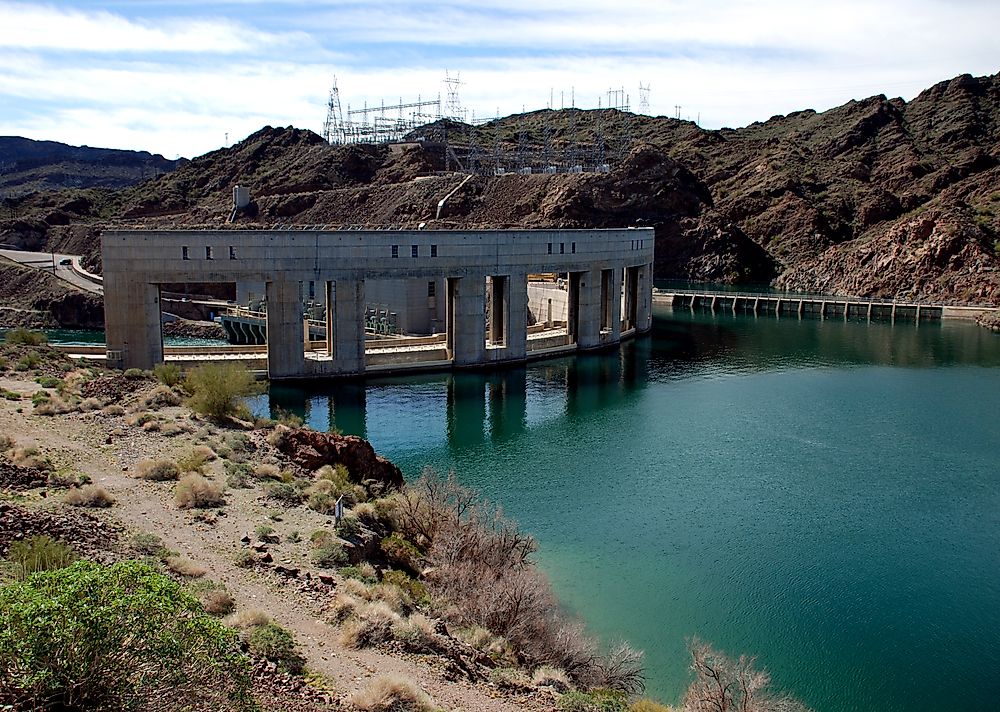
Arizona stocked about 600 flatheads above Imperial Dam in 1962. The population reproduced and spread, eventually reaching California's Imperial Valley canal system. The fish are now widespread in the lower Colorado basin, with detections extending upstream to the Needles area.
For native razorback suckers, the predator's mouth is a particular problem. Conservation programs raise suckers before releasing them, helping the fish survive predators that cannot swallow larger prey. Big flatheads can swallow fish large enough to defeat that protection.
The sucker recovery program releases fish at least 12 inches long. Yet a 2024 federal fisheries report noted that a flathead roughly that same length could swallow a sucker of the minimum stocking size. Flatheads longer than about 28 inches could potentially eat even the largest razorback suckers.
On the Satilla, removing large flatheads has left biologists watching a smaller fish closely: the young female already capable of spawning. In 2017, they found a female carrying eggs at just 7.5 inches long. Maturing at smaller sizes may help the population withstand heavy removal, which is why the work must continue even after the average catch shrinks. The genetic evidence in Pennsylvania points to another difficulty: relatively few introduced fish may be enough to establish a spreading population. The Cape Fear's eleven-fish stocking gives that risk a concrete scale. North Carolina wildlife officials specifically ask anglers never to move flatheads between waters.