Which Western City Runs Out Of Water First
One already did. On January 1, 2023, the city of Scottsdale shut off the water supply to Rio Verde Foothills, an unincorporated community of about a thousand people immediately north of its limits. Roughly a quarter of residents had been hauling water from Scottsdale standpipes, around 117 acre-feet a year, and the taps closed with a year of warning. It took until January 1, 2026 for a permanent replacement to open. That is the honest answer to the question, and it is not the one anybody expects, because the places that run out of water in the West are not cities.
It Happened Because Nobody Was Responsible

The Rio Verde case was not caused by drought so much as exposed by it.
Rio Verde Foothills sits in unincorporated Maricopa County, which permitted home building across several decades without an assured water supply. It has no water main network and no utility of its own. Residents rely on private wells or on hauled water.
Arizona law requires subdivision developers to prove a 100-year water supply before building. Splitting land into parcels small enough to avoid the definition of a subdivision sidesteps that requirement entirely, which is how a community of a thousand people came to exist with no legal obligation on anybody to supply it.
Scottsdale Was Protecting Itself

The city doing the cutting off had its own reasons, and they were not arbitrary.
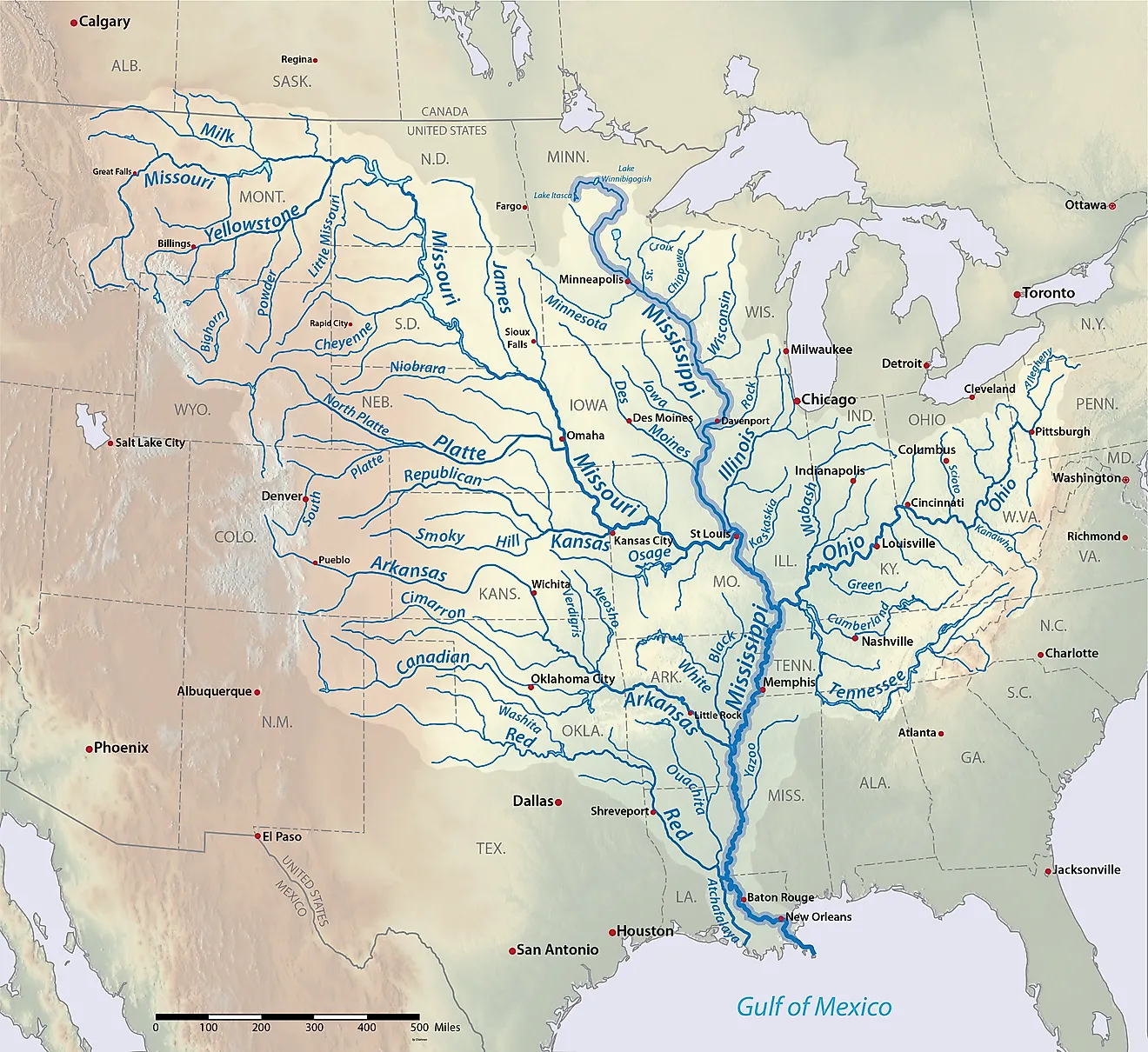
Scottsdale draws about two-thirds of its water from the Colorado River through the Central Arizona Project, and the northern part of the city sits at around 90 percent. CAP water is junior in priority to California's entire allocation under the 1968 act that authorized the canal.
The city had triggered Stage One of its drought management plan and notified all out-of-city water haulers in October 2021. Fifteen months of warning preceded the shutoff.
Exposure Is A Percentage, Not A Place
The useful way to rank western cities is not by size or by how dry they look, but by how much of their supply comes from a single source.
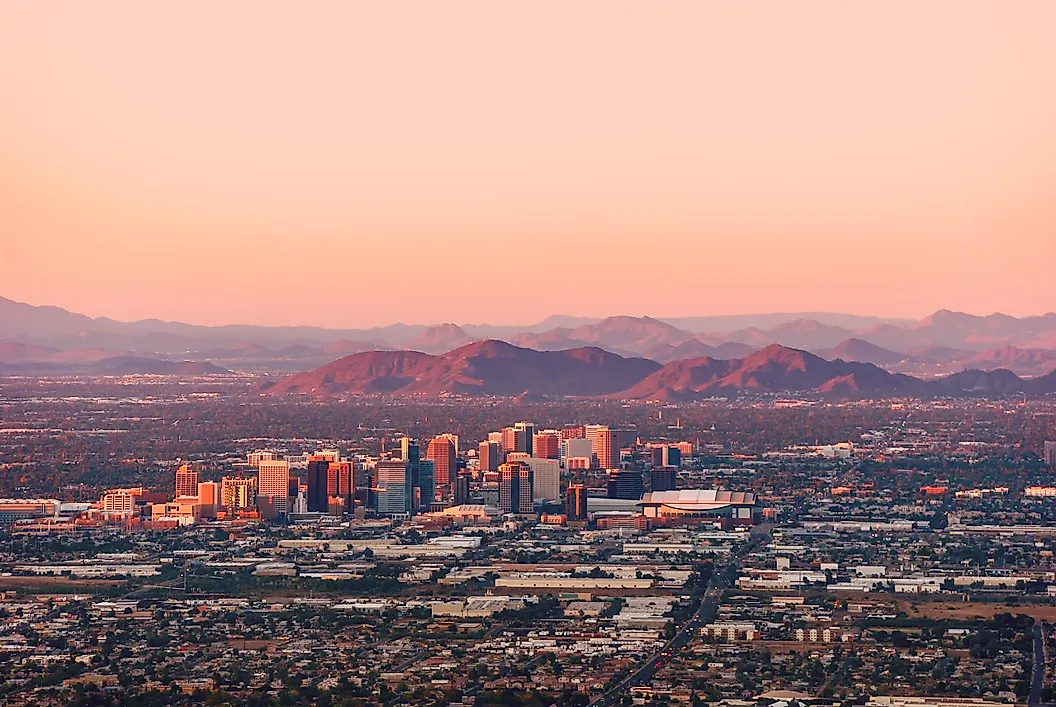
Scottsdale takes roughly two-thirds of its water from the Colorado. Phoenix, twelve miles away in the same desert, takes about 36 percent. Same river, same drought, same shortage tiers, and one city is nearly twice as exposed as the other.
That difference is a matter of portfolio rather than geography, and it is the single best predictor of which places feel a shortage first.
Phoenix Has Four Sources

The city most people name in this conversation is among the better insulated, which surprises nearly everyone.
Phoenix draws from the Colorado via CAP, from the Salt and Verde rivers through the Salt River Project, from stored groundwater, and from reclaimed water. The Salt and Verde are an entirely separate watershed with its own snowpack and its own reservoirs.
A Colorado River failure removes roughly a third of the supply rather than all of it. That is a severe problem and a different category of problem from having one pipe.
Las Vegas Is Better Protected Than Its Reputation

The city that looks most precarious on paper has spent two decades engineering its way out of the problem.
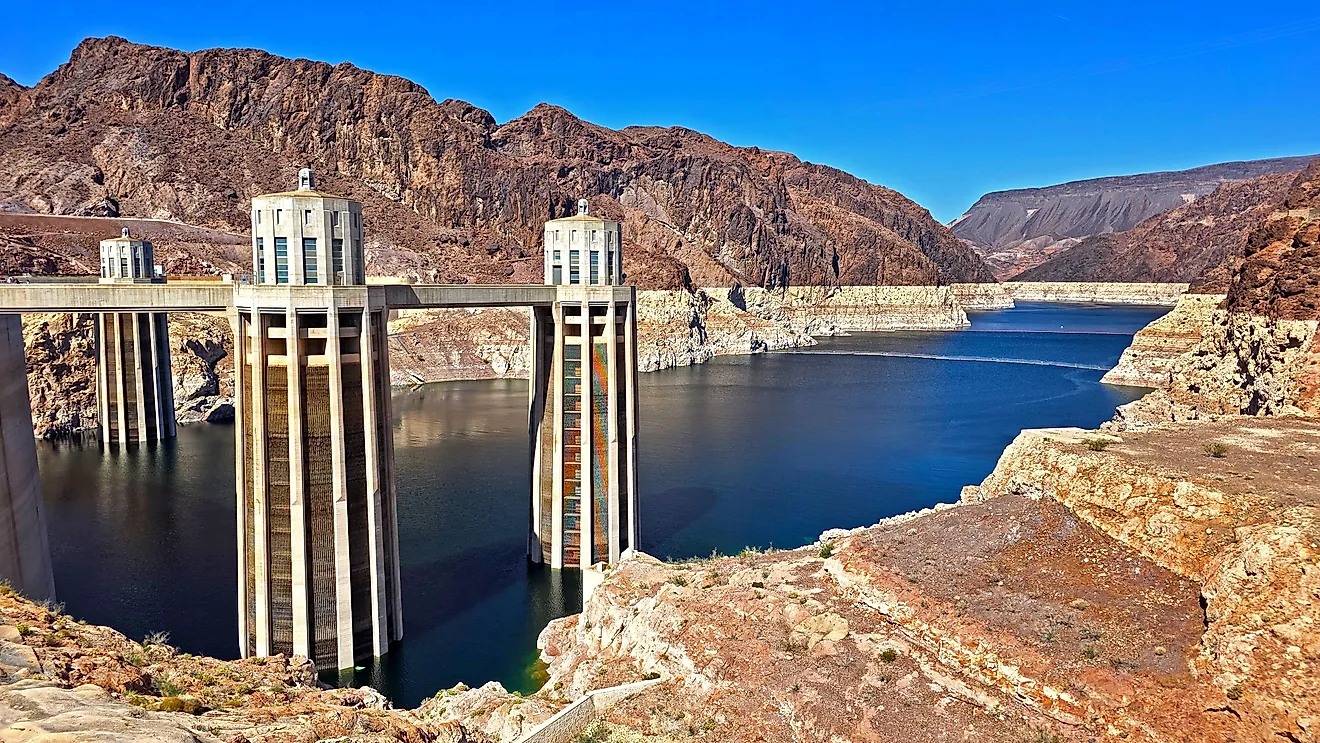
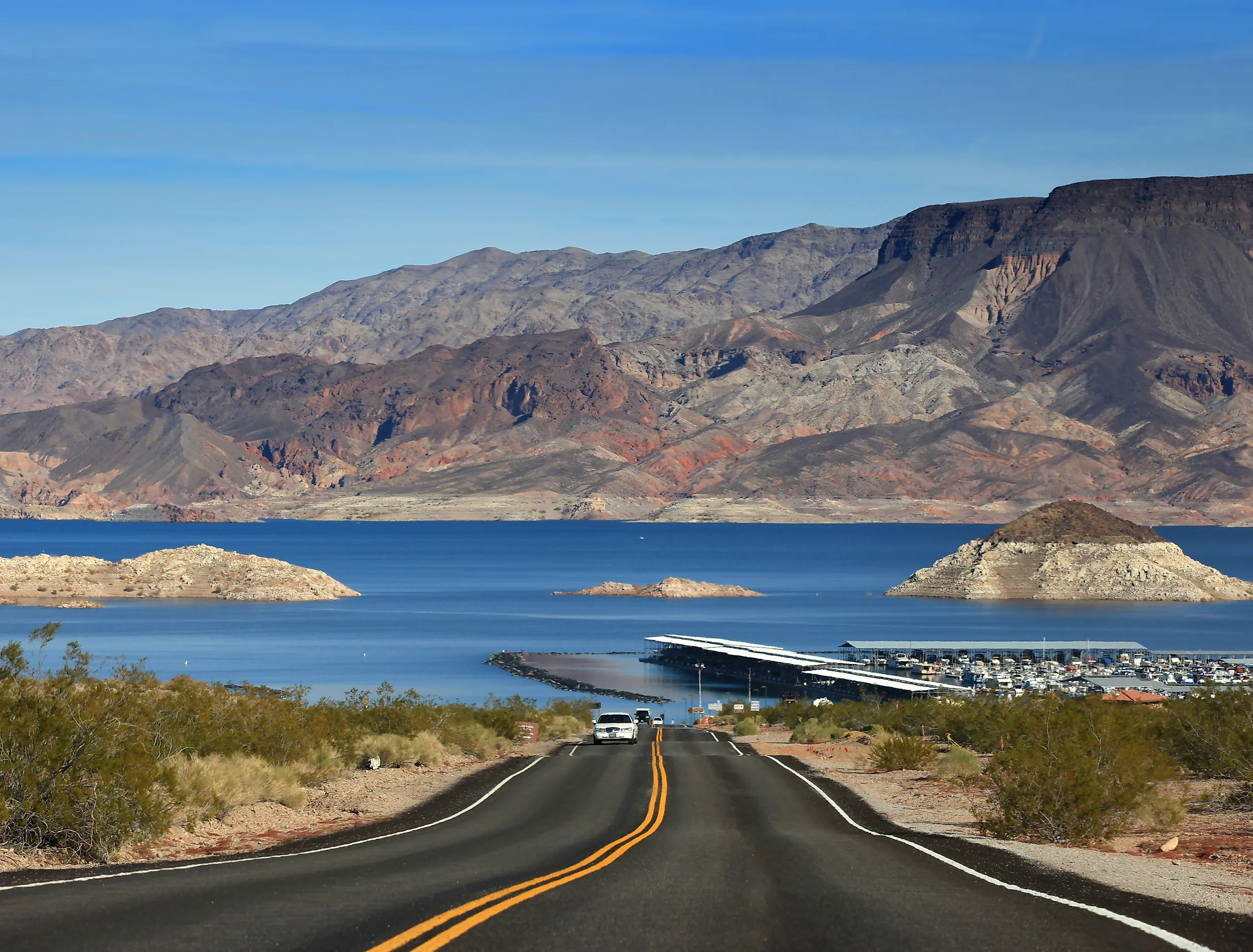
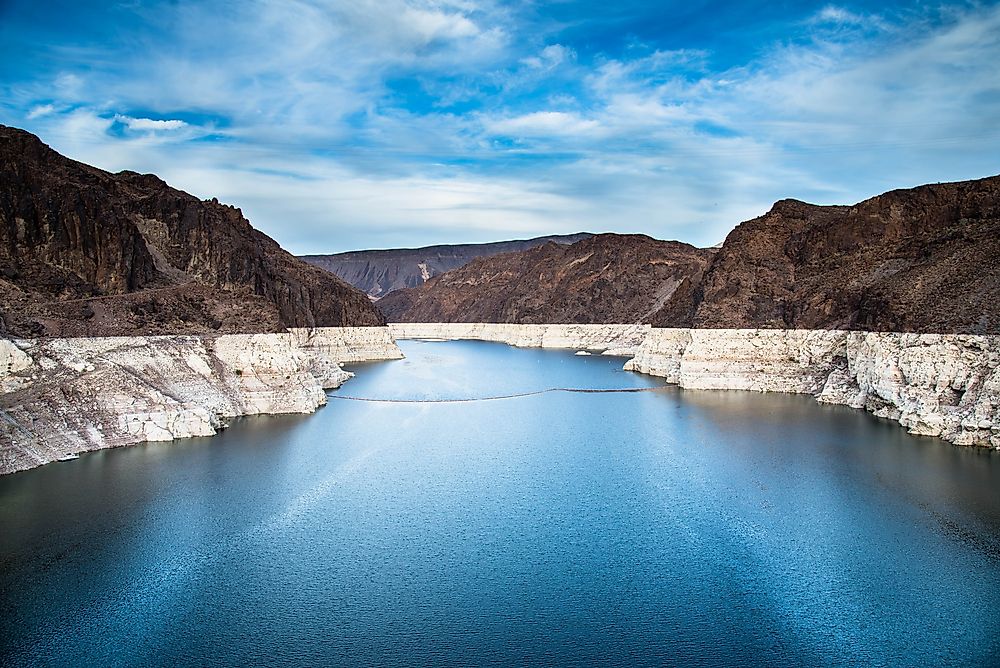
Las Vegas takes about 90 percent of its water from Lake Mead, which sounds like total exposure until you look at the intake. The Third Straw sits at elevation 860 feet, below dead pool at 895, and the Low Lake Level Pumping Station can draw water the dam itself cannot release.
Southern Nevada also cut total consumption by about 40 percent while adding 875,000 people. High dependence on one source is survivable if you engineer the intake and shrink the demand.
The Real Risk Sits Outside City Limits

Rio Verde was not an isolated case so much as the first well-publicized one.
Unincorporated communities across the Southwest have grown on private wells and hauled water with no utility, no assured supply and no legal entitlement to anybody else's. They are invisible in any ranking of cities because they are not cities.
When a municipal utility tightens, the first people cut are the ones who were never its customers. That is not a drought outcome. It is a governance one.
It Took Three Years To Fix

The resolution is worth following through, because the timeline is the lesson.
A bill forcing Scottsdale to supply the community for three years passed the legislature in May 2023 and was vetoed. In October 2023, nine months after the cutoff, Scottsdale began treating and delivering water under a temporary agreement with a newly formed standpipe district.
EPCOR opened a permanent filling station on January 1, 2026, three years to the day after the supply was cut. Three years is how long it takes to build a replacement for something that was never guaranteed in the first place.
Groundwater Is The Real Backstop
For cities rather than communities, the question of who runs out first usually comes down to what is underneath them.
Phoenix and Tucson both bank Colorado River water underground in wet years. The Coachella Valley sits on an aquifer holding more than Lake Mead. Denver draws heavily from the South Platte alongside its transmountain diversions.
Where there is no aquifer and no second river, a city is one canal away from a crisis. Where there is, a shortage is expensive rather than existential.
Nobody Large Is Close

Proportion is worth stating because the framing of the question invites the opposite.
Lake Mead sat around 1,037 feet in October 2026, with minimum power pool at 950 and dead pool at 895. Power generation fails 55 feet before water deliveries are affected at all. No major western city is facing the loss of its supply this decade.
What cities are facing is deeper mandatory cuts, higher costs and harder allocation arguments. Those are real and they are not the same as running out.
The Short Answer

The first place in the modern West to lose its water supply was Rio Verde Foothills, Arizona, on January 1, 2023, and it was not a city. It was a thousand people in unincorporated county land with no utility, cut off by a neighbor protecting its own residents.
Among actual cities, exposure tracks concentration. Scottsdale at two-thirds Colorado River dependence is more vulnerable than Phoenix at 36 percent, and Las Vegas at 90 percent is safer than both because it built an intake below dead pool. The question is not which city is driest. It is which one has only one pipe.