The US Lakes Where Otters Have Returned
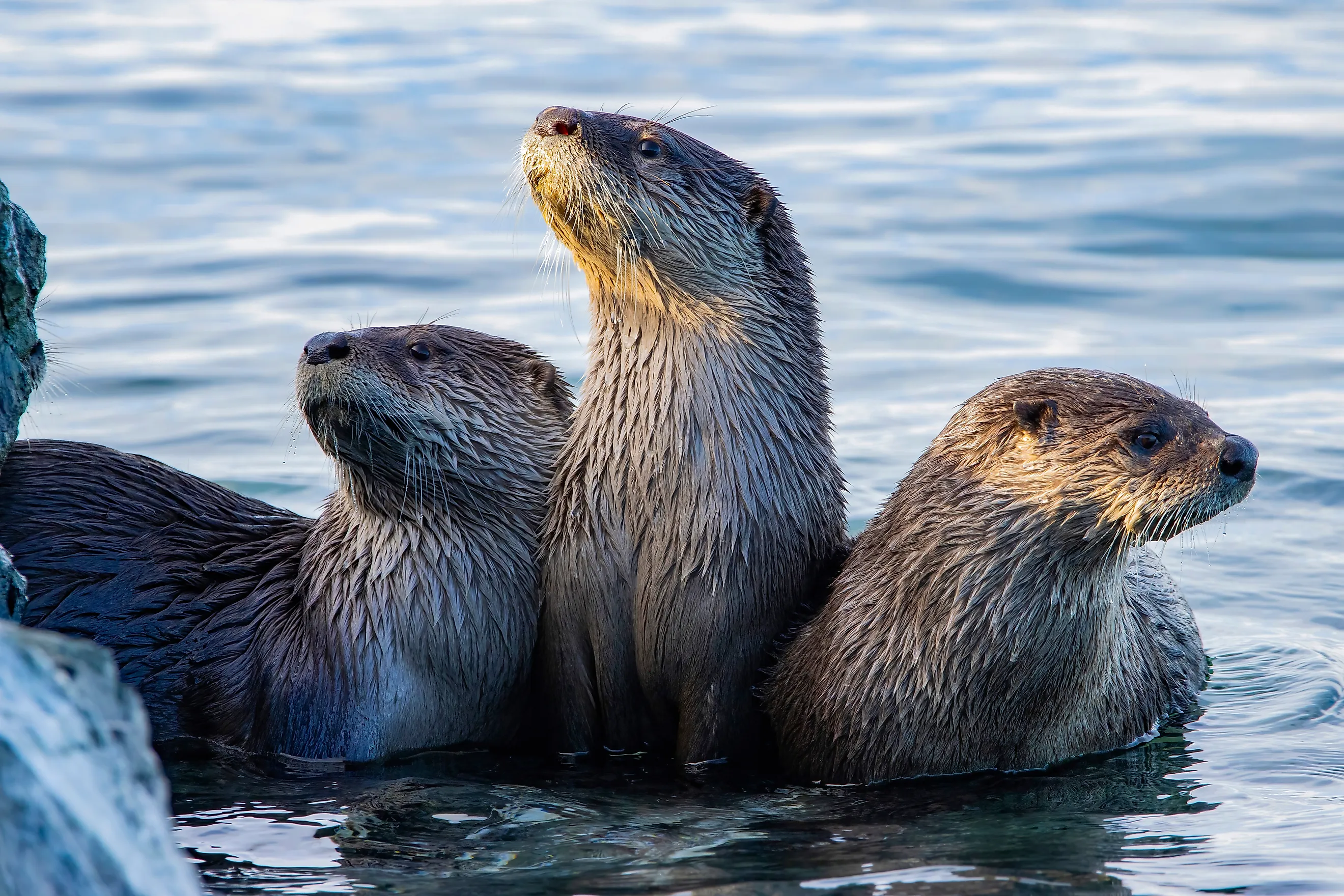
A few decades ago, the sight of a whiskered river otter popping up beside a dock would have stunned boaters on many American lakes. The North American river otter once ranged across nearly the whole country, but fur trapping, pollution, and the loss of wetlands wiped it out of large parts of the US by the mid-20th century. Since then, state wildlife agencies have reintroduced otters in many states, and cleaner water has let them spread on their own. Their return matters because otters are an indicator species. They need clean water and plenty of fish, so their presence is one of the best signs that a lake is healthy. Each lake here has documented otters coming back after a long absence, through state wildlife agencies, researchers, or confirmed sightings.
Lake Erie

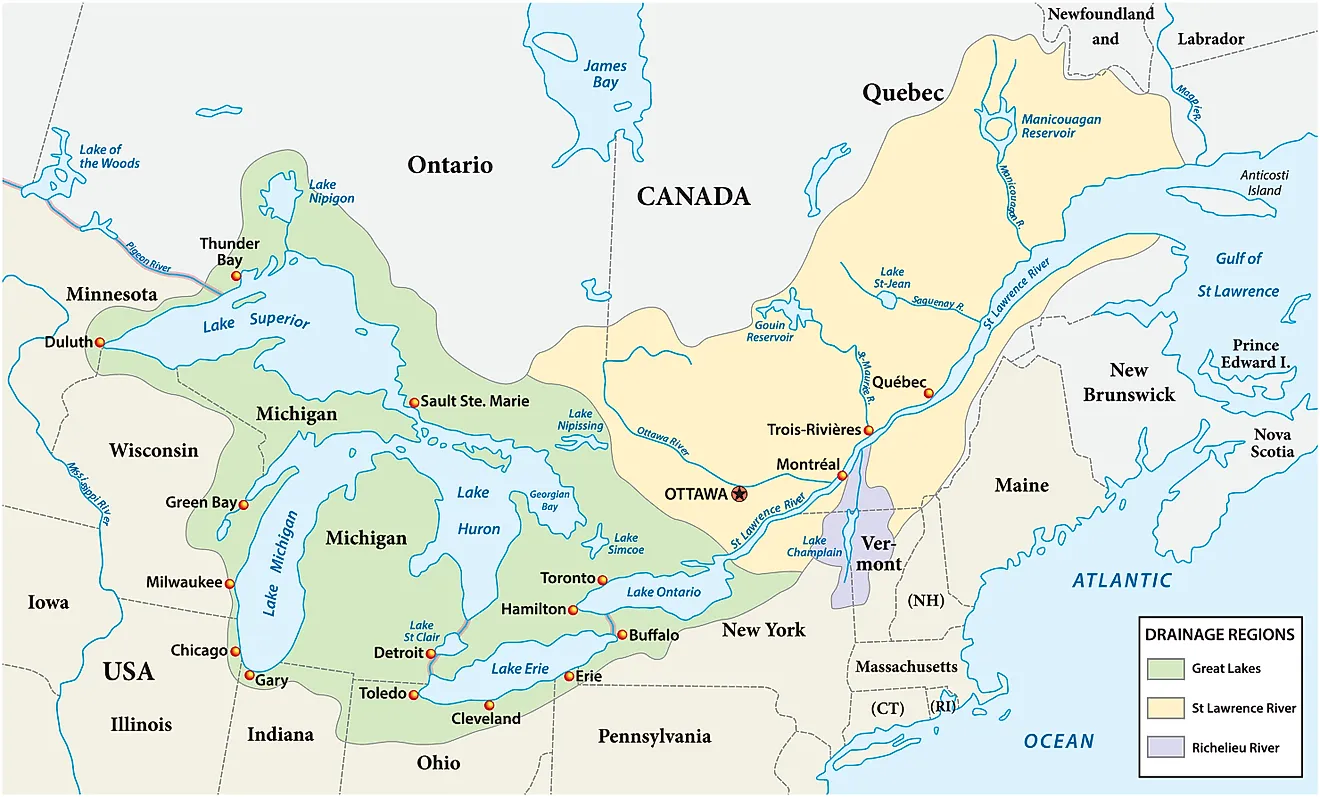
Lake Erie's comeback story is one of the most dramatic in the Great Lakes. After decades of pollution, the lake's western basin had gone roughly 80 years without river otters. Then, starting in 1986, the Ohio Department of Natural Resources began releasing otters captured in Arkansas and Louisiana into streams in eastern Ohio, including the Grand River, which flows into Lake Erie.
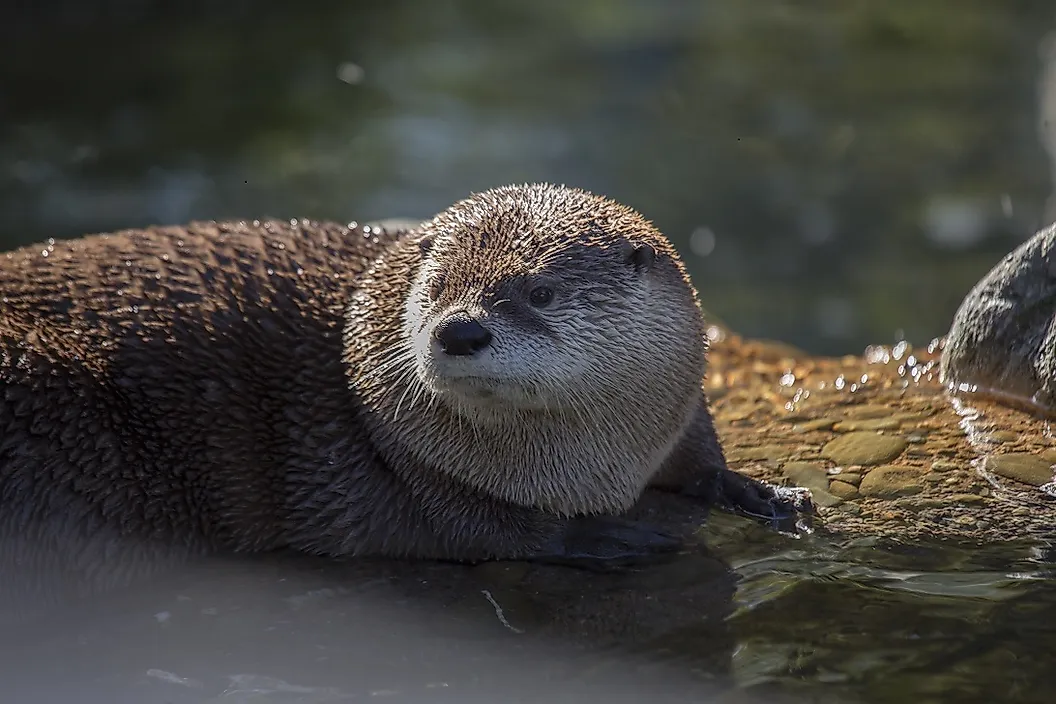
The otters spread. Today they swim through the marshes of the western basin, and they have been seen at Ottawa National Wildlife Refuge on the Ohio shore and at Point Pelee National Park across the water in Canada. In 2022, an otter turned up in the nearby Detroit River for the first time in about a century. Great Lakes researcher John Hartig has called the otters a measure of how much cleaner these waters have become, noting that if a river is clean enough for otters, it is likely cleaner for people, too.
Lake Tahoe

At one point, the only place river otters were known to live in the Lake Tahoe basin was Marlette Lake, a small reservoir high above Tahoe's east shore. A local wildlife rescue group went about 25 years without hearing of a single otter sighting at Tahoe itself. Then, in the early 2010s, residents began spotting them again, including a pair splashing in the Tahoe Keys lagoons and others at Fallen Leaf Lake and Secret Harbor.

Today, wildlife officials say otters live throughout the Tahoe basin and along the Truckee River, and their numbers have been growing for about 15 years. The comeback comes with a caution. Otters are territorial, and a few swimmers at Tahoe and nearby lakes have been bitten after getting too close. Officials advise giving otters plenty of space and leaving the water if one appears nearby.
Utah Lake

River otters were never especially common in Utah, and by the late 20th century they had become rare. In late 2009, the Utah Division of Wildlife Resources released 12 otters into the Provo River between Jordanelle and Deer Creek reservoirs, hoping to start a population in the northern part of the state. Biologists tracking the animals with radio transmitters soon picked up signals far downstream, near Utah Lake.

The otters stuck. By 2015, state biologists had confirmed otters living on Utah Lake and reproducing there. That is a notable result for a shallow lake surrounded by the growing cities of Provo and Orem, and it shows how quickly otters can settle into new territory when the food supply is good.
Flaming Gorge Reservoir

Utah's otter recovery began here. Between 1989 and 1992, state biologists released 67 river otters, most of them from Alaska, along the Green River in eastern Utah, including two placed directly into Flaming Gorge Reservoir, the long, red-walled lake that straddles the Utah-Wyoming border. Those releases laid the foundation for the otters later moved to the Provo River.

Today, the Flaming Gorge area holds Utah's strongest river otter population. Visitors to the Flaming Gorge National Recreation Area can sometimes spot them in quiet coves of the reservoir and along the Green River below the dam, especially early in the morning. From here, otters have spread through the Green and Colorado river systems, with sightings reported as far away as Lake Powell.
A Comeback Worth Watching
River otters are reclaiming lakes they lost generations ago, whether in the marshes of Lake Erie or the deep blue water of Lake Tahoe. Some got help from wildlife biologists, while others found their own way back once the water improved. Either way, a returning otter is good news for anyone who uses the lake, because the same clean water and healthy fish that support otters also support swimming, fishing, and drinking water. If you spot one, keep your distance, enjoy the show, and consider reporting the sighting to your state wildlife agency.