How Loch Ness Compares To The Great Lakes
Loch Ness is Scotland's most famous body of water: long, deep, dark, and allegedly home to a monster. But how does it actually measure up against North America's mighty Great Lakes? The short version is that it shows up to a swimming-pool fight carrying a goldfish bowl. And since we are here anyway, let's finally settle the question everyone secretly wonders about: what on earth is the difference between a "loch" and a "lake"?
First, Loch vs Lake

Here is the slightly anticlimactic truth: there basically isn't one. "Loch" is simply the Scottish Gaelic word for a lake, later borrowed into English, so a loch is a lake, just with a Scottish accent. The one real wrinkle is that a loch can also be an arm of the sea, in which case it is called a "sea loch," and over in Ireland the very same word is spelled "lough." The funniest part, though? Scotland has tens of thousands of lochs but only a single natural body of water officially called a "lake," the Lake of Menteith. The leading theory for the oddity is that a Dutch mapmaker once misheard the old Scots name "Laich o Menteith," meaning the low-lying ground of Menteith, as "Lake of Menteith." So Scotland's one and only lake may well be a centuries-old spelling mistake.
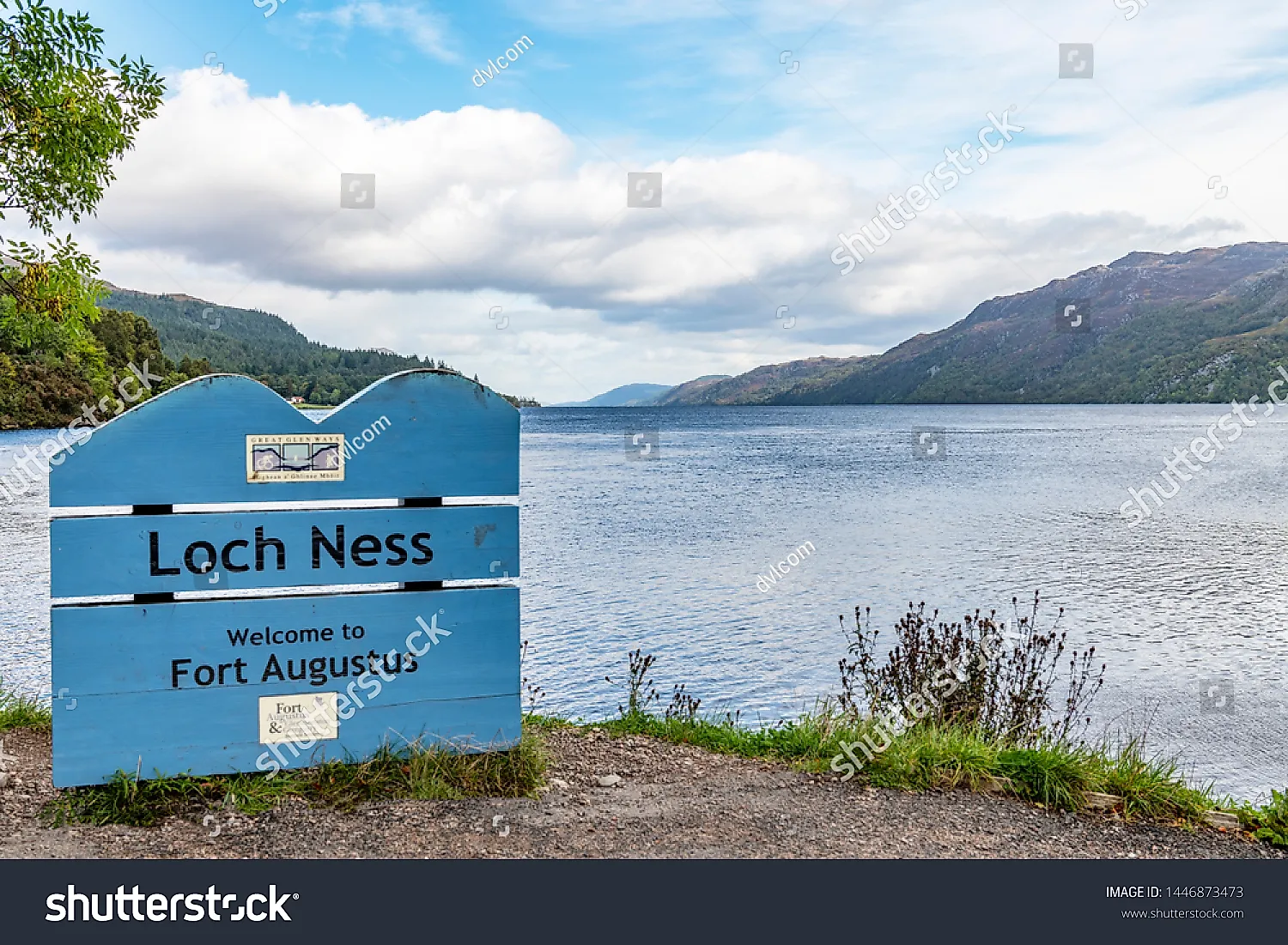
Loch Ness: A British Giant

Back to Loch Ness itself, which at home is no slouch. It stretches about 23 miles along the Great Glen and plunges to roughly 755 feet deep, which, remarkably, makes it deeper than the North Sea. That extraordinary depth is its secret weapon. Despite not even being the biggest Scottish loch by surface area, Loch Ness holds more fresh water than every single lake in England and Wales put together. Within the British Isles, it is the undisputed heavyweight champion by volume.
The Great Lakes: A Whole Other League
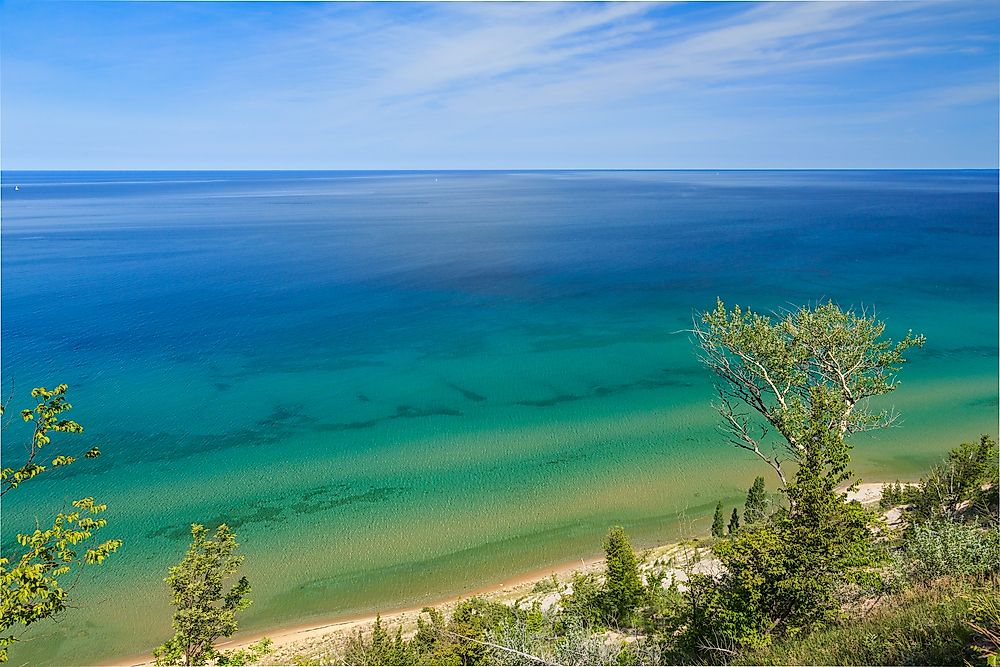
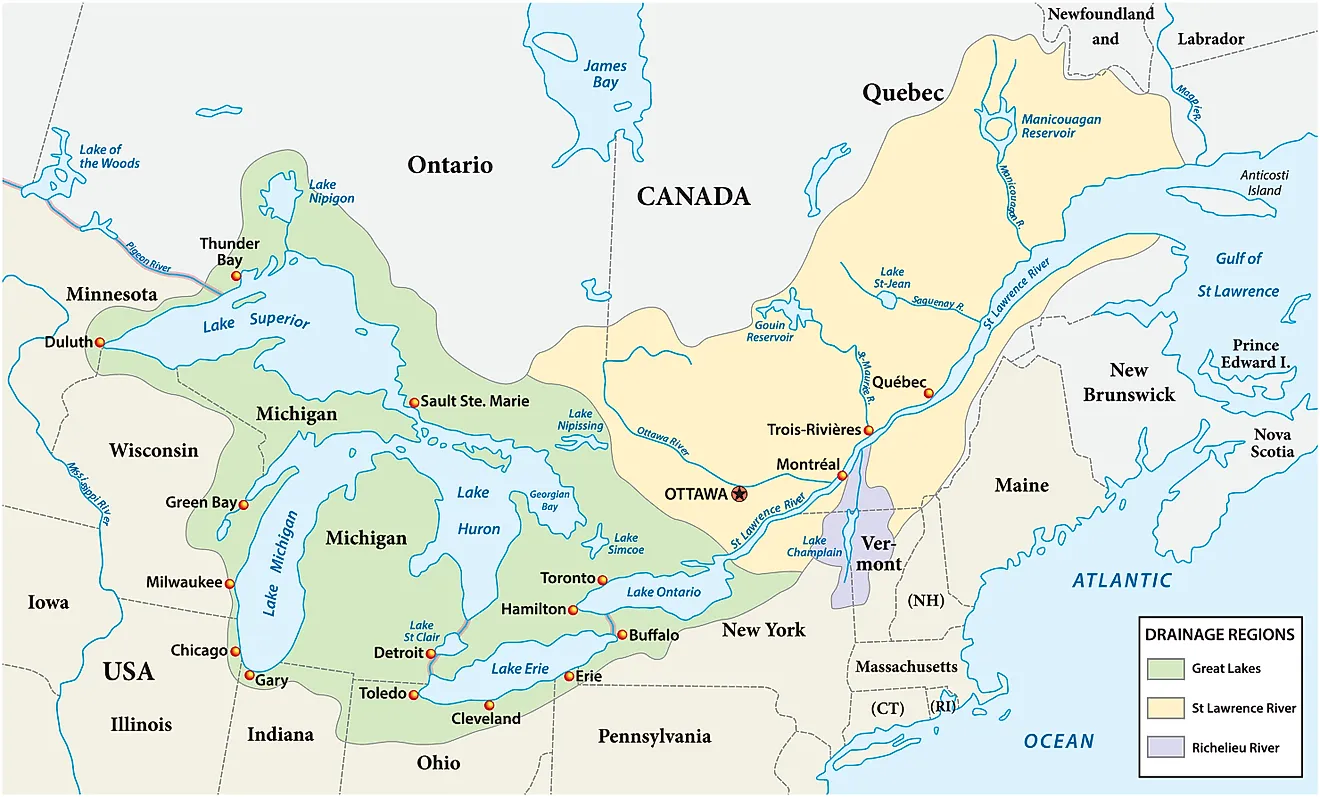
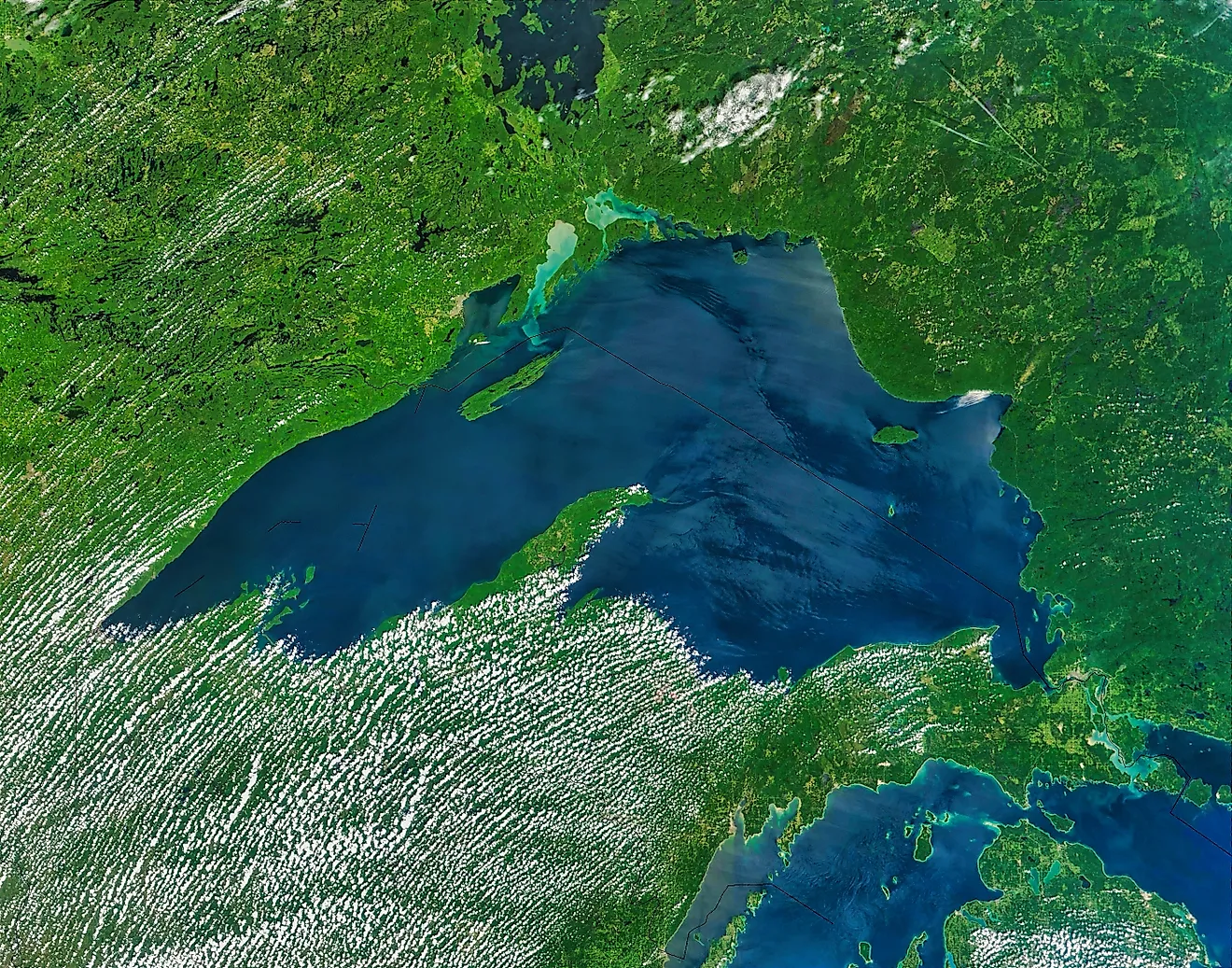
Then you cross the Atlantic. The five Great Lakes, Superior, Michigan, Huron, Erie, and Ontario, sprawl across roughly 94,000 square miles and together hold about 5,400 cubic miles of water, which works out to something like 21 percent of all the fresh surface water on the entire planet. Lake Superior alone is the largest freshwater lake in the world by surface area. These are less lakes than freshwater inland seas, big enough to have their own currents, countless shipwrecks, and storms worthy of the open ocean.
The Numbers Get Silly

Put the two side by side and the comparison stops being fair almost immediately. The Great Lakes cover more than 4,000 times the surface area of Loch Ness, and they hold somewhere in the region of 3,000 times as much water. Lake Superior by itself is roughly 1,400 times larger than Loch Ness by area. To put it another way, you could pour the entire contents of Loch Ness into the Great Lakes about 3,000 times over before anyone standing on the shore would notice the level budge. Britain's mightiest body of water becomes, in North American terms, a rounding error.
Room for a Monster

Which raises one final and very important question: what about Nessie? The legend says the monster lurks in Loch Ness's deep, peaty, pitch-black water, and fair enough, there is plenty of room to hide down there. But if Nessie ever wanted to really stretch out and vanish, she picked the wrong body of water. Lake Superior is nearly twice as deep and holds thousands of times more cold, dark water, roomy enough to lose an entire herd of monsters. There is one tiny consolation for Scottish pride, mind you: Loch Ness, at 755 feet, is genuinely deeper than Lake Erie, so it does beat one Great Lake at exactly one thing. We will let the Scots have that one.