The Widest Mountain In The United States
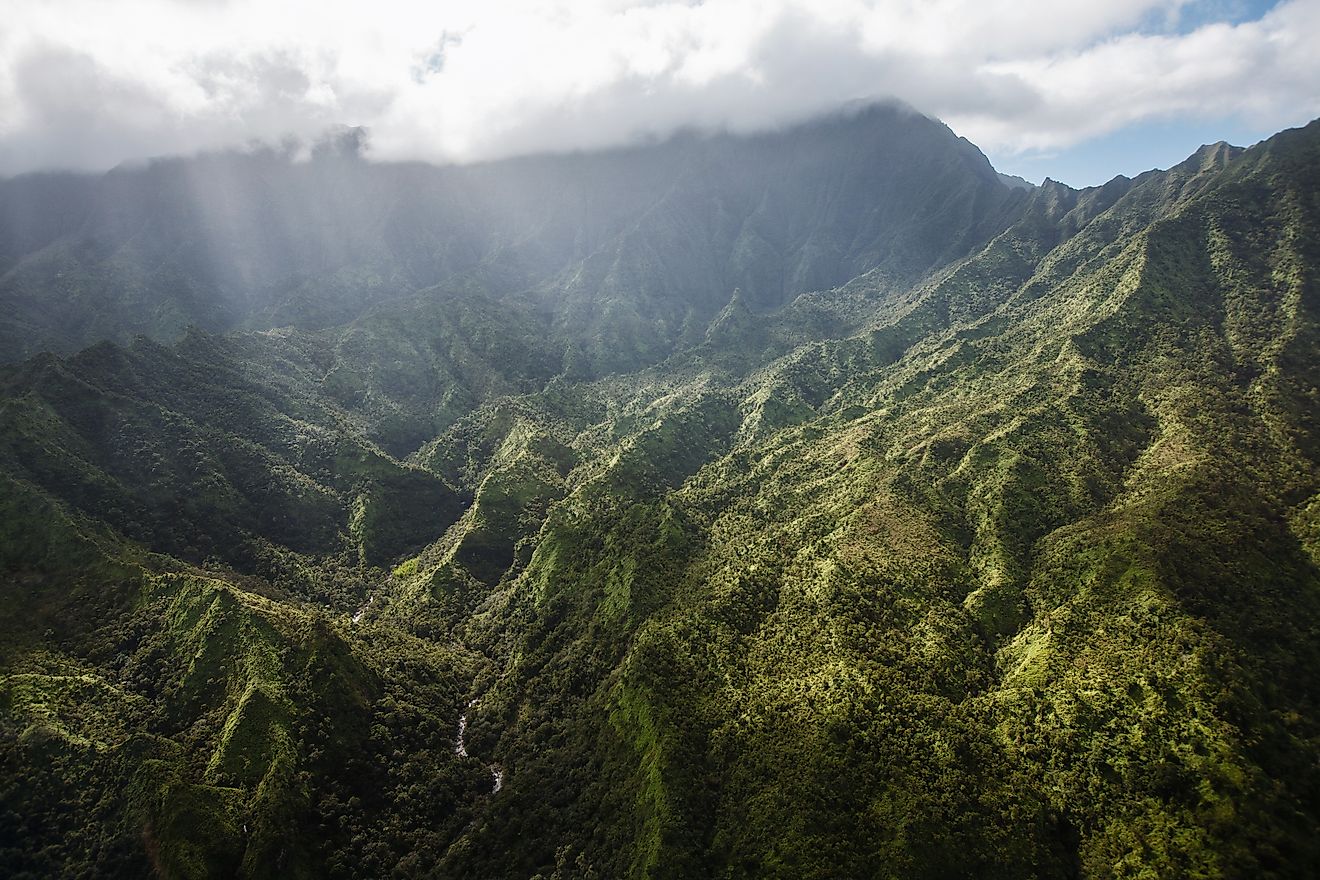
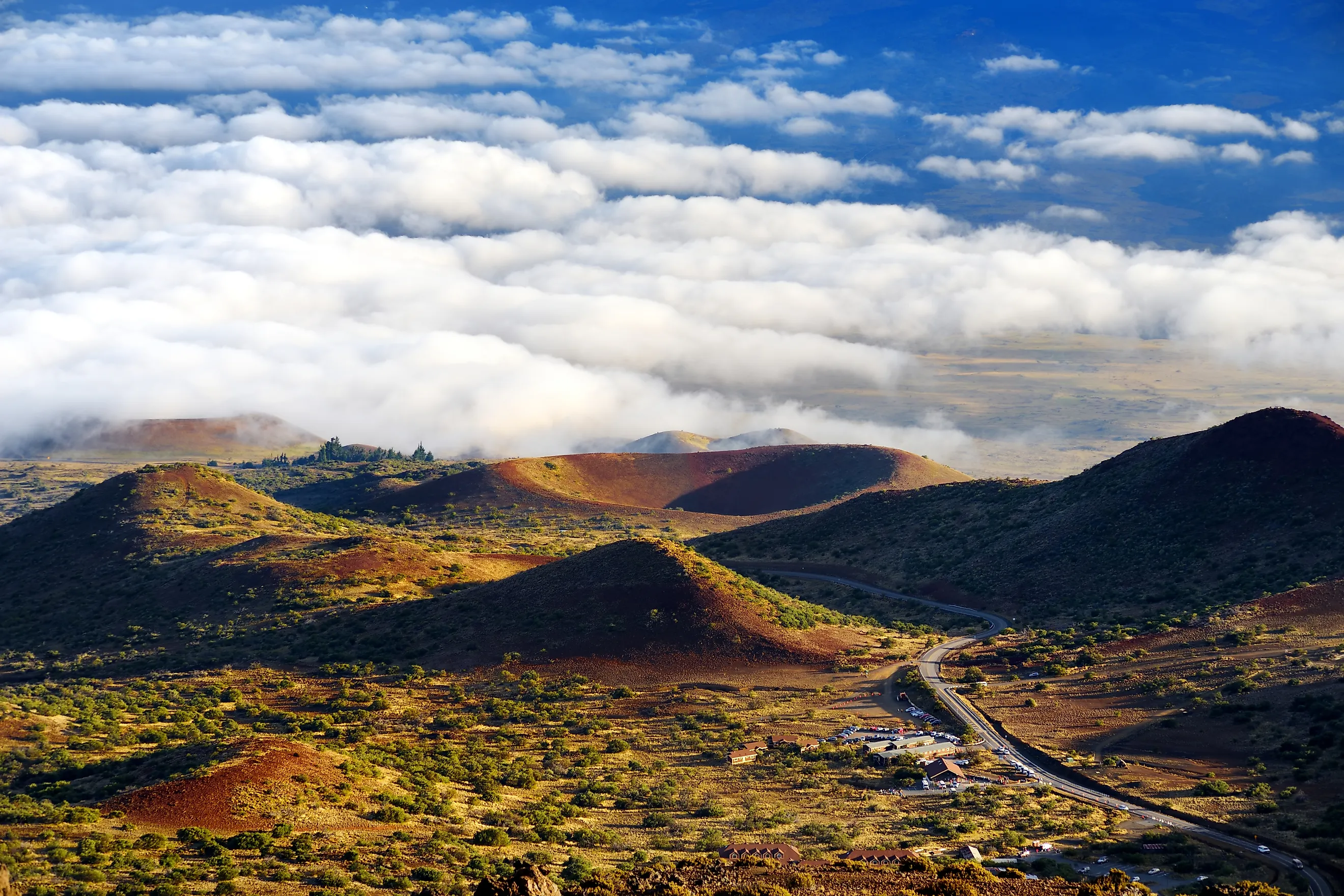
Most mountains announce themselves with a peak. Mauna Loa, on Hawaiʻi Island, does the opposite. Its flanks slope so gradually that the summit barely reads as a summit, and the shape that results is broad rather than tall. The Hawaiian name means Long Mountain, a description that fits the footprint better than any photograph of it.
Much of that footprint is not visible. The mountain continues below the Pacific Ocean, and its base rests on a seafloor that its own weight has pressed downward. Counting the submerged flanks along with the land above water, the National Park Service puts that base at about 100 miles across. Mauna Loa is the largest active volcano on Earth, and the reason it holds that title has more to do with width than with height.
A Mountain Built From Lava

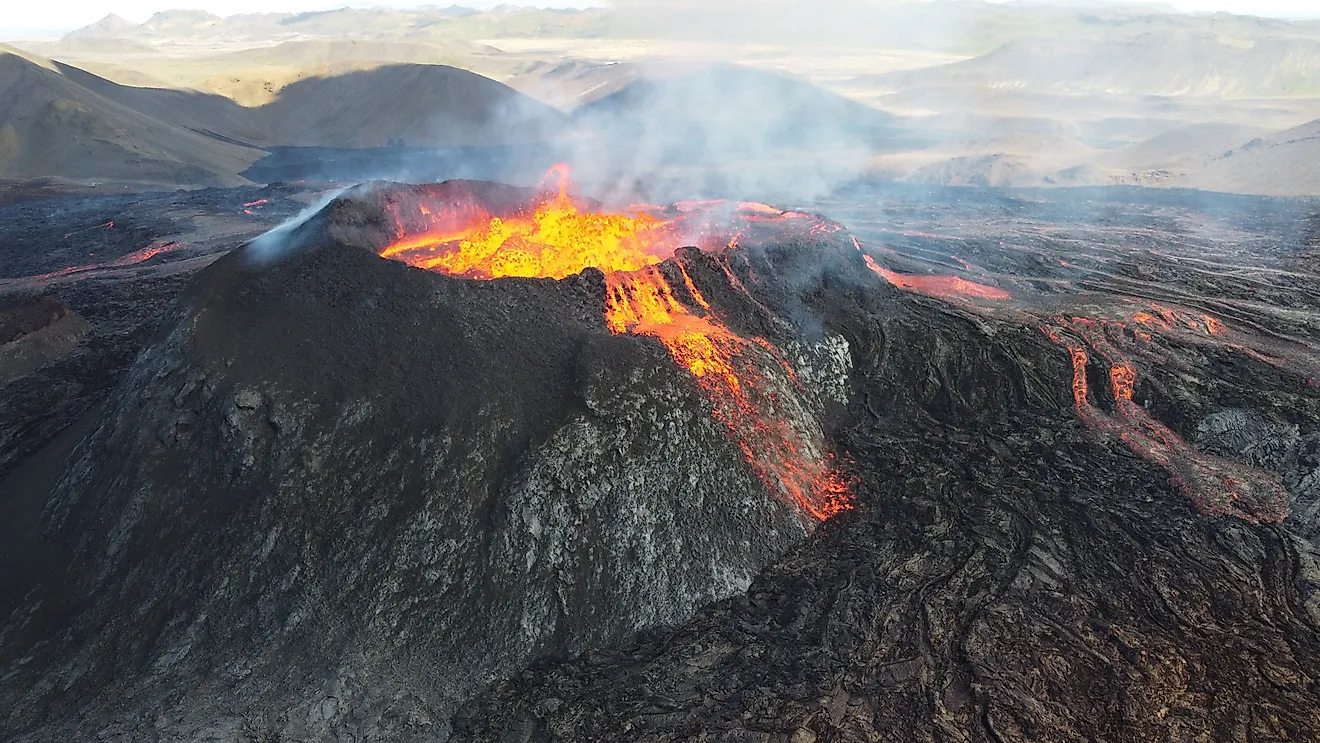
Mauna Loa is a shield volcano, a type named for the broad, stretched-out shape and gentle slopes that give it the look of a warrior's shield lying flat on the ground. Volcanoes that build steep cones do so through explosive eruptions that pile material close to the vent. Shield volcanoes form the opposite way, through repeated flows of runny basaltic lava.
That lava travels considerable distances, sometimes reaching the ocean, before it finally cools, so each eruption spreads its material across the surrounding land rather than stacking it. Over hundreds of thousands of years those layers accumulated into a mountain far wider than it is steep. Scientists estimate that about 90% of its surface has been covered by lava from the past 4,000 years alone.
A Hidden Foundation

Measuring a mountain's width is not as straightforward as measuring its height. The visible portion of Mauna Loa runs for some 74 miles, from the southern end of Hawaiʻi Island up to the summit and then east toward Hilo. That figure describes the length of the mountain above water, and it accounts for only part of the structure.
The rest continues beneath the Pacific Ocean, where the foundation is hidden from view and carries the base out to its full 100 miles. The submerged portion matters for a second reason, because the weight of the mountain has pressed the seafloor downward beneath it. According to the US Geological Survey, the summit stands 17 kilometers, or 55,700 feet, above its base once the submerged flanks and that crustal depression are counted.
Why Its Shape Is So Different

A comparison with a more familiar kind of volcano makes the shape easier to picture. A composite volcano such as Mount Rainier is a tall, cone-shaped mountain built from stacked layers of lava, ash, and other material that settle close to the eruption site. The result is steep, pointed, and small at the base. The National Park Service measures Rainier at about 10 miles across, against Mauna Loa's 100.
Basaltic lava behaves differently. It is thinner and more fluid, so it spreads outward across large areas before solidifying. As new eruptions bury older flows, the flanks push out a little farther each time. The process repeats over hundreds of thousands of years, and the volcano grows outward more than upward.
The True Scale of Mauna Loa

Width is only one measure of the volcano. Above sea level the summit reaches 13,681 feet, or 4.2 kilometers, making it one of the highest points in the United States. That is about nine Empire State Buildings stacked on top of each other. Volume is the more striking figure. The National Park Service estimates Mauna Loa at nearly 18,000 cubic miles, covering half of Hawaiʻi Island, and its above-ground area alone is close to double the entire state of Rhode Island.
Access trails run up the mountain, though the climb is long and difficult, crossing rough lava rock on the way to 13,681 feet. The shorter option starts at the Mauna Loa Observatory Trail off Saddle Road, and it requires no permit. The Mauna Loa Trail from the Lookout begins inside Hawaiʻi Volcanoes National Park and takes several days, with a backcountry permit needed for the cabins along the route.
Still Under Construction

The mountain is still being built. Mauna Loa remains active, so the process that created it has never stopped. New lava flows continue to add material, extending a period of construction that began hundreds of thousands of years ago.
The most recent eruption began in the summit caldera on November 27, 2022, and ran for about 13 days, shifting to the Northeast Rift Zone before it ended on December 10. It was the volcano's first documented eruption since 1984.
A Mountain Unlike Any Other
Calling Mauna Loa the widest mountain in the United States captures only part of what sets it apart. The distinction compared with Rainier comes from the combination of width, volume, height, and depth. It begins on the Pacific seafloor, rises through thousands of feet of water, spreads across half of Hawaiʻi Island, and finishes just over 13,000 feet above sea level.
Mountains do not all take the same form. Some rise sharply toward the sky and others reach outward across the landscape. Mauna Loa does both, at a scale with few equals anywhere on Earth.