The US Rivers Where Manatees Swim Upstream
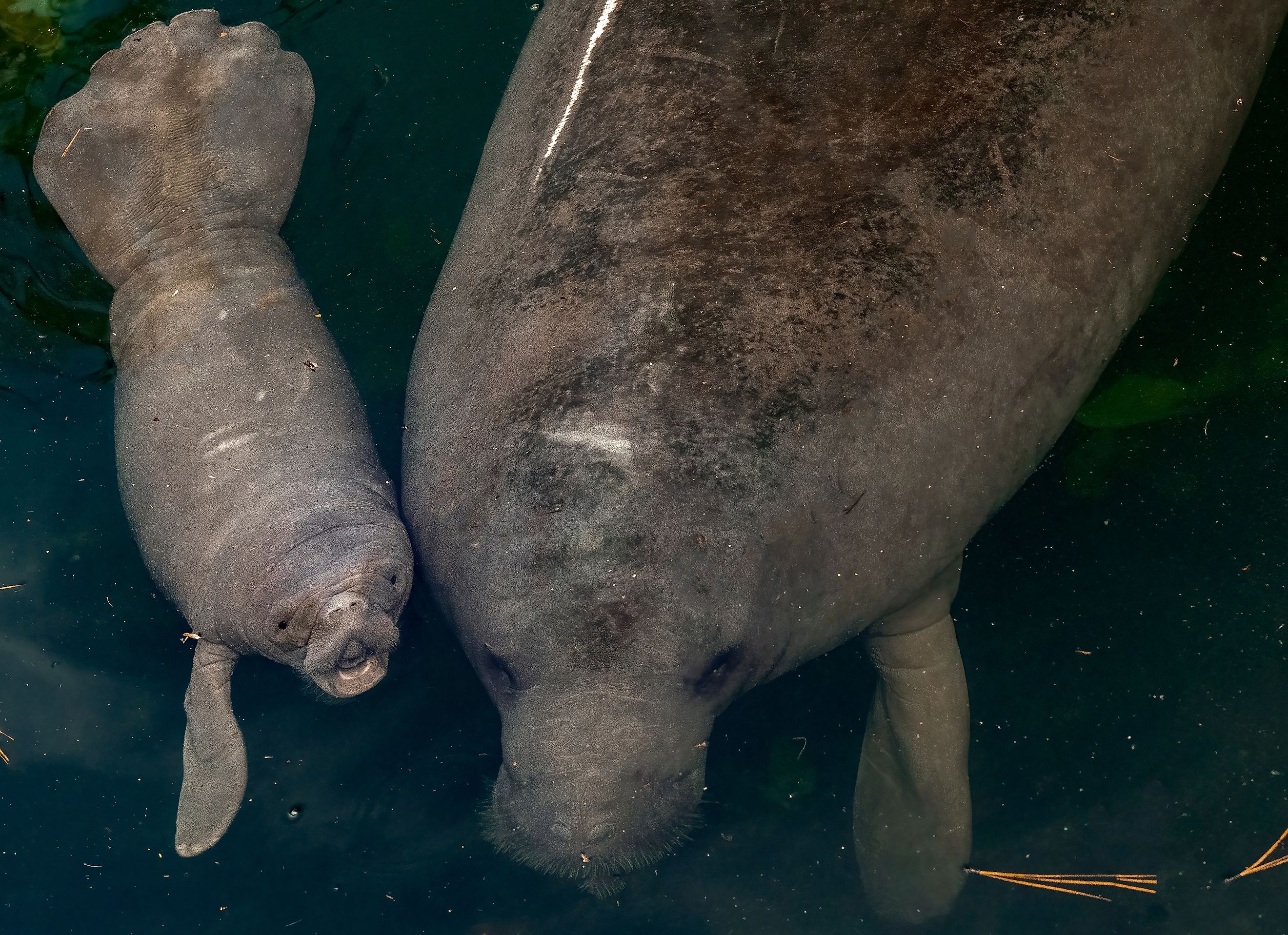
During the coldest snaps in winter, Florida manatees, also known as Trichechus manatus latirostris, make the journey up Florida rivers to seek the protection of warmer water in the state's natural springs.
These gentle giants typically weigh around 1,000 pounds, yet they carry only about an inch of insulative fat and a slow metabolism, which means water below 68 degrees Fahrenheit is colder than their body can tolerate for long. Most of these springs hold at about 72 degrees Fahrenheit all year, with some, such as the Blue Spring off the St. Johns River, serving as critical sites of convergence for hundreds of manatees.
Boardwalks, river cruises, and paddle routes put visitors within sight of them, and winter is the main viewing season in Florida. Many parks only allow visiting from the shore or boardwalk to prevent the manatees from being disturbed, while others, such as the Crystal River National Wildlife Refuge and Silver Springs State Park, offer paddling options to view manatees throughout the winter season.
Kings Bay and the Crystal River

Kings Bay feeds the Crystal River on Florida's Gulf Coast, and its 72-degree springs host hundreds of manatees each year once the Gulf drops below 68 degrees. Between cold spells, they leave for quick feeding trips, then rest for long hours in the warm waters to conserve energy.
The United States Fish and Wildlife Service (USFWS) reports densities of hundreds on extremely cold days, some of the largest aggregations of manatees in the world within a natural winter habitat. Crystal River National Wildlife Refuge, established in 1983, is the only refuge created specifically to protect the Florida manatee.

Three Sisters Springs is part of the Crystal River National Wildlife Refuge, and features a 1,300-foot boardwalk when visitors can view gathered manatees from November through March. Outside of manatee season, paddle routes pass through the turquoise waters Three Sisters. In winter, paddlers can view manatees in designated areas of Kings Bay.
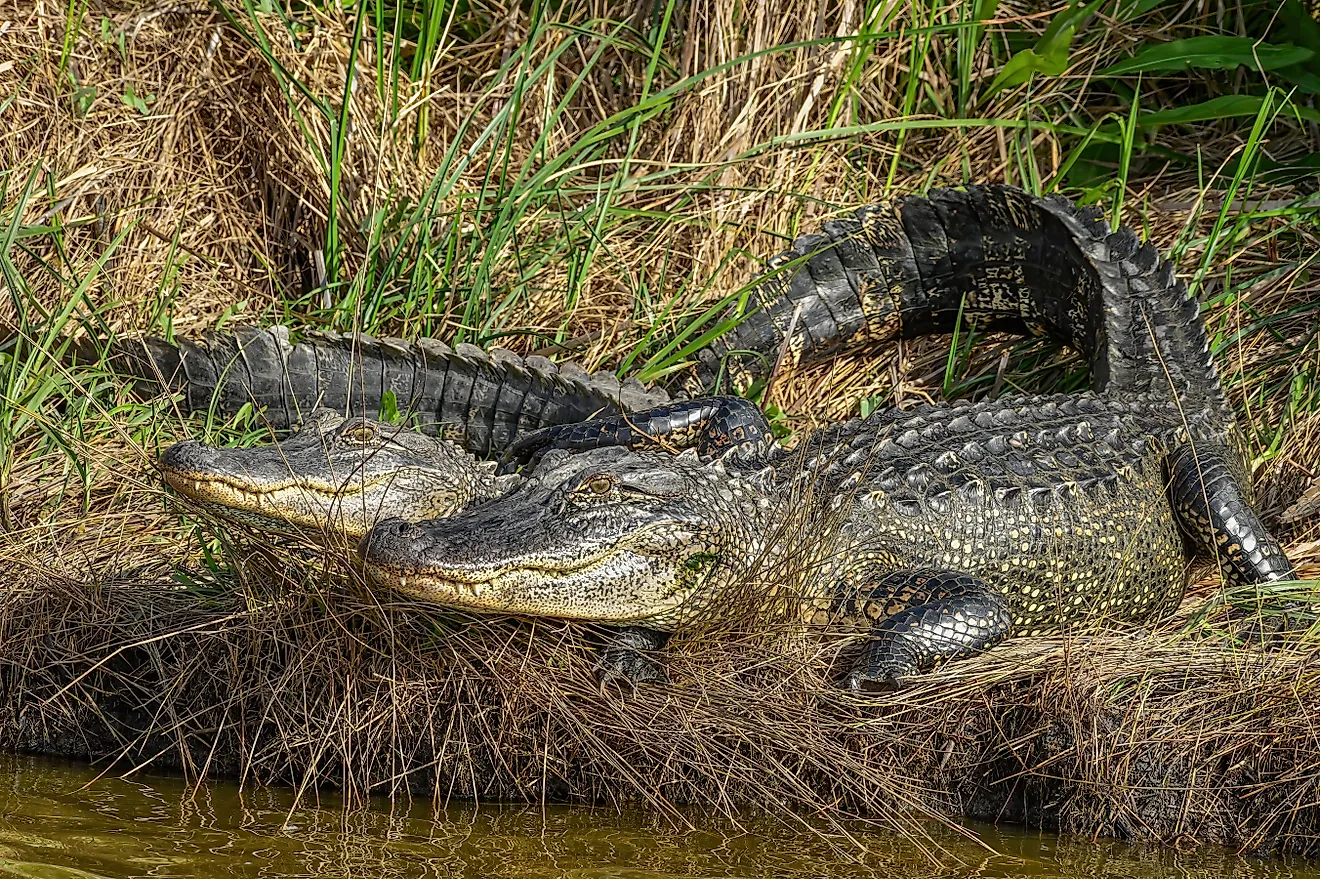
Paddlers can also observe manatees, alligators, and wetland birds along designated water routes throughout the Crystal River that pass through the turquoise waters of Three Sisters. Manatees are most concentrated here between December and February.
The Suwannee River and Manatee Springs

Manatees return each winter to the warm waters of the largest single spring flowing into the Suwannee River, fittingly named Manatee Springs. Park staff and volunteers log sightings daily, and the spring run, a quarter mile long, hosts about 20 manatees at a time between November and April.
The spring averages 50 to 150 million gallons a day, and the run holds near 72 degrees Fahrenheit. When the Suwannee floods, dark, tannic river water fills the run and cuts visibility.

Manatees reach the spring by swimming from the Gulf of Mexico up the Suwannee, whose estuary at Suwannee Sound lies about 25 miles downriver. To view congregating manatees, visitors can walk the 800-foot boardwalk that winds through cypress trees from head of the springs down to the tannic waters of the Suwannee.
From December 1st through March 30th, the spring run is closed to paddling to protect the manatees from disturbance. Fanning Springs State Park, located on the Suwannee, also hosts manatees each winter, but they visit this area in smaller numbers and a bit less predictably.
The Ocklawaha River and Silver Springs State Park

Manatees once swam freely up the Ocklawaha River, which runs 74 miles and joins St. Johns River south of Palatka, about 100 miles from the Atlantic. In 1968, the Rodman Dam rose across its lower reach as part of the unfinished Cross Florida Barge Canal. The reservoir behind it covers almost 10,000 acres, including 20 currently flooded springs that Save the Manatee Club says could serve as warm winter sites if the dam is removed.

Today, manatees can reach Silver Springs and the middle and upper parts of the river only by passing through Buckman Lock, which opens periodically for boats and manatees. The club reports that engineers installed a system of sensors to open when manatees are detected nearby. This update has sharply cut the number of manatee deaths from being trapped in cold waters and from being crushed between the gates, but not to zero. The club advocates for breaching the dam that prevents the free movement of manatees and restricts their access to critical warm water sites.
Manatees that clear Buckman Lock can reach Silver Springs State Park, where visitors can watch from the shore or on the water. The park runs glass bottom boat tours and rents kayaks, canoes, and paddleboards.
The St. Johns River and Blue Spring

Blue Spring State Park gathers manatees in the hundreds where a spring run meets the St. Johns River, which flows north toward the Atlantic. A river that drops to the 50s in the winter drives them into the spring run, where the water stays near 72 degrees Fahrenheit.
From November 15th through March 15th, the park closes the run to swimmers, divers, and paddlers. On January 21, 2024, the park counted 932 manatees huddled together in the spring's warm waters.

Winter viewing centers on the accessible boardwalk along the spring run, which has interpretive kiosks, and manatee programs run daily from mid November through March.
St. Johns River Cruises operates a two-hour narrated boat tour from the park at 10 am and 1 pm daily. Canoes and kayaks are available for rent outside of the winter closure.
The Rivers that Connect Manatees to Florida's Springs

Once rivers and the Gulf of Mexico fall below 68 degrees Fahrenheit, manatees move into spring runs that hold near 72 degrees, and visitors throughout the late fall and winter can view these beauties in the turquoise spring waters.
Depending on the park rules, you can watch manatees from boardwalks and the shoreline or via guided boat tours or paddling options. Access rules shift with the season, so checking before a trip is key. The count of nearly 1,000 manatees at Blue Spring in January 2024 shows how much these refuges, and the rivers that connect them, matter to the wellbeing of this unique species.