Why Great Lakes Freighters Are Launched Sideways
When a Great Lakes shipyard finished a freighter, it did not slide the ship gracefully into the water stern-first the way the newsreels taught everyone a launch should look. It shoved the entire hull in sideways, all at once, 600 or 700 feet of steel dropping broadside off greased timbers, rolling hard enough to show its bottom paint and throwing a wave that soaked a thousand spectators who came specifically to be soaked. The reason is not showmanship, though it became that. The reason is a tape measure: Great Lakes shipyards were built on rivers, and the rivers are narrower than the ships are long.
The River Is Shorter Than The Ship

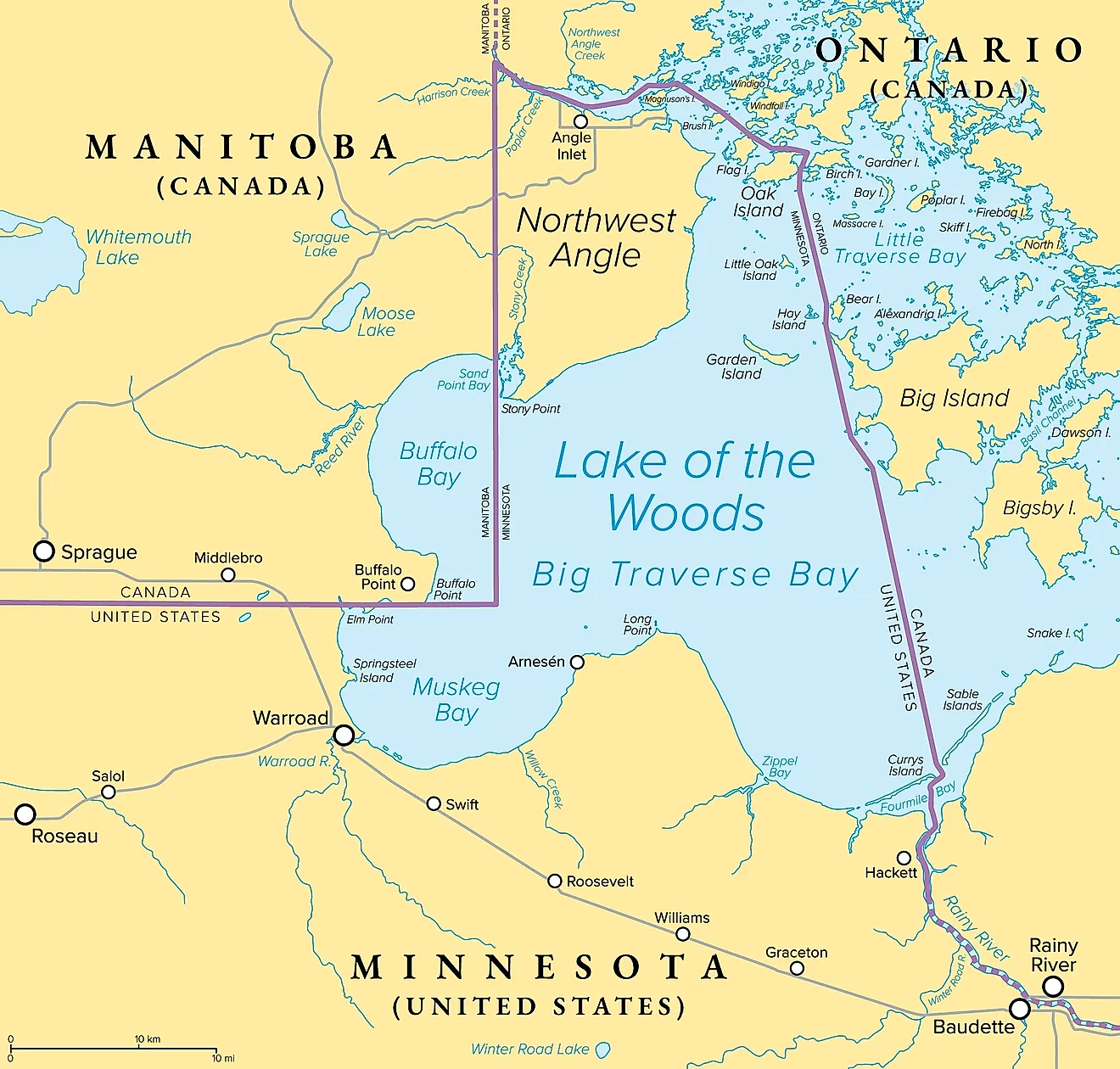
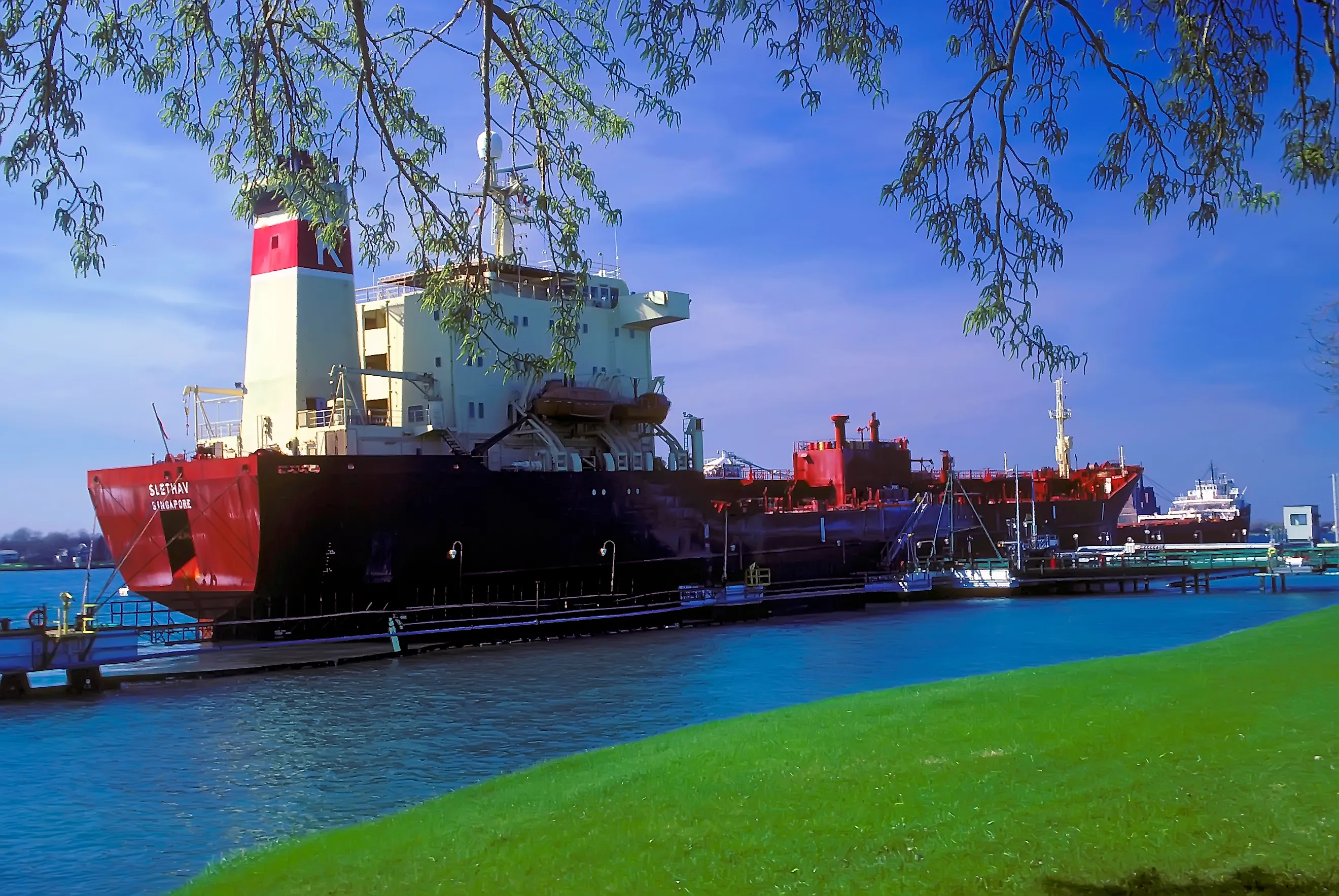
A traditional stern-first launch needs a runway of water. The ship accelerates down the sloped ways and keeps going, so the harbor beyond the yard must be deep and clear for many ship-lengths before tugs can gather it in; ocean shipyards sit on wide estuaries and open bays precisely for this reason. The great builders of the lakes never had that luxury. The historic yards grew up on working rivers, the Black River at Lorain, the Detroit and Rouge rivers, the Saginaw at Bay City, the Manitowoc in Wisconsin, channels a few hundred feet across, with the far bank, docks, and other ships sitting exactly where a stern-launched hull would arrive at speed.
So the lakes' engineers turned the problem 90 degrees. Build the hull parallel to the river, and the launch distance shrinks from the length of the ship to roughly the width of it: the vessel only has to travel its own beam, about 60 to 105 feet, before it is afloat. A long, narrow laker and a short, narrow river fit together exactly one way, and that way is sideways.
How A Side Launch Works

The mechanics are brute-force simple. The hull takes shape on rows of inclined launchways running down to the river's edge, greased and waxed for the big day. At the signal, the holding tackle is cut and the whole ship slides broadside, hits the water flat, and digs in a wall of displaced river that can rear up higher than the spectators' heads on the far bank. Getting drenched became the regional tradition; shipyard towns treated launch day as a holiday and dressed for the splash.
Then comes the part that looks like a disaster and is not: the ship rolls. Entering sideways, the hull heels far over toward the river, flashes its underbody, and whips back upright in a few diminishing swings while drag chains and cables haul it to a stop within yards. Naval architects calculated those rolls as carefully as any load plan, since a hull built to flex still has limits, and an empty, engineless shell rides the whole event like a bathtub toy. The launched hull was never finished anyway; tugs walked it to a fit-out dock, where engines, cabins, and wiring turned a floating shape into a ship.
The Day The Fitzgerald Hit The Water

The most famous side launch on the lakes belongs, inevitably, to their most famous ship. On June 7, 1958, the Edmund Fitzgerald, then the largest vessel on the Great Lakes, went in broadside at the Great Lakes Engineering Works on the Detroit River before a crowd in the tens of thousands, and by the accounts of the day almost nothing went smoothly: the champagne bottle refused to break until the third swing, the launch was delayed, and when the 729-footer finally dropped, she threw her great wave, lurched hard against the timbers, and left the crowd gasping; one spectator collapsed and died at the scene.
Sailors tell the story as an omen, and the lake eventually gave the superstition its ending, 17 years later, almost to the season. The launch itself, though, worked exactly as designed, which is its own point: a side launch looks like barely controlled catastrophe even when every number lands. The rest of her story belongs to a different November.
Submarines Did It Too

The side launch produced its strangest chapter during World War II, when the Manitowoc Shipbuilding Company of Manitowoc, Wisconsin, a yard 1,000 miles from saltwater, won a contract to build fleet submarines for the US Navy. Twenty-eight of them slid broadside into the narrow Manitowoc River between 1942 and 1945, each one rolling and righting in front of hometown crowds, because the river that could not host a conventional launch could host a sideways one just fine.
The submarines then traveled to the war the only way a submarine can leave Lake Michigan: down the Chicago river system and the Illinois waterway to the Mississippi, riding in floating drydocks to clear the bridges, and on to New Orleans. Several went on to distinguished Pacific records, every one of them born in a freshwater splash.
Why The Splash Is Going Extinct

The thunderous broadside launch is fading for two quiet reasons. First, almost nobody builds new lakers anymore; the existing fleet is maintained for decades (several working boats date to the 1950s), so launch days of any kind are rare. Second, when a new hull does get built, modern yards increasingly assemble it inside a graving dock and simply open the valves, floating the ship up gently with no roll, no wave, and no soaked grandstand, the same controlled method, along with lifts and transfer systems, that has replaced dramatic launches at most ocean yards too.
The lakes still get the occasional show, since side launching remains the practical choice for barges and hulls on the old narrow rivers, and when one is announced, the crowds still come in rain gear on a sunny day. Some traditions survive on engineering; this one survives on engineering plus the best splash in American industry.
Sideways Was Always The Right Way
The sideways launch is the Great Lakes answering geography the way they always have: with a workaround that became an identity. Rivers too narrow for a proper launch got an improper one that worked perfectly for over a century, dropped ore boats, ferries, and 28 warfighting submarines into a few hundred feet of water, and turned naval architecture's most awkward constraint into the best free show on the waterfront. The ocean launches ships lengthwise because it can. The lakes launch sideways because they must, and they learned to love it.