The Most Snake Infested Rivers In Wisconsin
Wisconsin has 56,884 miles of rivers that flow through the varying terrain of Wisconsin’s six physical regions, from shores on the Great Lakes to glacier-carved valleys. Wisconsin’s rivers are popular among outdoor enthusiasts for recreational activities like swimming, boating, and fishing. Rivers also provide optimal habitat for a wide array of wildlife, including snakes, of which Wisconsin has 21 different species. A couple of Wisconsin’s native snakes are venomous, some are dwindling in numbers, and some call the state’s rivers their home. These are four of the most snake-infested rivers in Wisconsin.
Wisconsin River

The Wisconsin River rises from Lac Vieux Desert in the north of the state, on the border between Wisconsin and Michigan. From there, it flows south through several cities in central Wisconsin, flowing for a total distance of 430 miles before entering the Mississippi River. The Wisconsin River drains a total area of 12,000 square miles. In Wisconsin, the Northern Watersnake (Nerodia sipedon) inhabits many permanent bodies of water, including the Wisconsin River.
However, these snakes are not limited to just large rivers. They can be found in almost any aquatic habitat, including smaller streams, ponds, swamps, floodplains, lakes, and canals. The only wetland habitats they do not occupy are those that are heavily forested or temporary bodies of water. They are often observed swimming in the water where they will hunt for fish and amphibians, or on the edges of bodies of water. Here, they will bask on rocks, logs, or vegetation by the shore, allowing them to quickly flee into the water if threatened.
Fox River

The Lower Fox River flows from Lake Winnebago across central and east-central Wisconsin, where it empties into Green Bay, a part of Lake Michigan. For the most part, it is a slow-moving body of water, flowing past areas of lake and marsh. The river empties a drainage basin comprising 6,349 square miles. The Common Garter Snake (Thamnophis sirtalis) is one of Wisconsin’s most abundant snakes that frequents areas of the Fox River.
These snakes are highly adaptable and can be found statewide in various habitats and conditions. However, they do have a preference for habitats with moist vegetation that are within close proximity to a body of water. These habitats also provide ideal conditions for the prey of Garter Snakes, which include amphibians, fish, earthworms, and insects. During the winter months, Garter Snakes will communally hibernate together in large groups, sometimes with other species of snake.
Wolf River

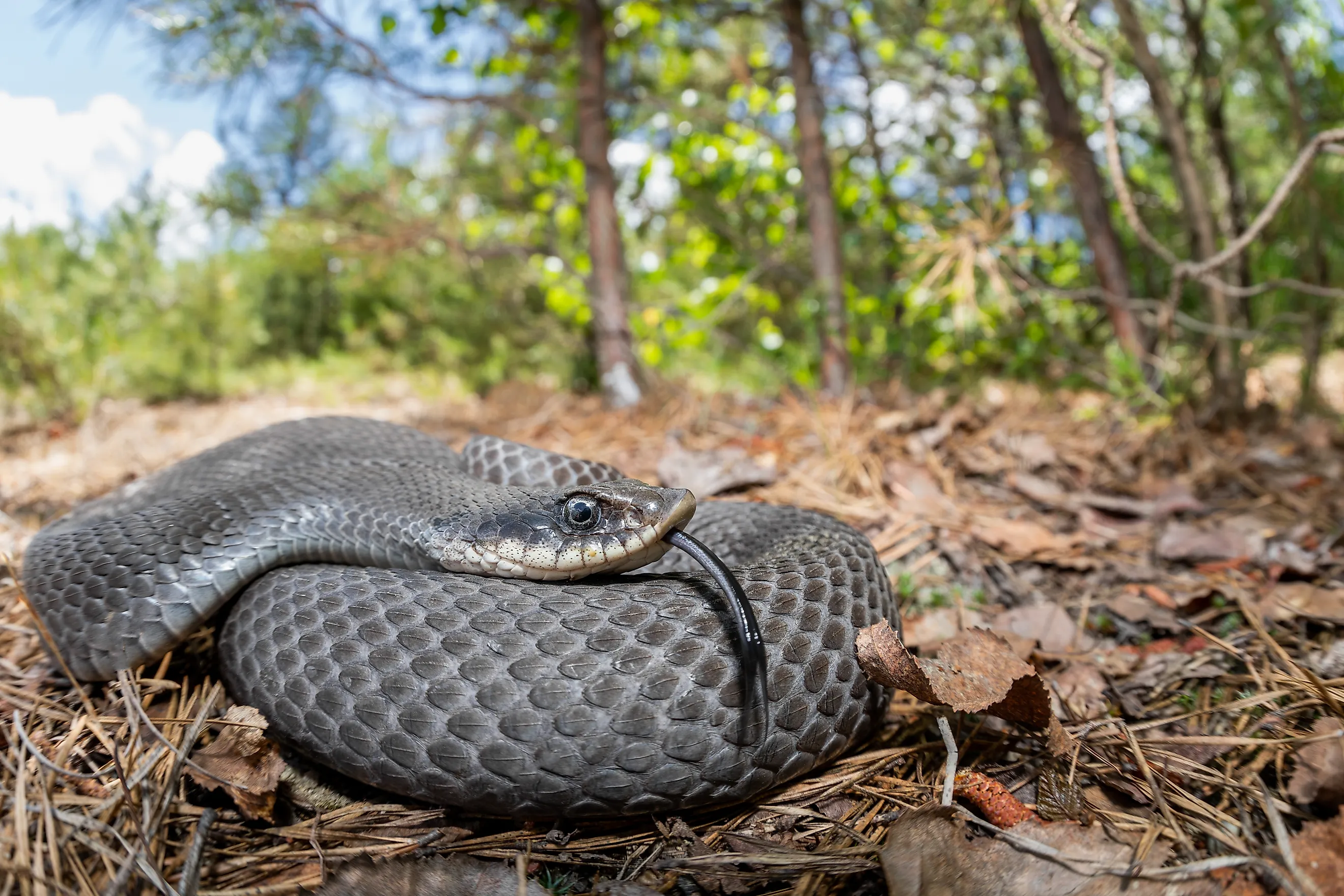
The Wolf River is one of only two National Scenic Rivers in Wisconsin, along with the St. Croix River. The Wolf River is a tributary of the Fox River that flows for 225 miles through northeastern Wisconsin, draining a total area of 3,690 square miles. Several species of Wisconsin’s snakes have been observed in the Wolf River drainage basin, including the Common Garter Snake and Northern Watersnake. However, other species such as the Eastern Hognose Snake (Heterodon platirhinos).
They frequent habitats with loose soils that are suitable for burrowing, nesting, and egg-laying. The snakes are rear-fanged venomous, meaning they have a poor venom delivery method. However, the venom is mild and is specifically adapted to immobilize amphibians, which are the primary food source of Eastern Hognose Snakes. If threatened, they will roll onto their back and play dead in order to deter predators. This defensive behavior has often been observed in wetland habitats.
Mississippi River

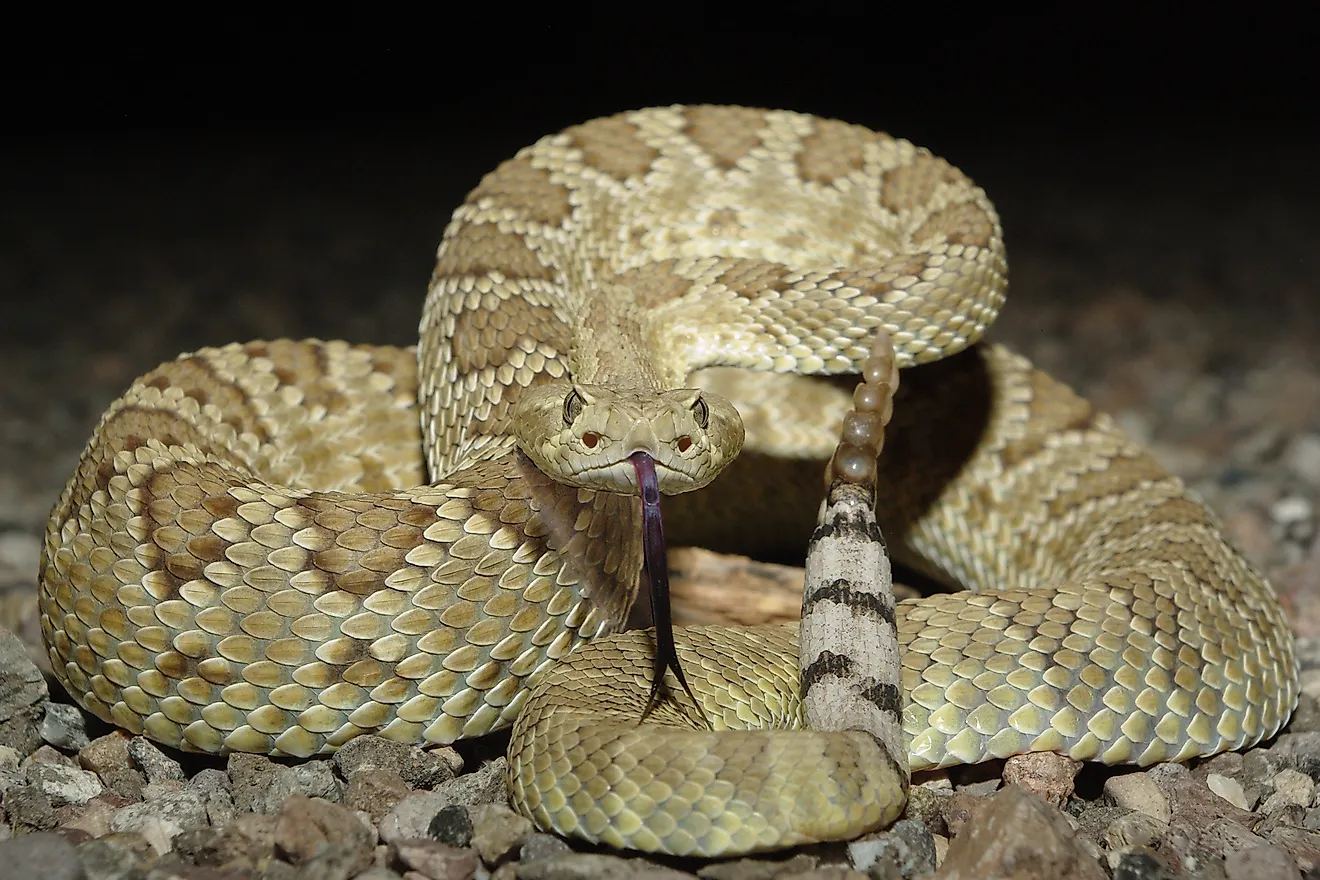
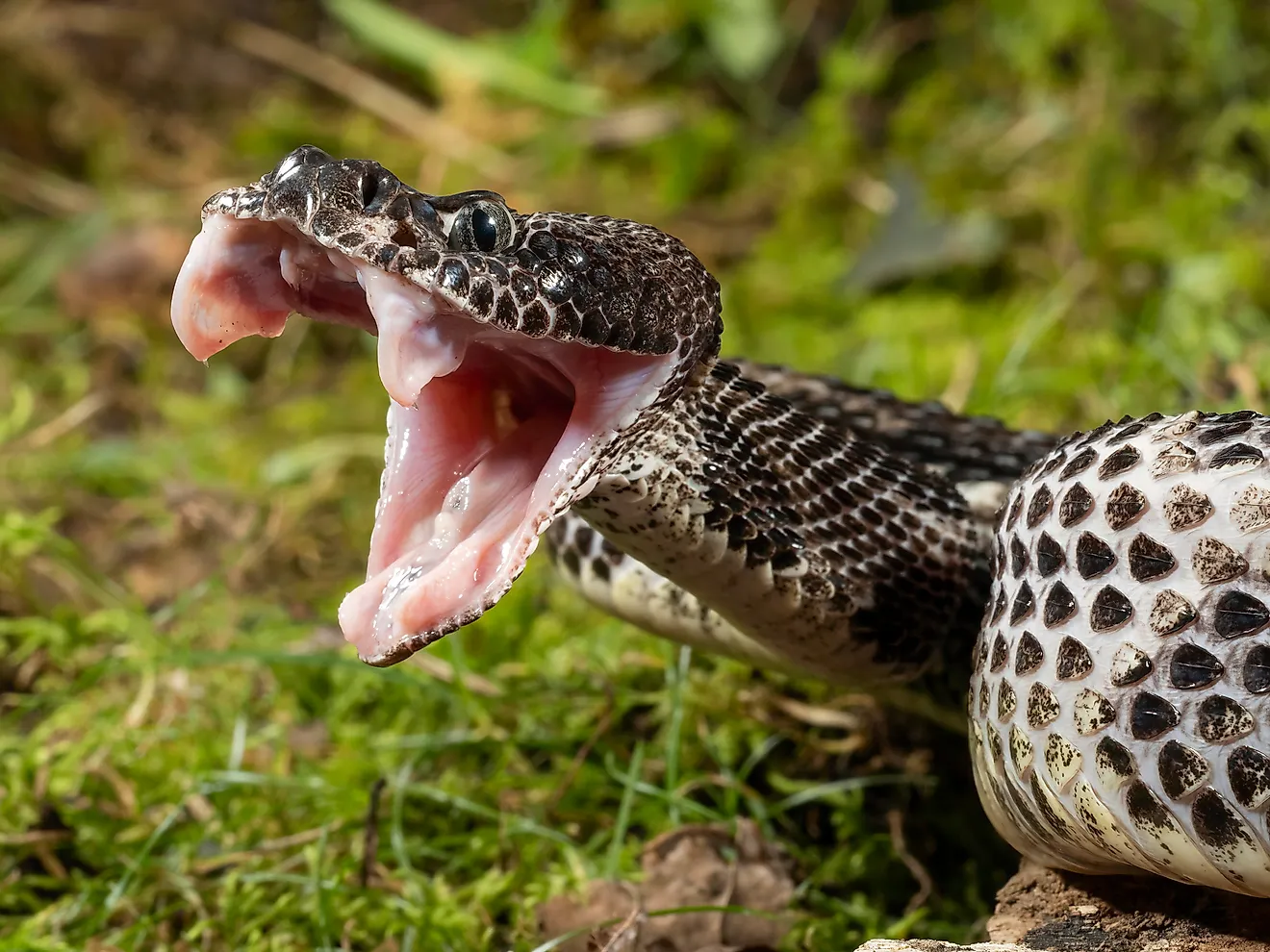
The Mississippi River rises in Lake Itasca in Minnesota and empties into the Gulf of Mexico. It flows for a total distance of 2,340 miles, making it the longest river in North America. The Mississippi River drains all or parts of 31 states, including Wisconsin. It flows along the lower half of Wisconsin’s western border for 230 miles. Bluff land next to the river corridor on the western border provides ample habitat for one of Wisconsin’s venomous species of snake, the Timber Rattlesnake (Crotalus horridus).
In Wisconsin, Timber Rattlesnakes favor habitats with deep, rocky fissures that extend below the frost line, allowing these snakes to hibernate over the winter. They are sometimes referred to as the “swamp rattlesnake” due to their preference for habitats near floodplain wetlands or other undisturbed wetland habitats like marshes, wet prairies, and floodplain forests. Due to habitat loss, Timber Rattlesnake populations in Wisconsin are under threat. However, despite decreases in populations, the Timber Rattlesnakes distribution within Wisconsin has remained the same.
Wisconsin's Waterways
Whether you love or hate snakes, their importance in supporting ecosystems as both predator and prey is undeniable. Many studies have shown that by managing rodent populations, snakes help reduce disease threats carried by these rodents. Unfortunately, due to habitat loss and human persecution in Wisconsin, many snakes have declined in population, with 14 species listed as endangered, threatened, or of concern. If encountered, snakes should be left alone and undisturbed, allowed to go on their way as they please.