The Most Snake Infested Rivers In Utah
Utah’s mostly arid climate, paired with the three major drainage areas - the Colorado River, Columbia River, and Great Basin - makes for a comfortable habitat for the snakes that frequent the state’s rivers. Utah is home to 29 snake species, including several venomous rattlesnakes. Although some snakes prefer dry and hot habitats, that does not mean they are not present within Utah’s river watershed areas. These are the most snake-infested rivers in Utah.
Virgin River

The Virgin River is known best for carving out the red sandstone scenery of Zion National Park. The Virgin River rises from the mountains of southwest Utah, flowing through parts of Arizona and Nevada before it empties into Lake Mead to eventually join the Colorado River. Despite the river’s power in eroding the landscape of Zion National Park, it actually has quite a gentle current and is home to many different plant and animal species.
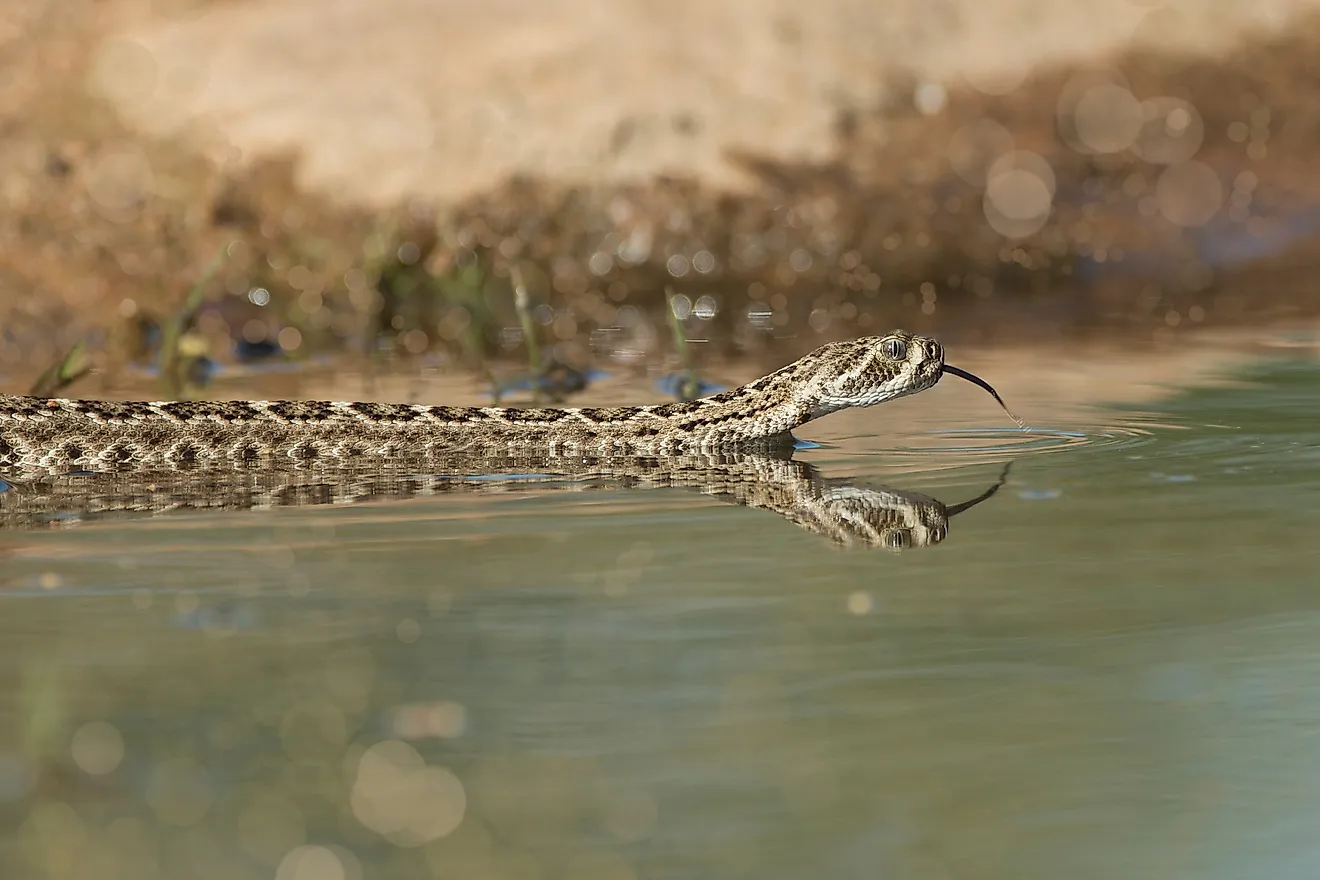
The Great Basin Gopher Snake (Pituophis catenifer deserticola) has been observed swimming in the Virgin River. Gopher Snakes are found statewide; however, they often avoid heavily forested habitats and areas of high elevation, most often found below 7,000 feet in elevation. Although Gopher Snakes are nonvenomous, they sometimes wiggle their tails to mimic venomous Rattlesnakes in an effort to ward off potential threats.
Green River

The Green River is Utah’s major stream. Although it originates in Wyoming, the majority of the river flows through Utah. Out of a total course of 730 miles, around 450 miles are within Utah. The river flows through several canyons and mountainous terrain, meandering into Colorado before it re-enters Utah. Eventually, the Green River joins the Colorado River south of Moab in the middle of Canyonlands National Park.
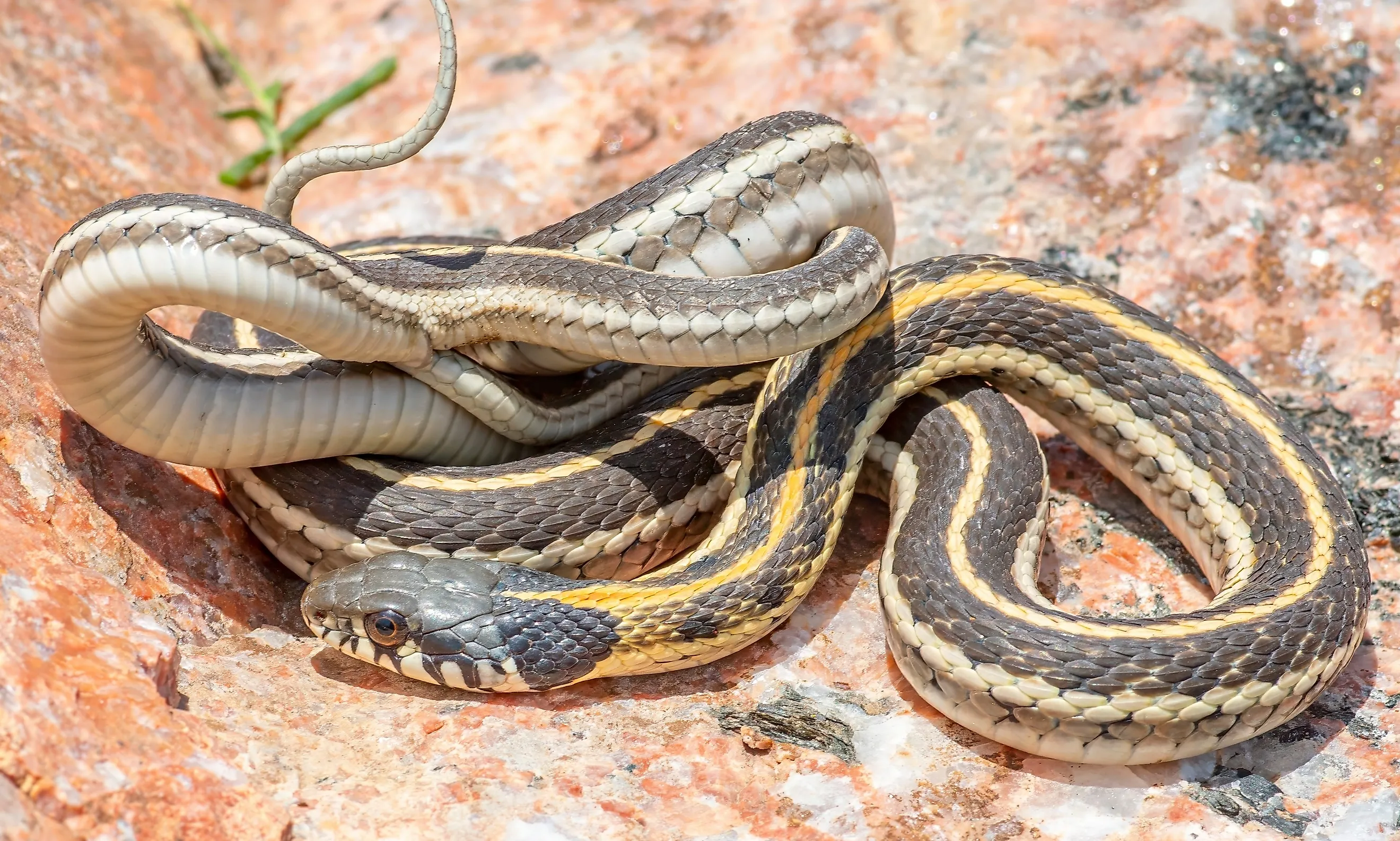
Garter Snakes have been observed preying on small fish in the Green River. There are three different species of Garter Snakes native to Utah: the Western Black-Necked Garter Snake (Thamnophis cyrtopsis cyrtopsis); the Wandering Garter Snake (Thamnophis elegans vagrans); and the Valley Garter Snake (Thamnophis sirtalis fitchi). Garter Snakes are among the most common snakes in Utah, found statewide; however, they are unlikely to inhabit extremely arid areas. They have a preference for habitats associated with water, but can be found far from any water source.
Provo River

The Provo River rises from the Uinta Mountains, where it eventually empties into Utah Lake. It is part of the Jordan River watershed. The Provo River provides essential habitat for Utah’s diverse mix of wildlife, as well as providing drinking water and even has agricultural use. The Provo River is part of the Jordan River watershed, which is frequented by the Great Basin Rattlesnakes (Crotalus lutosus).
The Great Basin Rattlesnake is limited to the western half of the state and is the only species that occurs north of Washington County and west of the Wasatch Plateau. It has a preference for habitats of desert scrub, arid and semiarid foothills, shrublands, canyons, and woodlands. Despite most often being encountered at elevations less than 7,000 feet, it is not limited to this elevation and has been recorded as high as 10,000 feet.
Weber River

The Weber River flows roughly 125 miles from its headwaters in the Uinta Mountains to the Great Salt Lake that it empties into. Its headwaters originate from snowfields, glacier lakes, and streams at elevations over 10,000 feet. It flows in a generally northwest direction and drains an area covering 2,500 square miles, covering several counties in northern Utah. Many species of snake frequent the Weber River corridor, including the Utah Milksnake (Lampropeltis triangulum).
In Utah, this snake’s range spans from the southwestern part of the state to the central high plateaus, through the Wasatch Mountains and Uinta Mountains. They live in a wide range of habitats, including open forests, mountain shrubs, and sagebrush habitats. They survive on a diet of small mammals, small birds, and other reptiles. Utah Milksnakes are most active between April and October, hibernating in the colder winter months and sometimes with other snakes.
Utah's Snake-Filled Rivers
The majority of snakes found in Utah are completely harmless to humans, other than venomous Rattlesnakes. Luckily, bites from venomous snakes are uncommon, and fatalities from venomous snake bites are even rarer. If you find yourself enjoying Utah’s warm climate and hiking near the river or recreating on the river, then it is good practice to exercise caution and be mindful where you stick your hands and feet, as there could be a snake underneath.